
Artist
Sense Field
United States · 1991 – 2004
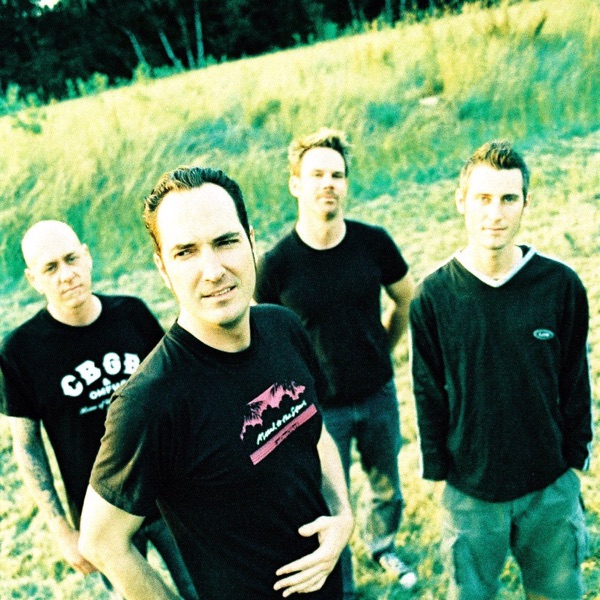
Sense Field is a music group from United States, active 1991–2004. Their discography on Gatefold includes 9 records.
9
Albums tracked
25
In collections
1991
Since
Biography
Revelation Records didn't know what to do with a band that had a singer who could actually carry a melody, so they just threw them into the hardcore bin and hoped for the best. Jon Bunch wasn't screaming about scene politics; he was doing this soaring, melodic thing that sounded more like The Smiths than Minor Threat. When they went into the studio to track 'Building,' they weren't trying to be tough guys—they were trying to make a big, expansive rock record while the rest of the Orange County scene was still obsessed with two-minute thrash beats. Then the major label vultures circled. Warner Bros. signed them, sat on their best material for five years, and nearly killed the band's momentum through sheer corporate incompetence. By the time 'Tonight and Forever' finally saw the light of day on Nettwerk, the world had changed and the 'emo' tag was being slapped on everything with a clean guitar riff. They deserved to be as big as Jimmy Eat World, but they spent their peak years fighting lawyers instead of playing shows. It’s a fucking miracle that record sounds as cohesive as it does given the hell they went through to release it.
Bio from The Clerk
The Arc of Sense Field
The pivots — what forced Sense Field to reinvent.
The Revelation Post-Hardcore Blueprint
Born from the wreckage of Reason to Believe, the band moved away from straight-ahead hardcore toward something more intricate and atmospheric. On their self-titled debut and 'Killed for Less,' Chris Evenson’s guitar work abandoned the usual power chords for ringing, delayed textures that gave Jon Bunch space to prove he was the best vocalist in the scene. You hear a band trying to outgrow the underground without losing the grit, landing on a sound that was too pretty for the mosh pit but too honest for the radio.
The Warner Bros. Limbo
Signing to a major was supposed to be the breakthrough, but it turned into a five-year hostage situation that drained the band's energy. They recorded and re-recorded 'Tonight and Forever' while suits tried to figure out how to market a band that didn't fit into a tidy box. When Rodney Sellars eventually left and they finally got their masters back, the resulting album was a polished, power-pop pivot that felt like a survivor's statement, spearheaded by the fluke success of the single 'Save Yourself' on TV soundtracks.
Influences
- The Smiths — Jon Bunch explicitly cited Morrissey as his primary vocal influence in early interviews, which explains his preference for soaring baritone melodies over the standard hardcore bark. You hear it in the way he stretches vowels and leans into the melancholy on tracks like 'Outlive the Man.' It was a radical move for a guy fronting a band on Revelation.
- U2 — The Edge's use of delay and rhythmic echo is the DNA of Chris Evenson’s guitar style throughout the 'Building' era. Instead of chugging riffs, they built walls of shimmering, atmospheric noise that gave the band a stadium-sized sound while they were still playing VFW halls. It shifted the focus from aggression to texture.
- 7 Seconds — Kevin Seconds broke the mold for positive, melodic hardcore, and Sense Field toured with them early on while absorbing that sincerity. The influence shows up in the band's 'straight-edge-adjacent' optimism and their refusal to lean into the nihilism of the early 90s. They took the melodic seeds planted on 'The Crew' and grew them into something more complex.
- The Cure — Robert Smith’s pop sensibilities and use of chorused bass lines are all over the band's later work. Rodney Sellars and Chris Evenson often discussed their love for the lush production of 'Disintegration,' which filtered into the more cinematic moments of their mid-career songwriting. It helped them move beyond the limitations of the three-chord punk structure.
- Dag Nasty — The 'Can I Say' era of Dag Nasty is the essential precursor to everything Sense Field did with melody and speed. Brian Baker’s ability to weave melodic leads into high-energy punk provided the roadmap for Sense Field to keep their energy up without sounding like a generic pop-punk band. It’s the bridge between the DC sound and the OC melody.
Discography
Their records — most-collected first.


Related artists
Around the web
Follow every record they touch.
Start your shelf and Gatefold tracks Sense Field's new pressings, tour dates, and the whole discography — automatically.
Start your shelf →Free forever. Works with 10 records or 10,000.