
Artist
Scorpions
Hanover, Germany · Formed 1965
Scorpions is a music group from Hanover, Germany, active since 1965. Their discography on Gatefold includes 24 records.

44
Albums tracked
373
In collections
1965
Since
Biography
Conny Plank tracked Lonesome Crow at Star Studios on a shoestring budget while the band was basically still living in a van. Most people start the clock with the big 80s anthems, but the early years were a krautrock-adjacent fever dream where Michael Schenker was a teenage prodigy playing like his life depended on it before he bailed for UFO. The core of the band has always been Rudolf Schenker’s rhythm discipline and Klaus Meine’s vocal range, but those early 70s records have a dark, psychedelic grit that most of the hair metal crowd wouldn't even recognize. They spent the late 70s and early 80s perfecting a mid-tempo crunch that eventually made them massive in the States, but they hit a wall with some of that overly polished 90s shit and the orchestral experiment with the Berliner Philharmoniker. It’s easy to joke about the whistling on Wind of Change or the cheesy album art, but you can’t ignore the work ethic. Dieter Dierks rode them for a decade in the studio, demanding take after take until the precision was surgical, which is exactly why those records still sound massive on a loud system.
Bio from The Clerk
The Arc of Scorpions
The pivots — what forced Scorpions to reinvent.
The Lonesome Crow Psych-Experiment
Before they were a stadium act, they were part of the same German experimental scene as Can and Kraftwerk. Recording with Conny Plank gave that first record a hazy, improvisational feel that relied heavily on Michael Schenker’s fluid lead work. It’s less about hooks and more about long-form exploration, a sound they largely abandoned once Michael left and they had to figure out how to be a hard rock band.
The Uli Jon Roth Hendrix-Phase
When Uli Jon Roth stepped in, he brought a neoclassical, psychedelic obsession with Jimi Hendrix that pushed the band into weird, beautiful territory. This era is defined by the tension between Rudolf’s straightforward riffing and Uli’s eccentric, sky-high soloing and occasional lead vocals. Albums like In Trance and Virgin Killer are the peak of this weirdness, blending heavy metal muscle with acid-rock flourishes that they never revisited after Uli walked.
The Dieter Dierks Polish
The real pivot happened when producer Dieter Dierks forced the band to trim the fat and focus on radio-ready structures. He moved them away from the wandering 70s arrangements into the tight, aggressive attack found on Lovedrive and Blackout. This was the era where Matthias Jabs brought a stable, melodic lead style that fit the commercial ambitions of the band perfectly, resulting in that massive, high-gain drum sound that defined 80s rock.
Influences
- Jimi Hendrix — Uli Jon Roth has spent his entire career citing Hendrix as his primary deity, even going as far as to marry Jimi's former girlfriend, Monika Dannemann. You hear the saturated Stratocaster tones and the wah-heavy psychedelic excursions all over Fly to the Rainbow. It’s the reason those 70s records have a fluid, bluesy ghost in the machine.
- Led Zeppelin — Rudolf Schenker saw them live in 1970 and shifted the band’s focus toward that heavy, riff-based foundation. The massive, acoustic-to-electric dynamics on songs like Still Loving You are a direct page from the Page and Plant playbook. They took the Zeppelin groove and straightened it out for a more rigid, German rhythmic feel.
- The Yardbirds — The band’s early setlists were littered with Yardbirds covers like I'm a Man as they were learning how to bridge blues with aggressive tempos. That British Invasion influence provided the initial blueprint for their twin-guitar attack. It’s where they learned to trade licks without stepping on the vocal melody.
- The Beatles — Klaus Meine and Rudolf Schenker have repeatedly pointed to the Fab Four for their understanding of vocal harmony and pop sensibility. Even at their heaviest, Scorpions rely on the kind of bridge-and-chorus construction that is pure Lennon-McCartney. It’s why their ballads are effective instead of just being filler.
- Cream — Michael Schenker was obsessed with Eric Clapton’s 'woman tone' during the early 70s sessions. You can hear that thick, sustain-heavy Gibson sound all over the Lonesome Crow solos. They took the power trio concept and just added more bodies to the mix to make it louder.
Discography
Their records — most-collected first.
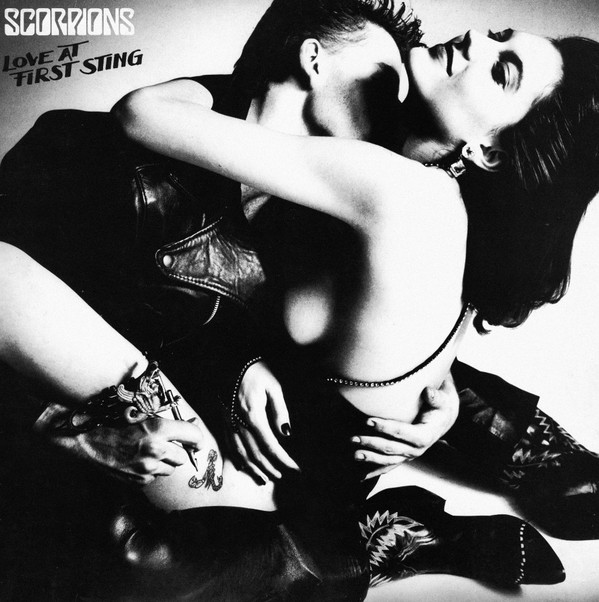
Love At First Sting
1984
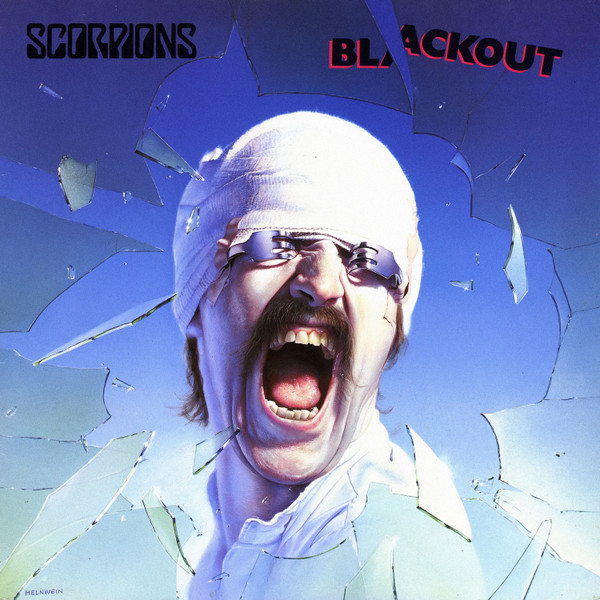
Blackout
1982
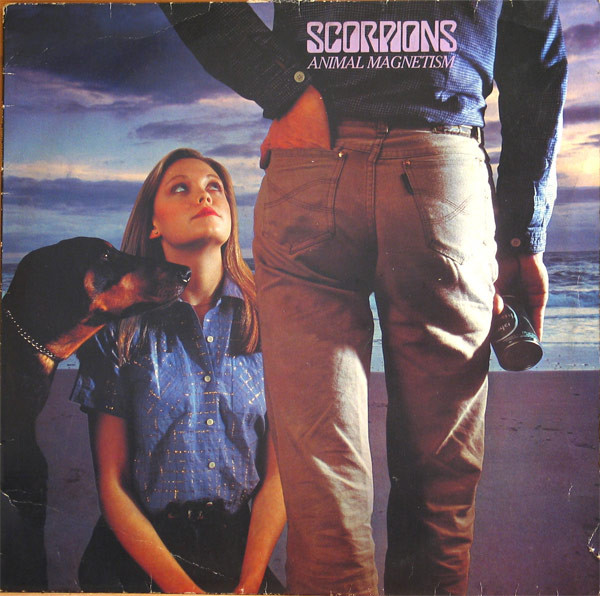
Animal Magnetism
1980
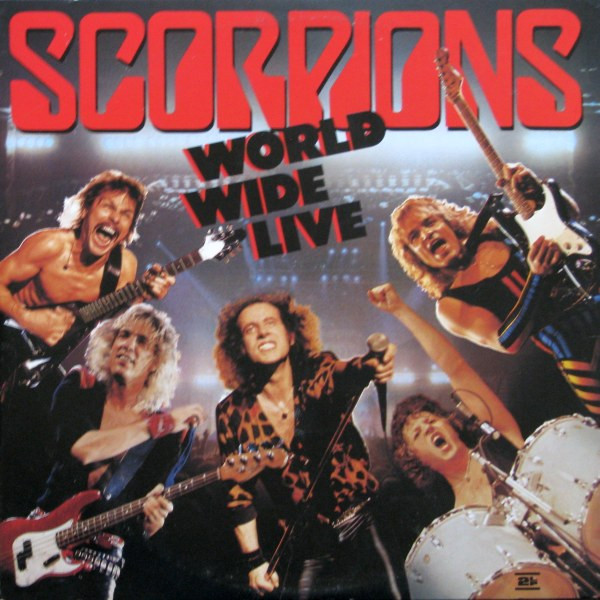
World Wide Live
1985
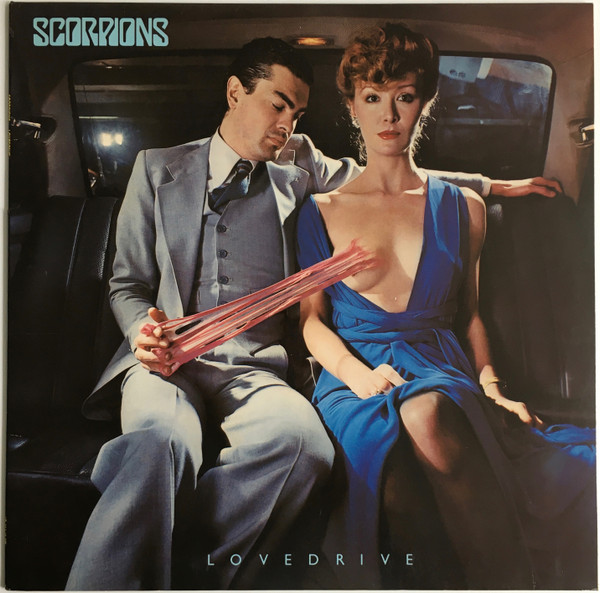
Lovedrive
1979
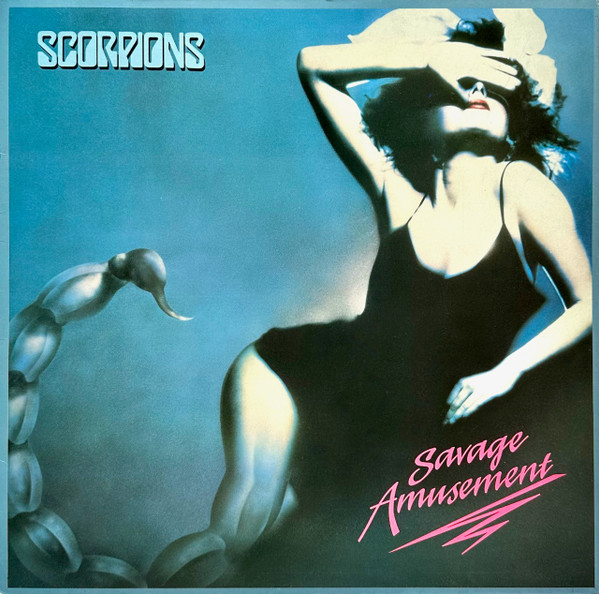
Savage Amusement
1988
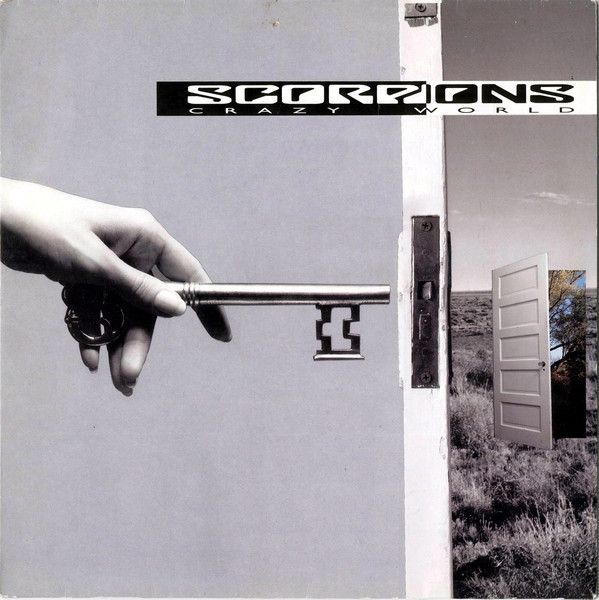
Crazy World
1990
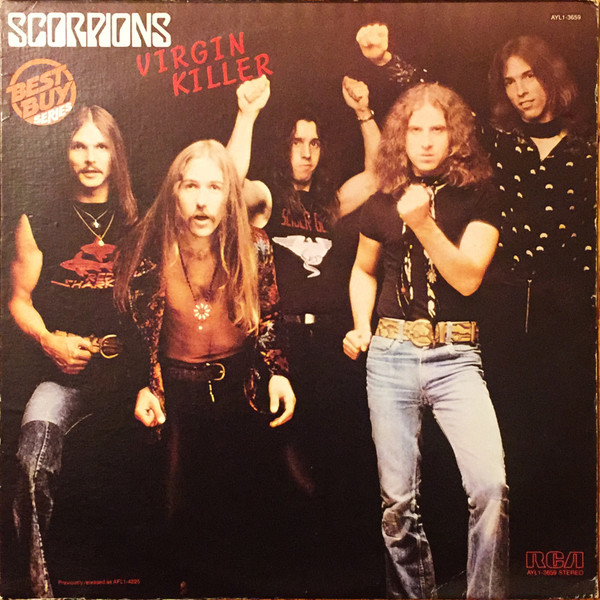
Virgin Killer
1976
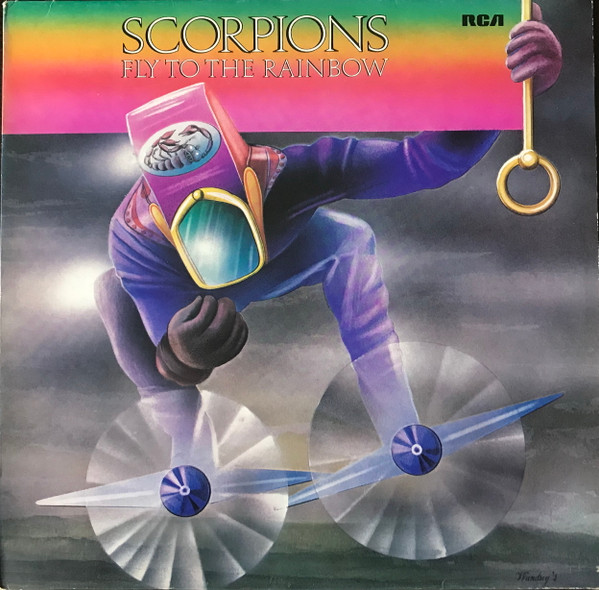
Fly To The Rainbow
1974
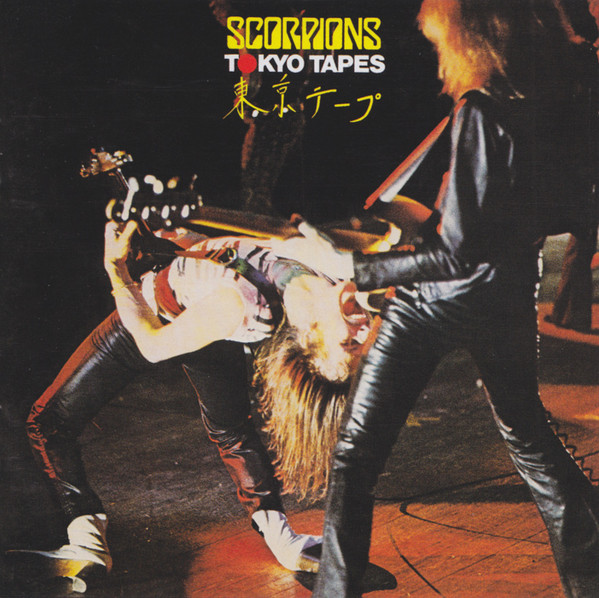
Tokyo Tapes
1978
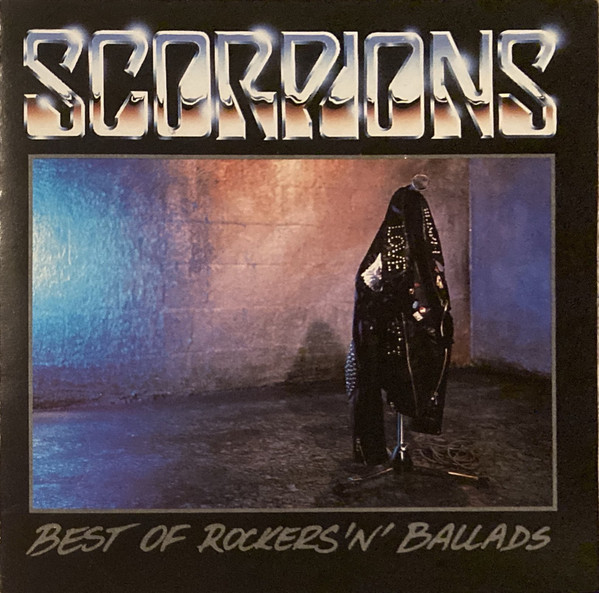
Best Of Rockers N' Ballads
1989
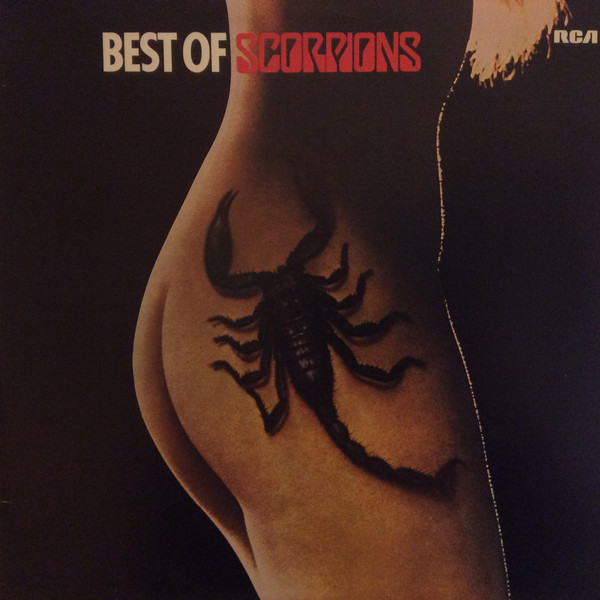
Best Of Scorpions
1979
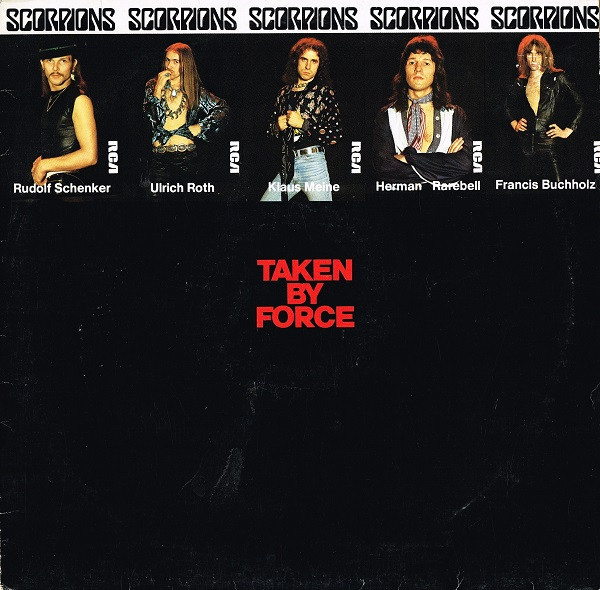
Taken By Force
1977
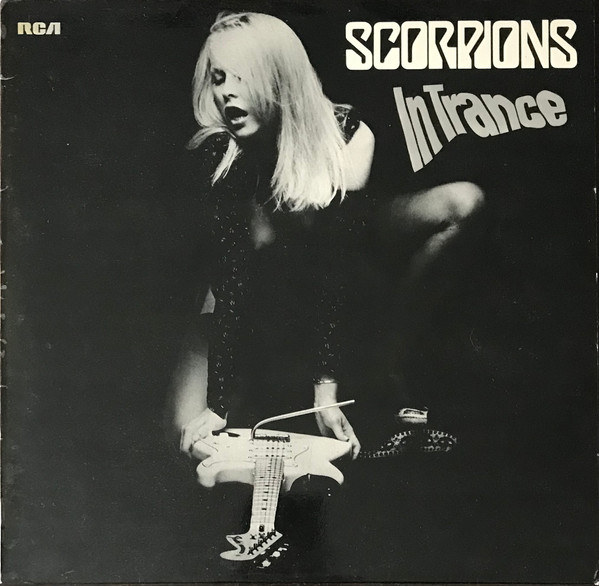
In Trance
1975

Lonesome Crow
1972
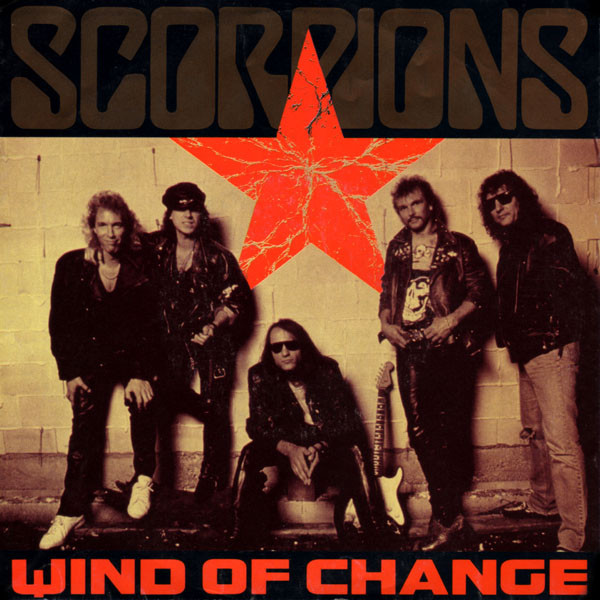
Wind Of Change
1990

Rock Believer
2022

Humanity - Hour I
2007

Deadly Sting: The Mercury Years
1997
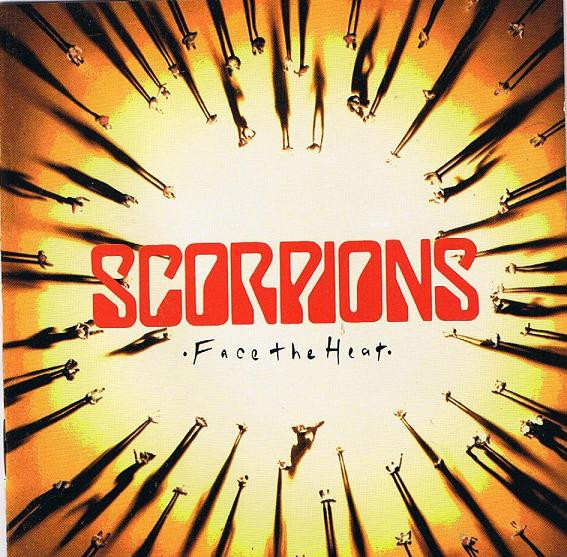
Face The Heat
1993
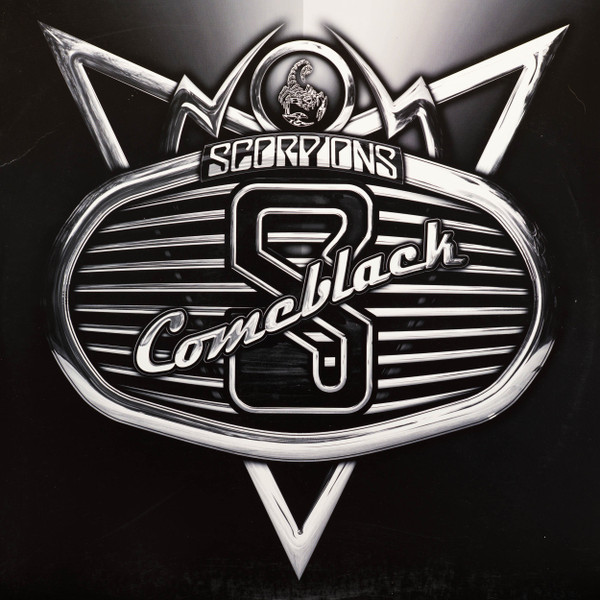
Comeblack
2011

Sting In The Tail
2010
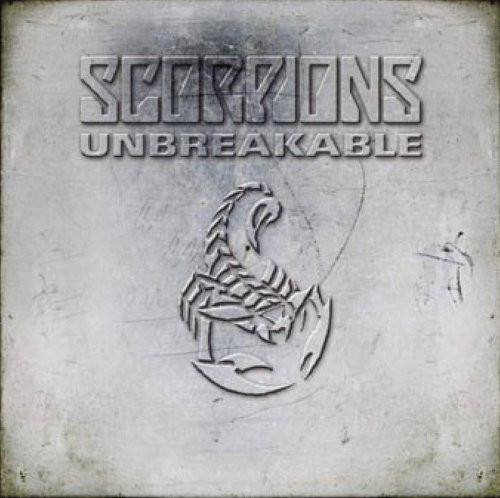
Unbreakable
2004
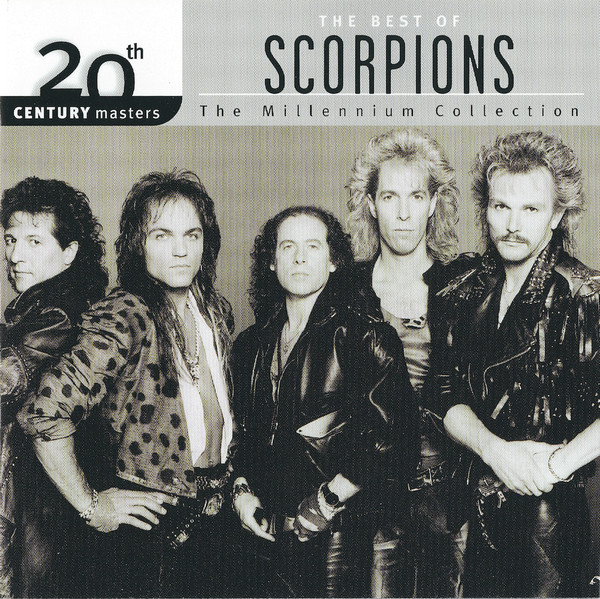
The Best Of Scorpions
2001
Related artists
Members
Frequent collaborators
Around the web
Follow every record they touch.
Start your shelf and Gatefold tracks Scorpions's new pressings, tour dates, and the whole discography — automatically.
Start your shelf →Free forever. Works with 10 records or 10,000.