
Artist
Saxon
Barnsley, United Kingdom · Formed 1976
Saxon is a music group from Barnsley, United Kingdom, active since 1976. Their discography on Gatefold includes 24 records.

59
Albums tracked
138
In collections
1976
Since
Biography
Biff Byford was a bass player for a blues-rock outfit called Coast before he ever stepped behind a Saxon mic, and that blue-collar grit is why those early Carrere records don't sound like the polished metal coming out of London. They were Yorkshire guys who spent years in the clubs as Son of a Bitch, and by the time they hit the studio for the debut in '79, they had a terrifying level of telepathy between Paul Quinn and Graham Oliver. They didn't have the occult mystery of Sabbath or the high-opera leather of Priest—they had a rhythm section that sounded like a fuckin' freight train and lyrics about motorcycles and the M1 motorway. Everything changed when they went to Ramport Studios in London to cut Wheels of Steel. Pete Gill’s drumming got heavier, the tempos got faster, and they suddenly became the blueprint for every speed metal band that would follow in the 80s. They were cranking out two stone-cold classics a year because they were terrified the scene would move on without them. It almost did once they started chasing the American radio dragon with big hair and synths, but Saxon is the only band from that NWOBHM explosion that survived the 90s by simply getting louder and more aggressive while everyone else was trying to sound like Nirvana.
Bio from The Clerk
The Arc of Saxon
The pivots — what forced Saxon to reinvent.
The Barnsley Breakout
After the self-titled debut failed to capture their live energy, the band hooked up with producer Pete Hinton and engineer Will Reid-Dick to strip the sound down to its bare essentials. This run from Wheels of Steel through Denim and Leather is the holy trinity of British metal, defined by Steve Dawson’s overdriven bass and a total lack of studio trickery. You can hear the exhaustion and the adrenaline of the road in Biff’s vocals, especially on the title tracks which became anthems for the kids who actually worked in the factories. It was the sound of five guys who finally realized they were faster and louder than the blues-rock bands they grew up idolizing.
The American Gloss
The label saw what Def Leppard was doing and pushed Saxon toward a polished, commercial sound that peaked with Crusader and Innocence Is No Excuse. They brought in Kevin Beamish, the guy who did REO Speedwagon, to smooth out the edges at Union Studios in Munich, which was a fuckin' disaster for their street cred. The riffs were still there, but they were buried under layers of reverb and a production style that tried to turn a gritty Yorkshire band into a Sunset Strip act. Fans hated the shift, and the band looked like they were wearing costumes rather than their own denim and leather.
The Heavy Resurgence
By the time they hit Solid Ball of Rock in 1990, the band stopped caring about Top 40 charts and leaned back into the heavy shit with Nibbs Carter bringing a fresh, aggressive energy on bass. This pivot saved them, moving away from the pop-metal experiment and toward a darker, double-bass-heavy sound that flirted with power metal on albums like Metalhead and Killing Ground. Working with producers like Charlie Bauerfeind, they stopped chasing trends and embraced being the elder statesmen of the riff. It’s why they’re still headlining festivals while their peers from the 80s are playing state fairs.
Influences
- Deep Purple — Saxon covered 'Court in the Act' and Biff has repeatedly cited Ian Gillan’s vocal phrasing as his primary roadmap. You hear it in the high-velocity screams on 'Machine Gun' and the way they lock into those repetitive, driving organ-style guitar riffs.
- Free — Before they were a metal band, the members were obsessed with the minimalist, heavy blues-rock of Paul Kossoff and Andy Fraser. The massive, open-chord space in a song like '747 (Strangers in the Night)' comes directly from the Free school of 'less is more' songwriting.
- Led Zeppelin — Paul Quinn has gone on record stating that Jimmy Page’s blues-on-steroids approach was what made him want to pick up a Flying V. The epic scale of a track like 'The Eagle Has Landed' is Saxon’s attempt to capture that 'Achilles Last Stand' tension.
- Jimi Hendrix — Graham Oliver saw Hendrix live in 1967 and it fundamentally broke his brain regarding what a guitar could do. That raw, feedback-heavy soloing style is all over the early demos and the more experimental moments of the debut album.
- The Who — They recorded Wheels of Steel at Ramport Studios, which was owned by The Who, specifically because they wanted that massive, room-filling drum sound. Pete Gill’s aggressive, busy drumming style on the early records is a direct descendant of Keith Moon’s controlled chaos.
Discography
Their records — most-collected first.
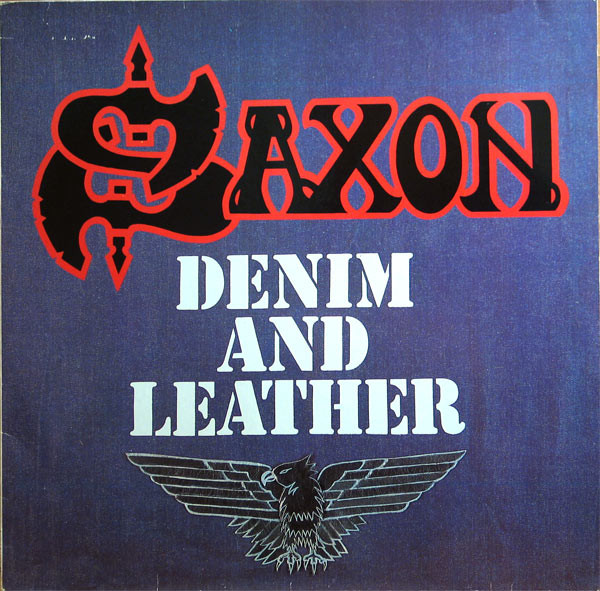
Denim And Leather
1981
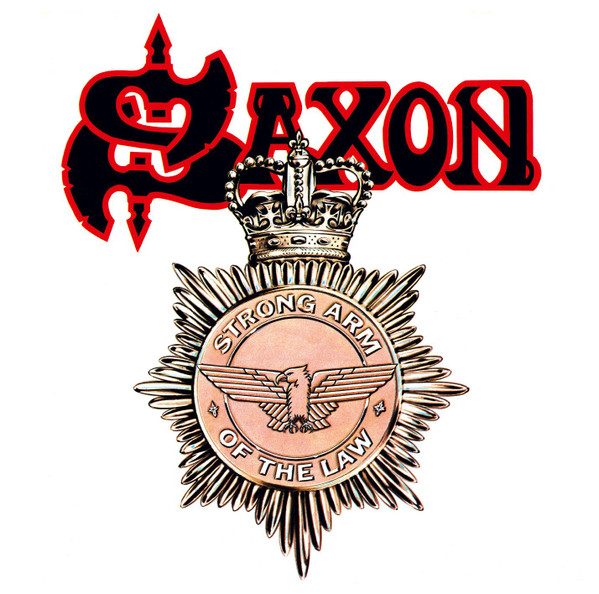
Strong Arm Of The Law
1980
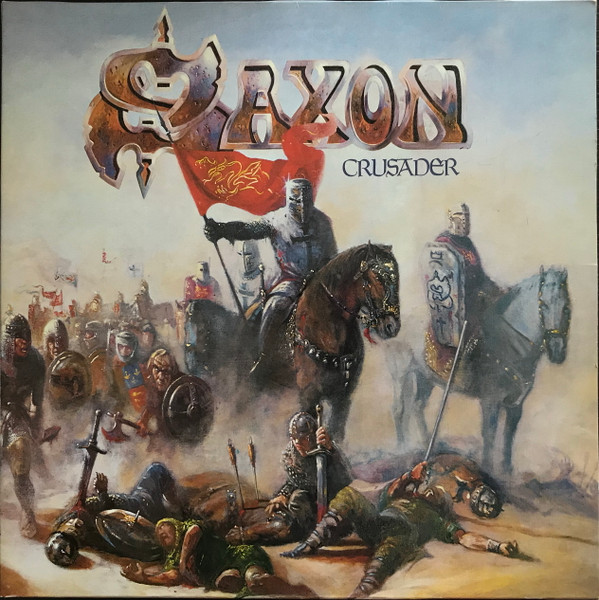
Crusader
1984
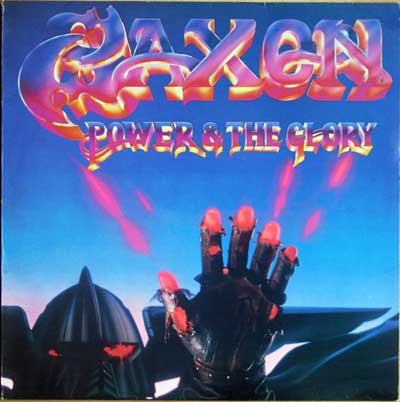
Power & The Glory
1983
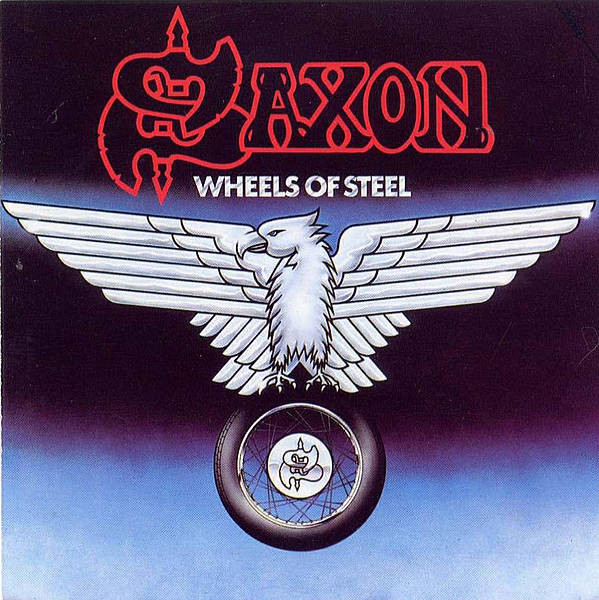
Wheels Of Steel
1980
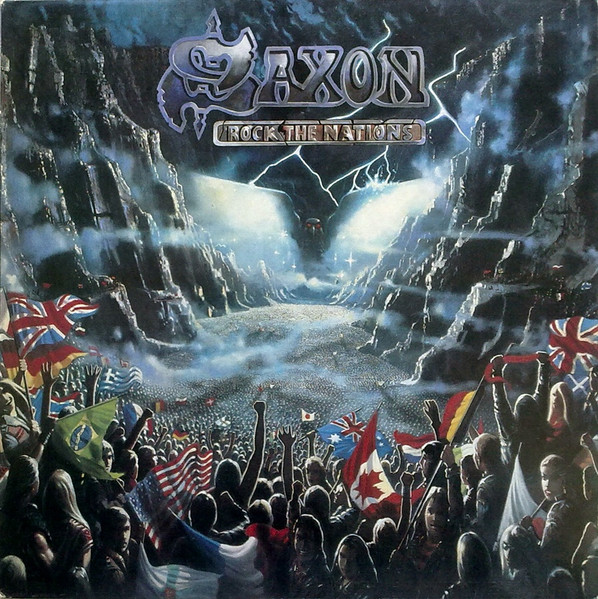
Rock The Nations
1986

Destiny
1988
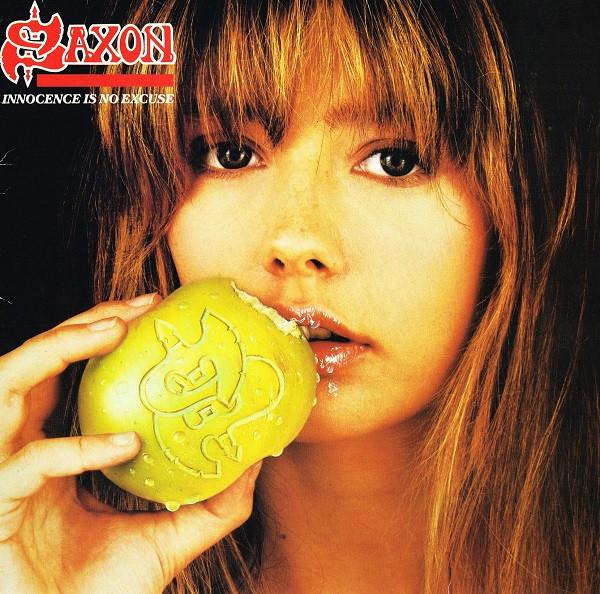
Innocence Is No Excuse
1985
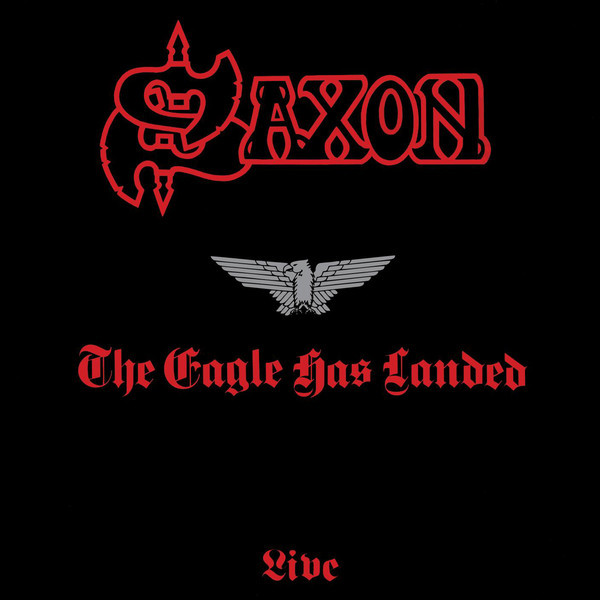
The Eagle Has Landed (Live)
1982
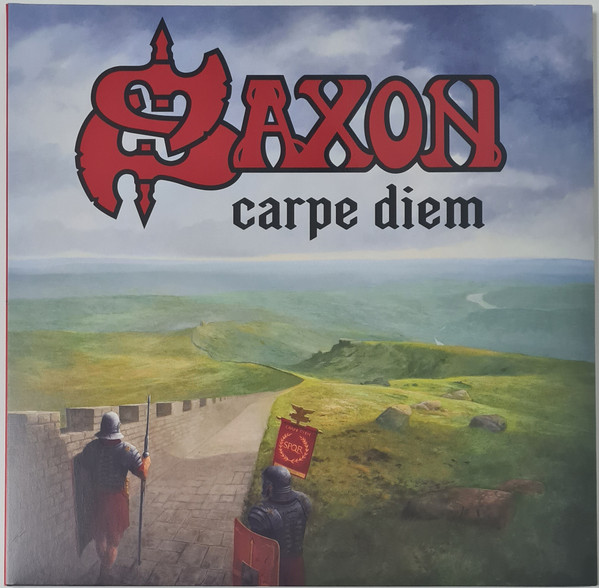
Carpe Diem
2022

The Inner Sanctum
2007
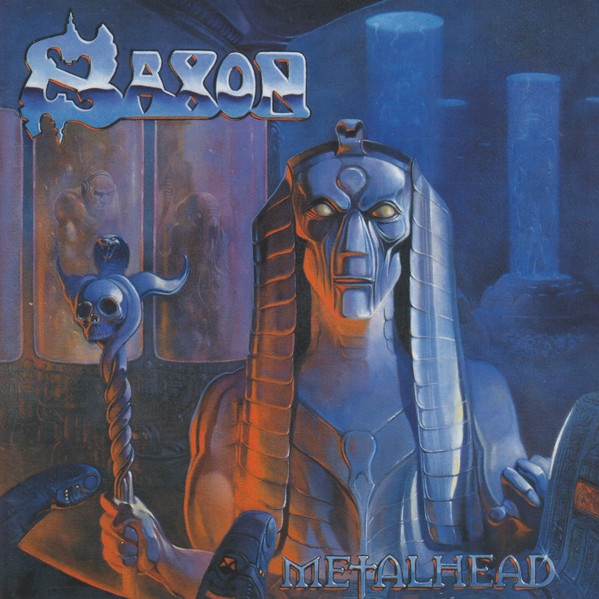
Metalhead
1999

Saxon
1979

Hell, Fire And Damnation
2024
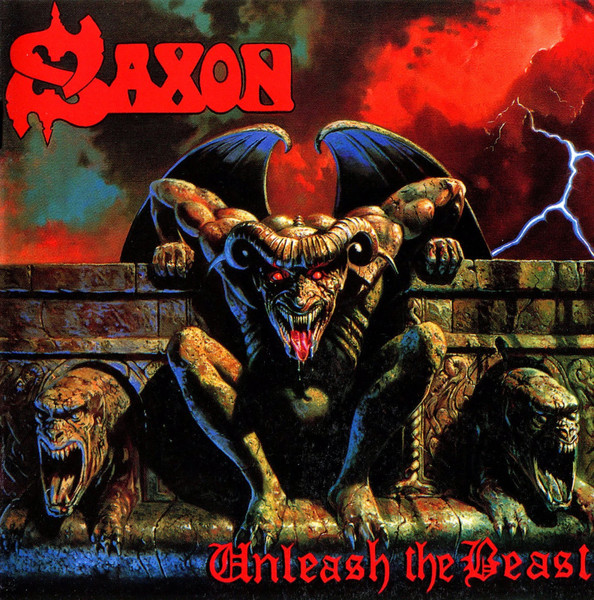
Unleash The Beast
1997
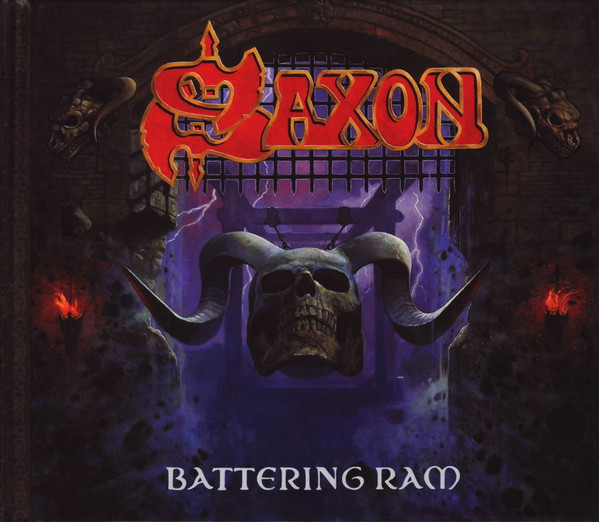
Battering Ram
2015

Call To Arms
2011

Into The Labyrinth
2009
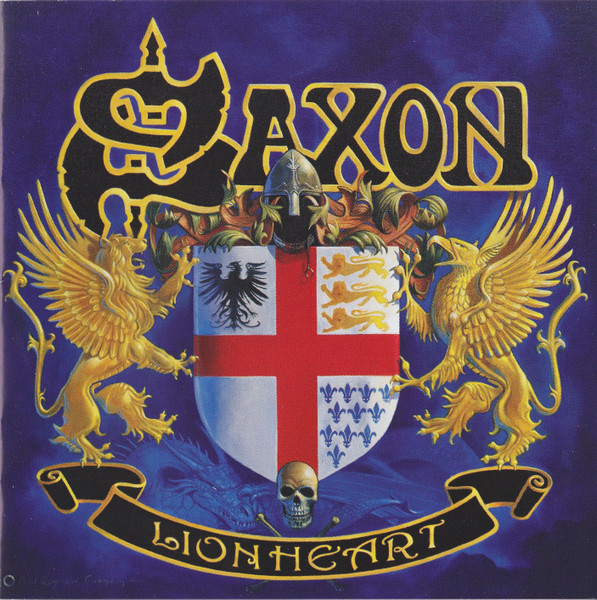
Lionheart
2004
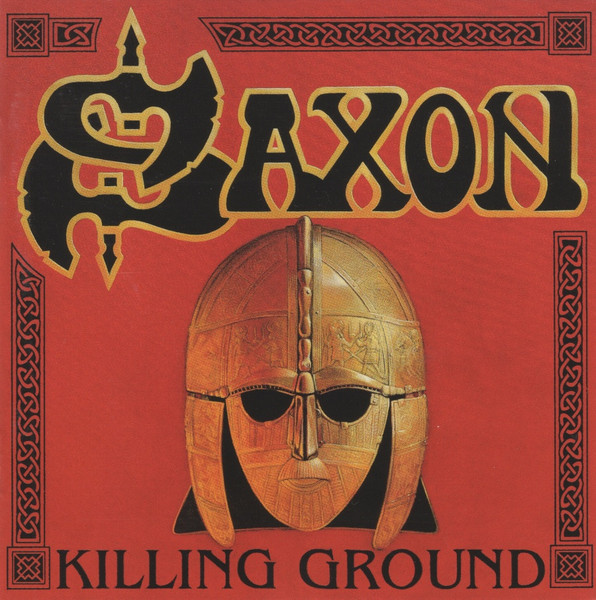
Killing Ground
2001
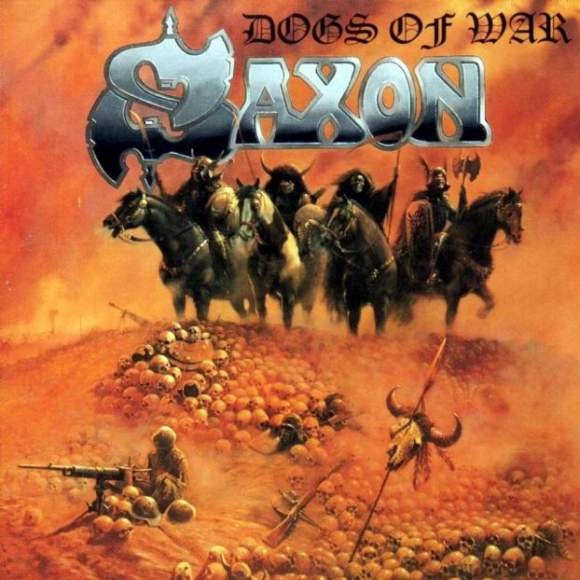
Dogs Of War
1995

Forever Free
1992
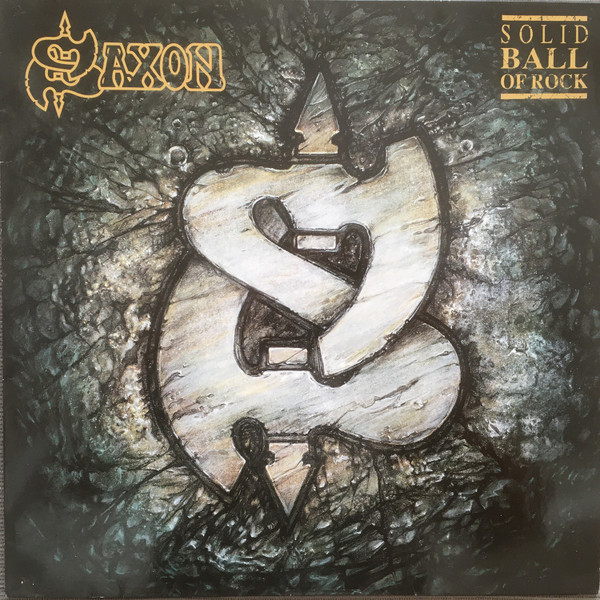
Solid Ball Of Rock
1990
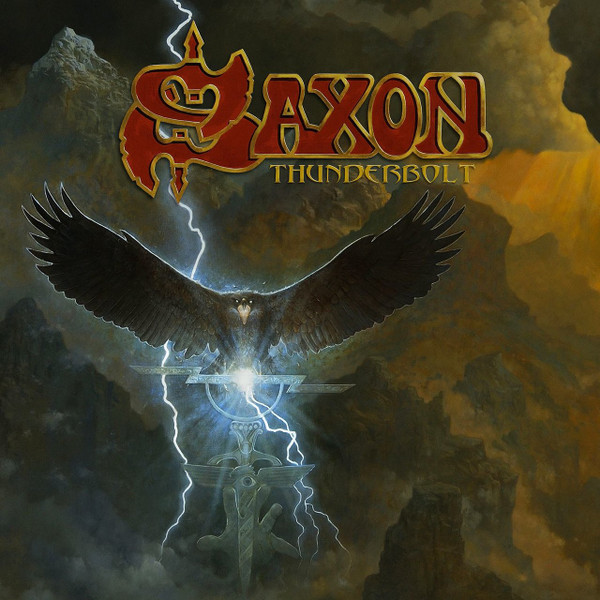
Thunderbolt
2018
Related artists
Around the web
Follow every record they touch.
Start your shelf and Gatefold tracks Saxon's new pressings, tour dates, and the whole discography — automatically.
Start your shelf →Free forever. Works with 10 records or 10,000.