
Artist
福居良
Japanese jazz pianist
Biratori, Japan · 1948 – 2016
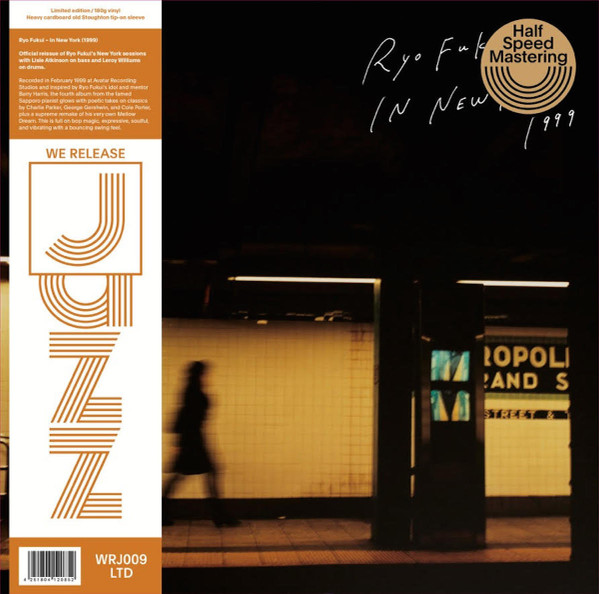
福居良 is a musician from Biratori, Japan, active 1948–2016. Their discography on Gatefold includes 1 record.

1
Albums tracked
11
In collections
1948
Since
Biography
Ryo Fukui didn't touch a piano until he was twenty-two years old. Self-taught, obsessing over Barry Harris voicings in Hokkaido while the rest of the Tokyo jazz scene was chasing post-bop fury or fusion paychecks. When he tracked 'Scenery' in 1976 for Trio Records, he had only been playing the instrument for six years. That limitation became the entire aesthetic: zero gratuitous flash, heavy left-hand stride mechanics, and an unhurried, muscular approach to standard hard bop. He spent most of his life running his own jazz club, Slowboat, up in Sapporo instead of fighting for prestige in Tokyo. The YouTube algorithm randomly resurrected him decades later to turn him into a meme for lo-fi beats kids, but the playing behind the hype is dead serious. Fukui was a pure disciple of the American bebop tradition who treated every standard like a piece of structural architecture.
Bio from The Clerk
The Arc of 福居良
The pivots — what forced 福居良 to reinvent.
The Sapporo Trio Years
Fukui cut 'Scenery' in 1976 and 'Mellow Dream' in 1977 alongside bassist Satoshi Denpo and drummer Yoshinori Fukui. Recorded for the Trio label, these sessions captured a tight rhythm section locked into lyrical, hard-swinging bop outside the Tokyo studio system. You hear the raw momentum of a self-taught player attacking the keys with relentless forward motion on cuts like 'Early Summer'.
Slowboat and the Barry Harris Studies
After the initial studio run, Fukui pulled back from commercial recording to focus on live performance and opened his club, Slowboat, in Sapporo in 1995. He traveled to New York to study directly under Barry Harris, refining his harmonic language and deepening his command of bebop fundamentals. That transition showed up on 1994's solo effort 'My Favorite Tune', where the frantic drive of his youth settled into deliberate, master-level touch.
Influences
- Barry Harris — Fukui traveled to New York specifically to seek Harris out as a mentor and study his chromatic scale systems. Harris's distinct harmonic rules define the phrasing across Fukui's entire solo catalog. It was pure student-to-master devotion.
- Bud Powell — Powell's percussive right-hand runs and aggressive bop articulation form the foundation of Fukui's self-taught technique. You can hear Powell's direct blueprint in Fukui's blistering tempo and sharp accents on 'Autumn Leaves'.
- Thelonious Monk — Fukui regularly performed Monk compositions, tackling 'Round Midnight' as a recurring centerpiece of his repertoire. He adopted Monk's deliberate use of space, dissonant chord stabs, and heavy-handed rhythmic displacement.
- McCoy Tyner — Tyner's modal power and stacked fourths left an obvious mark on Fukui's heavier dynamic shifts. Fukui channels that modal thunder directly on 'It Could Happen To You', hitting the lower register with massive weight.
- Miles Davis — Davis's mid-fifties Prestige and Columbia work served as the compositional bible for Fukui's trio arrangements. Fukui leaned on the exact standards Miles codified, stripping back excessive solos in favor of tight melodic statements.
Discography
Their records — most-collected first.
Around the web
Follow every record they touch.
Start your shelf and Gatefold tracks 福居良's new pressings, tour dates, and the whole discography — automatically.
Start your shelf →Free forever. Works with 10 records or 10,000.