
Artist
Rush
Toronto, Canada
Rush is a music group from Toronto, Canada. Their discography on Gatefold includes 24 records.

54
Albums tracked
1,555
In collections
—
Since
Biography
John Rutsey was too sick with diabetes to tour the States, so he got swapped for a guy who showed up to the audition in shorts with his drums in the back of a beat-up truck. That was the end of the Zeppelin-ripoff era. Neil Peart didn’t just bring a bigger kit; he brought Ayn Rand paperbacks and a weird obsession with precision that forced Geddy and Alex to stop jamming and start calculating. They spent the late seventies locked in places like Rockfield Studios in Wales, trying to see how many time signatures they could cram into a side of vinyl before the label pulled the plug. Then the eighties hit and they tried to become a police-style reggae-new-wave band with a wall of Oberheim synths. It nearly buried Alex Lifeson’s guitar work under a mountain of digital reverb and hairspray. They spent a decade fighting over whether they were a rock power trio or a synth-pop experiment. It took a string of unimaginable personal tragedies for Peart and a long hiatus before they realized they didn't need the bells and whistles—they just needed to play like the world was ending.
Bio from The Clerk
The Arc of Rush
The pivots — what forced Rush to reinvent.
The 2112 Gamble
Mercury Records was ready to drop them after Caress of Steel flopped, so the band ignored the 'shorter songs' mandate and turned in a side-long suite about a dystopian future. They tracked it at Toronto Sound Studios with Terry Brown, doubling down on the high-concept prog that should have killed their career. Instead, the defiance saved them. You can hear the desperation in Geddy’s screeching vocals and the raw, unpolished bite of Lifeson’s ES-335 before they got too comfortable with studio magic.
The Moving Pictures Polish
By 1981, they ditched the twenty-minute epics for the tight, cinematic production of Le Studio in Quebec. They started using the studio as an instrument, layering Taurus pedals and Minimoogs to fill the gaps between the guitar and drums. This was the moment they figured out how to be radio-friendly without losing the odd time signatures. It’s the peak of their technical powers where the songwriting finally caught up to the chops.
The Synth Suffocation
Peter Collins came in to produce Power Windows and shifted the entire dynamic toward digital sequencers and heavy keyboard layering. Alex Lifeson has been vocal about feeling sidelined during this run, as his guitar was often relegated to rhythmic stabs and textural washes. The compositions became dense and brittle, trading the warm grit of their seventies records for a cold, clinical sheen that defined their mid-to-late eighties output. It was a massive technical achievement that often felt like it was missing a heartbeat.
The Vapor Trails Resurrection
After five years away following the deaths of Peart’s daughter and wife, the band returned to the studio with no synthesizers and a massive chip on their shoulder. The resulting record was mastered so hot it clipped, a distorted mess of grief and volume that abandoned all the polish of the previous two decades. It was the first time they sounded like a garage band since 1974. They spent the rest of their career chasing that rediscovered heavy saturation, culminating in the steampunk-concept swan song of Clockwork Angels.
Influences
- The Who — Geddy Lee has cited John Entwistle as the primary reason he plays a lead-style bass. You hear it in the aggressive, trebly clank of his Rickenbacker 4001, treated as a melodic instrument rather than a rhythm anchor. They covered 'The Seeker' on their Feedback EP as a direct nod to that foundational power-trio energy.
- Led Zeppelin — The first album is basically a Jimmy Page tribute act recorded in a frantic session after their first choice of producer didn't work out. Lifeson’s early solo style and Geddy’s high-register wail were modeled directly on the Page-Plant dynamic. Even the early riffs like 'Working Man' are built on that heavy, blues-based English swagger.
- Cream — They started as a blues-rock trio obsessed with the improvisational freedom of the Ginger Baker-Jack Bruce-Eric Clapton lineup. The interplay on long instrumental breaks like 'La Villa Strangiato' traces back to the high-volume jamming Cream did on their live discs. It’s the blueprint for three guys trying to sound like six.
- Yes — Geddy Lee specifically pointed to Chris Squire’s work on Fragile as the catalyst for the band’s shift into progressive structures. The heavy use of Moog synthesizers and the complex, multi-part arrangements on A Farewell to Kings wouldn't exist without the Rick Wakeman era of Yes. They took the British prog artifice and gave it a harder, North American edge.
- The Yardbirds — The band’s early sets in Toronto bars were filled with Yardbirds covers like 'Shapes of Things' and 'Heart Full of Soul.' You can hear that frantic, proto-psychedelic blues influence in the way Lifeson handles feedback and fast, minor-pentatonic runs. They were chasing that 'Rave Up' energy long before they started writing about starships.
Discography
Their records — most-collected first.
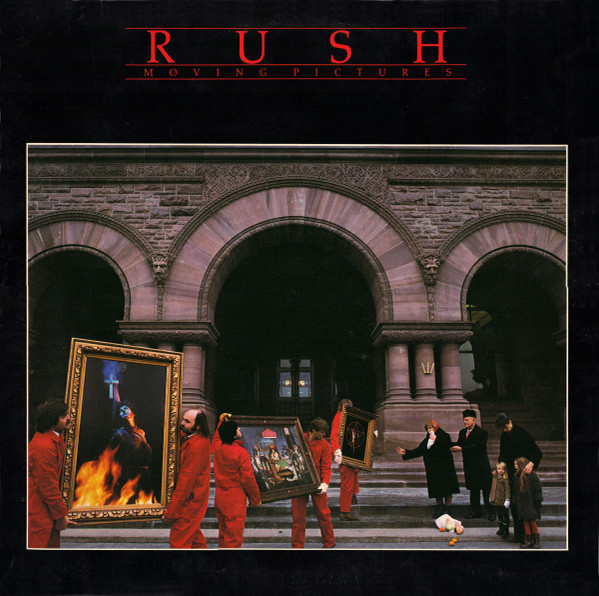
Moving Pictures
1981
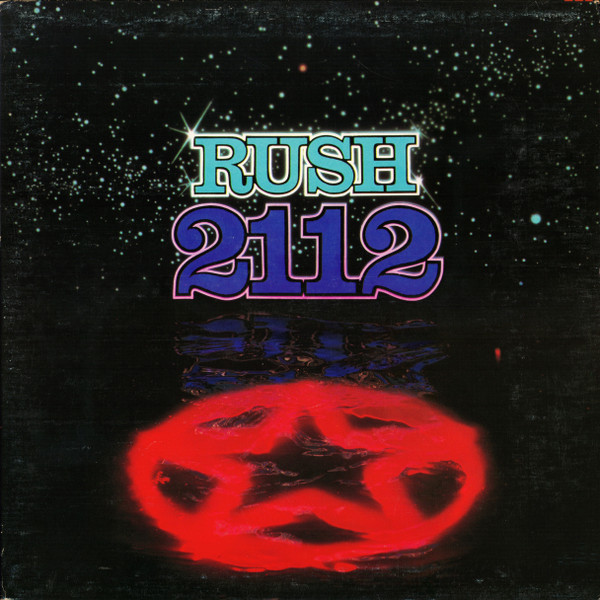
2112
1976
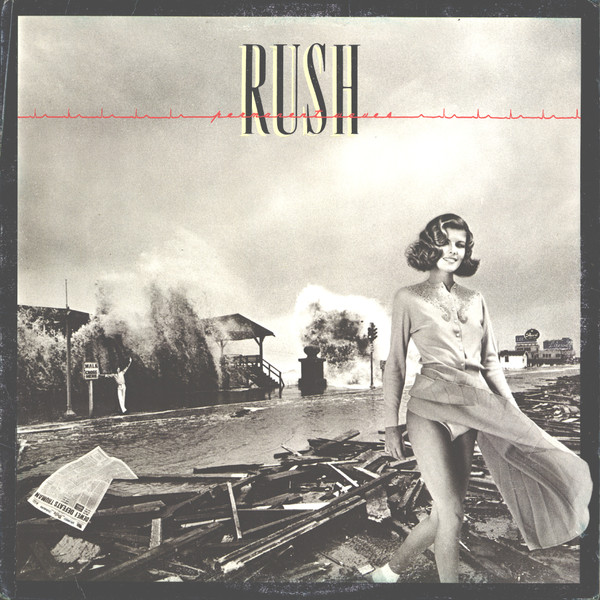
Permanent Waves
1980
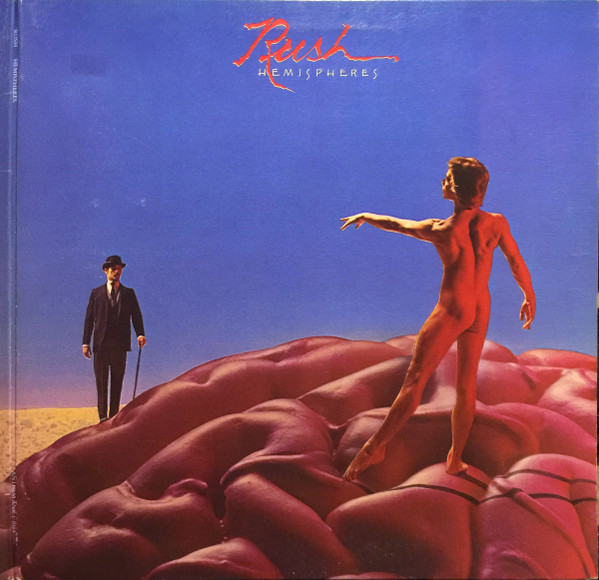
Hemispheres
1978
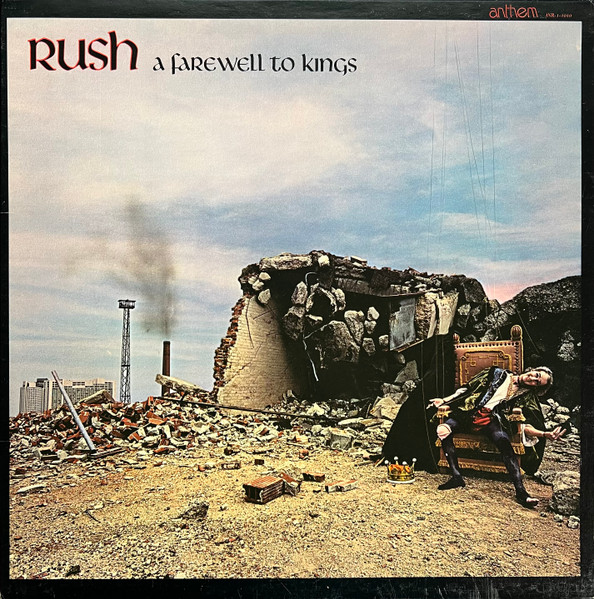
A Farewell To Kings
1977
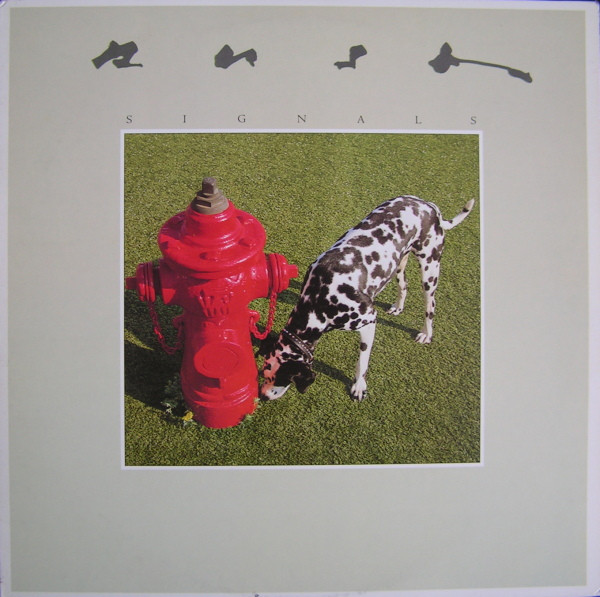
Signals
1982
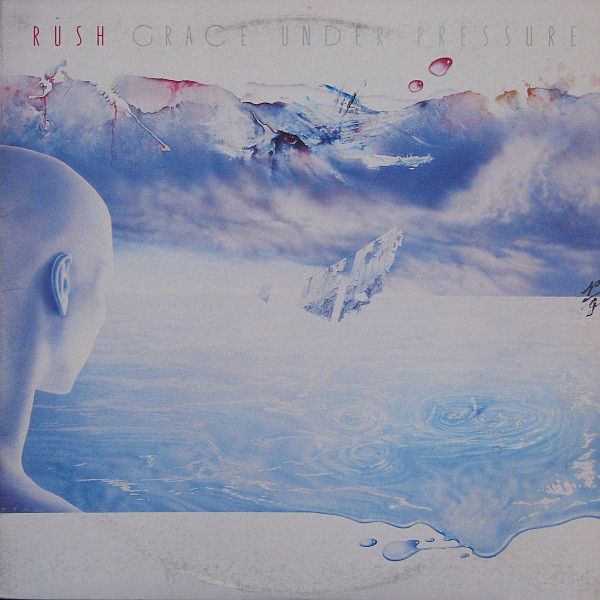
Grace Under Pressure
1984
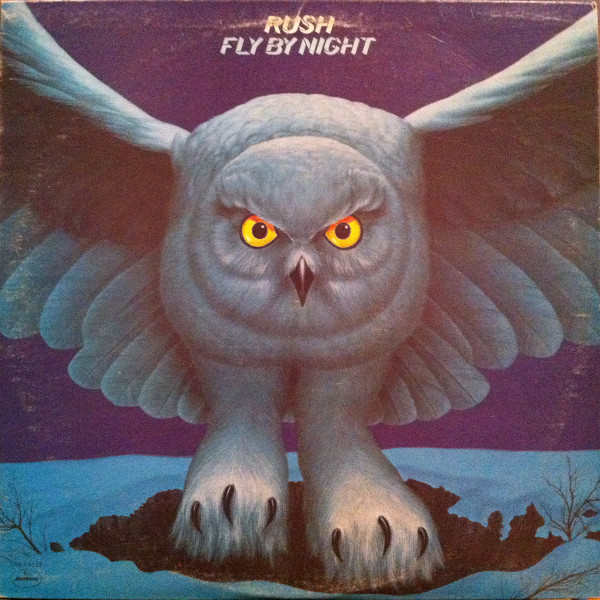
Fly By Night
1975
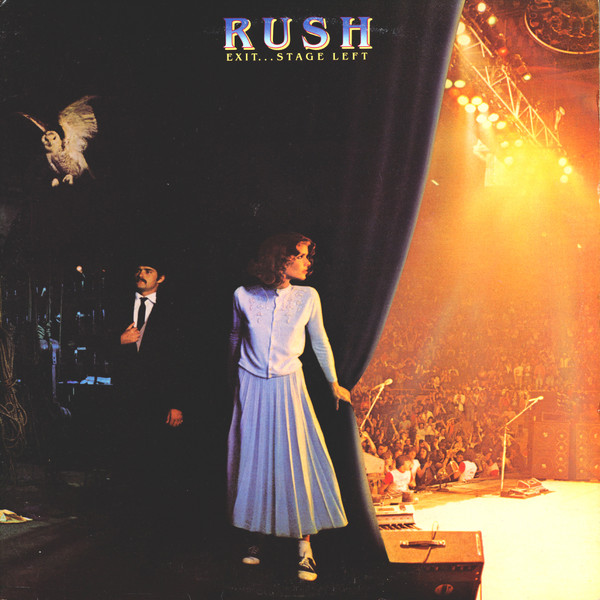
Exit...Stage Left
1981
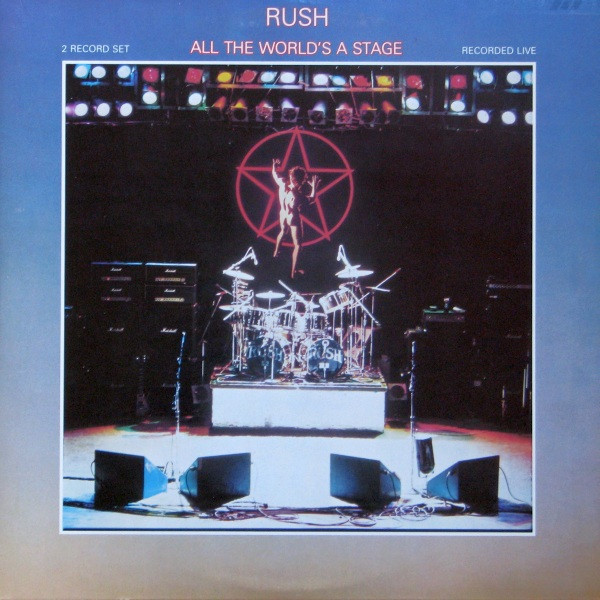
All The World's A Stage
1976
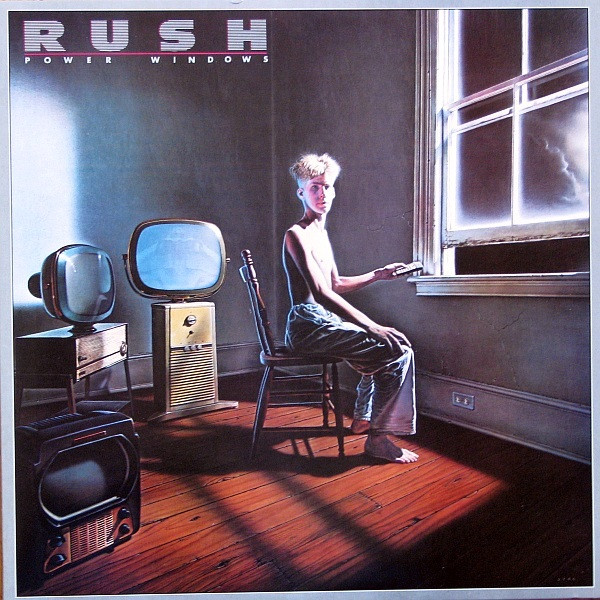
Power Windows
1985
Rush
1974
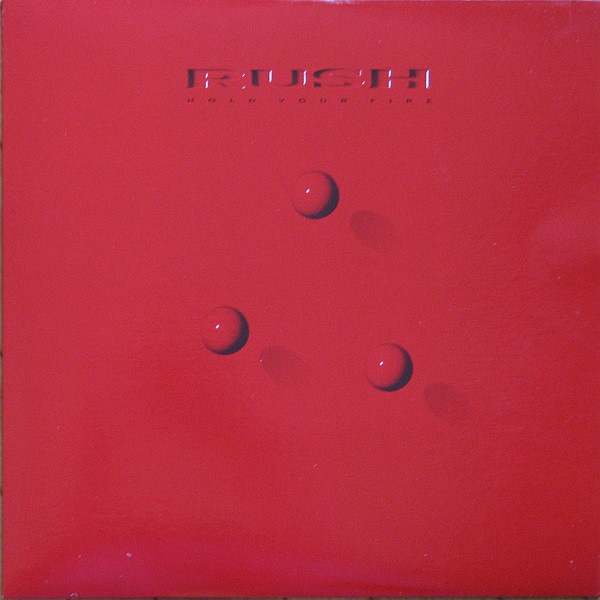
Hold Your Fire
1987
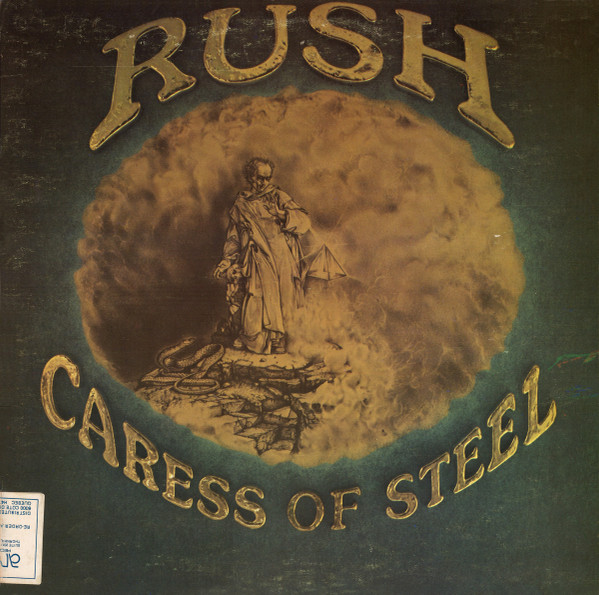
Caress Of Steel
1975
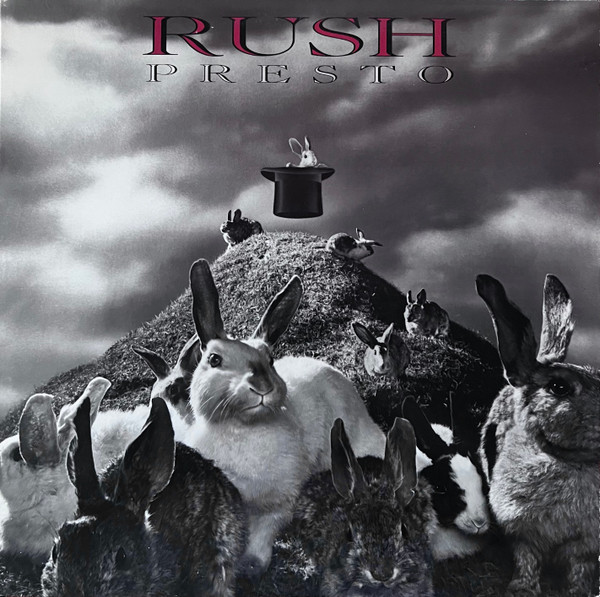
Presto
1989
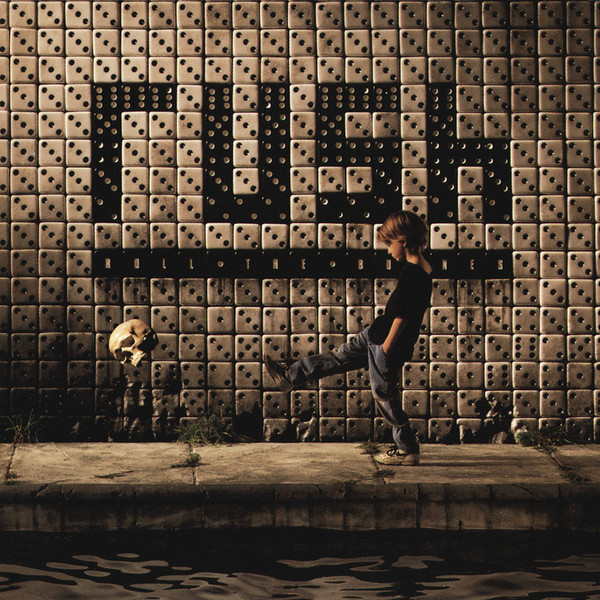
Roll The Bones
1991

Vapor Trails
2002
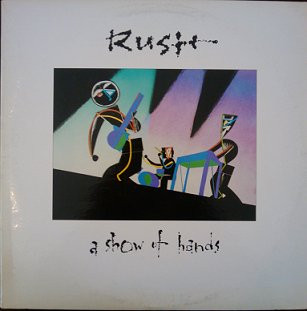
A Show Of Hands
1989
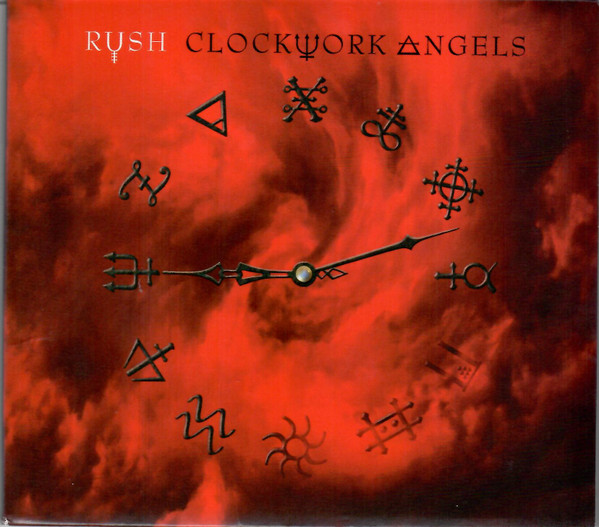
Clockwork Angels
2012
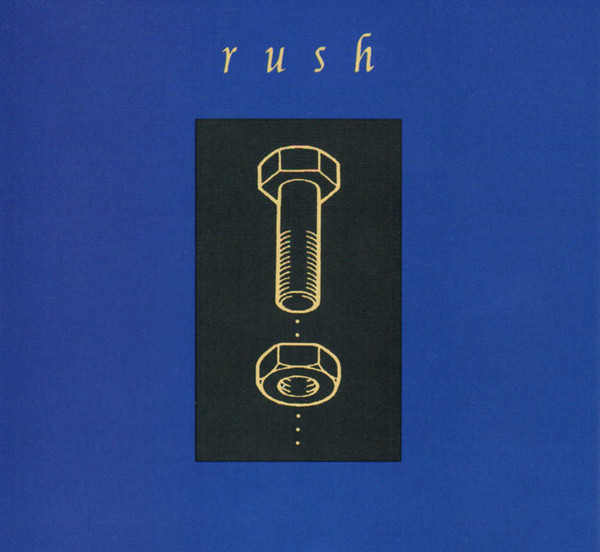
Counterparts
1993

Test For Echo
1996

Snakes & Arrows
2007
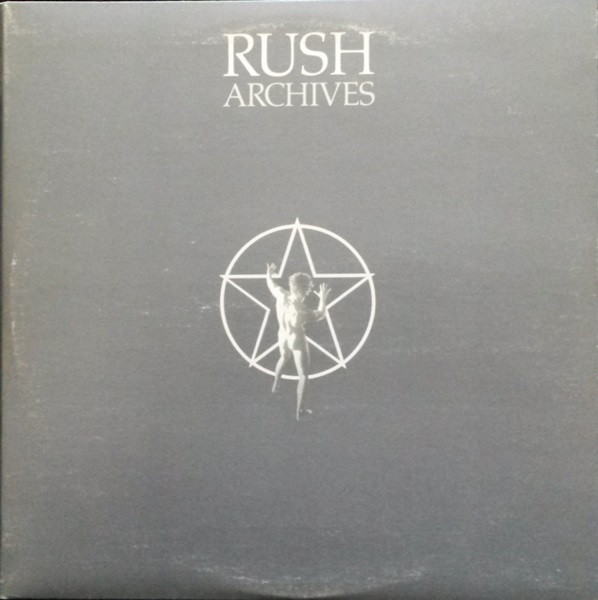
Archives
1978

Feedback
2004
Related artists
Frequent collaborators
Around the web
Follow every record they touch.
Start your shelf and Gatefold tracks Rush's new pressings, tour dates, and the whole discography — automatically.
Start your shelf →Free forever. Works with 10 records or 10,000.