
Artist
Riverside
Warsaw, Poland
Riverside is a music group from Warsaw, Poland. Their discography on Gatefold includes 20 records.

20
Albums tracked
48
In collections
—
Since
Biography
Mariusz Duda and Piotr Kozieradzki started this thing in a car in Warsaw, obsessing over Marillion and Tool while the rest of the Polish scene was busy trying to be the next Vader or Behemoth. They tracked Out of Myself at DBX Studio with Jacek Melnicki, and you can hear the hardware struggle in those early takes—the keys sound thin, but Duda’s bass carries the weight. It wasn’t just about the notes; it was about the space between them. They were a prog band that actually understood silence, which is a hell of a lot rarer than a band that knows how to play in 7/8. They hit a wall after Piotr Grudziński died suddenly in 2016. He was the melodic anchor, the guy playing those Gilmour-esque leads that kept the songs from drifting into academic wankery. They could have folded, but they spent years as a trio, figuring out how to fill that hole with Hammond organs and thicker synth pads before finally bringing Maciej Meller in as a full-time member. It shifted the DNA from heavy-handed metal to something leaner and more atmospheric. They stopped trying to out-crunch the competition and started writing actual songs again.
Bio from The Clerk
The Arc of Riverside
The pivots — what forced Riverside to reinvent.
The Reality Dream Trilogy
Between 2003 and 2007, the band worked through a conceptual arc that defined the early Polish prog-metal sound. These sessions at Serakos Studio leaned heavily on Melnicki’s and later Michał Łapaj's analog synth textures to offset the jaggedness of the riffs. You hear a band trying to bridge the gap between 70s space-rock and 90s alternative, moving from the raw, low-budget grit of their debut to the polished, multi-tracked density of Rapid Eye Movement. It was the sound of a group finding their legs while the label, InsideOut, was just starting to realize they had a legitimate international draw on their hands.
The Heavy Shift
By the time Anno Domini High Definition dropped in 2009, the band traded the long-winded atmospheric builds for shorter, aggressive bursts recorded at Studio 7. This was their 'metal' pivot, driven by a desire to match the energy of their live shows where the older material felt too fragile. Grudziński’s guitar tone got filthier and the tempos tightened up, moving away from the Pink Floyd comparisons and toward a more urgent, technical urgency. It’s the tightest they ever sounded on tape, stripping away the cinematic fluff for a more muscular, Hammond-driven attack.
The Post-Tragedy Reconstruction
After the loss of Grudziński, the band moved into a vulnerable, experimental phase that culminated in the Wasteland sessions. Without their primary guitarist, Duda took over more of the melodic heavy lifting on the piccolo bass and acoustic guitar, resulting in a desolate, western-tinged sound. The production got drier and more organic, moving away from the digital sheen of the previous decade. It was a forced evolution that stripped the band down to its studs, proving they could sustain the tension without the signature lead guitar swells that had defined them for fifteen years.
Influences
- Pink Floyd — Duda has explicitly cited the 'Meddle' era as the blueprint for their use of negative space. You hear it in the long, atmospheric intros of the Reality Dream suite. Grudziński’s vibrato and sustain were basically a masterclass in Gilmour worship.
- Marillion — The band frequently cites the Hogarth-era as a major touchstone for their melodic sensibilities. The emotional phrasing in Duda’s vocals mirrors Hogarth’s dynamic range rather than the operatic style of traditional metal. It’s the difference between screaming and storytelling.
- Porcupine Tree — Before they even released a record, the band members were regulars at Steven Wilson's early Polish shows. You hear the influence in how they integrate electronic textures and soundscapes into a traditional rock quartet lineup. They took the 'Signify' era's moody tension and ran with it.
- Tool — The rhythmic interplay between Kozieradzki and Duda on tracks like 'Second Life Syndrome' is a direct nod to the Carey/Chancellor school of syncopation. Duda often uses a heavily processed, distorted bass tone that serves as a melodic lead, much like Justin Chancellor. It keeps the low end from just being a foundation.
- Deep Purple — Michał Łapaj’s heavy use of the Hammond Leslie 122 speaker cabinet is a direct tribute to Jon Lord. Riverside might be a prog band, but the organ growl on ADHD is pure 1970s hard rock. It gives their modern production a much-needed vintage grit.
Discography
Their records — most-collected first.

Wasteland
2018
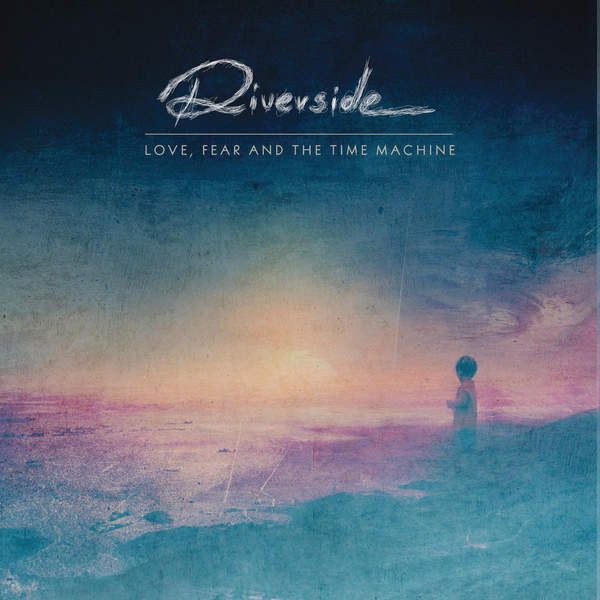
Love, Fear And The Time Machine
2015

Shrine Of New Generation Slaves
2013

One
1992
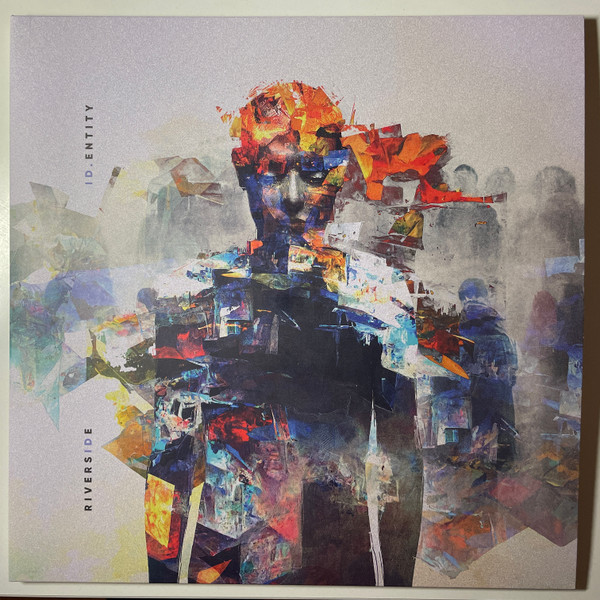
ID.Entity
2023

Anno Domini High Definition
2009

Second Life Syndrome
2005
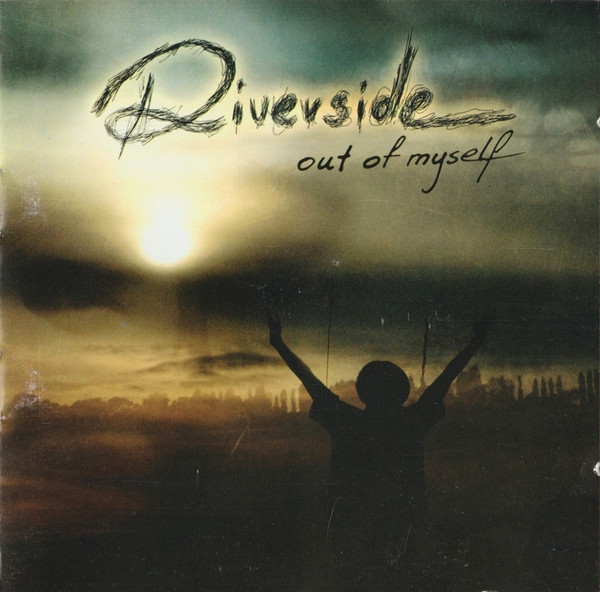
Out Of Myself
2003

Taste
2002

Live ID.
2025

Eye Of The Soundscape
2016

Memories In My Head
2011
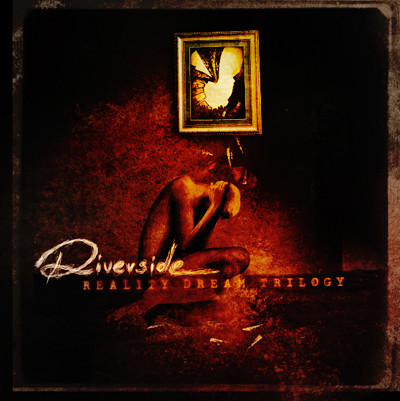
Reality Dream Trilogy
2011

Voices In My Head
2005

Woodstock Festival Poland 2011
2024

Live Acoustic
2021

Wasteland Tour 2018 - 2020
2020

Lost 'n' Found - Live In Tilburg
2017
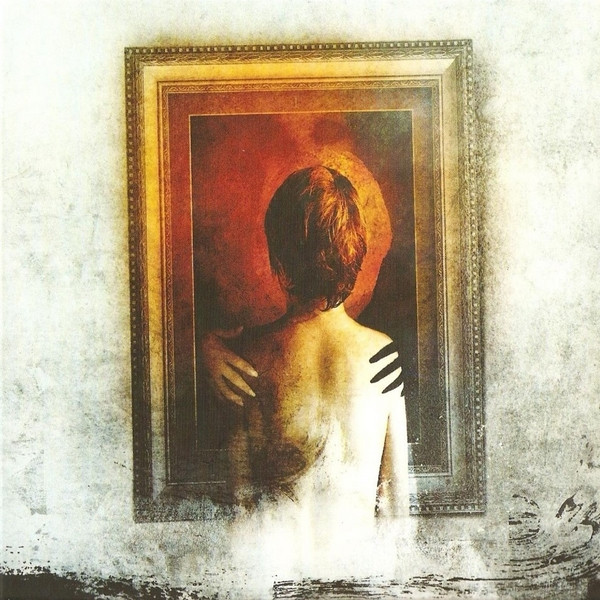
Reality Dream
2008

Rapid Eye Movement
2007
Related artists
Around the web
Follow every record they touch.
Start your shelf and Gatefold tracks Riverside's new pressings, tour dates, and the whole discography — automatically.
Start your shelf →Free forever. Works with 10 records or 10,000.