
Artist
Renaissance
London, United Kingdom · 1969 – 2002
Renaissance is a music group from London, United Kingdom, active 1969–2002. Their discography on Gatefold includes 24 records.

29
Albums tracked
70
In collections
1969
Since
Biography
Keith Relf and Jim McCarty walked away from The Yardbirds to build an art-rock band with acoustic guitars and classical quotes, only to abandon the entire project after two records. By 1972, not a single founding member remained in the lineup. Most groups collapse under that kind of complete identity theft. Instead, guitarist Michael Dunford and keyboardist John Tout rebuilt the engine around Annie Haslam’s five-octave vocal range, ditching the heavy blues-rock baggage entirely for grand, orchestral folk-prog. Between 1973 and 1978, they pulled off something absurd: no electric lead guitar heroics, heavy acoustic piano, Betty Thatcher's poetic lyrics, and full symphonic backing arranged by Louis Clark. When they were locked in on records like Scheherazade and Other Stories, it sounded massive without ever turning into bombastic arena sludge. Then the 1980s showed up, the orchestra money dried up, and they tried to play new wave with synths. It didn't work, but that mid-seventies symphonic run remains untouchable.
Bio from The Clerk
The Arc of Renaissance
The pivots — what forced Renaissance to reinvent.
The Yardbirds Exodus
Keith Relf and Jim McCarty wanted out of the loud rhythm-and-blues grind, forming the original lineup in 1969 with Jane Relf, Louis Cennamo, and John Hawken. They cut Renaissance and parts of Illusion before touring burnout and internal friction blew the band apart before they could capitalize on the sound. By 1971, the founders were gone, leaving a hollowed-out name that had to be completely rebuilt from scratch.
The Haslam-Dunford Golden Run
With Annie Haslam stepping up to the mic alongside Michael Dunford, John Tout, Jon Camp, and Terry Sullivan, the group found its real voice on 1972's Prologue. Ashes Are Burning and Turn of the Cards locked in their signature formula: intricate acoustic guitars, aggressive basslines, and sweeping classical lifts instead of blues solos. Bringing in the Royal Philharmonic Orchestra for Scheherazade cemented a five-year stretch of uncompromising, symphonic prog.
The Synth-Pop Compromise
The arrival of punk and massive orchestral recording debts forced a desperate pivot by the dawn of the eighties. John Tout and Terry Sullivan walked out, leaving the remaining core to hire new players and pivot toward synth-heavy new wave on Camera Camera and Time-Line. The grand acoustic pianos were replaced by thin synthesizers and dated drum machines, stripping away the exact drama that made them distinct.
Influences
- The Yardbirds — Jim McCarty and Keith Relf formed Renaissance directly after quitting The Yardbirds in 1969 to chase a more acoustic, melodic sound. You hear the final transition point on early tracks like 'Kings and Queens,' where blues-rock energy gets reframed through piano. It was the direct reaction against the volume wars of their previous band.
- Pyotr Ilyich Tchaikovsky — Classical motifs were the structural bedrock of Renaissance's seventies arrangements. They lifted the theme from Tchaikovsky's Sixth Symphony outright for the intro to 'Cold Is Being' on Turn of the Cards. It set the standard for their habit of borrowing heavily from 19th-century Romanticism rather than traditional blues.
- Sergei Rachmaninoff — John Tout's piano styling was directly modeled on late Romantic concertos. On 'Prologue' and throughout Ashes Are Burning, Tout routinely quoted Rachmaninoff's Prelude in C-sharp minor to anchor their long-form pieces. It gave the rhythm section a dense, classical weight that replaced the need for distorted electric guitars.
- Joan Baez — Annie Haslam's pure, soaring soprano and vibrato technique drew heavy direct inspiration from the early-sixties American folk boom. You hear that clean, unforced folk delivery across delicate acoustic tracks like 'Carpet of the Sun.' It kept the band grounded in folk clarity even while full orchestras swelled around her.
- Maurice Ravel — The group's approach to long-form orchestral layering was explicitly patterned on Ravel's impressionistic composition. On the epic 'Song of Scheherazade,' arranger Louis Clark and the band mirrored the rhythmic pacing and woodwind voicings of Boléro. It made their epics feel like staged classical suites rather than stitched-together rock jams.
Discography
Their records — most-collected first.
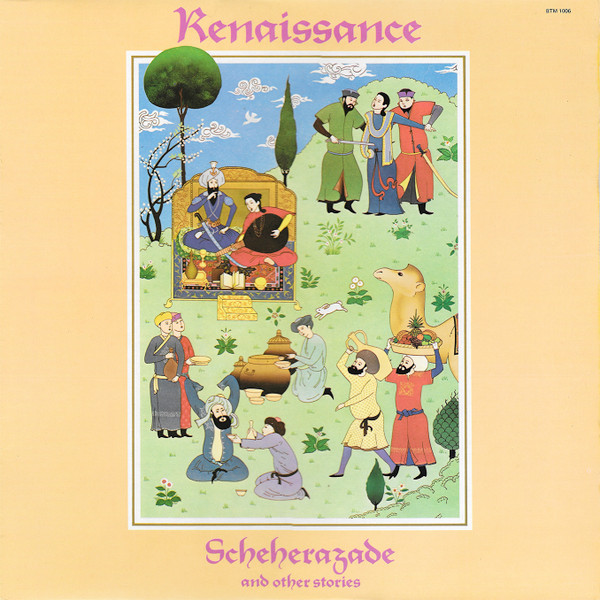
Scheherazade And Other Stories
1975
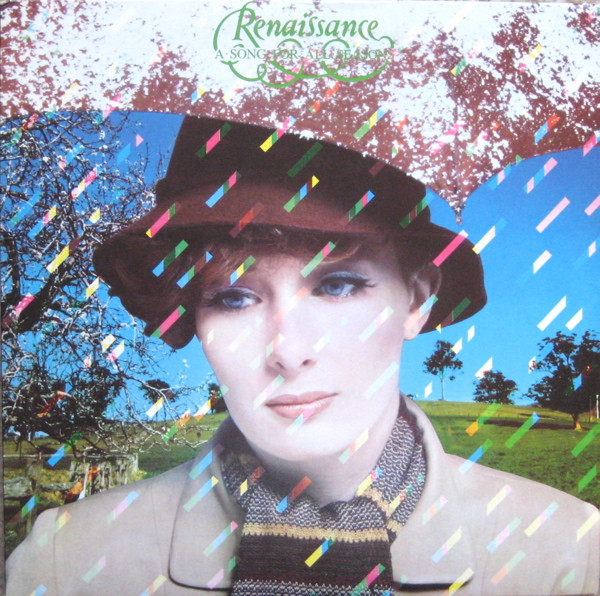
A Song For All Seasons
1978
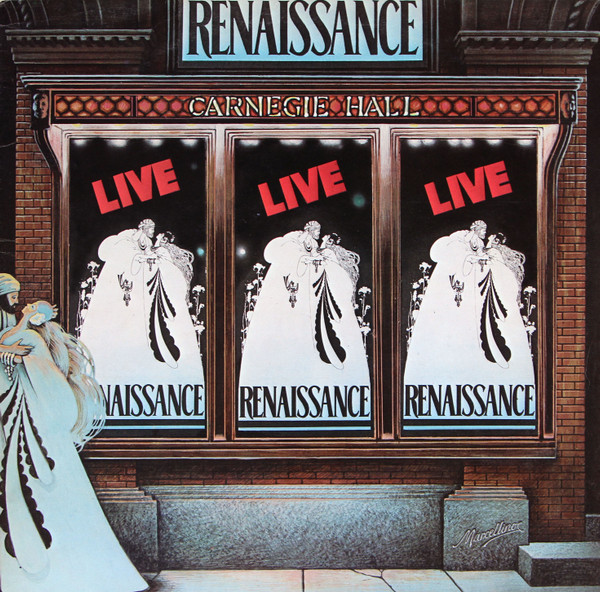
Live At Carnegie Hall
1976
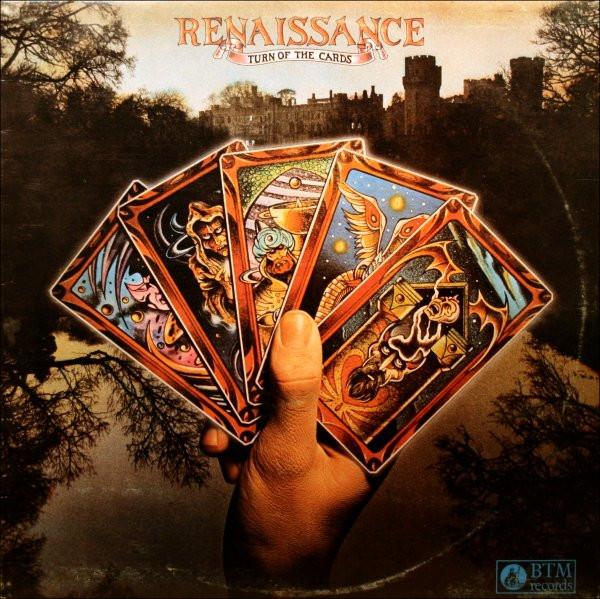
Turn Of The Cards
1974
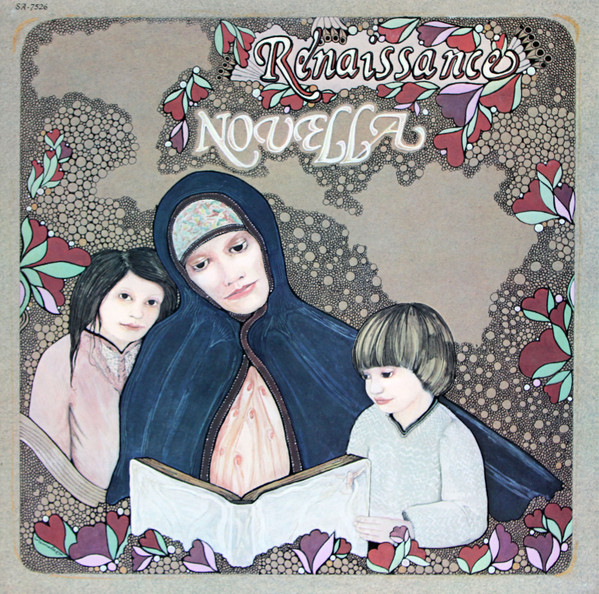
Novella
1977
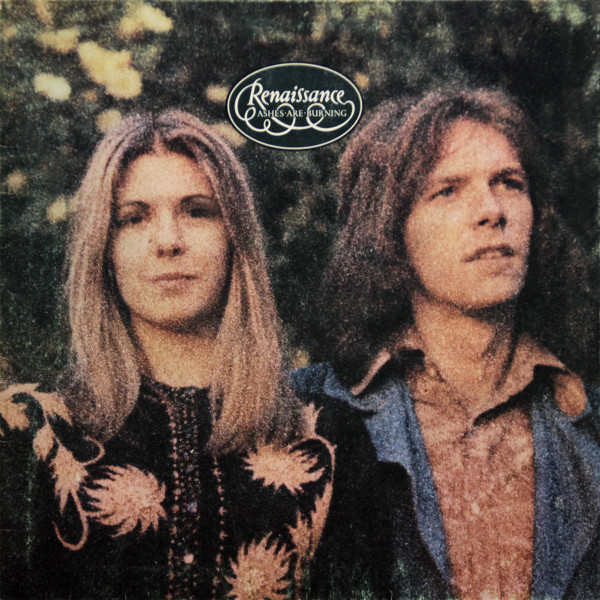
Ashes Are Burning
1973

Prologue
1972

Renaissance
1969

Azure D'or
1979
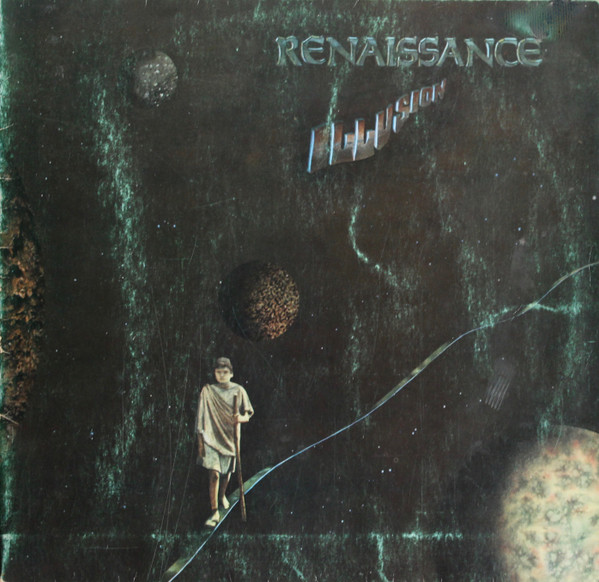
Illusion
1971

Tales Of 1001 Nights · Vol. II
1990
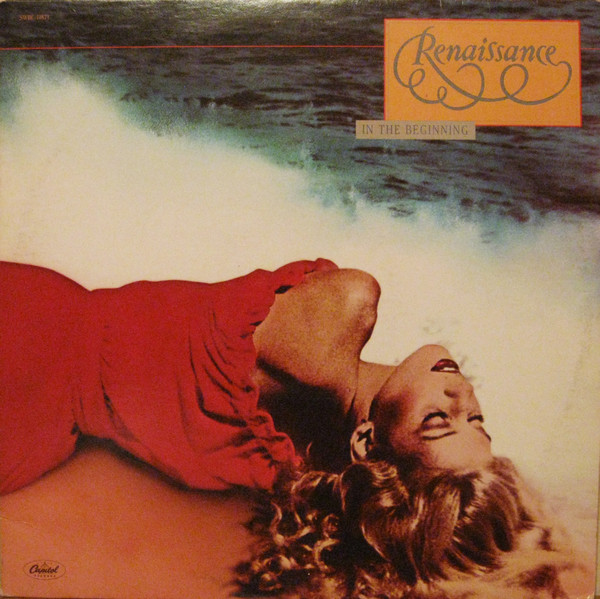
In The Beginning - Prologue / Ashes Are Burning
1978

Can You Hear Me Broadcasts 1974-1978
2024
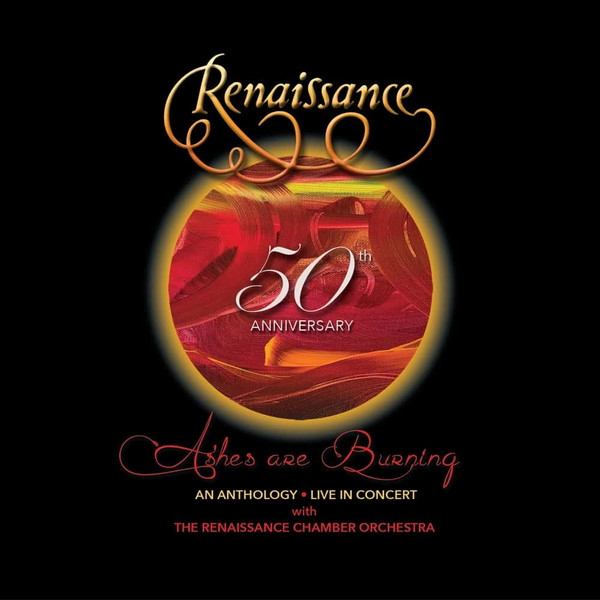
50th Anniversary (Ashes Are Burning • An Anthology • Live In Concert)
2021

DeLane Lea Studios 1973
2015

Academy Of Music 1974
2015

Grandine Il Vento
2013

Past Orbits Of Dust
2012

The Mystic And The Muse
2010

British Tour '76
2006

Tuscany
2001

'Unplugged' 'Live' At The Academy Of Music, Philadelphia USA
2000
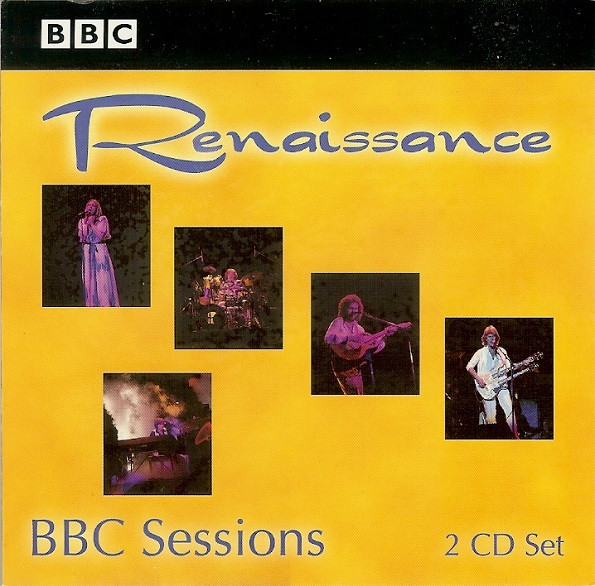
BBC Sessions
1999
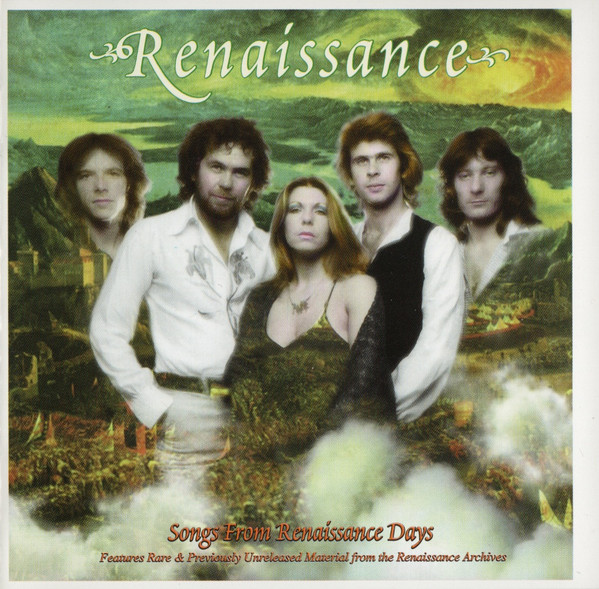
Songs From Renaissance Days
1997
Related artists
Around the web
Follow every record they touch.
Start your shelf and Gatefold tracks Renaissance's new pressings, tour dates, and the whole discography — automatically.
Start your shelf →Free forever. Works with 10 records or 10,000.