
Artist
Radiohead
Abingdon-on-Thames, United Kingdom · Formed 1991
Radiohead is a music group from Abingdon-on-Thames, United Kingdom, active since 1991. Their discography on Gatefold includes 24 records.

48
Albums tracked
2,043
In collections
1991
Since
Biography
The label almost killed this band before they even got started by pushing 'Creep' until the guys couldn't stand the sight of their own instruments. They spent the early nineties trapped in a cycle of being the 'British Nirvana' while Thom Yorke was busy having a nervous breakdown over the idea of being a stadium rock puppet. John Leckie finally got them to stop overthinking in the studio for The Bends, but even then, they were just one bad session away from becoming a footnote. Everything changed when they took the advance for OK Computer and bought a mobile recording rig to set up in a haunted mansion owned by Jane Seymour. Nigel Godrich stopped being an engineer and became the sixth member of the band, letting them treat the studio itself as a weapon rather than a cage. They stopped trying to write anthems and started capturing the sound of computers failing and people losing their minds in the digital age. It wasn't a career move—it was a survival tactic that accidentally made them the biggest thing on the planet.
Bio from The Clerk
The Arc of Radiohead
The pivots — what forced Radiohead to reinvent.
The Canyon of Rock
By the time they hit St. Catherine's Court to track OK Computer, the band was done with traditional studios and the pressure of a ticking clock. Nigel Godrich encouraged them to record in hallways and ballrooms to capture the natural, terrifying reverb of the house. You hear the shift from standard alt-rock to a panoramic, paranoid mess of Mellotrons and Filmosound amps. It was the moment they realized they could be as big as Pink Floyd without having to play by the rules of the pop charts.
The Great Deconstruction
After touring for two years straight, Yorke couldn't even pick up a guitar without getting sick, so he bought an Ensoniq ASR-10 sampler and started messing with modular synths. The band spent months in Paris and Copenhagen not even playing together, instead focused on loops and bit-crushed textures that eventually became Kid A. Phil Selway had to learn how to play like a drum machine while Jonny Greenwood started scoring for Ondes Martenot. It felt like a suicide note to their fanbase, but it ended up being the blueprint for how a rock band survives the twenty-first century.
The Ransom Note
When their contract with EMI finally expired, they didn't even bother looking for a new deal and instead self-released In Rainbows with a pay-what-you-want digital download. They moved the operation to a decaying mansion called Tottenham House and focused on a warmer, punchier sound that dropped the cold electronics for thick basslines and dry drums. The freedom of not having a label breathing down their necks resulted in their most focused set of songs since the nineties. It proved they didn't need the corporate machine to move units or stay relevant.
Influences
- Can — Yorke has cited the groove-heavy repetition of 'Vitamin C' as the primary motivation for the band's rhythm section during the Kid A sessions. You can hear Jaki Liebezeit’s metronomic, jazz-inflected drumming style all over 'The National Anthem' and 'Morning Bell.' They traded the standard rock backbeat for that locked-in Krautrock motorik pulse.
- Pixies — The loud-quiet-loud dynamic of Doolittle is the entire reason 'Creep' exists, with Jonny Greenwood famously trying to sabotage the song with those stabs of guitar noise. Before they got weird, they were just kids trying to emulate Black Francis’s scream and Joey Santiago’s angular lead lines. It’s the DNA of every guitar part Ed O’Brien played before 1997.
- Talking Heads — The band literally named themselves after the song 'Radio Head' from the True Stories album. They obsessed over the jittery, nervous energy of David Byrne and the way Brian Eno used the studio to layer polyrhythms. That sense of art-school detachment and rhythmic complexity is the backbone of everything they’ve done since the mid-nineties.
- R.E.M. — Michael Stipe took the band under his wing during the Monster tour and taught Yorke how to handle the psychological toll of fame. You hear the influence in the cryptic, mumbled lyrics of the early records and the way the band values the 'democracy' of the five-piece unit. Without Stipe’s mentorship, they probably would have imploded during the OK Computer tour.
- Charles Mingus — The chaotic brass section on 'Life in a Glasshouse' was a direct attempt to capture the 'organized chaos' of Mingus’s jazz compositions. Jonny Greenwood is a noted devotee, often using Mingus-style arrangements to create tension and dissonance in their later orchestral work. It’s why their brass never sounds like a standard horn section—it sounds like a riot.
Discography
Their records — most-collected first.
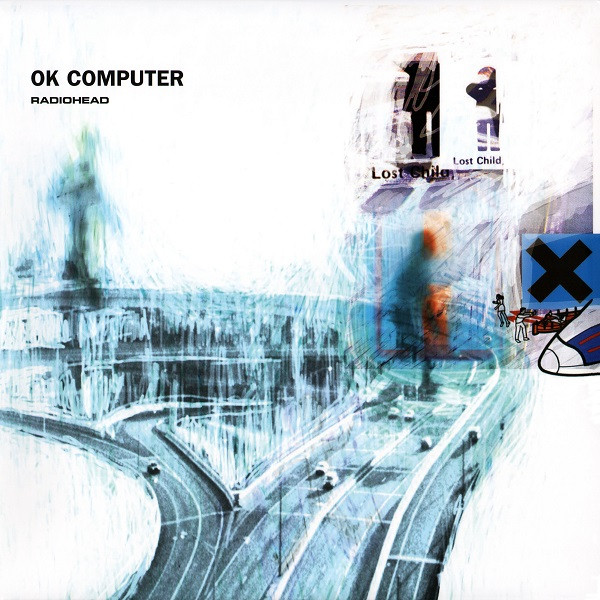
OK Computer
1997
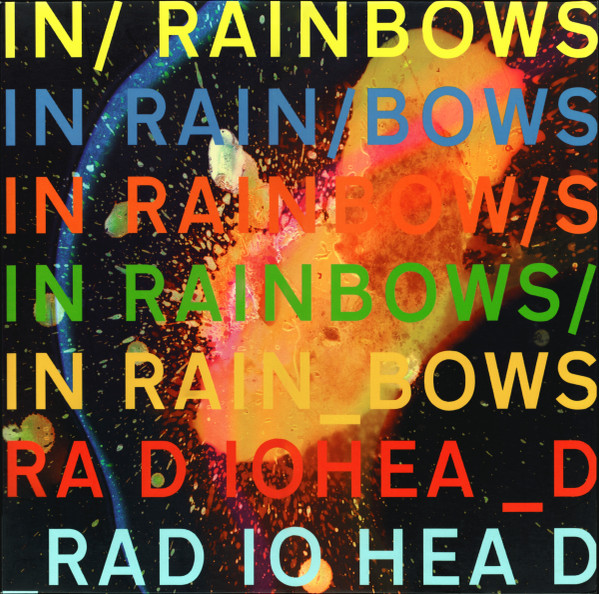
In Rainbows
2007
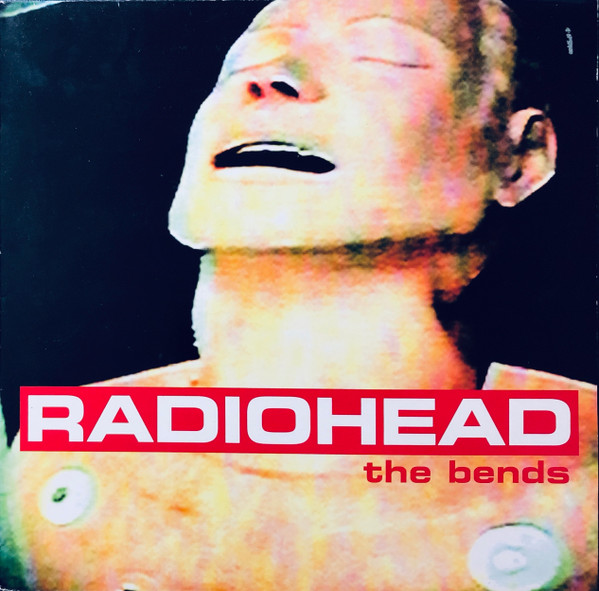
The Bends
1995
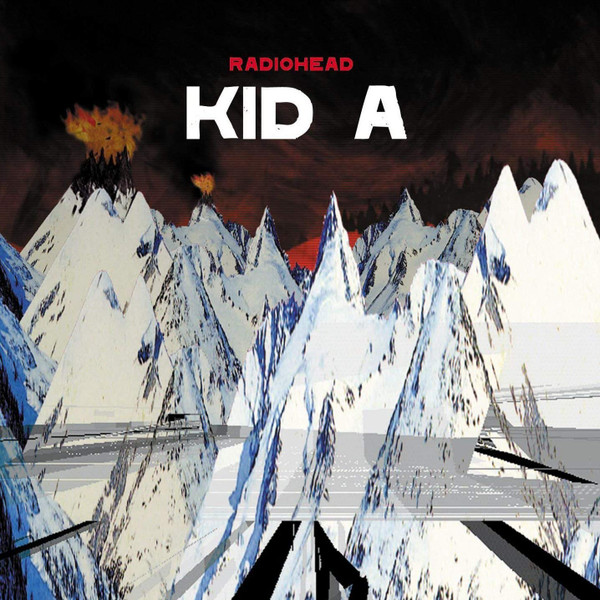
Kid A
2000
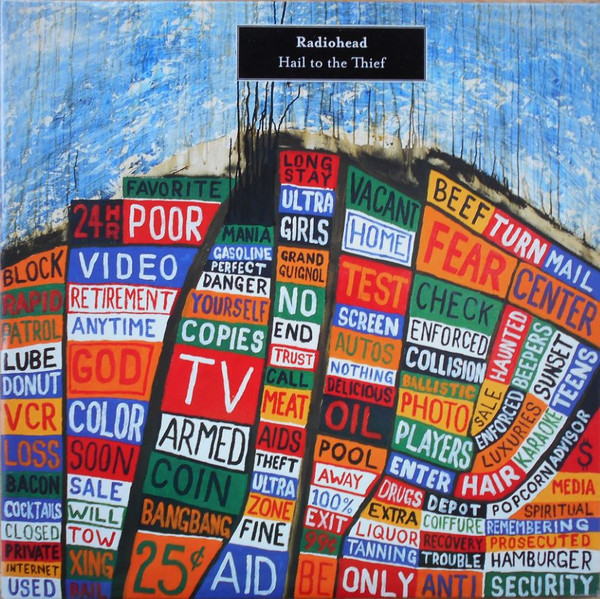
Hail To The Thief
2003
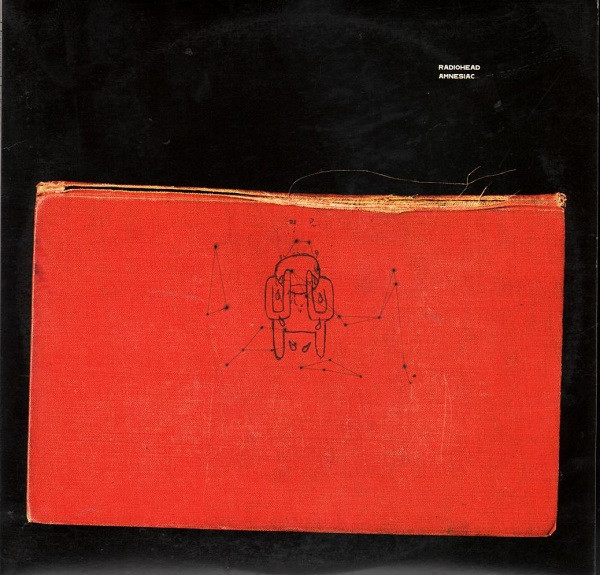
Amnesiac
2001
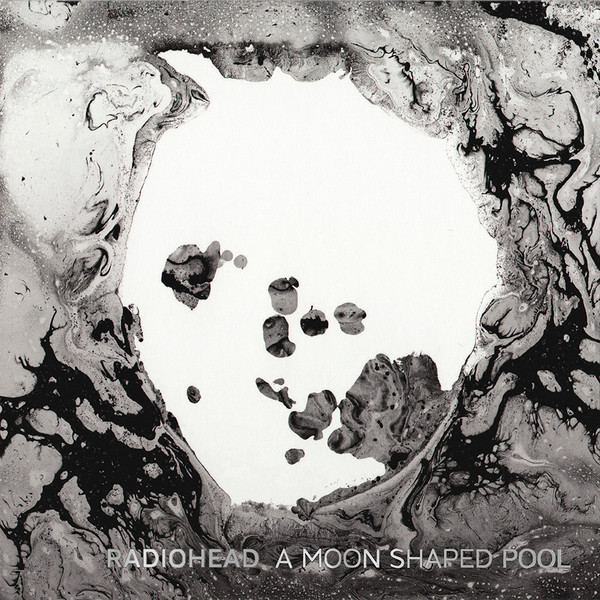
A Moon Shaped Pool
2016
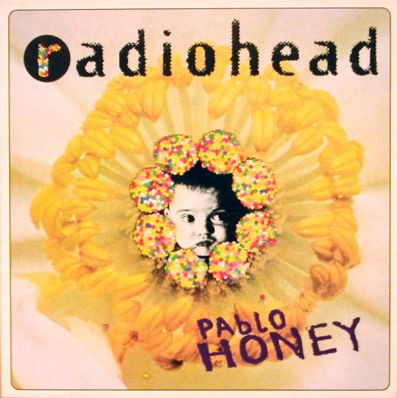
Pablo Honey
1993

The King Of Limbs
2011
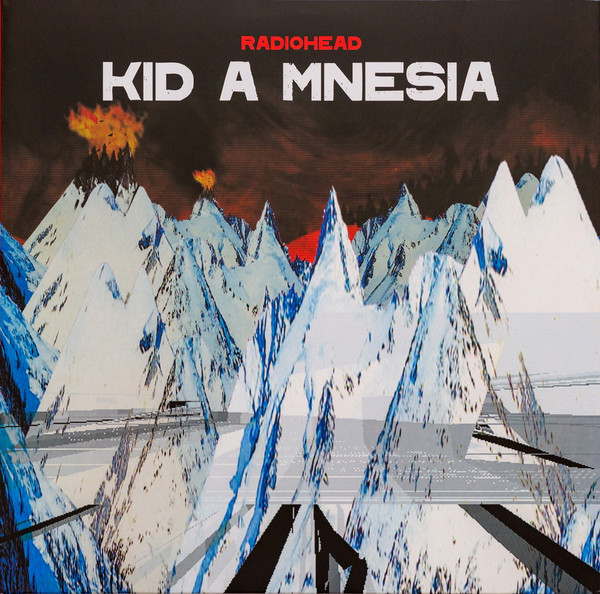
Kid A Mnesia
2021
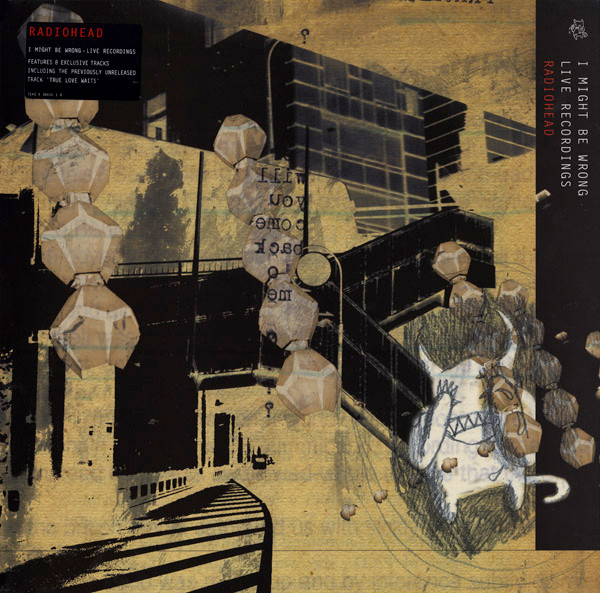
I Might Be Wrong - Live Recordings
2001

Hail To The Thief (Live Recordings 2003-2009)
2025
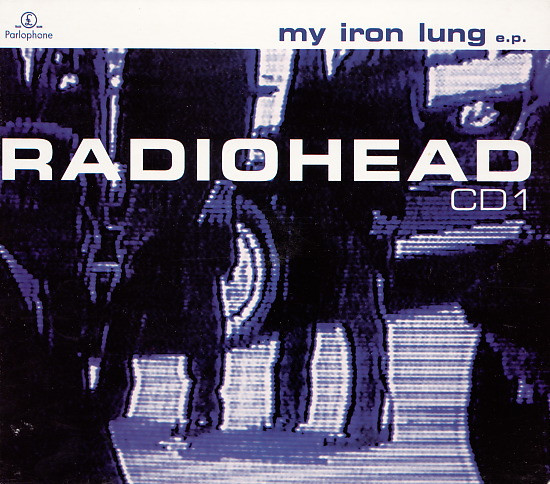
My Iron Lung E.P.
1994
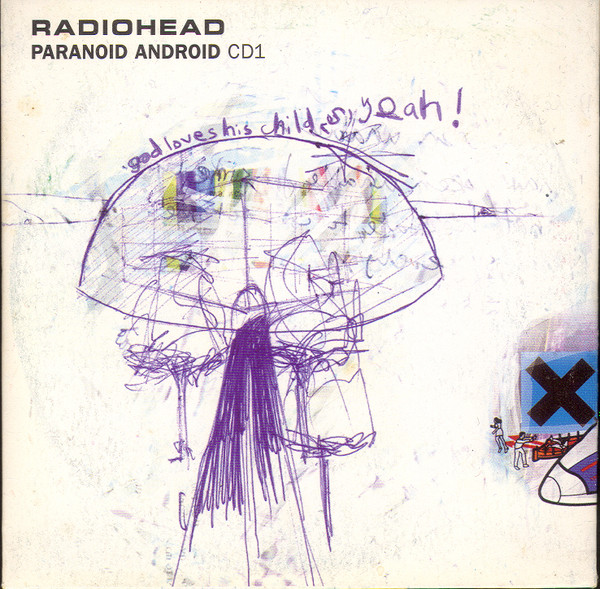
Paranoid Android
1997
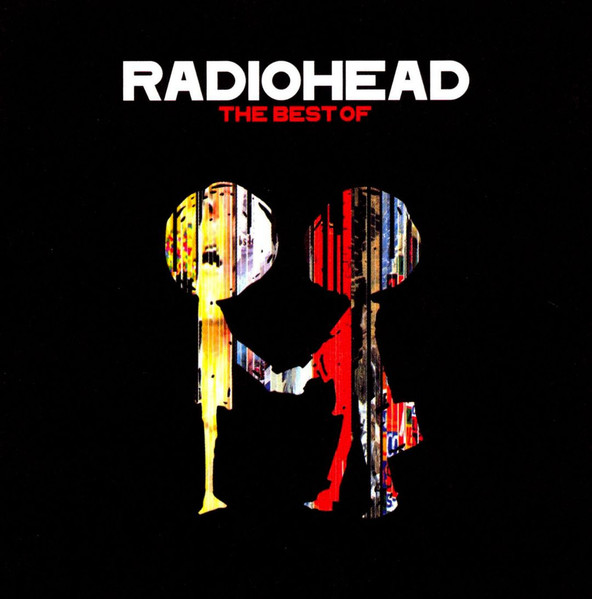
The Best Of
2008
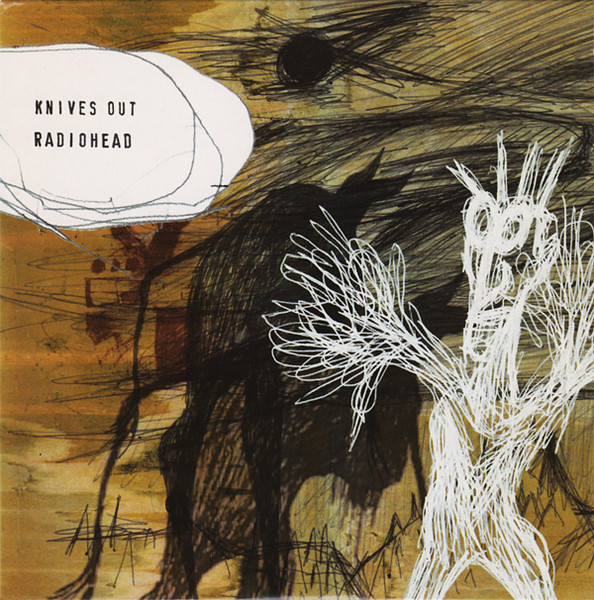
Knives Out
2001
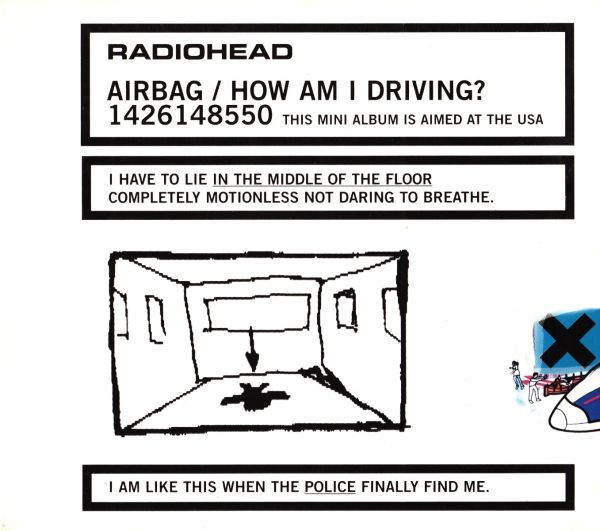
Airbag / How Am I Driving?
1998
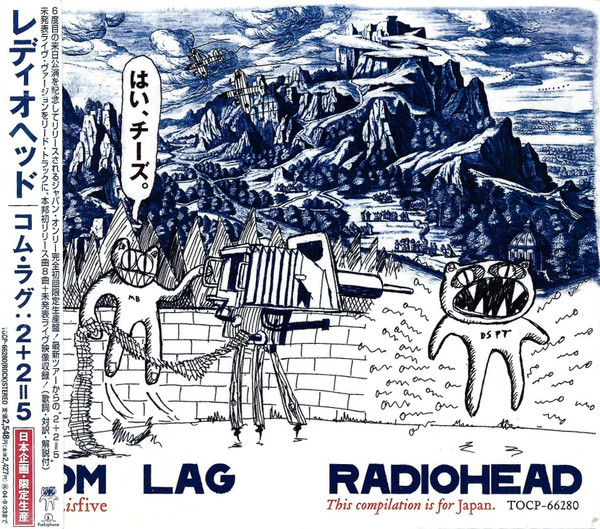
Com Lag (2plus2isfive)
2004
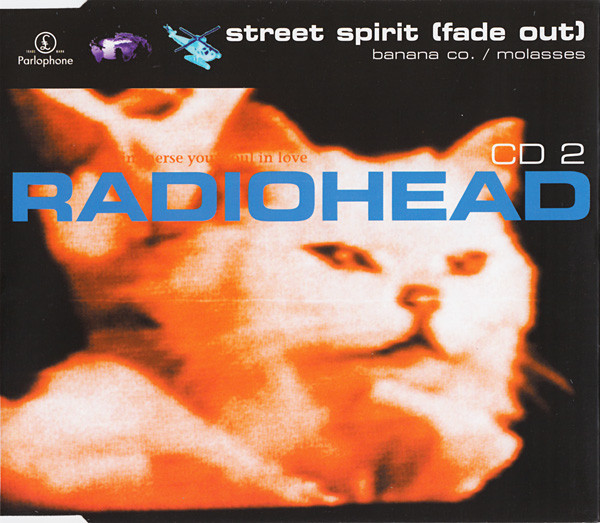
Street Spirit (Fade Out)
1996

Meeting People Is Easy
1998

There There
2003
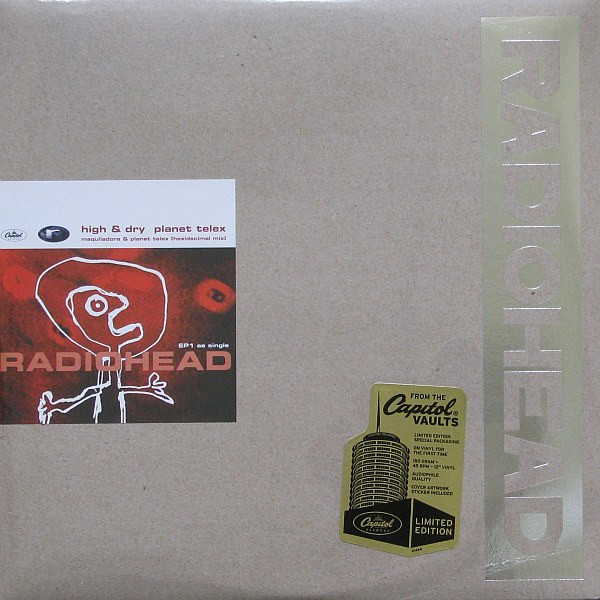
High & Dry / Planet Telex
1995
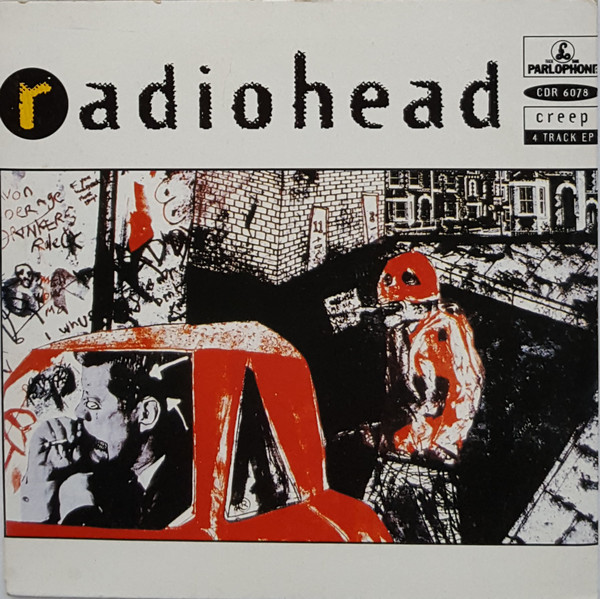
Creep
1992

Pyramid Song
2001
Related artists
Frequent collaborators
Around the web
Follow every record they touch.
Start your shelf and Gatefold tracks Radiohead's new pressings, tour dates, and the whole discography — automatically.
Start your shelf →Free forever. Works with 10 records or 10,000.