
Artist
Quicksand
New York City, United States · Formed 1990
Quicksand is a music group from New York City, United States, active since 1990. Their discography on Gatefold includes 7 records.

7
Albums tracked
80
In collections
1990
Since
Biography
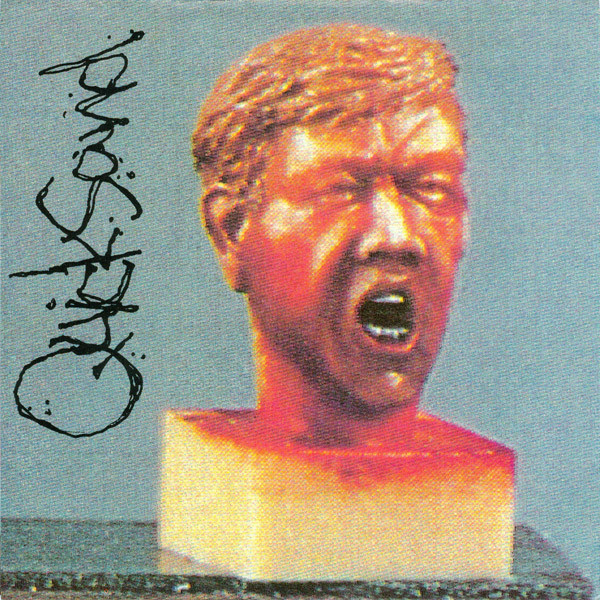
Don Fury's demo studio on Temple Street was a damp Manhattan basement with a 1/4-inch 8-track tape machine. That is where Quicksand tracked their 1990 self-titled EP. Walter Schreifels was fresh out of Gorilla Biscuits. He wanted something that hit with the force of hardcore but breathed like post-punk. They bypassed the standard fast-and-cheap thrash template for massive, drop-tuned guitar pocket-grooves. It changed the entire DNA of East Coast heavy music. By the time they got to the majors, they were a fine-tuned machine. They had a rhythm section in Sergio Vega and Alan Cage that swung harder than any metal band. The big budgets didn't ruin them. They just made the guitars louder. They survived the major-label feeding frenzy of the nineties, imploded under the weight of tour exhaustion, and then somehow returned decades later with their teeth still intact. No nostalgic cash-outs. Just heavy, cerebral rock music.
Bio from The Clerk
The Arc of Quicksand
The pivots — what forced Quicksand to reinvent.
The Major Label Heavyweight
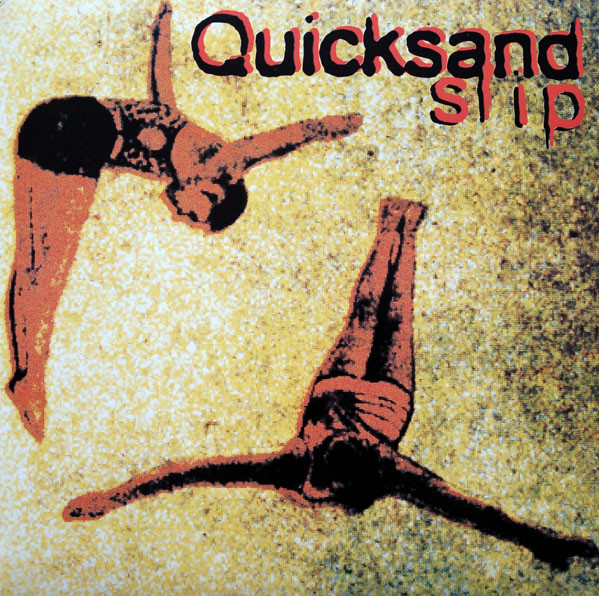
Polydor put them in the studio with Steven Haigler to track Slip in 1992. Haigler had just engineered Pixies' Trompe le Monde. He brought a massive, dry drum sound that anchored Tom Capone and Schreifels' interlocking guitar riffs. The result was a masterclass in dynamic tension. You hear it on tracks like 'Fazer,' where the guitars sound like an idling diesel engine before erupting into a huge chorus.
The Self-Produced Fracture
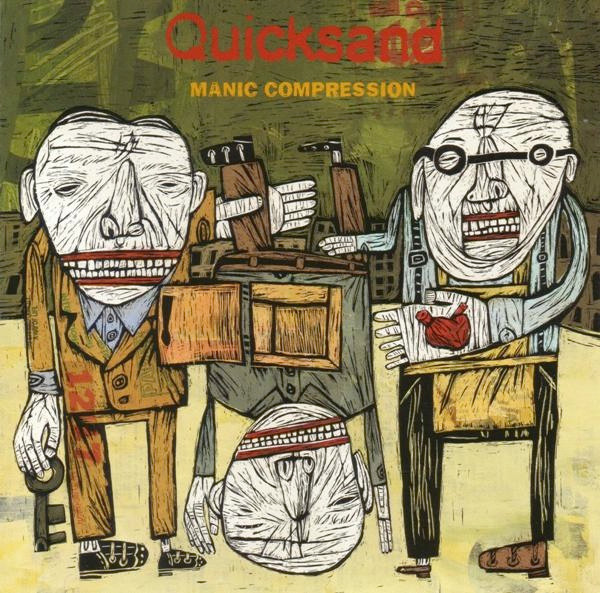
For 1995's Manic Compression, the band bypassed big-name producers to work with Wharton Tiers, known for his raw, scraping noise-rock sessions with Sonic Youth. The recording sessions were plagued by internal friction and label pressure. The album ended up sounding incredibly urgent and abrasive, with a sharp, metallic guitar tone that felt like a wire brush to the face. The tour for this record broke the band, leading to a long-term split just as the album was gaining traction.
The Sci-Fi Rebirth
After a twenty-two year studio silence, the band returned for 2017's Interiors, tracked at Studio 4 with Will Yip. The lineup was down to a trio after Tom Capone's sudden departure on the eve of the tour. Yip pushed their sound into a warmer, more atmospheric space. It replaced the blunt force of the nineties with shoegaze textures and sprawling, psychedelic space-rock grooves.
Influences
- Fugazi — Walter Schreifels has repeatedly cited Fugazi's dub-influenced basslines and sharp guitar interplay as the blueprint for Quicksand's groove. You hear this directly in how Sergio Vega's bass carries the melody on 'Omission' while the guitars slash across the beat. They took the DC post-hardcore template and gave it a heavier NYC metal-gaze polish.
- Helmet — Before forming Quicksand, the band members watched Page Hamilton's band bring precision-engineered, drop-tuned jazz chords to the New York metal scene. You hear that exact influence in the rhythmic, stop-start syncopation of 'Dine Alone.' It is the sound of heavy music stripped of blues solos and reduced to pure mechanical rhythm.
- Jane's Addiction — Schreifels pointed to Dave Navarro's sprawling, atmospheric guitar work on Nothing's Shocking as a massive influence on his own chord voicing. The swirling, flanged intro of 'Landmine Spring' pulls directly from this art-rock approach to heavy guitar music. It gave Quicksand a psychedelic edge that most NYHC bands lacked.
- The Smiths — Quicksand covered 'How Soon Is Now?' during the Slip sessions, highlighting their obsession with British indie melody. Johnny Marr's chiming, echo-laden guitar layers directly informed how Schreifels and Capone structured their clean guitar parts. It kept their heavy riffs from sounding too monotonous or grid-locked.
- Killing Joke — The cold, industrial post-punk drive of Geordie Walker's guitar work was a major touchstone for the band's driving rhythm tracks. You hear this in the relentless, mechanical push of 'Thorn in My Side.' It is the dark, metallic disco beat of early eighties London repackaged for nineties skate parks.
Discography
Their records — most-collected first.




Related artists
Around the web
Follow every record they touch.
Start your shelf and Gatefold tracks Quicksand's new pressings, tour dates, and the whole discography — automatically.
Start your shelf →Free forever. Works with 10 records or 10,000.