
Artist
Prefab Sprout
Witton Gilbert, United Kingdom · Formed 1978
Prefab Sprout is a music group from Witton Gilbert, United Kingdom, active since 1978. Their discography on Gatefold includes 24 records.

28
Albums tracked
111
In collections
1978
Since
Biography
Thomas Dolby heard them on the radio, drove out to meet them, and practically wrestled Paddy McAloon's guitar out of his hands to strip the clutter away. Before Dolby showed up, Prefab Sprout was an over-caffeinated, chord-cramming indie outfit from County Durham trying to stuff broadway changes into post-punk arrangements. Dolby forced space into the mix. He anchored Wendy Smith's breathy counter-melodies right behind Paddy's lead, turned Martin McAloon's basslines into buoyant jazz-pop anchors, and gave Neil Conti room to breathe on the kit. The result was pure, high-gloss sophistication cut with cold northern irony. Paddy wrote pop tunes like a guy who thought Tin Pan Alley never died, only to spend the next four decades agonizing over tapes nobody got to hear. People who only know the hits file them under slick mid-eighties sophisti-pop and move on. That is a massive mistake. Underneath the sparkling Rhodes patches and immaculate studio sheen, McAloon was writing barbed, devastating deconstructions of American pop mythology, aging rock stars, and romantic delusion. He was too literate for the pop charts and too polished for the college rock snobs. They paid for that alienation in the end, but the records hold up without an ounce of rust.
Bio from The Clerk
The Arc of Prefab Sprout
The pivots — what forced Prefab Sprout to reinvent.
The Kitchenware Precision Run
After stumbling out of the gate with the tangled, restless chord changes of Swoon, the band teamed up with Thomas Dolby to streamline their entire architecture. Dolby brought slick Fairlight textures and strict pop discipline to Steve McQueen, turning Paddy's dense lyrical ambitions into razor-sharp singles. You hear it immediately in the airy, devastating precision of 'Appetite' and 'Bonny', where Wendy Smith's spectral harmonies cushion Paddy's restless cynicism. It was their undisputed commercial high-water mark, proving their oddball pop math could actually dominate British radio.
The Sprawling American Concept
Paddy shifted his gaze across the Atlantic, turning his songwriting into a full-scale interrogation of American myth, religion, and showbiz. They dropped Protest Songs, blew out their sonic palette on From Langley Park to Memphis, and culminated in the massive 19-track sprawl of Jordan: The Comeback. The room expanded to swallow gospel tropes, Elvis folklore, and Burt Bacharach progressions, all filtered through Dolby's widescreen production. It was ridiculous, arrogant, and brilliant, playing out like an entire Broadway musical scored with polished FM synthesizers.
The Hermit Architect
Health problems, detached retinas, and tinnitus effectively wiped out the physical band, sending Paddy into his home studio to work alone with synthesizers and sequencers. Andromeda Heights and The Gunman still used remnants of the lineup, but by Let's Change the World with Music, McAloon was cutting full albums from solo demo archives. The music stopped pretending to be a touring group and became pure solitary construction, leaning entirely on programmed arrangements and his cracking, resonant croon. You hear the loneliness all over Crimson/Red, a record cut with cheap tech and sharp melodies in a room by himself.
Influences
- Steely Dan — McAloon has openly cited Donald Fagen and Walter Becker as the primary standard for marrying subversive, cynical lyricism to meticulous jazz-pop chord substitutions. You hear it across Steve McQueen, where smooth studio polish hides vicious emotional takedowns. They took the Dan's obsession with perfection and gave it a rainy English heart.
- The Beatles — McAloon routinely pointed to Paul McCartney's melodic instincts as his foundational education in songcraft. The harmonic pivots and soaring bridges on tracks like 'Cars and Girls' rip straight from the mid-sixties McCartney playbook. It kept their most convoluted arrangements tethered to irresistible hooks.
- Burt Bacharach — Paddy studied Bacharach's irregular bar lengths, shifting time signatures, and lush brass arrangements obsessively. That Tin Pan Alley sophistication defines Jordan: The Comeback, where theatrical chord sequences derail standard verse-chorus pop formulas. He wanted to be a Brill Building writer born three decades too late.
- Stephen Sondheim — McAloon consistently credited musical theater composers, specifically Sondheim, for teaching him how to tell complex narrative arcs across a three-minute tune. You hear that theatrical phrasing and dense, hyper-literate lyricism all over Andromeda Heights and 'The Ice Maiden'. It made his pop songs feel like one-act plays.
- Brian Wilson — The Pet Sounds blueprint of pocket symphonies, unexpected key shifts, and stacked vocal arrangements was a direct obsession during the band's prime studio run. Wendy Smith's ethereal, high-register backing vocals directly echo Wilson's choir-boy arrangements, especially on tracks like 'When Love Breaks Down'. It is sunshine pop reworked for overcast British afternoons.
Discography
Their records — most-collected first.
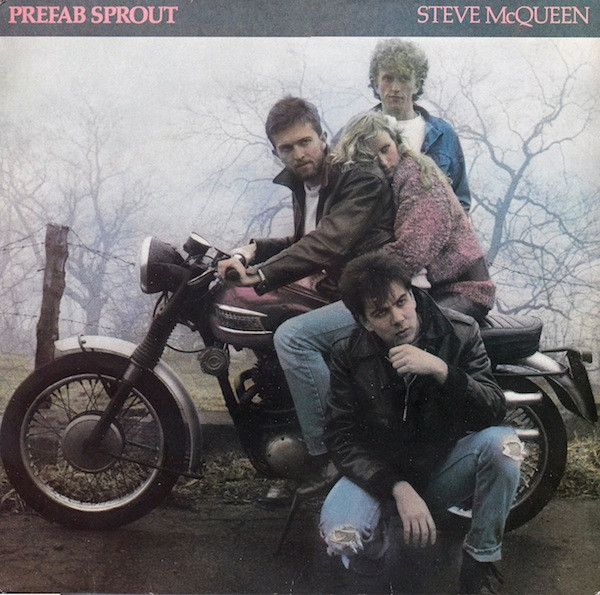
Steve McQueen
1985
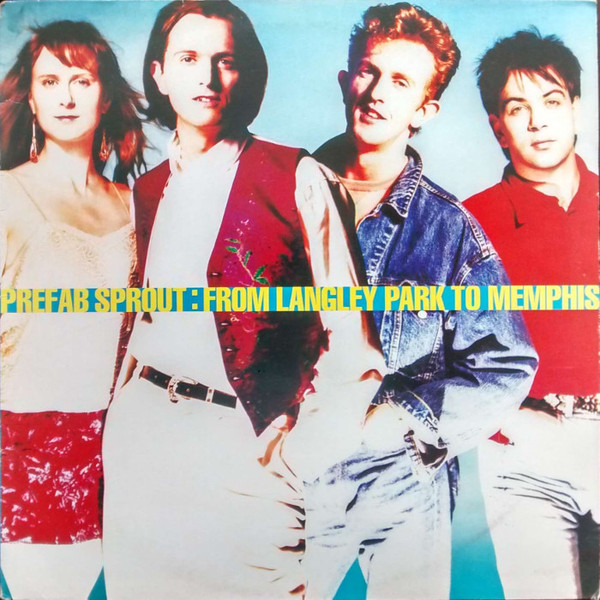
From Langley Park To Memphis
1988
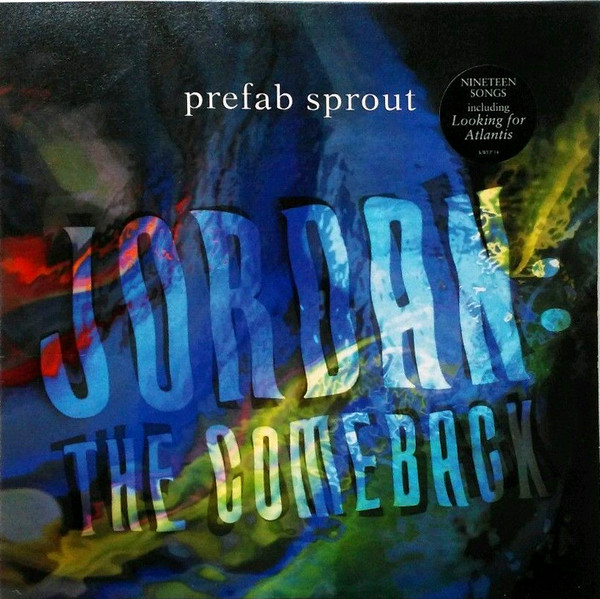
Jordan: The Comeback
1990

Protest Songs
1989
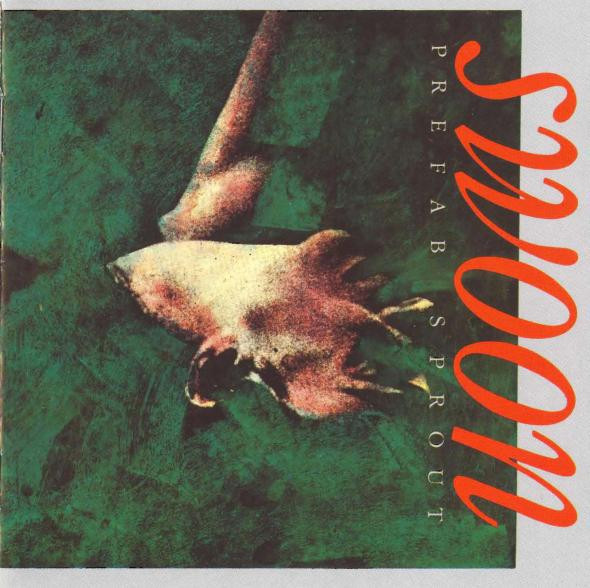
Swoon
1984
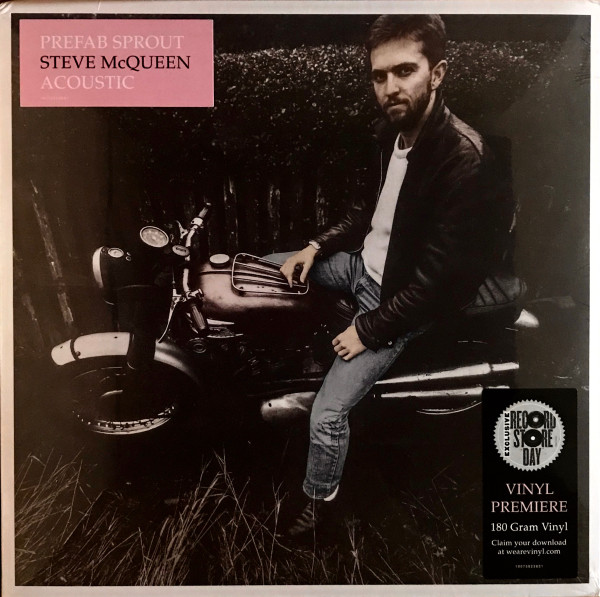
Steve McQueen Acoustic
2019

Let's Change The World With Music
2009

The Best Of Prefab Sprout: A Life Of Surprises
1992
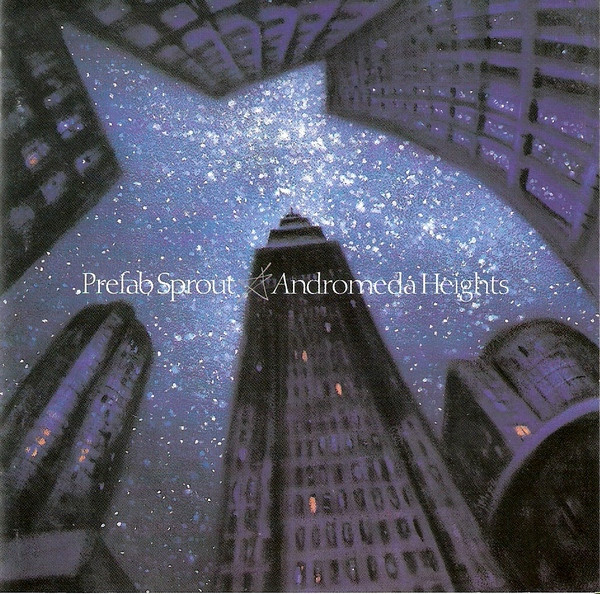
Andromeda Heights
1997
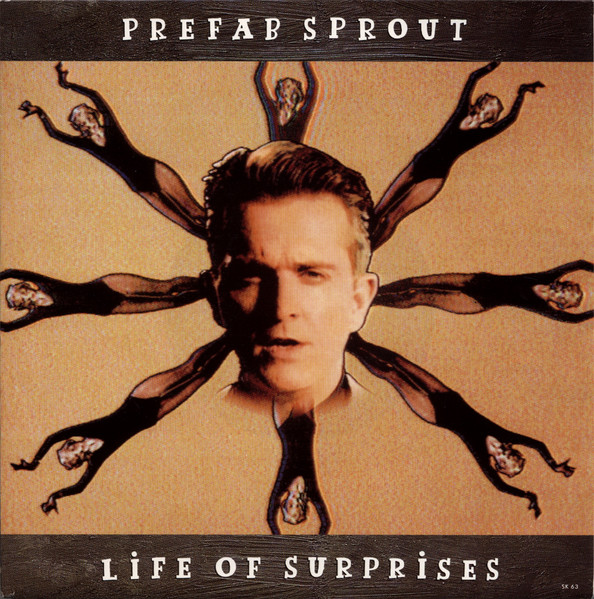
Life Of Surprises
1992

Looking For Atlantis
1990

Cars And Girls
1988

The King Of Rock 'N' Roll
1988

Hey Manhattan!
1988

Nightingales
1988

Don't Sing
1984

Crimson / Red
2013

38 Carat Collection
1999
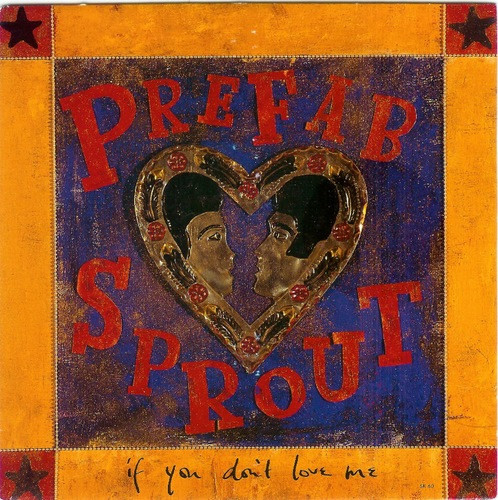
If You Don't Love Me
1992

The Sound Of Crying
1992

All The World Loves Lovers
1992
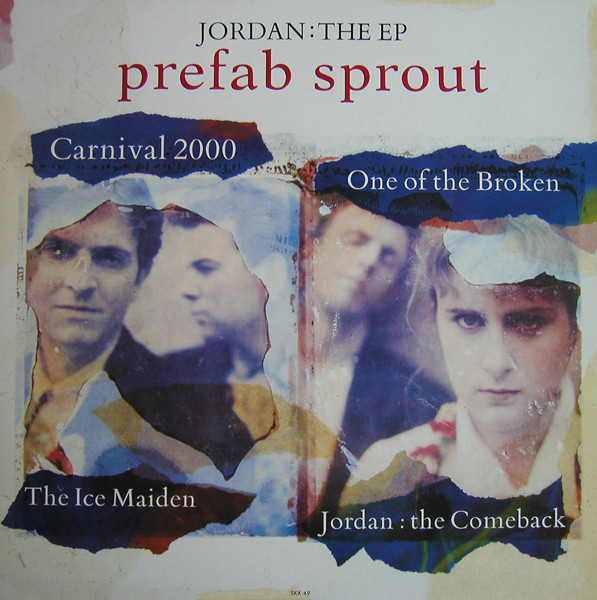
Jordan: The EP
1990

We Let The Stars Go
1990

Lions In My Own Garden (Exit Someone)
1983
Related artists
Around the web
Follow every record they touch.
Start your shelf and Gatefold tracks Prefab Sprout's new pressings, tour dates, and the whole discography — automatically.
Start your shelf →Free forever. Works with 10 records or 10,000.