
Artist
Phish
American rock band formed in Burlington, Vermont, in 1983
Burlington, United States · Formed 1983
Phish is a music group from Burlington, United States, active since 1983. Their discography on Gatefold includes 24 records.
37
Albums tracked
299
In collections
1983
Since
Biography
They tracked Junta on a rented eight-track tape machine in a studio above a Burlington packaging store, running on zero budget and eating nothing but cheap diner food. That basement-grade tape holds the entire blueprint for what followed. Trey Anastasio was obsessed with the precision of progressive rock and the improvisational looseness of jazz, forcing the band through grueling, militaristic practice sessions they called 'fleeing the nesting bird' to ensure they could pivot on a dime. They weren't a hippie jam band at the start. They were four nerdy music students executing highly complex, through-composed fugues and sudden tempo shifts with mathematical accuracy. Then the nineties arena machine swallowed them whole, and the focus shifted from razor-sharp compositions to massive, texture-heavy groove machines. Producer Steve Lillywhite tried to rein them in on Billy Breathes by stripping away the ten-minute epics, forcing them to focus on studio craft and acoustic space. It worked, but it also signaled the beginning of the end for their peak creative era. By the time they hit the early 2000s, the exhaust was choking the engine, leading to sloppy, drug-fueled shows and a messy first breakup that took years of sobriety and stripped-back stage setups to fix.
Bio from The Clerk
The Arc of Phish
The pivots — what forced Phish to reinvent.
The Junta Technical Drill
In the late eighties, the band locked themselves in a Vermont practice space to run self-imposed 'Hey Hole' exercises, a strict improvisational drill where one member changed the musical direction and the others had to react instantly. This extreme discipline yielded the complex, multi-part compositions on Lawn Boy. You hear it in the hyper-fast unison runs and jazz-fusion structures of 'Reba' and 'Split Open and Melt.' It was chess masquerading as rock and roll, demanding total sobriety of mind to execute.
The Lillywhite Strip-Down
For 1996's Billy Breathes, the band hired producer Steve Lillywhite, famous for his work with U2 and XTC, to force them out of their self-indulgent jamming habits. Lillywhite banned them from using their live rigs in the studio, tracking acoustic guitars and focusing heavily on vocal harmonies instead. This forced a massive pivot toward shorter, more structured songwriting and textured studio production. The result was their most cohesive studio statement, trading sprawling fusion for the spacious, introspective title track.
The Cow Funk Transition
By 1997, the band grew tired of the frantic, note-heavy fusion of their early years and deliberately slowed down the tempos to explore minimalist, loop-driven funk. Inspired by James Brown and Talking Heads, Anastasio started using a Leslie cabinet and a Boomerang phrase sampler to create thick, ambient rhythm beds rather than tearing through virtuosic solos. This shift defined their late-nineties live sound and the studio sessions for Story of the Ghost. The music became about space, patience, and heavy, collective bass grooves.
The Post-Hiatus Reset
Following a two-year hiatus and a painful breakup fueled by exhaustion and substance abuse, the band regrouped in 2009 with a commitment to clean living and shorter live sets. They stripped down the massive walls of keyboard gear and simplified their onstage setups to rebuild their musical communication from scratch. Producer Steve Lillywhite returned for Joy, helping them channel their collective survival into tight, emotionally raw songs. The wild, drug-fueled improvisational risks of the late nineties were replaced by a stable, celebratory focus on legacy and survival.
Influences
- Frank Zappa — The band frequently covered Zappa's 'Peaches en Regalia' in their early live sets, utilizing his complex, multi-part instrumental arrangements as a direct model for their own compositions. You hear this influence in the satirical lyrics, erratic time signatures, and highly structured marimba-and-guitar unison lines of 'You Enjoy Myself.' Anastasio has openly cited Zappa's strict rehearsal ethics as the inspiration for Phish's legendary practice sessions.
- Genesis — Before forming Phish, Trey Anastasio was a massive fan of Peter Gabriel-era Genesis, specifically the complex, narrative-driven double album The Lamb Lies Down on Broadway. The influence is unmistakable in 'The Lizards' and the broader Gamehendge cycle, which mirrors the whimsical, English progressive-rock mythologies of early Genesis. The band even covered the entire album The Lamb Lies Down on Broadway live in Chicago on Halloween in 1995.
- Little Feat — The band paid direct tribute to the swampy, syncopated funk of Little Feat by covering their entire 1978 live album Waiting for Columbus for their Halloween show in 2010. You hear Lowell George's slide guitar style and Richie Hayward's skipping, polyrhythmic drumming all over the groove-heavy structures of 'Tube' and 'Wolfman's Brother.' It is the exact blueprint for how they loosened up their stiff, prog-rock tendencies into danceable roots music.
- Talking Heads — Phish spent the mid-nineties transition period obsessing over the polyrhythmic, interlocking grooves of Talking Heads, culminates in their legendary Halloween 1996 performance of Remain in Light. This concert was the literal catalyst for their late-nineties 'cow funk' era, directly inspiring Mike Gordon to adopt a more percussive, slap-heavy bass style. The minimalist, repetitive guitar scratching on 'Sand' is a direct lift from David Byrne's rhythmic guitar work.
- The Who — The band covered the rock opera Quadrophenia in its entirety for their 1995 Halloween show, showcasing their debt to Pete Townshend's driving, theatrical songwriting. You hear this in Jon Fishman's chaotic, Keith Moon-style drum fills and Anastasio's loud, chordal guitar attack on anthemic tracks like 'Character Zero.' They took Townshend's concept of arena-rock-as-communion and blew it out to a festival scale.
Discography
Their records — most-collected first.
Rift
1993

A Live One
1995

Junta
1989

Billy Breathes
1996

Hoist
1994

A Picture Of Nectar
1992

Lawn Boy
1990
Sigma Oasis
2020

Joy
2009
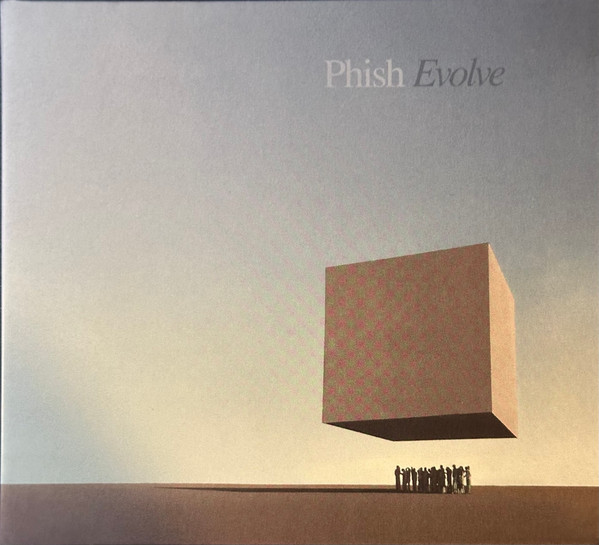
Evolve
2024
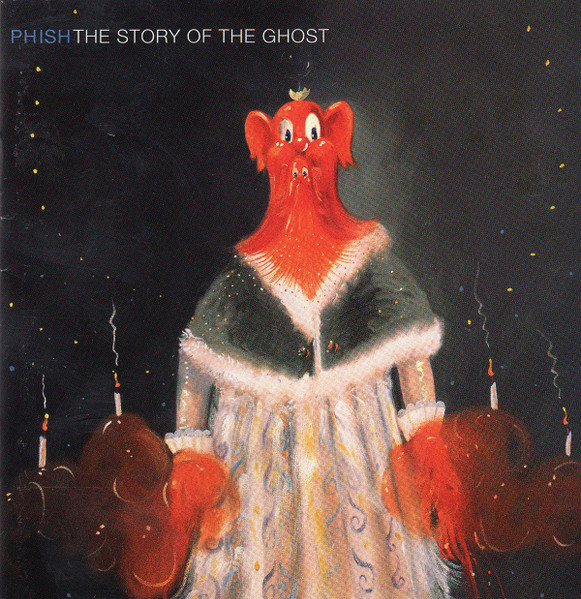
The Story Of The Ghost
1998
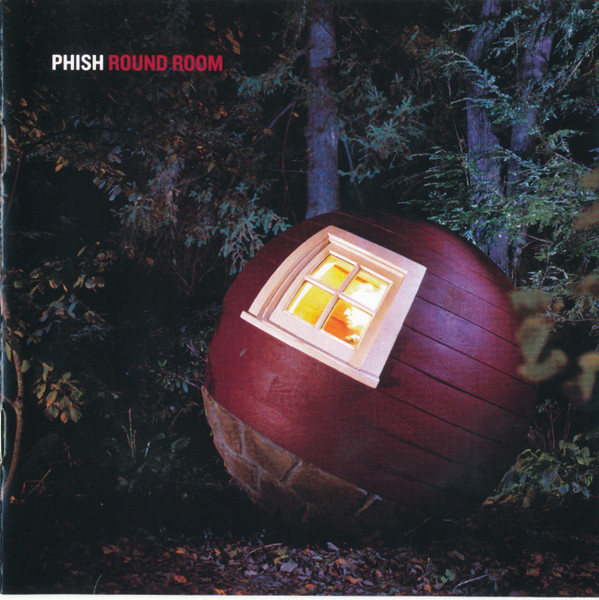
Round Room
2002

Farmhouse
2000

Fuego
2014
Slip Stitch And Pass
1997
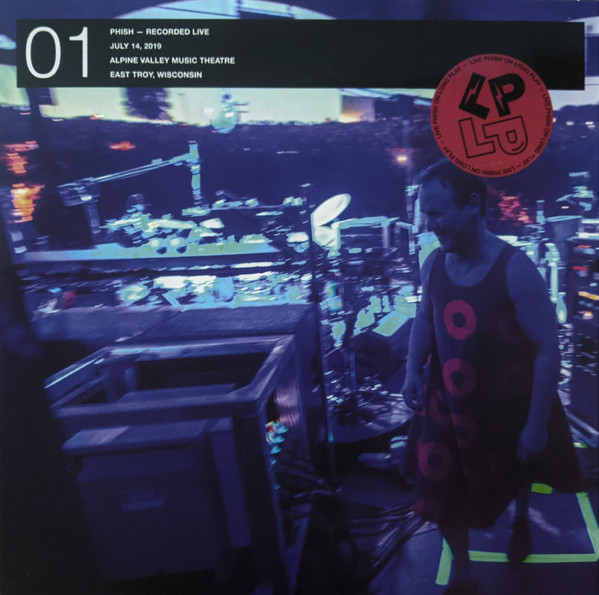
LP On LP 01: “Ruby Waves” 7/14/19
2021

Big Boat
2016

Phish
1987

LP On LP 02: “Waves” 5/26/11
2021

The Siket Disc
1999
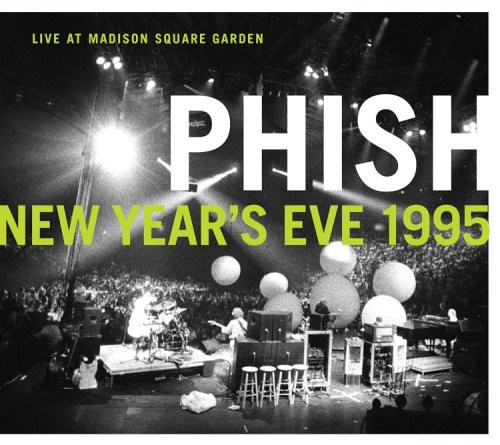
New Year's Eve 1995 - Live At Madison Square Garden
2005

Phish New Year’s Eve 1993 / Live at Worcester Centrum
2026

The Baker's Dozen Live At Madison Square Garden
2018

Party Time
2011
Related artists
Around the web
Follow every record they touch.
Start your shelf and Gatefold tracks Phish's new pressings, tour dates, and the whole discography — automatically.
Start your shelf →Free forever. Works with 10 records or 10,000.