
Artist
Pavement
US indie rock band
Stockton, United States · 1989 – 2000
Pavement is a music group from Stockton, United States, active 1989–2000. Their discography on Gatefold includes 24 records.

26
Albums tracked
365
In collections
1989
Since
Biography
They recorded Slay Tracks in a tiny Stockton studio called Louder Than You Think. Gary Young, a hippie punk drummer pushing forty with a home studio and a serious drinking habit, kept the tape rolling while Stephen Malkmus and Scott Kannberg banged out three-chord noise with cheap guitars and broken amps. The guitars were out of tune. The drums sounded like they were recorded inside a cardboard box. That cheap, busted aesthetic wasn't a marketing strategy — it was the only gear they had. Malkmus mumbled his way through cryptic lyrics, hiding his melodies behind a wall of tape hiss and loose strings. Once they hit Crooked Rain, Crooked Rain, they kicked Gary Young out because his onstage antics and chaotic lifestyle were threatening to derail the band. They brought in Steve West to steady the beat, but they kept the loose-threaded charm. Malkmus became indie rock's reluctant golden boy, balancing genius pop hooks with a sneering disdain for the very industry that wanted to sign them. By the time they did Terror Twilight with Nigel Godrich in 1999, the fun was gone. Godrich tried to polish a band that thrived on grease, and Malkmus was already writing songs for his solo career. It is a sterile, frustrating end to a run that defined an entire decade of underground rock.
Bio from The Clerk
The Arc of Pavement
The pivots — what forced Pavement to reinvent.
The Gary Young Chaos
From 1989 to 1992, the band was anchored by the volatile drumming and home-studio basement of Gary Young. Young was decades older than the rest of the band, engineering their early EPs and Slanted and Enchanted with a reckless, drunken energy that kept the tempos fluctuating. This era is defined by extreme lo-fi tape hiss, sudden structural shifts, and a massive debt to British post-punk. You hear the peak of this beautiful mess on 'Summer Babe,' where the rhythm section feels like it is constantly on the verge of falling down a flight of stairs.
The Gold Soundz Shift
With Gary Young out and Steve West on the drum throne, the band headed to New York to record Crooked Rain, Crooked Rain. They traded the harsh tape hiss for a warmer, classic-rock-indebted jangle that owed more to Creedence Clearwater Revival than the Fall. Malkmus stepped up as a singular frontman, writing sharp, cynical critiques of their peers while delivering gorgeous, accessible melodies. The record became their commercial high-water mark, proving they could write actual radio hits without fixing their tuning pegs.
The Wowee Zowee Detour
Terrified of their own growing mainstream appeal, the band retreated to Easley Treadwell Studios in Memphis to cut a sprawling, 18-track mess of a record. Wowee Zowee was a deliberate commercial suicide note, mixing country-rock parodies, noisy punk outbursts, and delicate acoustic ballads. The band was heavily chemically altered during the sessions, and the resulting tracklist has absolutely no cohesion. It alienated the alternative-nation crowds but became a cult favorite for its completely unvarnished, chaotic freedom.
The Godrich Polish
For their final record, Terror Twilight, the band hired Radiohead producer Nigel Godrich and moved the sessions to London and New York. Godrich demanded professionalism, banned member Bob Nastanovich from playing on several tracks, and forced Malkmus to focus on his guitar playing. The result is the most expensive-sounding record in their catalog, stripped of all the accidental magic and basement dirt that made them great. You can hear the tension on 'Spit on a Stranger,' which sounds clean, beautiful, and completely exhausted.
Influences
- The Fall — Stephen Malkmus has openly admitted to ripping off Mark E. Smith's vocal delivery on their early EPs. You hear it plainly on the track 'Two States,' which functions as a direct homage to the repetitive, driving post-punk of early Fall singles like 'Totally Wired.' It is the blueprint for their entire early non-singing vocal style.
- R.E.M. — Malkmus grew up on IRS-era R.E.M., and the band eventually recorded a direct tribute track titled 'Unseen Power of the Picket Fence.' That early Athens jangle guitar style is all over 'Shady Lane' and 'Here.' They took Peter Buck's clean arpeggios and simply detuned them.
- The Clean — Pavement covered 'On Box Holder' by this New Zealand band and frequently cited the Flying Nun Records roster as a major sonic influence. The driving, minimalist garage-pop strumming on 'Gold Soundz' is a direct descendant of the Kiwi-pop sound developed in Dunedin. They took the breezy Southern Hemisphere bounce and exported it to Northern California.
- Swell Maps — The chaotic, homemade collage style of their early EPs like Slay Tracks was modeled directly on the work of Nikki Sudden and Epic Soundtracks. Swell Maps combined art-punk noise with domestic toy instruments and tape experiments. You hear this sonic clutter on 'Demolition Plot J-7,' where the songs are constantly interrupted by random noises and studio chatter.
- Velvet Underground — The band's reliance on droning, open-chord guitar tunings and deadpan lyricism stems directly from Lou Reed's mid-period work. 'Box Elder' borrows the steady, chugging rhythm and cool detachment of 'Beginning to See the Light.' They took the Velvet Underground's art-school coolness and dragged it into the 1990s suburbs.
Discography
Their records — most-collected first.
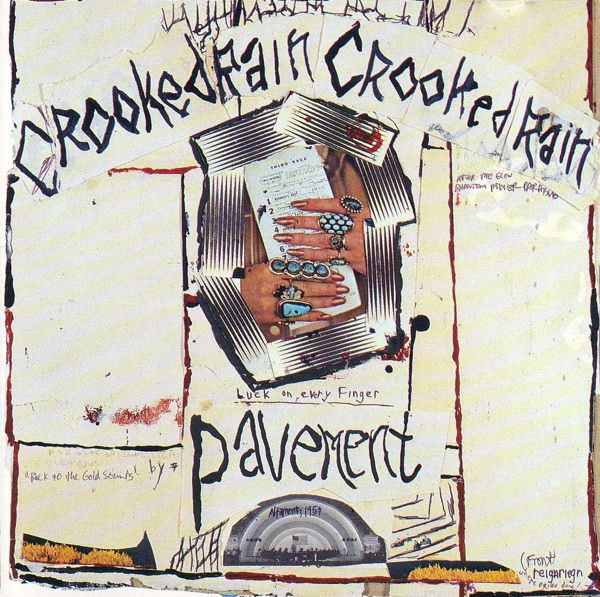
Crooked Rain, Crooked Rain
1994
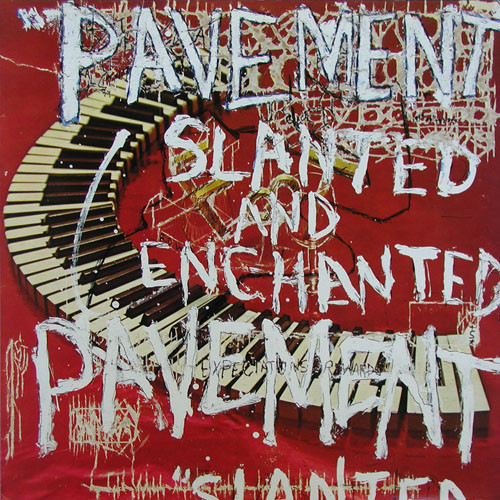
Slanted And Enchanted
1992
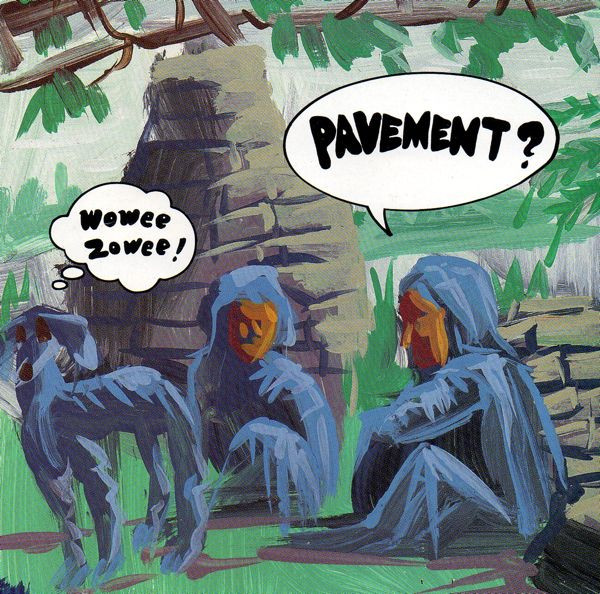
Wowee Zowee
1995
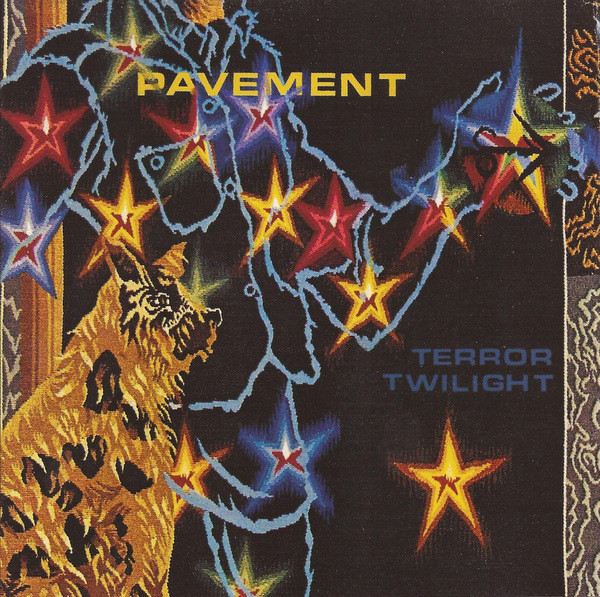
Terror Twilight
1999
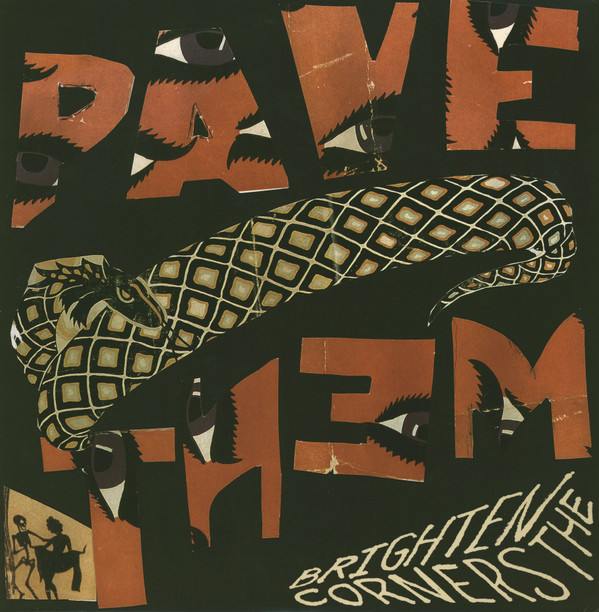
Brighten The Corners
1997

Westing (By Musket And Sextant)
1993

Watery, Domestic
1992

Quarantine The Past
2010

Perfect Sound Forever
1991
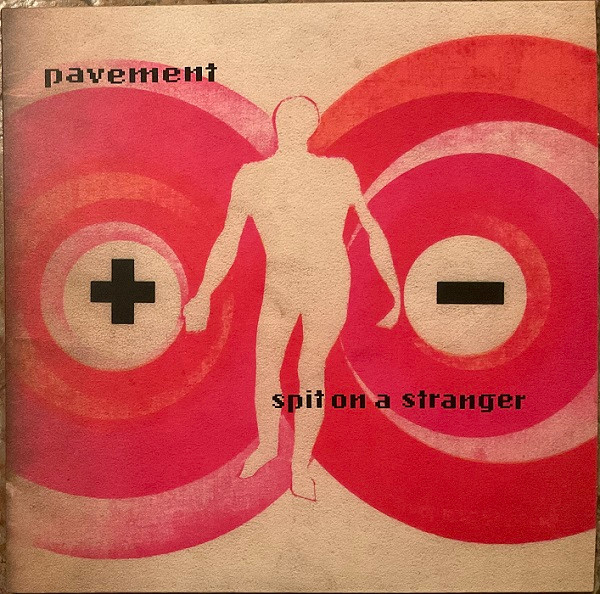
Spit On A Stranger
1999
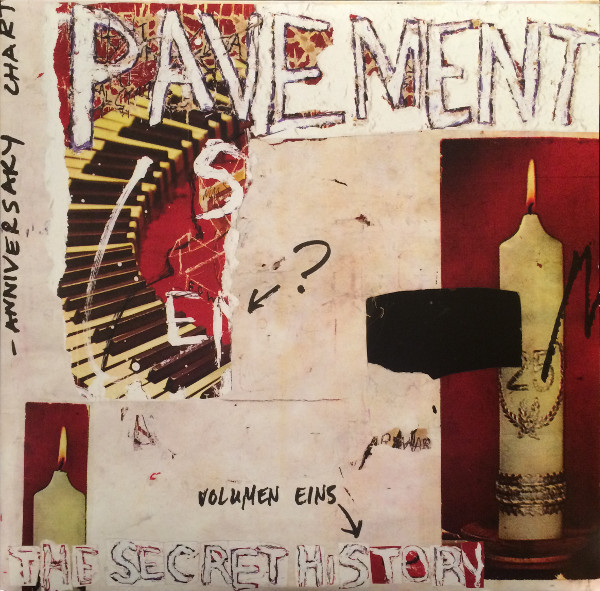
The Secret History, Volume 1 (1990-1992)
2015
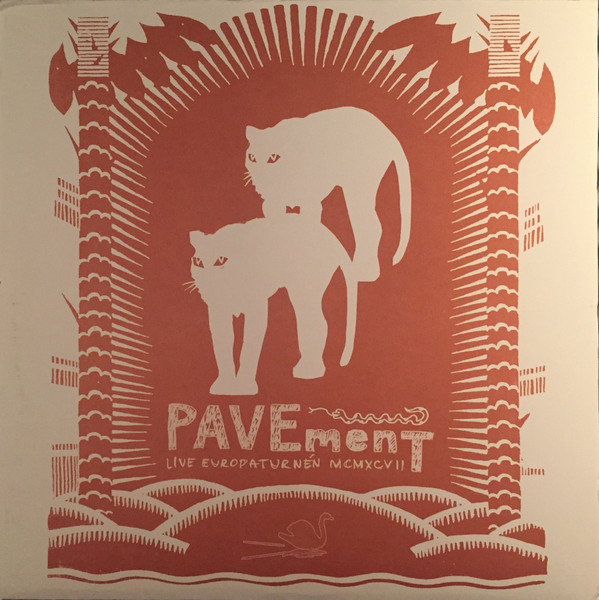
Live Europaturnén MCMXCVII
2009
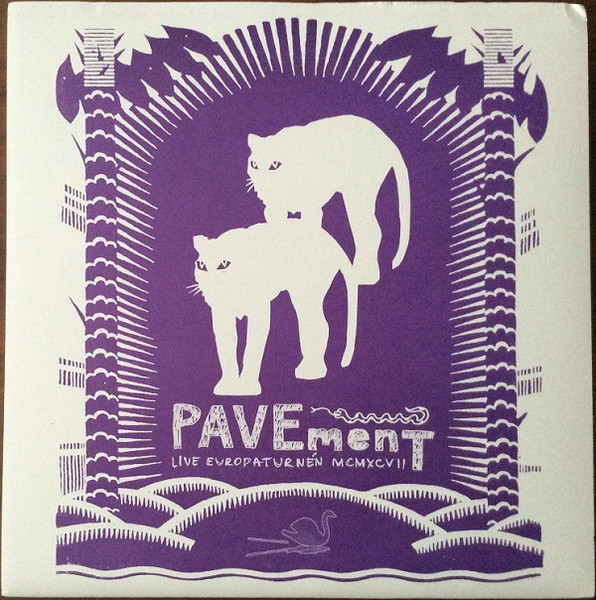
Live Europaturnén MCMXCVII
2008

Cut Your Hair
1994

Major Leagues
1999

Rattled By La Rush
1995

Father To A Sister Of Thought
1995

Range Life
1995
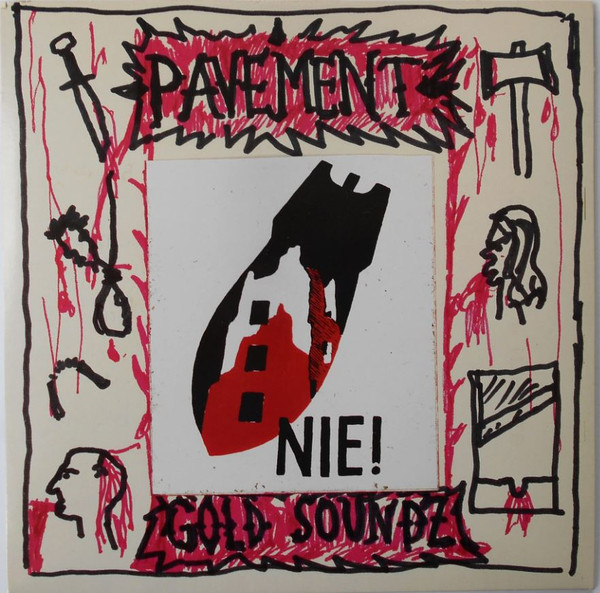
Gold Soundz
1994

Trigger Cut Plus Two
1992

Live At Uptown Bar In Minneapolis - June 11, 1992
2015

Summer Babe
1991

Demolition Plot J-7
1990
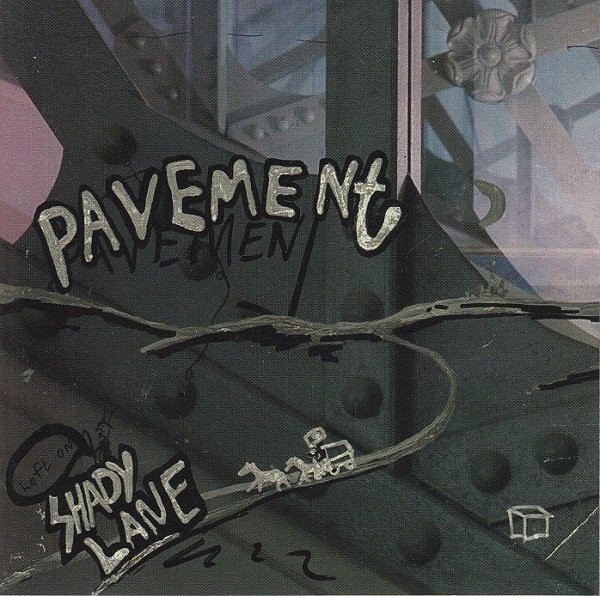
Shady Lane
1997
Related artists
Frequent collaborators
Around the web
Follow every record they touch.
Start your shelf and Gatefold tracks Pavement's new pressings, tour dates, and the whole discography — automatically.
Start your shelf →Free forever. Works with 10 records or 10,000.