
Artist
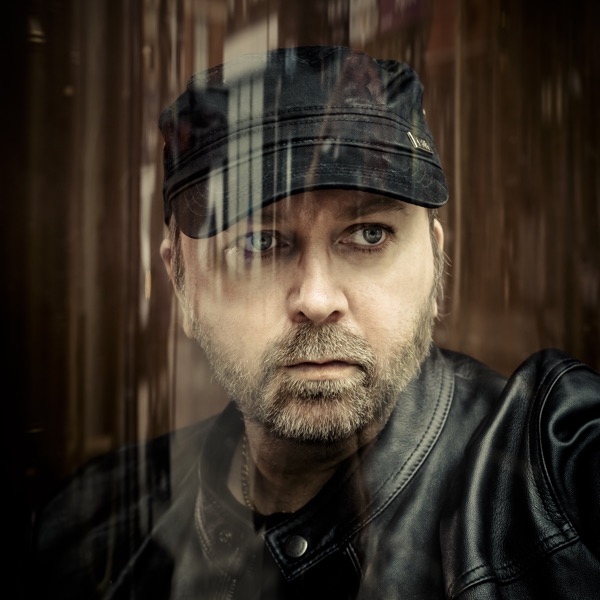
Paul Draper
singer‐songwriter
Liverpool, United Kingdom · b. 1970
Paul Draper is a musician from Liverpool, United Kingdom, active since 1970. Their discography on Gatefold includes 8 records. They also recorded with Mansun.
24
Albums tracked
81
In collections
1970
Since
Biography
Draper spent the tail end of the nineties running Mansun like an art-rock sabotage unit disguised as Britpop royalty, racking up a number one album before collapsing under the weight of studio perfectionism, bad contracts, and ruined health. Parlophone didn't know what to do with a guy who treated sweeping four-movement orchestral arrangements like throwaway B-sides, and when the band fractured during the unfinished sessions for their fourth record in 2003, Draper walked away from the microphone entirely. He spent over a decade holed up in control rooms, ghost-producing indie bands and nursing serious physical setbacks, entirely written off by the UK music press as a cautionary tale of post-Britpop burnout. He pulled off the second act by cutting ties with major-label bullshit entirely. Signing to post-prog haven Kscope, Draper set up shop with longtime desk partner Paul "P-Dub" Walton, traded Britpop baggage for vintage analog synths and biting autobiographical grit, and launched a solo run that felt less like a comeback and more like an exorcism. The swagger is still there, but it's stripped of the old pantomime—what you get instead is caustic, meticulously tracked prog-pop built by a guy who knows exactly how the industry machinery tries to chew you up.
Bio from The Clerk
The Arc of Paul Draper
The pivots — what forced Paul Draper to reinvent.
The Kscope Re-Emergence
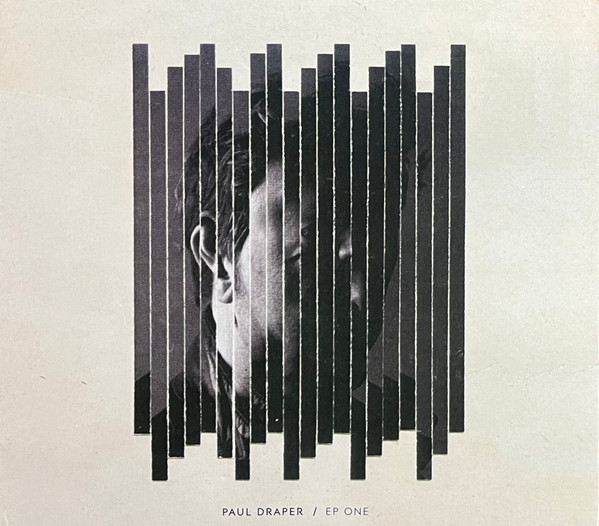
Draper finally broke cover in 2016 by signing with Kscope, a label that actually understood sprawling, uncommercial art-rock ambitions. Tracking at his home studio and mixing with longtime engineer Paul 'P-Dub' Walton, he rolled out EP One and EP Two with guest mixing and backing from Steven Wilson. The teaser singles gave way to 2017's Spooky Action, a dense, bitter record where sweeping electronics collided with the razor-wire guitar tones of his past. It was an explosive vindication, proving his voice and neurotic arrangements hadn't lost a step during his years away.
The Satirical Concept Turn
By 2022, Draper channeled his lingering industry cynicism into Cult Leader Tactics, framing an entire studio album as a mock self-help manual on manipulation. Cut at Walton's Loft Studios in Surrey, Draper handled the lion's share of the instrumentation himself, leaning heavily on drum machines, layered synthesizers, and spiteful, tongue-in-cheek lyricism. Tracks like 'Omega Man' re-enlisted Steven Wilson to push the synth-pop textures into bleak, robotic focus. It sounded deliberately colder and more synthetic than anything he had attempted since the late nineties.
The Acoustic Reckoning
Instead of chasing bigger synth rigs, Draper swung hard into organic arrangements for 2026's Mansun Retold. Returning to The Loft Studios alongside Walton, he brought back original Mansun drummer Julian Fenton and brought in arranger Audrey Riley to score strings for unplugged reimaginings of his catalog. Draper parked the aggressive fuzz and tracked acoustic guitars, piano, and acoustic bass across the board. The record stripped away three decades of studio bombast to show the bare bones of his songwriting.
Influences
- David Bowie — Draper has routinely cited the Berlin trilogy and Diamond Dogs as the primary blueprints for merging dramatic art-rock personas with unconventional pop song structures. You hear it straight away in Draper's theatrical, vibrato-heavy vocal delivery and his habit of pairing jagged glam guitar figures with cold synthesizer backdrops. The lineage is direct: dramatic melodrama backed by rigorous studio experimentation.
- Prince — Draper spent his career obsessively modeling his multi-instrumentalist control freakery after Prince's Paisley Park work ethic. It surfaces in how Draper tracks the majority of the guitars, synths, and drum machines himself on records like Cult Leader Tactics, leaning into tight funk basslines buried beneath rock arrangements. He took the idea of absolute solo studio ownership straight from Prince's playbook.
- Magazine — Howard Devoto's post-punk outfit showed Draper how to weld highbrow intellectual cynicism to muscular, keyboard-heavy rock. The icy, chorus-drenched guitar lines and cutting lyrical bitterness across Spooky Action are direct descendents of Magazine's late-seventies arrangements. Draper learned how to sneer through complex chord progressions from Devoto.
- Kate Bush — Draper has frequently praised The Dreaming and Hounds of Love for their refusal to stick to safe, radio-ready verse-chorus formats. That influence drives his instinct for ambitious studio collages, dramatic vocal leaps, and the Fairlight-style sample layering that pops up across his solo EPs. She gave him the license to treat pop singles like mini-operas.
- Ritchie Blackmore — Draper grew up dissecting classic British hard rock, repeatedly crediting Blackmore's playing in Deep Purple and Rainbow for his early obsession with guitar technique and neo-classical phrasing. You hear that discipline in the frantic, ascending guitar fills and intricate scalar riffs that puncture his rhythm tracks. It kept his rock instincts fast and sharp, even beneath mounds of synthesized keyboards.
Paul Draper — solo
Their records — most-collected first.



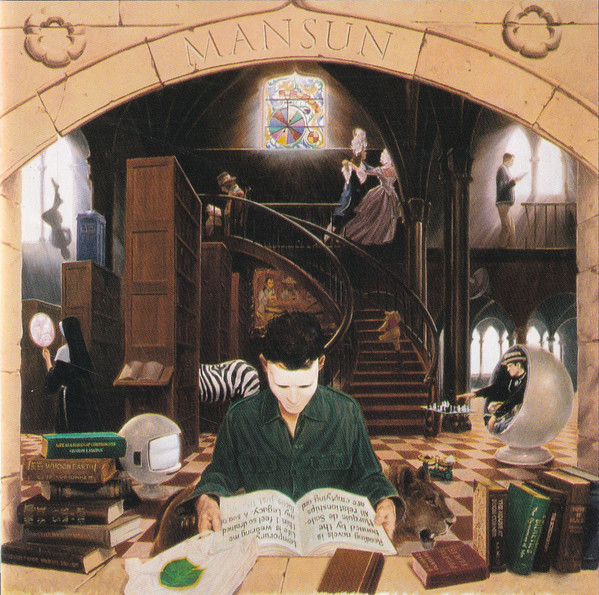
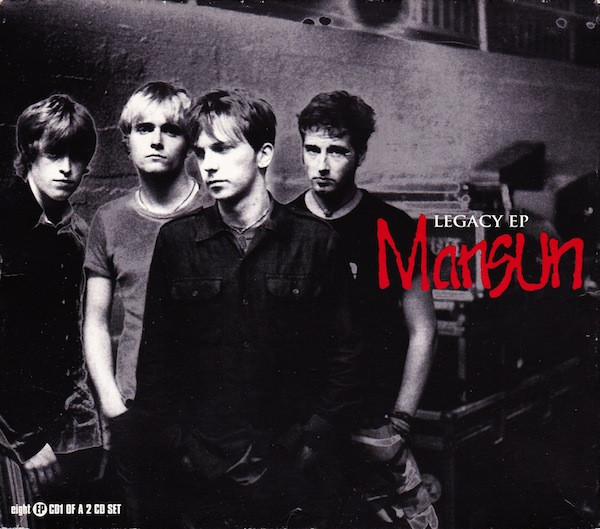
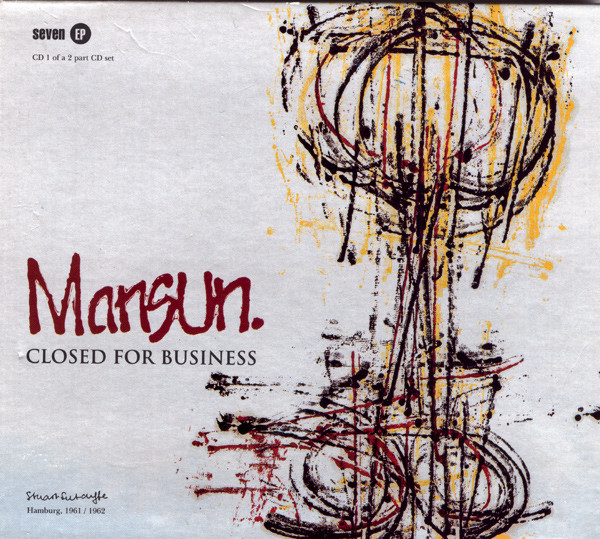
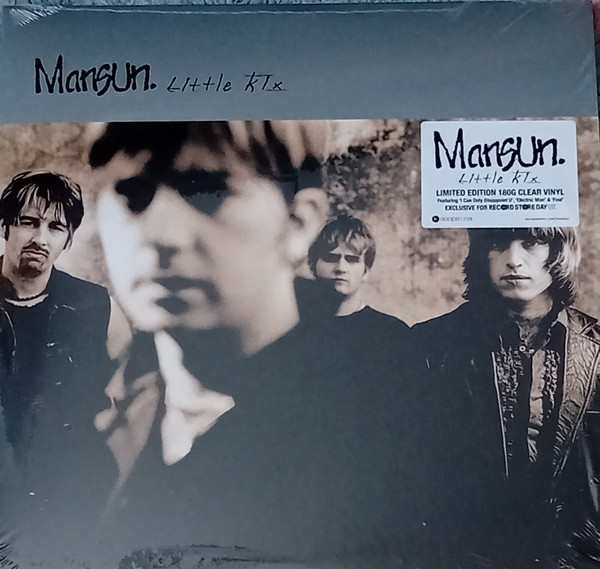
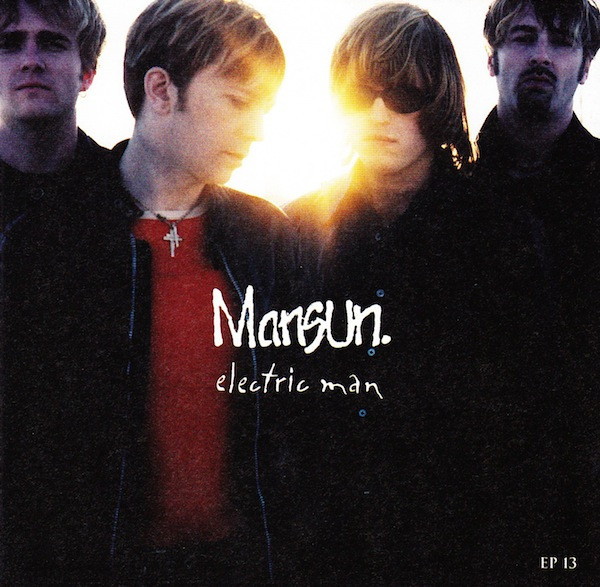
Mansun
A project Paul Draper was part of.




Related artists
Frequent collaborators
Around the web
Follow every record they touch.
Start your shelf and Gatefold tracks Paul Draper's new pressings, tour dates, and the whole discography — automatically.
Start your shelf →Free forever. Works with 10 records or 10,000.