
Artist
Patto
London, United Kingdom · 1970 – 1973
Patto is a music group from London, United Kingdom, active 1970–1973. Their discography on Gatefold includes 5 records.

5
Albums tracked
7
In collections
1970
Since
Biography
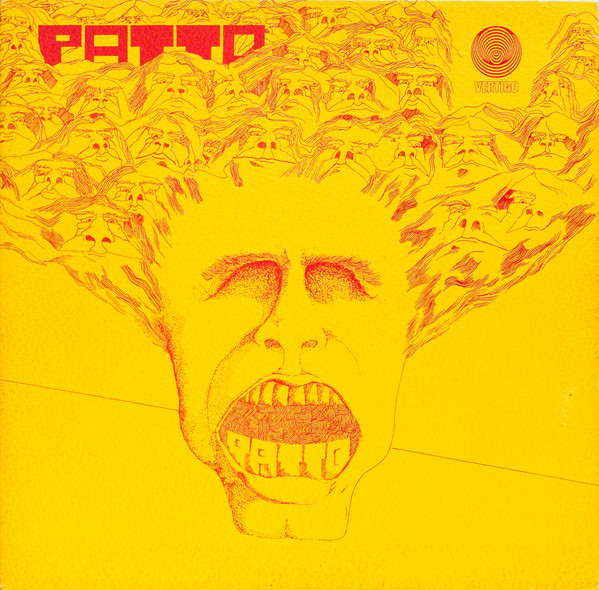
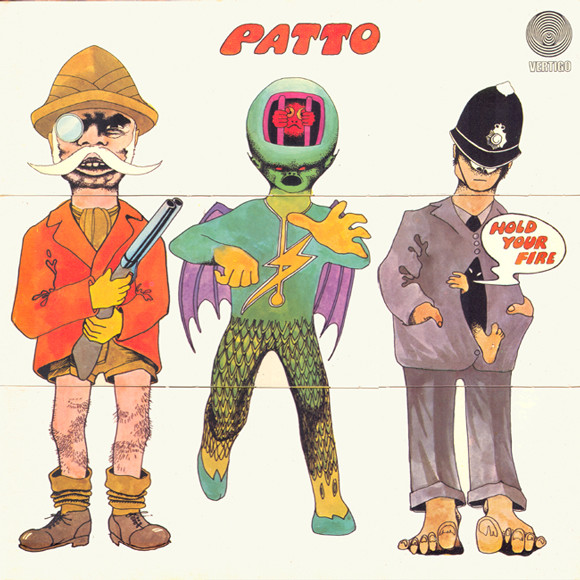
Ollie Halsall played a white Gibson Custom three-pickup SG left-handed without an overdrive pedal, running straight into clean amplifiers, and his fingers moved faster than anyone playing rock in 1970. No fuzz box to hide behind. Mike Patto was out front howling like a bruised soul shouter who had spent too many nights breathing pub smoke. Together they were a freak occurrence: a pub-rock bar band possessed by pure, terrifying jazz-fusion chops that nobody knew how to market. Their self-titled 1970 debut and 1971's Hold Your Fire hit the bins like dropped anvils and sold next to nothing. You had Halsey dropping greasy swing behind Halsall pulling whole-tone runs out of thin air, sounding like Allan Holdsworth if he grew up on Chuck Berry and bitter ale. Vertigo put their spiral logo on the center labels, but prog heads thought the band was too scruffy and blues-rock kids couldn't count the time signatures. A glorious, hard-nosed band stranded between two camps that were too dumb to meet in the middle.
Bio from The Clerk
The Arc of Patto
The pivots — what forced Patto to reinvent.
The Vertigo Spiral
Between 1970 and 1971, the band cut Patto and Hold Your Fire as four guys playing live off the floor with zero studio trickery. Halsall was inventing whole-tone legato shredding before anyone had a name for it, while Mike Patto battered his vocal cords over intricate, rapid-fire arrangements. The records sounded like a drunken bar brawl colliding with a conservatory recital. Nobody bought them, but the sheer velocity captured on those early sides remains a benchmark for raw, unvarnished British musicianship.
The Boozy Unraveling
By 1972's Roll 'em Smoke 'em Put Another Line Out, the band was visibly fracturing under industry apathy and sheer exhaustion. They leaned hard into pub humor, loose boogie, and self-deprecating parody to mask the frustration of playing empty rooms. Halsall started taking up keyboards and piano as much as guitar, which stripped away some of the lightning attack that defined their early sets. The chops were still lethal when they bothered to show them, but the record was a desperate, funny, and bittersweet goodbye note.
The Lost Shelved Epilogue
In 1973 they went in to record Monkey's Bum, only for Halsall to walk out before the sessions wrapped. Mike Patto tried to salvage the material by handling guitar parts himself, leaving the tapes unfinished and completely unreleased at the time. Island saw no commercial angle and tossed it in the vault until it finally surfaced decades later in 2002. It documents a brilliant group running on fumes, caught in amber right at the point of total collapse.
Influences
- Django Reinhardt — Ollie Halsall constantly cited Django as his primary guitar hero and structural guide. You hear it in the acoustic runs and the fluid, hyper-fast arpeggio fingerings all over Hold Your Fire. It made his rock playing swing instead of just stomp.
- John Coltrane — The band openly lifted the sheets-of-sound harmonic density and modal approach from mid-sixties Coltrane records. Halsall transposed sax lines directly onto the fretboard, trading standard blues-box licks for blistering whole-tone runs on songs like 'Hold Your Fire.' Mike Patto approached singing with that same relentless, unhinged physical attack.
- Ray Charles — Mike Patto built his entire vocal identity on the gritty, raspy shouting style of Charles's late fifties Atlantic sides. You can hear that strained, soul-drenched gravel on the debut's 'The Man.' It kept the band rooted in earthy rhythm and blues no matter how dizzying the time signatures got.
- The Beatles — Before forming Patto, the core lineup cut their teeth in Timebox playing tightly arranged 1960s pop indebted to the McCartney school of melody. You hear those vocal harmonies and quirky English pop chord movements creeping through the cracks on 'Singing the Blues on Reds.' Beneath the fusion muscle, they were always guys who understood concise melodic songwriting.
- Chuck Berry — Halsey's drum patterns and the band's underlying rhythm section drew straight from classic American rock and roll grooves. Even when Halsall went into orbit, the beat on tracks like 'San Antone' stayed locked in a barroom shuffle. It kept their most eccentric work sounding like real rock music instead of sterile jazz theory.
Discography
Their records — most-collected first.


Related artists
Around the web
Follow every record they touch.
Start your shelf and Gatefold tracks Patto's new pressings, tour dates, and the whole discography — automatically.
Start your shelf →Free forever. Works with 10 records or 10,000.