
Artist
Pat Travers
Toronto, Canada · b. 1954
Pat Travers is a musician from Toronto, Canada, active since 1954. Their discography on Gatefold includes 15 records. They also recorded with Pat Travers Band.

18
Albums tracked
36
In collections
1954
Since
Biography
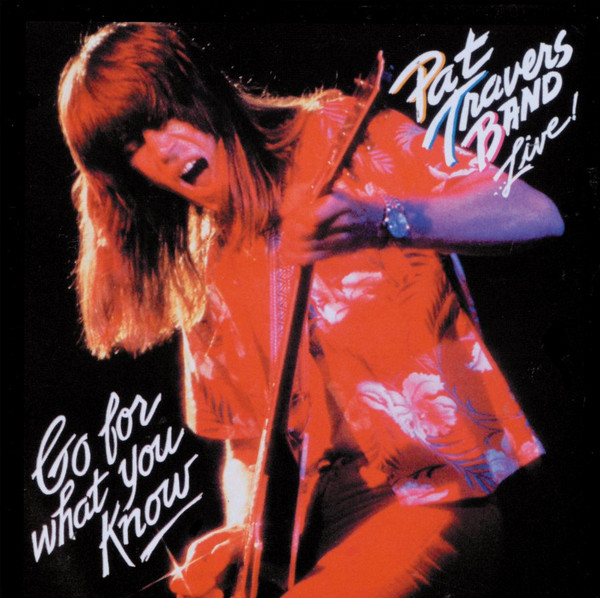
Pat Travers landed in London in '75 with a Fender Strat and a wah-wah pedal he knew how to abuse better than almost anyone on the circuit. He didn't start in a garage; he started by backing up Ronnie Hawkins, which is the same trial-by-fire that birthed The Band. By the time he hit Polydor, he wasn't interested in the polite blues-rock coming out of the UK. He wanted something louder, faster, and meaner, landing a sound that bridged the gap between the psychedelic leftovers of the sixties and the heavy metal that was about to eat the world. The real magic happened when he stopped being a solo act and recruited Pat Thrall and Tommy Aldridge. That lineup was a goddamn lightning strike of technical proficiency and pure swagger. You listen to 'Live! Go for What You Know' and you're hearing a band that could outplay anyone on the planet without losing the groove. It’s a shame the eighties tried to turn him into a melodic rock radio staple, because Travers was always at his best when he was just a Canadian kid with too much gain and a rhythm section that played like they were trying to break the stage.
Bio from The Clerk
The Arc of Pat Travers
The pivots — what forced Pat Travers to reinvent.
The London Power Trio Era
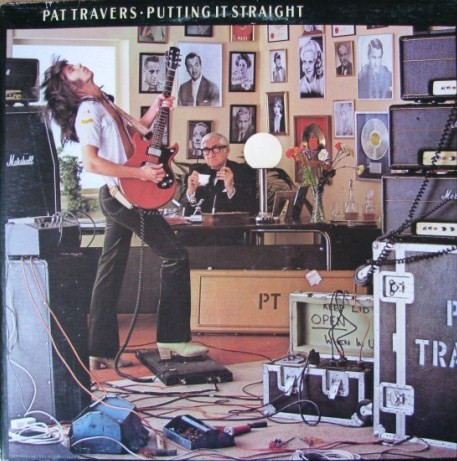
After moving to England, Travers stripped everything back to a three-piece format to compete with the rising tide of punk and hard rock. Working with producer Emil Zoghby, he cut 'Makin' Magic' and 'Putting It Straight' with a focus on tight, rhythmic intensity and heavily processed guitar tones. This was the era of the A/DA Flanger and the MXR Phase 90, creating a signature swirly, metallic sound that made him stand out in the crowded club scene. It was lean, aggressive music that focused on Travers as a triple-threat writer, singer, and shredder.
The Mars Cowling and Thrall Years
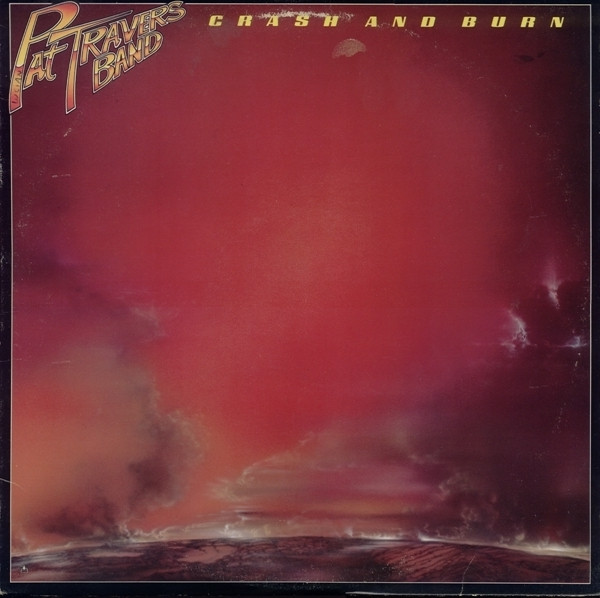
The arrival of guitarist Pat Thrall and drummer Tommy Aldridge turned the project into the definitive Pat Travers Band, shifting from straight-ahead rock to a sophisticated, funk-inflected heavy metal. This lineup was a technical powerhouse that could handle complex odd-meter riffs while maintaining a massive stadium presence. They peaked with 'Crash and Burn,' an album that showed off incredible interplay between the two guitarists over Mars Cowling’s bedrock bass lines. This era defined the 'Travers Look' and sound, characterized by high-energy performances and a dense, layered production style that dominated FM rock radio.
The Blues-Rock Retrenchment
When the hair metal explosion of the late eighties left Travers behind, he stopped chasing the pop charts and returned to his roots by signing with Blues Bureau International in the early nineties. Working with Mike Varney, he dropped the synthesizers and the polished production to focus on raw, high-gain blues-rock. Records like 'Blues Tracks' and 'Just a Touch' saw him reconnecting with the slide guitar and the shuffle rhythms he learned in his youth. It was a career-saving pivot that allowed him to stop being a legacy act and start being a respected elder statesman of the heavy blues circuit.
Influences
- Jimi Hendrix — Travers has repeatedly cited seeing Hendrix live in Ottawa in 1968 as the moment he decided to play guitar. You hear it in his heavy reliance on the Univibe and wah-wah pedal to create liquid, psychedelic textures. It is the foundation of his entire lead approach.
- Little Richard — He covered 'Lucille' on his 1980 live album and frequently credited Richard's wild energy as his blueprint for rock and roll. The frantic, shouting vocal style Travers uses on his uptempo tracks is a direct lift from the Georgia Peach. It's the grit that keeps his rock from becoming too clinical.
- Buddy Guy — Travers grew up obsessing over Buddy Guy's aggressive, stinging vibrato and unpredictable phrasing. This influence is most obvious on his 'Blues Tracks' era recordings where he mimics Guy's 'In My Younger Days' style. It’s the source of that 'mean' guitar tone he's been chasing for fifty years.
- Ronnie Hawkins — As a former member of the Hawkins touring band, Travers learned the professional 'git-it-done' discipline of the road. Hawkins was a notorious taskmaster who forced his guitarists to play with total authority. That apprenticeship gave Travers the stamina and stagecraft to lead his own power trios.
- Jeff Beck — The fusion-adjacent complexity of the Pat Travers Band era owes a massive debt to Beck’s mid-seventies output like 'Blow by Blow.' You hear the Beck influence in the way Travers uses the tremolo arm and how he incorporates jazzier scales into heavy rock riffs. He took Beck's technicality and added a lot more distortion.
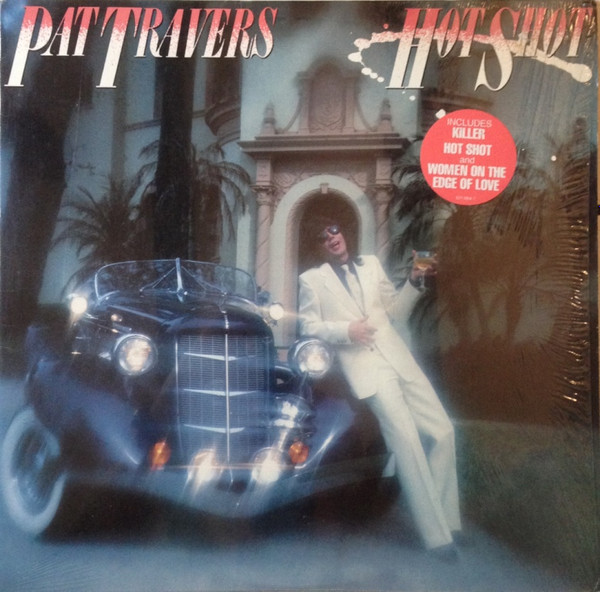
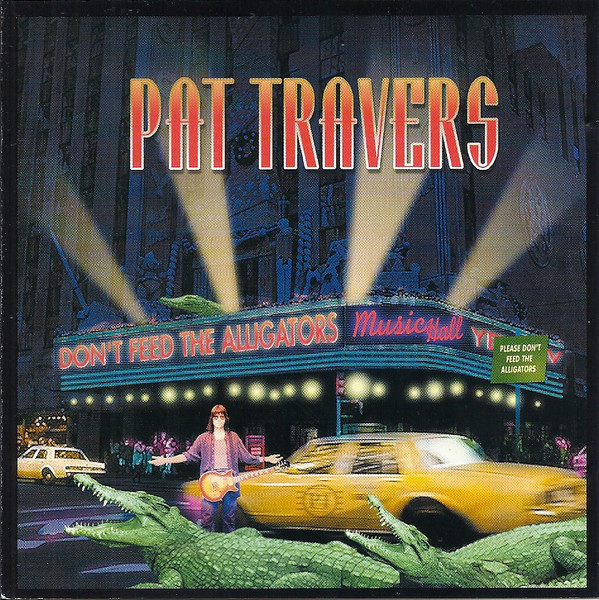
Pat Travers — solo
Their records — most-collected first.





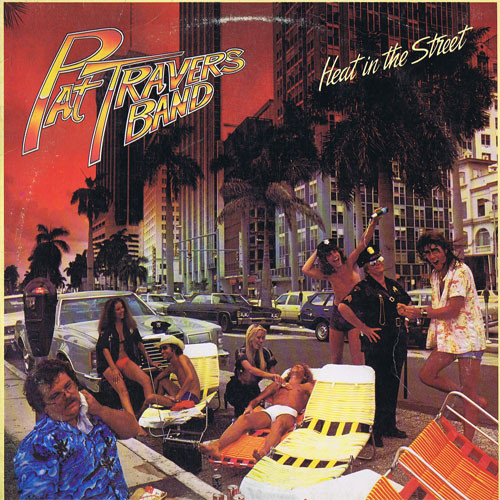
Pat Travers Band
Pat Travers under another name — MusicBrainz marks this project eponymous.
Related artists
Frequent collaborators
Around the web
Follow every record they touch.
Start your shelf and Gatefold tracks Pat Travers's new pressings, tour dates, and the whole discography — automatically.
Start your shelf →Free forever. Works with 10 records or 10,000.