
Artist
Pat Metheny Group
United States · Formed 1978
Pat Metheny Group is a music group from United States, active since 1978. Their discography on Gatefold includes 14 records.

14
Albums tracked
115
In collections
1978
Since
Biography
Pat Metheny bought a Roland GR-300 guitar synthesizer in 1980 and immediately did what most jazz purists considered a cardinal sin. He made it the primary voice of his group. While other fusion guys were busy trying to sound like keyboard players, Metheny used the blue floor unit to make his hollow-body Gibson ES-175 sound like a screaming, brassy trumpet. That synthetic howl became the signature of the Pat Metheny Group. It was a polarizing, hyper-clean sound that bypassed traditional jazz grit entirely. The real engine of this band was the writing partnership between Metheny and keyboardist Lyle Mays. Mays brought a symphonic, almost classical structure to the table that kept Metheny's Midwestern melodic optimism from turning into pure elevator music. They built a massive, stadium-sized audience on ECM and Geffen by touring like a punk band, playing over two hundred dates a year in the late seventies and early eighties. When they got it right, they achieved a widescreen, cinematic weight. When they got it wrong, they drifted into sterile, adult-contemporary territory that paved the way for smooth jazz. By the mid-eighties, the group was incorporating Brazilian vocalists like Pedro Aznar and Nana Vasconcelos as wordless percussion instruments. This move saved them from the clinical, cold digital production of the era. They survived the decade by getting weirder and more global, rather than leaning into the cheap, DX7-heavy pop trends that killed off their fusion contemporaries. They were a formidable live unit that could pivot from delicate acoustic duets to dense, polyrhythmic noise in a single set.
Bio from The Clerk
The Arc of Pat Metheny Group
The pivots — what forced Pat Metheny Group to reinvent.
The ECM Foundation
Between 1978 and 1980, the core lineup of Metheny, Lyle Mays, bassist Mark Egan, and drummer Danny Gottlieb defined a new, spacious sound for the ECM label. This era was defined by a clean, airy aesthetic that was the direct antithesis of the aggressive, distorted fusion of Return to Forever or Weather Report. On the self-titled debut and American Garage, the rhythm section played with a light, propulsive driving feel that sounded more like heartland rock than bebop. You hear this clearly on tracks like Phase Dance, where Egan's fretless bass and Mays' Oberheim synthesizer create a pastoral, open-air atmosphere. It was jazz with the windows rolled down, built on major chords and relentless touring.
The Synth-Guitar Shift
The acquisition of the Roland GR-300 guitar synthesizer and the arrival of bassist Steve Rodby in 1981 completely shifted the band's sonic architecture. For 1982's Offramp, Metheny pushed the group into stranger, more electronic territory while still maintaining their core lyricism. The title track of that record features Metheny screaming through his synth guitar like a free-jazz saxophonist over a dense, dark rhythm bed. This era proved they were not just a polite instrumental band. They were actively weaponizing new technology to create a louder, more aggressive fusion.
The World Beat Expansion
In 1984, the group pivoted toward complex, global polyrhythms by bringing in multi-instrumentalist Pedro Aznar for the album First Circle. Aznar's wordless, soaring vocals and acoustic percussion changed the entire texture of the band, taking the pressure off Metheny's guitar to carry every melody. This lineup excelled at shifting meters and dense, layered arrangements that culminated in the massive commercial success of Still Life (Talking) in 1987. The tracks from this run feature a distinctive blend of Brazilian samba grooves and Midwestern folk melodies that became the group's most lucrative formula.
The Long-Form Symphony
After decades of writing five-minute tunes, Metheny and Mays decided to push the group to its absolute structural limit for 2005's The Way Up. They recruited drummer Antonio Sanchez and harmonica virtuoso Gregoire Maret to execute a single, continuous sixty-eight-minute composition. The piece was broken into four parts on the CD but was designed as a massive, uninterrupted suite that demanded total focus from the listener. It was a massive rejection of the iTunes-era track-skipping culture and became the final, definitive statement of the Metheny-Mays partnership.
Influences
- Wes Montgomery — Metheny has repeatedly cited Montgomery as his ultimate guitar hero and even recorded a tribute track called Blues for Pat on a Kenny Carter session. You hear this influence in Metheny's fluid, octave-based soloing style and his warm, rounded neck-pickup tone. He took Montgomery's swing and stretched it over modern, straight-eight rhythms.
- Ornette Coleman — Metheny studied Coleman's harmolodic theory intensely, eventually recording the collaborative album Song X with him in 1986. The influence is all over the Pat Metheny Group's more adventurous live improvisations and the frantic, non-diatonic lines Metheny plays during his GR-300 synth-guitar solos. It provided the avant-garde edge that kept the group's melodicism from turning sweet.
- Milton Nascimento — Metheny's obsession with Brazilian music is well-documented, and he has cited Nascimento's late sixties and seventies records as the blueprint for his own melodic writing. The wordless vocal arrangements and lush chord changes on PMG records like Still Life (Talking) are a direct lift from Nascimento's signature Minas Gerais sound. Metheny even hired Nascimento's close collaborator, Hugo Fattoruso, to play keyboards on his solo projects.
- Gary Burton — Metheny joined vibraphonist Gary Burton's band in 1974 as a teenager, which served as his real-world conservatory. Burton's use of multi-mallet chordal playing directly shaped how Metheny approached harmony on the guitar, teaching him how to comp like a piano player. The clean, chamber-jazz aesthetic of Burton's ECM releases laid the groundwork for the first Pat Metheny Group records.
- Jim Hall — Metheny eventually recorded a duo album with Hall in 1999, cementing a lineage of jazz guitar that favors space and interaction over flash. You hear Hall's influence in Metheny's delicate acoustic work and his focus on conversational comping behind Lyle Mays' solos. Hall taught Metheny that the notes you don't play are just as important as the ones you do.
Discography
Their records — most-collected first.
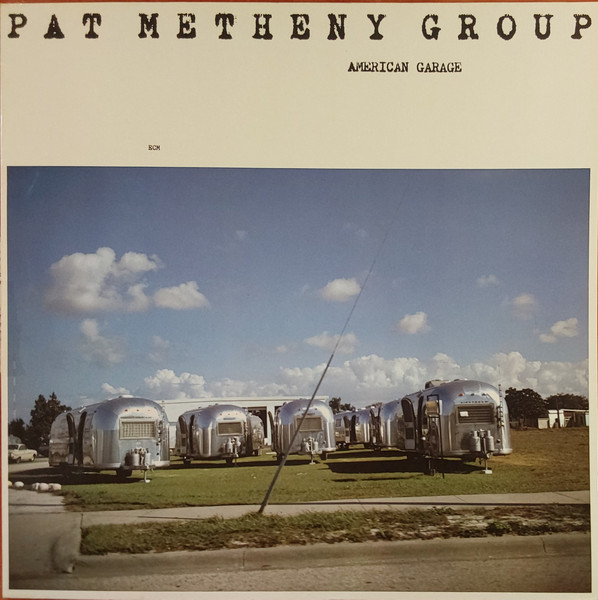
American Garage
1979
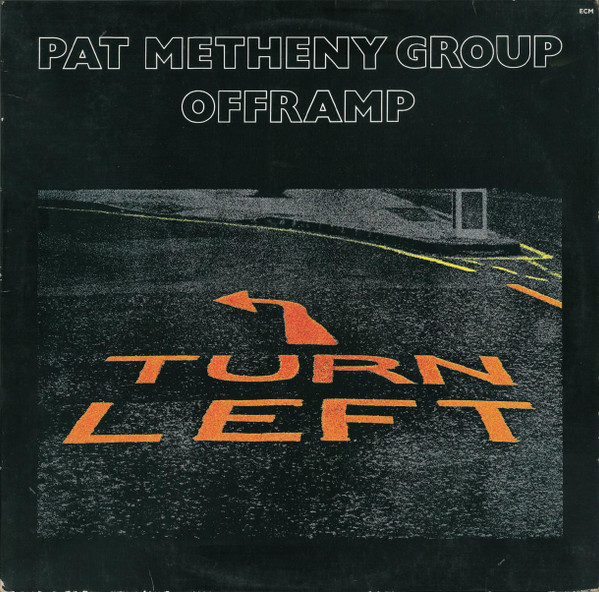
Offramp
1982
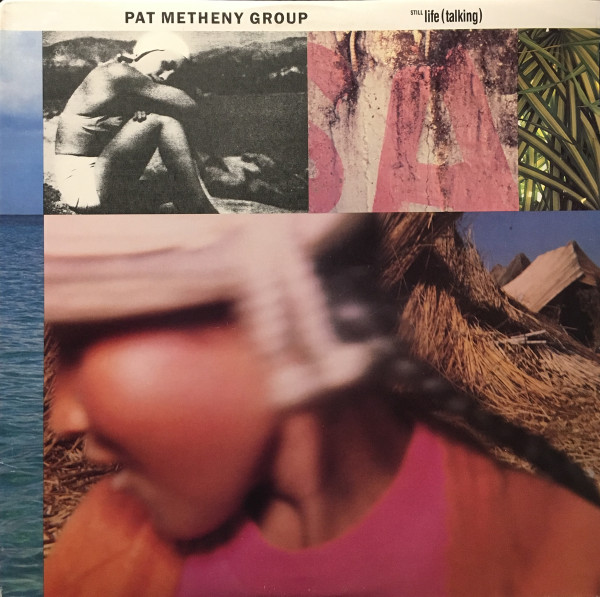
Still Life (Talking)
1987
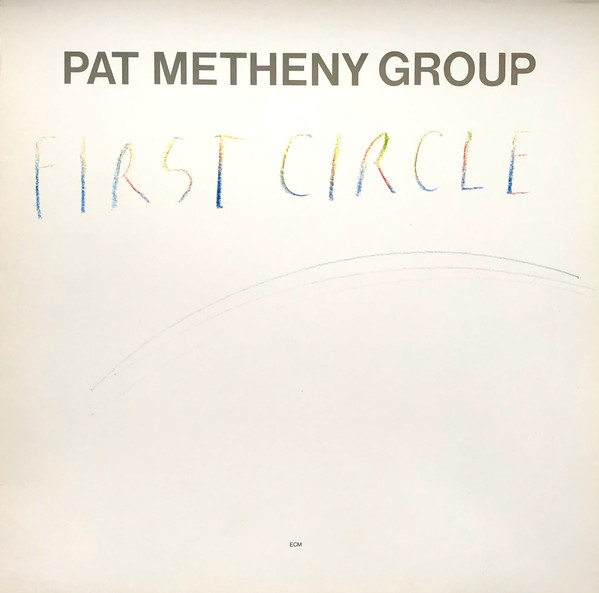
First Circle
1984
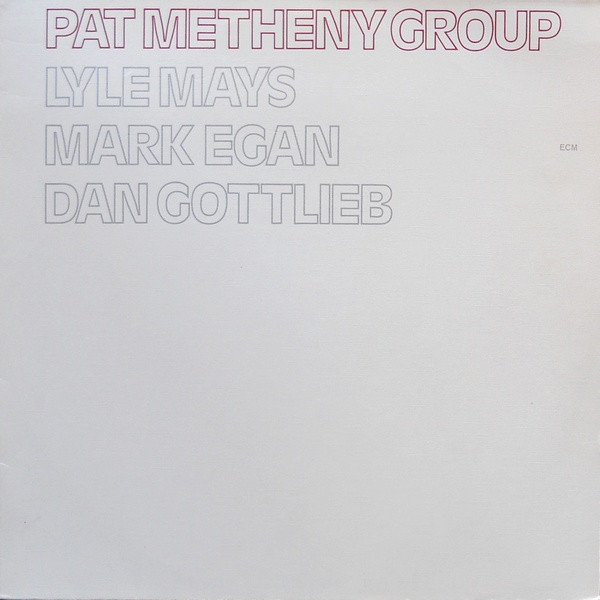
Pat Metheny Group
1978
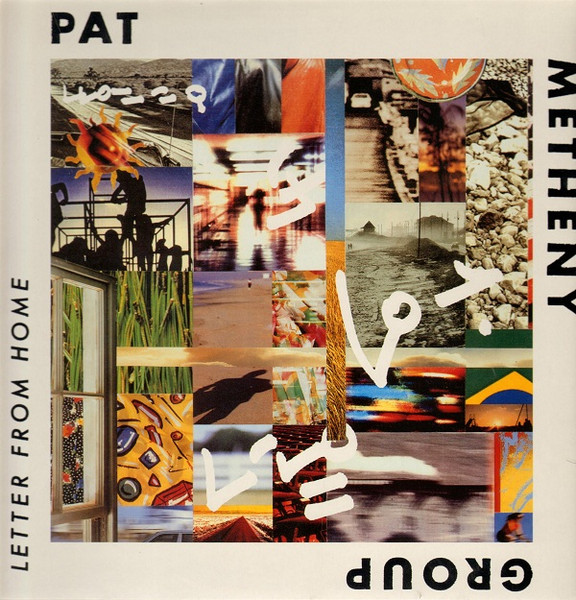
Letter From Home
1989
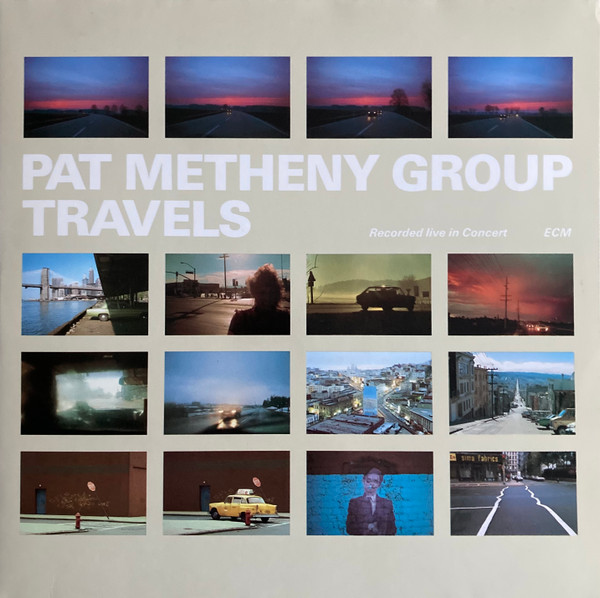
Travels
1983

Imaginary Day
1997
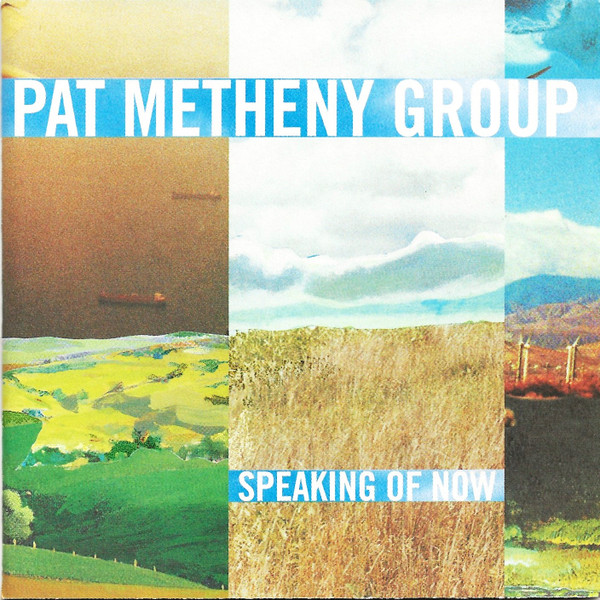
Speaking Of Now
2002

We Live Here
1995
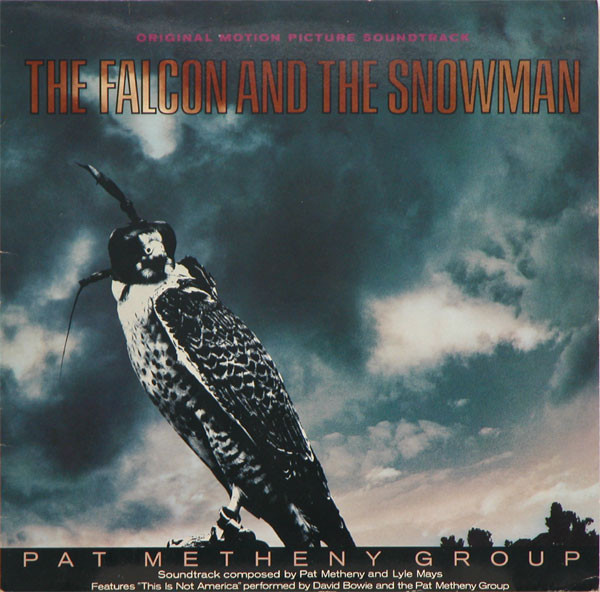
The Falcon And The Snowman (Original Motion Picture Soundtrack)
1985
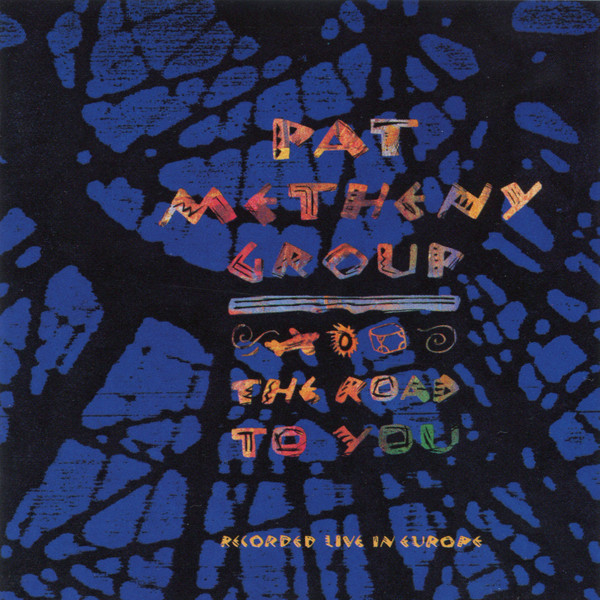
The Road To You (Recorded Live In Europe)
1993
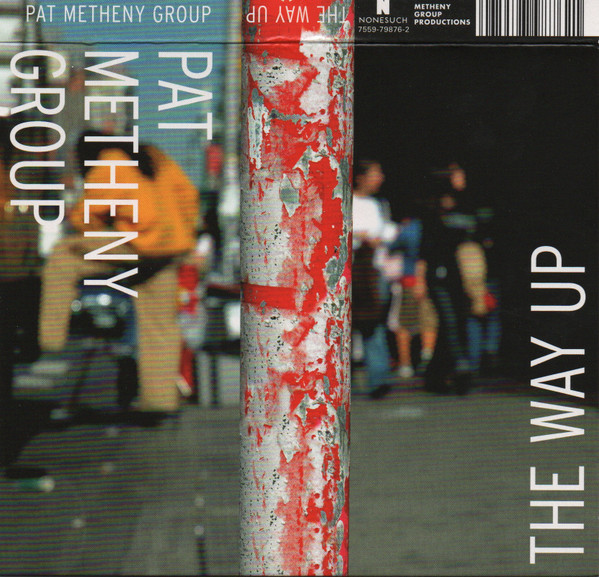
The Way Up
2005

"Quartet"
1996
Related artists
Members
Frequent collaborators
Around the web
Follow every record they touch.
Start your shelf and Gatefold tracks Pat Metheny Group's new pressings, tour dates, and the whole discography — automatically.
Start your shelf →Free forever. Works with 10 records or 10,000.