
Artist
Parquet Courts
US garage rock band
Brooklyn, United States · Formed 2010
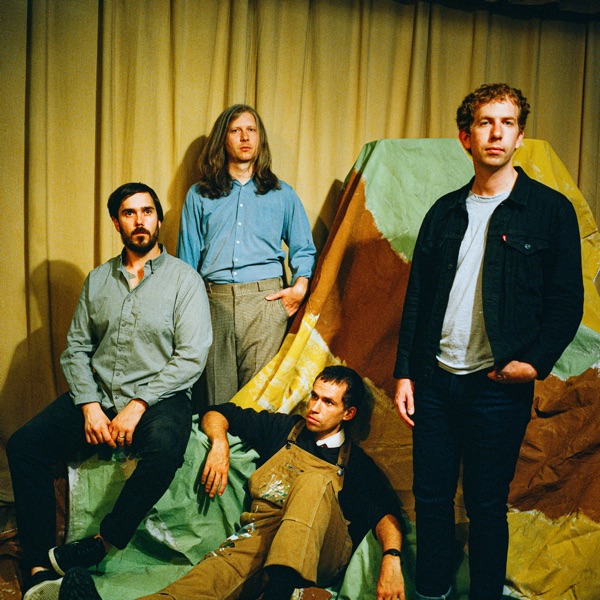
Parquet Courts is a music group from Brooklyn, United States, active since 2010. Their discography on Gatefold includes 12 records.
12
Albums tracked
118
In collections
2010
Since
Biography
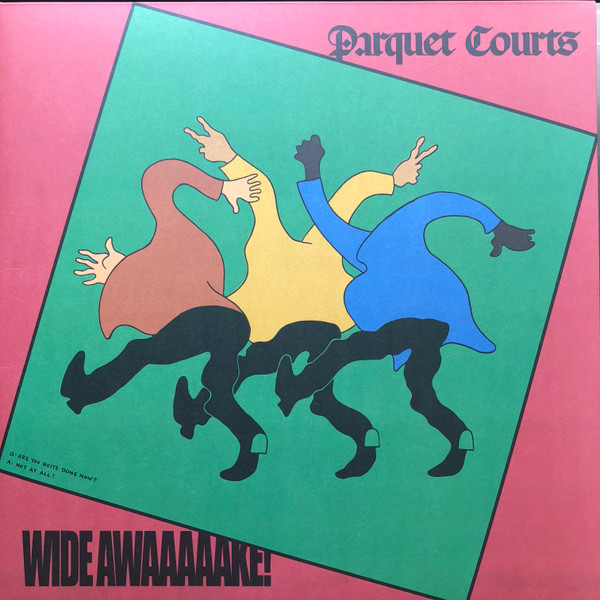
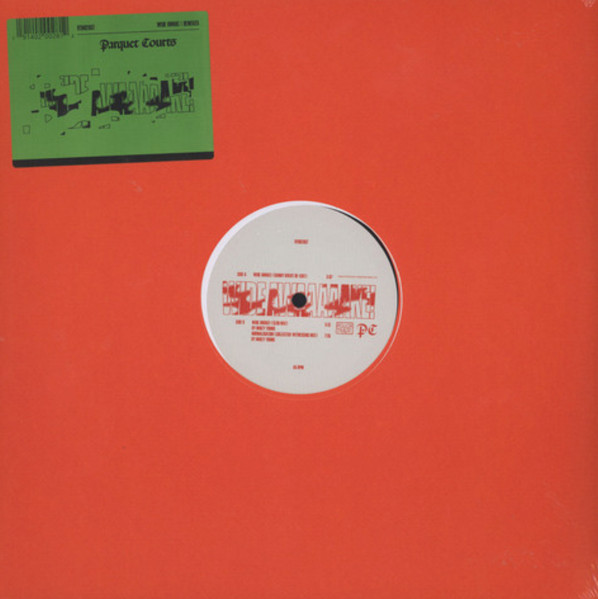
They started as four guys in a windowless practice space in Brooklyn, recording American Specialties on a fucking cassette tape that they ended up handing out at shows just to prove they existed. Andrew Savage was coming off a stint in Teenage Cool Kids and Fergus & Geronimo, but he wanted something flatter, more repetitive, and stripped of the garage-rock theater. Most bands would have taken the sudden buzz from Light Up Gold and signed to a major immediately, but they stuck with Dull Tools and Woodsist for as long as they could. It was about controlling the aesthetic—no glossy press photos, no high-budget videos, just those hand-drawn, DIY sleeves that looked like they belonged in a 1982 fanzine. By the time they hit Wide Awake!, they let Brian Burton—Danger Mouse—into the booth. People freaked out thinking they were going pop, but Burton just tightened the screws and emphasized Max Savage’s drumming. It was a hell of a risk for a band that made their name on being jittery and detached. They traded the insular Brooklyn grit for a record that actually had some low-end and a bit of a groove, proving they weren't just another group of guys with Art History degrees recycling the Fall’s discography. They’ve managed to stay vital by constantly pivoting just before the schtick gets old.
Bio from The Clerk
The Arc of Parquet Courts
The pivots — what forced Parquet Courts to reinvent.
The Dull Tools Purge
After the cassette-only debut, the band hunkered down to track Light Up Gold in a frantic three-day session at a studio in Queens. This era was defined by Andrew Savage and Austin Brown’s interlocking guitar work—sharp, trebly, and devoid of any bluesy bullshit or solos. They weren't interested in being 'rock stars' and instead focused on the minutiae of New York life, resulting in a sound that was claustrophobic, incredibly fast, and purposefully dry. It caught the tail end of the Brooklyn garage scene but felt more intellectual and pissed off than anything their peers were doing.
The Rough Trade Expansion
Signing to Rough Trade for Sun Bathing Animals saw the band embracing longer, more grueling song structures that tested the patience of the 'stoned and starving' crowd. The title track is a masterclass in repetition, built on a relentless, mechanical rhythm that feels like it’s going to break at any second. They stopped trying to be the 'fun' band and leaned into the tension, with Sean Yeaton’s bass becoming the melodic anchor while the guitars descended into atonal noise. This was the moment they moved from being a local curiosity to a band that could headline festivals without softening their edge.
The Luppi Departure
The 2017 collaboration with Italian composer Daniele Luppi on Milano forced the band into a completely different headspace as a backing unit. Working under Luppi’s direction, they had to provide the grit for Karen O’s vocals, which loosened up their rigid arrangements and introduced a cinematic, sleazy funk influence. You can hear this experiment directly bleeding into Wide Awake!, where they ditched the monochromatic post-punk for cowbells, group vocals, and a production style that actually breathed. It was the first time the band sounded like they were having a party instead of a nervous breakdown.
Influences
- The Fall — Andrew Savage has explicitly cited Mark E. Smith’s 'non-singing' and the band's 'repetition, repetition, repetition' mantra as their foundational philosophy. You hear it in the deadpan delivery and the way they lock into a single chord for five minutes straight. It’s the same working-class snobbery and refusal to play the industry game.
- Wire — The band’s early penchant for sub-two-minute songs and surgical guitar strikes is a direct descendant of the Pink Flag era. Austin Brown’s jagged, staccato riffs on tracks like 'Borrowed Luck' are textbook Wire worship. They took the 1977 blueprint and updated it for 21st-century anxiety.
- Minutemen — The band covered 'It’s Expected I’m Gone' and frequently credits the D. Boon/Mike Watt dynamic for their own lean, no-filler approach to songwriting. The frantic, nervous energy and the way the bass acts as a lead instrument is straight out of the Double Nickels on the Dime playbook. It’s punk for people who actually know how to play their instruments.
- Pavement — The slack, conversational vocal trade-offs between Savage and Brown mirror the Malkmus and Kannberg dynamic on early Matador releases. You can hear the Slanted and Enchanted influence in their more melodic, mid-tempo tracks where the cynicism is buried under a layer of fuzz. They inherited that specific brand of articulate, collegiate indie rock that refuses to be earnest.
- The Modern Lovers — Jonathan Richman’s proto-punk simplicity and his fixation on mundane city life is the spiritual heart of Light Up Gold. The deadpan observational lyrics about grocery stores and donuts are a total nod to 'Roadrunner' and 'Government Center.' They took Richman's DNA and added a lot more feedback and bile.
Discography
Their records — most-collected first.



Related artists
Members
Around the web
Follow every record they touch.
Start your shelf and Gatefold tracks Parquet Courts's new pressings, tour dates, and the whole discography — automatically.
Start your shelf →Free forever. Works with 10 records or 10,000.