
Artist
OutKast
Atlanta, United States · Formed 1991
OutKast is a music group from Atlanta, United States, active since 1991. Their discography on Gatefold includes 23 records.

23
Albums tracked
569
In collections
1991
Since
Biography
Organized Noize was working out of a dirt-floor basement in Atlanta called the Dungeon before the world knew the South had anything to say. That's where Big Boi and Dre cut their teeth, dealing with cramped quarters and a lack of high-end gear that forced them to lean into live instrumentation and thick, humid grooves. LaFace Records didn't really know what to do with two teenagers rapping about Cadillacs and pimping, but the production team gave them a sonic backbone that sounded like nothing coming out of the New York or LA factories. By the time they hit the turn of the millennium, the duo was drifting into two completely different solar systems. Dre was ditching the MPC for guitars and vocal booths while Big Boi kept the Cadillac running with increasingly complex, double-time flows. It was a beautiful, chaotic friction that eventually blew the group apart. You can hear the divorce happening in real time across their later records, shifting from a cohesive unit to two solo acts begrudgingly sharing a barcode. When they finally called it quits after a movie soundtrack that nobody asked for, it felt less like a tragedy and more like a necessary release valve.
Bio from The Clerk
The Arc of OutKast
The pivots — what forced OutKast to reinvent.
The Dungeon Family Foundation
The debut was purely a product of the Dungeon, with Rico Wade, Ray Murray, and Sleepy Brown handling every single beat to create a cohesive, dusty Southern funk. This era was about establishing a regional identity against the dominant coastal sounds of '94, using live bass and organic percussion to mirror the grit of Atlanta's East Point. You hear two kids trying to prove they belong in the conversation, delivering sharp, rhythmic verses over some of the warmest analog production of the decade.
The Cosmic Pivot
Everything changed when the duo started producing themselves and discovered the MPC3000's potential for spacey, stripped-back minimalism on ATLiens. They moved away from the party-centric funk of the debut toward a colder, more isolated sound influenced by their growing interest in extraterrestrial themes and a sobered-up lifestyle. The rhymes slowed down, the echoes got longer, and the introduction of eerie synth pads signaled the moment OutKast stopped caring about Earthbound hip-hop conventions.
The Split Personality Double
By 2003, the tension between Big Boi’s street-wise funk and André’s psychedelic pop ambitions became too large for a single disc to contain. They recorded Speakerboxxx and The Love Below almost entirely in separate studios, resulting in a double album that serves as a public document of a band dissolving. It’s the sound of one man trying to save the funk and another trying to reinvent the Prince playbook, held together by little more than a shared contract and a massive marketing budget.
Influences
- Parliament-Funkadelic — George Clinton is the spiritual godfather of the whole Stankonia aesthetic. You hear it in the layered, choral vocal arrangements and the decision to prioritize 'the stank' over traditional song structures. André explicitly cited P-Funk as the blueprint for their world-building approach.
- Sly & The Family Stone — The influence of There's a Riot Goin' On is all over the darker, more druggy textures of their mid-career work. They lifted the idea of the multi-instrumentalist collective from Sly, using a rotating cast of players to blur the lines between rock, soul, and hip-hop. The loose, behind-the-beat drumming on Aquemini is a direct descendant of Sly’s funk.
- Prince — André 3000’s shift toward singing, flamboyant costuming, and gender-bending visuals is straight out of the Purple Rain playbook. The synth-heavy arrangements on songs like 'Prototype' mirror Prince’s minimalist Minneapolis sound. He’s mentioned Prince as the primary reason he felt comfortable stepping away from the microphone to pick up a guitar.
- A Tribe Called Quest — Before they found their own voice, Big Boi and Dre were obsessive Tribe fans who admired the interplay between Q-Tip and Phife Dawg. You hear that DNA in their early call-and-response patterns and the heavy use of jazz-inflected basslines. They took Tribe’s 'Native Tongues' bohemian vibe and redrew it for the American South.
- Slick Rick — Rick’s narrative style is the backbone of OutKast’s storytelling, particularly on tracks like 'Da Art of Storytellin'.' They even brought the Ruler in for a guest spot on 'Art of Storytellin' (Part 1)' to pay direct homage. The cadence and the focus on detailed, character-driven lyrics are rooted in Rick's late-80s run.
Discography
Their records — most-collected first.
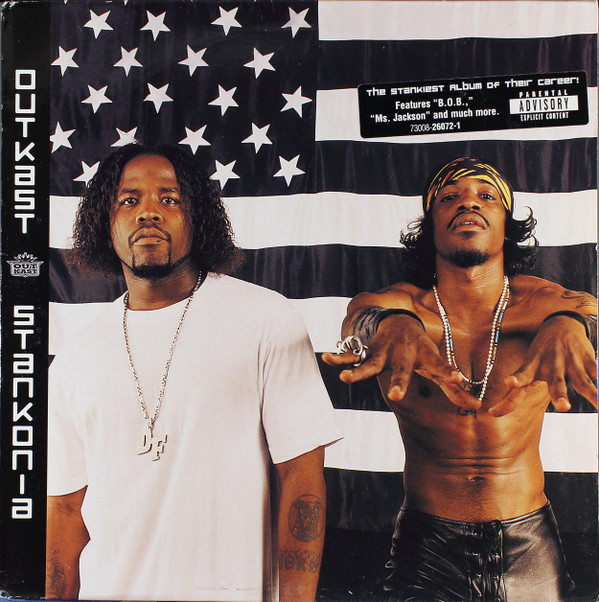
Stankonia
2000
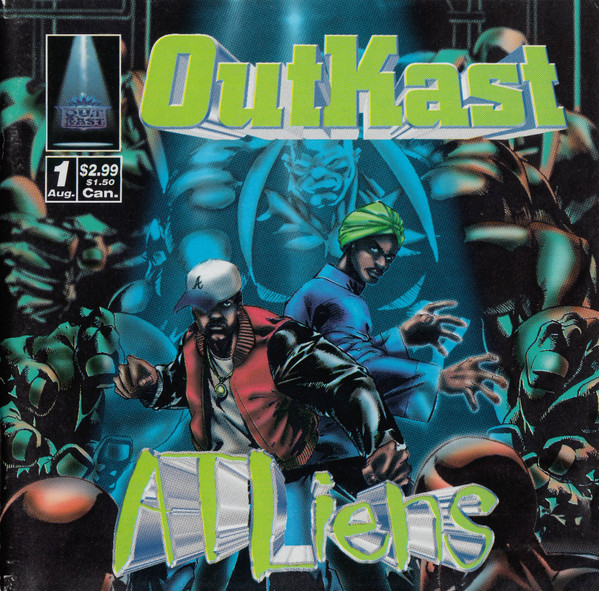
ATLiens
1996
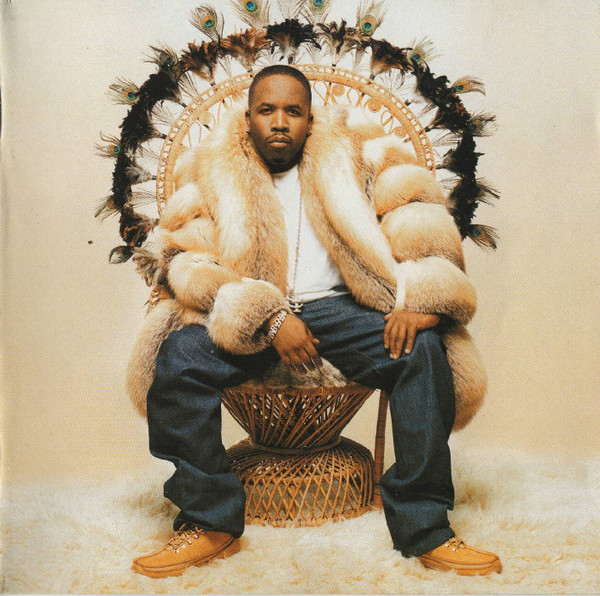
Speakerboxxx / The Love Below
2003

Aquemini
1998
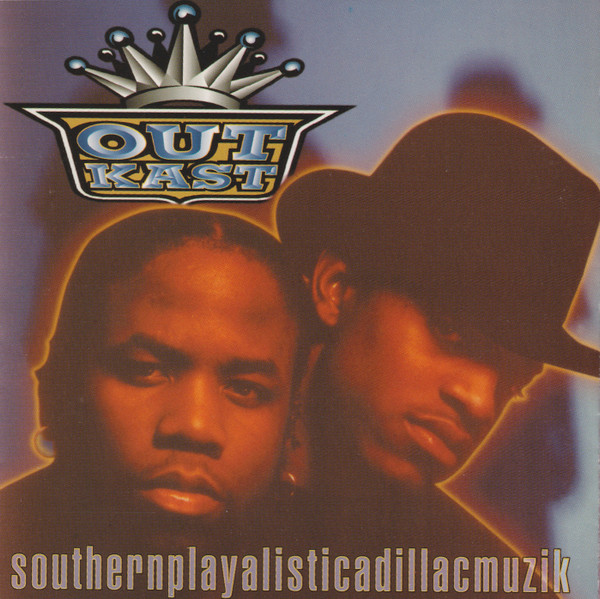
Southernplayalisticadillacmuzik
1994
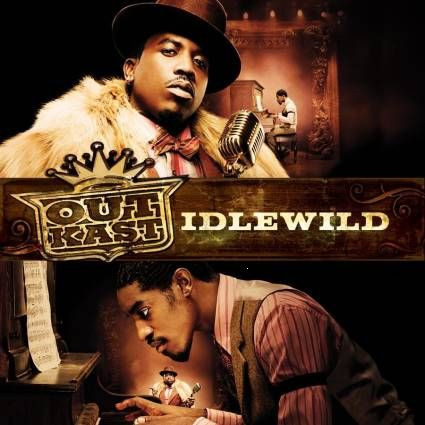
Idlewild
2006
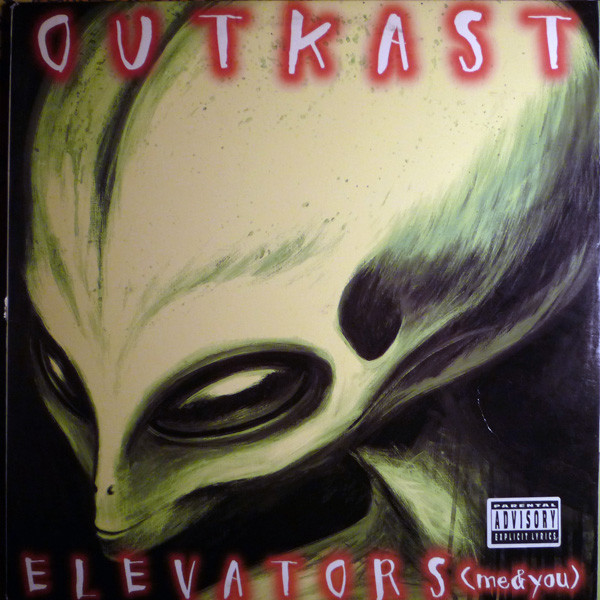
Elevators (Me & You)
1996
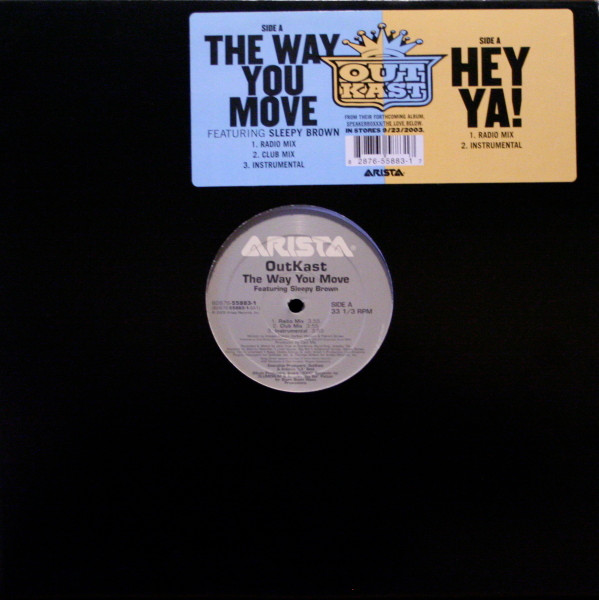
The Way You Move / Hey Ya!
2003
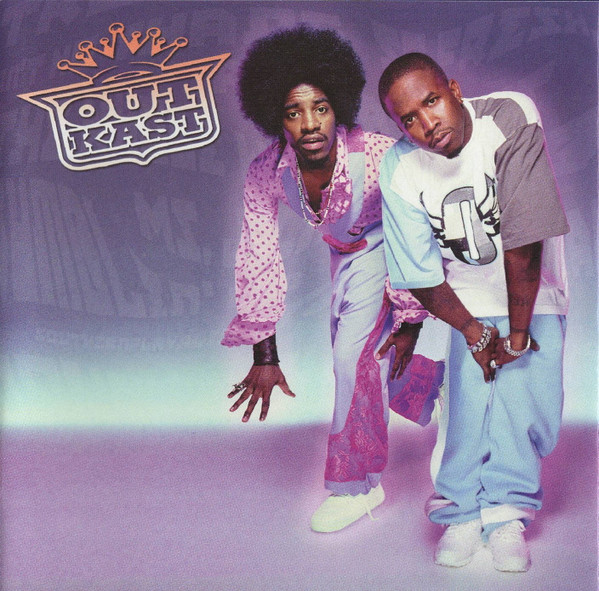
Big Boi & Dre Present... Outkast
2001
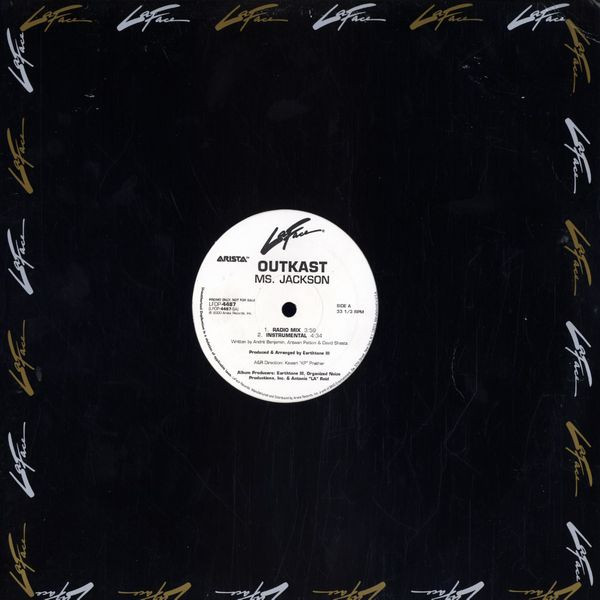
Ms. Jackson
2001
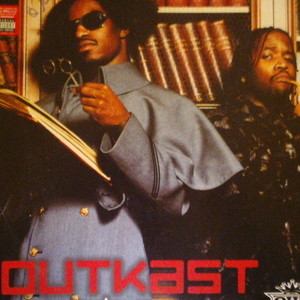
So Fresh, So Clean
2001
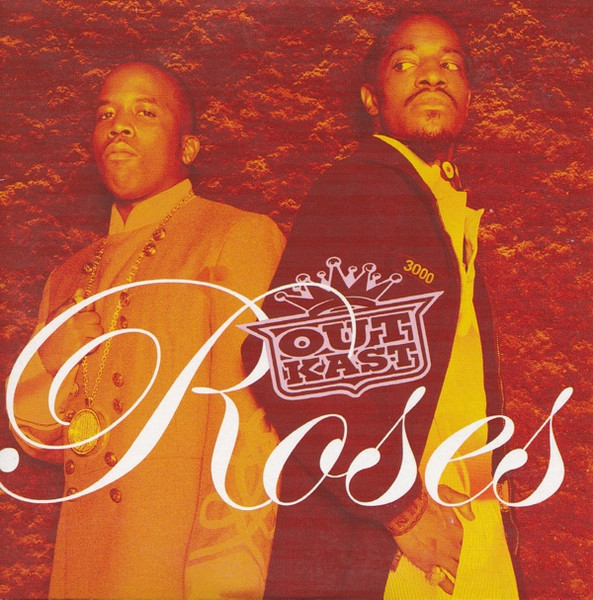
Roses
2004
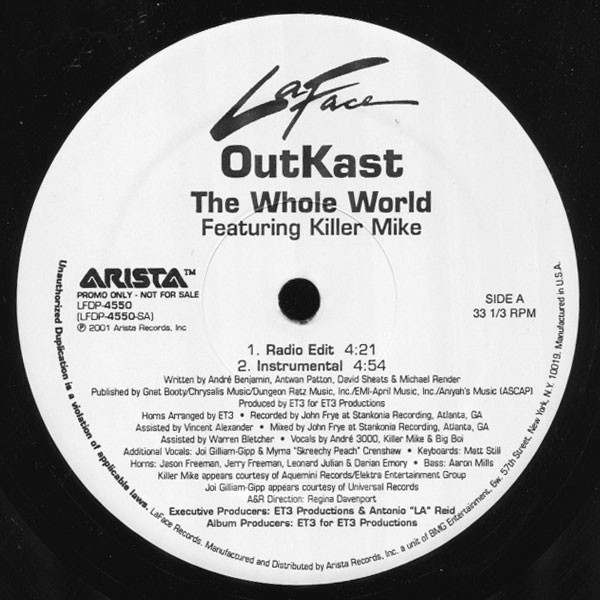
The Whole World
2002
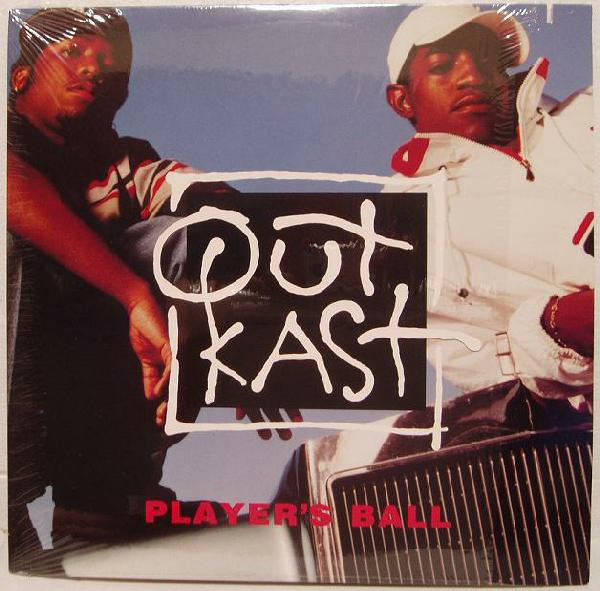
Player's Ball
1993

Hollywood Divorce
2006
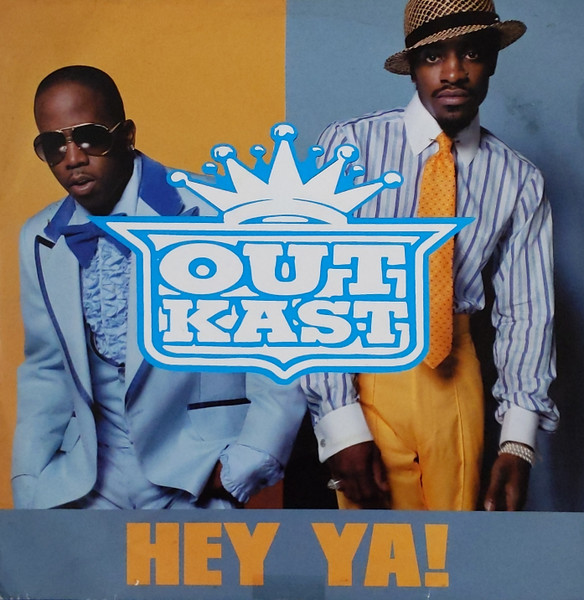
Hey Ya!
2003

GhettoMusick
2003
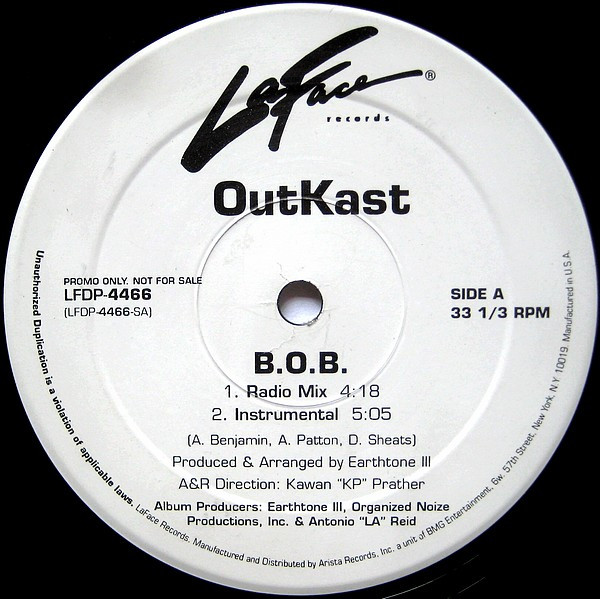
Bombs Over Baghdad
2000
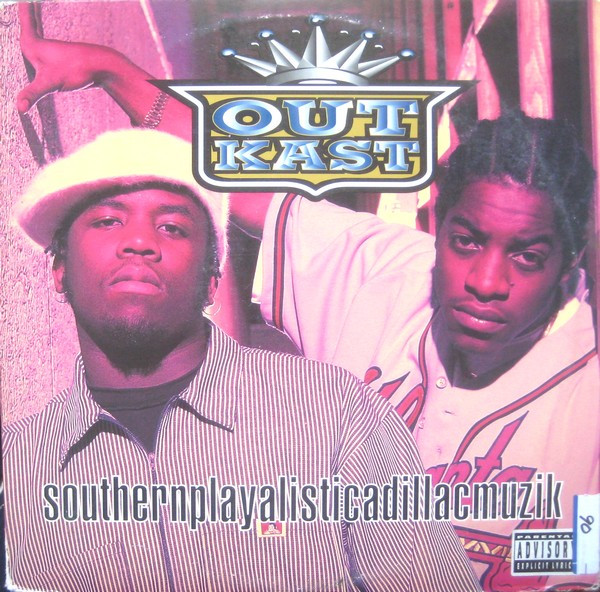
Southernplayalisticadillacmuzik
1994

Morris Brown / Idlewild Blue (Don'tchu Worry 'Bout Me)
2006

The Way You Move
2004

Git Up, Git Out
1994
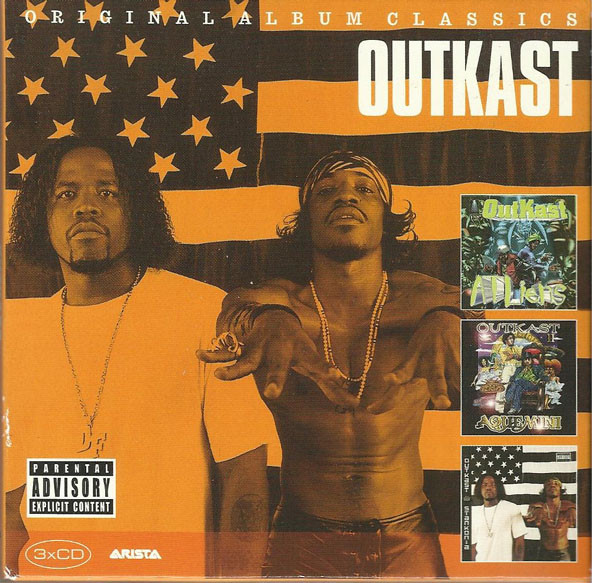
Original Album Classics
Related artists
Members
Frequent collaborators
Around the web
Follow every record they touch.
Start your shelf and Gatefold tracks OutKast's new pressings, tour dates, and the whole discography — automatically.
Start your shelf →Free forever. Works with 10 records or 10,000.