
Artist
Okkervil River
Austin, United States · Formed 1998
Okkervil River is a music group from Austin, United States, active since 1998. Their discography on Gatefold includes 16 records.

16
Albums tracked
70
In collections
1998
Since
Biography
They cut their early records in Austin houses with cheap dynamic microphones, capturing a frantic, unhinged energy that felt like a literary brawler in a crowded bar. Will Sheff was less of a traditional singer and more of a desperate street preacher, spitting out hyper-literate, syllable-stuffed prose over acoustics that sounded like they were being actively punished. It was shaky, raw, and completely devoid of the slick indie-pop sheen that was starting to dominate the early 2000s. Then the band hit their stride by leaning directly into theatrical melodrama without losing their dirt-under-the-fingernails grit. They took classic folk-rock arrangements and blew them up with brass, pedal steel, and Sheff’s cracking, throat-shredding delivery. It worked because the band played with a tense, chaotic urgency, making stories about washed-up actors and dead musicians feel like matter-of-life-and-death stakes. They hit a wall when the production got too clean and the arrangements got too polite in the 2010s, but that early run remains a masterclass in how to weaponize desperate, blood-spitting sincerity on tape.
Bio from The Clerk
The Arc of Okkervil River
The pivots — what forced Okkervil River to reinvent.
The Austin House Show Era
Before Jagjaguwar picked them up, the band recorded on a shoestring budget, relying on sheer desperation and acoustic instruments pushed to the clipping point. The lineup with Jonathan Meiburg on accordion and keyboards brought a dense, traditional folk skeleton that Sheff constantly tried to rip apart with his vocals. You hear this clearly on Don't Fall in Love With Everyone You See, where the tape hiss and room bleed are practically extra band members. It is the sound of a band trying to escape the confines of regional indie-folk through raw, physical exertion.
The Brian Beattie Trilogy
Producer Brian Beattie took them into his home studio and helped them build a louder, more theatrical world around Sheff’s dense character studies. This stretch, starting with Black Sheep Boy, saw the band embracing carnival-esque keys, brass, and a heavier rhythm section. Travis Nelsen’s drums started hitting like a rock band rather than a folk outfit, giving Sheff the muscular backing he needed to scream without sounding thin. It culminated in The Stage Names, a big, brassy, self-referential record that accepted pop structures while keeping the emotional stakes incredibly high.
The Over-Engineered Pivot
For I Am Very Far, Sheff took over production duties himself, booking expensive studios like Sonic Ranch and throwing everything at the wall, including dual drummers and sheet-metal percussion. The result was a dense, sometimes suffocating record where the core band's chemistry got buried under sheer volume and arrangement ideas. The loose, conversational folk-rock of their early days was replaced by a cold, cinematic ambition. It proved that bigger budgets do not always mean bigger emotional payoffs, a lesson they spent the next few records trying to untangle.
Influences
- Roky Erickson — The band backed the legendary 13th Floor Elevators frontman on his 2010 comeback album True Love Cast Out All Evil, which was produced by Will Sheff. You hear Roky’s jagged, Southern-gothic intensity in the way Sheff structures his own dark, redemption-seeking lyrics. It is the direct link to the Austin psych-rock fringe.
- Leonard Cohen — Okkervil River covered Cohen's 'The Butcher' on their Golden Opportunities Mixtape. You can hear Cohen's influence in Sheff's hyper-specific, literary character studies that populate Black Sheep Boy. It is the blueprint for mixing high-brow poetry with stark acoustic arrangements.
- Tim Hardin — The entire concept of Black Sheep Boy is built around Tim Hardin's song of the same name, which the band covered as the album's opening track. Hardin's fragile, self-destructive folk-singer persona heavily informed the themes of addiction and ruin on that record. You hear it in the cracked, vulnerable delivery of Sheff's vocals.
- The Carter Family — Okkervil River recorded the traditional song 'No Depression' on their split EP with Julie Doiron, paying direct homage to early country and folk pioneers. The acoustic fingerpicking patterns and driving, simple chord progressions on their early records are pulled straight from this old-time music lineage. It keeps their most chaotic songs grounded in traditional American songwriting.
- Bob Dylan — Sheff has frequently cited Dylan's mid-60s electric transition as a major influence, particularly in how he crams dense, stream-of-consciousness syllables into short measures. You hear this most clearly on 'Our Life Is Not a Movie or Maybe,' where the phrasing mimics Dylan's rapid-fire delivery on Highway 61 Revisited. It is the art of using lyrics as a rhythmic instrument.
Discography
Their records — most-collected first.

The Stage Names
2007

The Stand Ins
2008

I Am Very Far
2011

Black Sheep Boy & Black Sheep Boy Appendix
2005

In The Rainbow Rain
2018

Away
2016
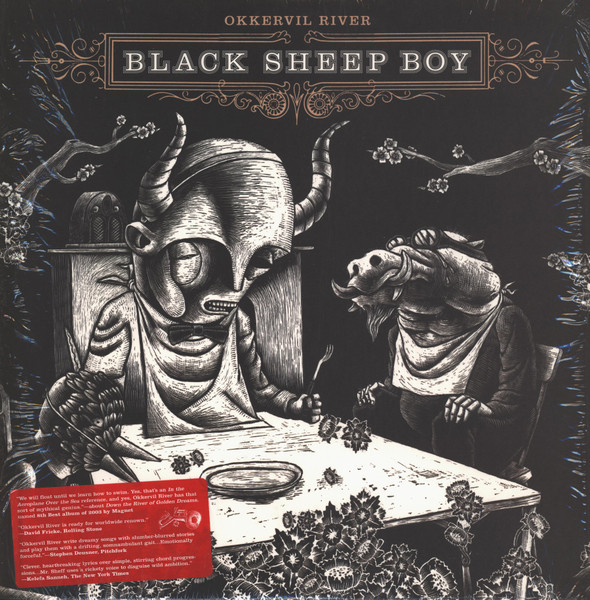
Black Sheep Boy
2005

Down The River Of Golden Dreams
2003

Don't Fall In Love With Everyone You See.
2002

Sleep And Wake-Up Songs
2004

A Dream In The Dark: Two Decades Of Okkervil River Live
2020

Black Sheep Boy Appendix
2005

Golden Opportunities 3
2013
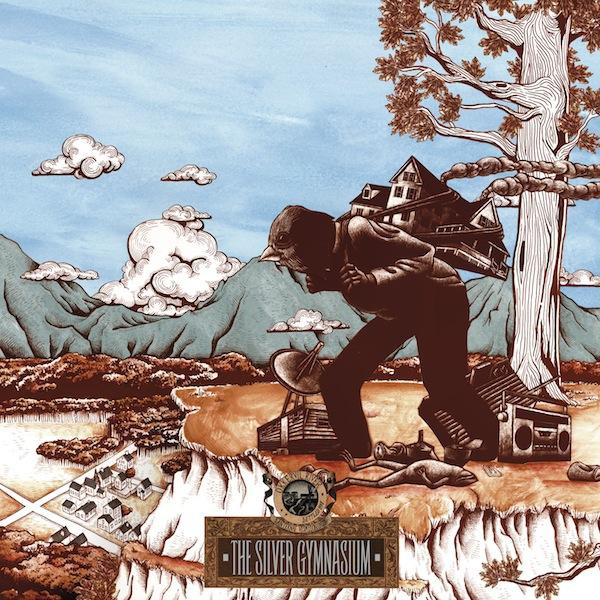
The Silver Gymnasium
2013

Golden Opportunities 2
2011

Overboard & Down
2006
Related artists
Around the web
Follow every record they touch.
Start your shelf and Gatefold tracks Okkervil River's new pressings, tour dates, and the whole discography — automatically.
Start your shelf →Free forever. Works with 10 records or 10,000.