
Artist
Oblivians
US garage punk trio
Memphis, United States · Formed 1993
Oblivians is a music group from Memphis, United States, active since 1993. Their discography on Gatefold includes 6 records.

6
Albums tracked
9
In collections
1993
Since
Biography
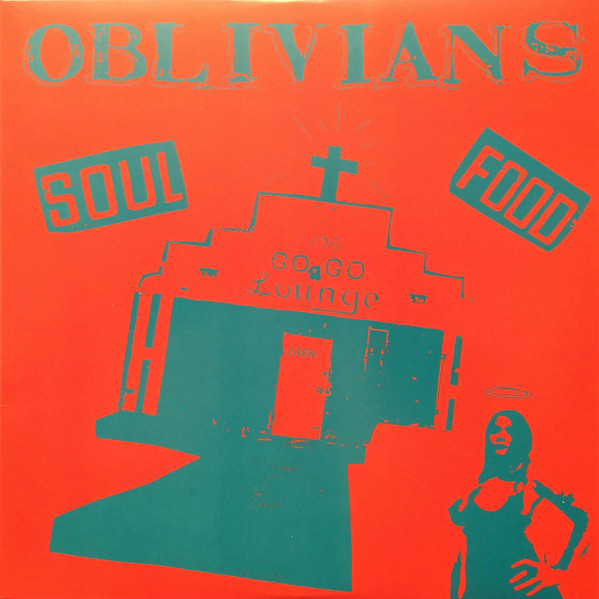
They didn't have a bass player because they didn't fucking need one. Eric, Greg, and Jack just rotated instruments and screamed over a stack of blown-out amps until the room smelled like ozone and cheap beer. Memphis in the early '90s was a graveyard of blues history, but these guys weren't interested in a museum tour. They took the grit of the Delta and the trash of 1970s New York and ran it through a woodchipper. Most garage revivalists sound like they're playing dress-up in their dad’s bowling shirts, but the Oblivians sounded like they were actively trying to break the tape machine. They recorded Soul Food at Easley McCain Recording, the same spot where the Gories and Sonic Youth cut tracks, and you can hear the room struggling to contain the sheer volume of Greg’s distortion. It’s ugly, it’s fast, and it’s completely devoid of the irony that killed the indie scene ten years later.
Bio from The Clerk
The Arc of Oblivians
The pivots — what forced Oblivians to reinvent.
The Crypt Records Era
Tim Warren signed them to Crypt and basically told them to stay filthy, resulting in Soul Food being tracked in a single marathon session. The record has no polish and sounds like a basement floor after a flood, defined by the three-way vocal trade-offs and the lack of a low-end cushion. This was the peak of their 'Memphis Grease' sound where the songs were just short bursts of kinetic energy. You hear the limitations of the three-piece setup becoming their greatest strength through sheer rhythmic violence.
The Quintron Collaboration
By 1997, the band was fraying, so they pivoted by bringing in Mr. Quintron on the Hammond B-3 organ for Play 9 Songs. It shifted the dynamic from pure garage-punk noise to a greasy, gospel-flecked R&B chaos that predicted where Greg Cartwright was heading with the Reigning Sound. The organ filled the hole where the bass should have been and added a layer of swampy atmosphere that wasn't there on the early 7-inches. It’s a weirder, more soulful record that proved they weren't just a three-chord burnout act.
The Inevitable Reunion
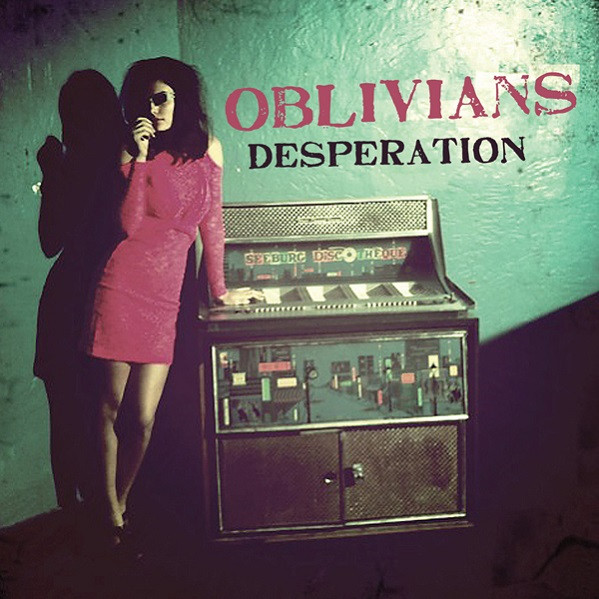
After sixteen years of silence and the members running Goner Records or starting the Reigning Sound, they got back together to record Desperation at Dan Auerbach’s studio in Nashville. The production is undeniably cleaner than the 1995 stuff, which pissed off the purists who wanted that muddy tape hiss back. Even with a better signal chain, the songwriting was tighter and the vocal snarl remained intact. It’s the sound of a band that realized they didn't need to stay in the gutter to keep the spirit of the project alive.
Influences
- The Gories — The Oblivians explicitly modeled their no-bass, dual-guitar attack after the Detroit trio and eventually covered their tracks live. You hear it in the primitive, rhythmic thud of the drums and the way the guitars lock together to create a wall of mid-range filth. They took the blueprint Mick Collins laid down and sped it up for a punk audience.
- Lightnin' Hopkins — Greg Cartwright has cited Hopkins as a foundational influence for his rhythmic guitar style and the band covered 'Black Cat Bone' early on. The influence shows up in the way they use repetitive, hypnotic blues riffs as a base for high-speed screaming. It’s the attitude of the solo bluesman translated into a loud-as-hell garage trio.
- The Stooges — The raw, unhinged energy of Fun House is the DNA of every Oblivians record, particularly in the way they treat the studio as a capture device for a live explosion. Jack Oblivian’s vocal delivery often mirrors Iggy Pop’s feral, confrontational bark during their most chaotic sets. They never tried to be technical; they just wanted that same high-tension wire vibe.
- Andre Williams — They backed the R&B legend on the 'Bacon Fat' single and toured as his band, which deeply informed their sleazy, rhythmic swagger. You hear his influence in the storytelling and the 'nasty' lyrical themes that permeated Popular Favorites. He taught them that soul music could be just as dangerous and dirty as punk rock.
- The Cramps — The band’s obsession with 1950s rockabilly and B-movie aesthetics came directly from the school of Lux Interior and Poison Ivy. Their early 7-inches like 'Never Enough' carry that same reverb-drenched, psychobilly tension without the campy gothic overtones. It’s about taking the trashiest parts of American culture and making them the centerpiece.
Discography
Their records — most-collected first.




Related artists
Around the web
Follow every record they touch.
Start your shelf and Gatefold tracks Oblivians's new pressings, tour dates, and the whole discography — automatically.
Start your shelf →Free forever. Works with 10 records or 10,000.