
Artist
O‐Zone
Chişinău, Moldova · 1998 – 2005
O‐Zone is a music group from Chişinău, Moldova, active 1998–2005. Their discography on Gatefold includes 2 records.

2
Albums tracked
2
In collections
1998
Since
Biography
O-Zone was a Moldovan Eurodance and pop trio formed in 1998 in Chișinău, Moldova. The group became one of the most commercially successful Eastern European acts of the early 2000s, achieving worldwide recognition with the 2003 international hit “Dragostea Din Tei.”
The project was founded by Dan Bălan and Petru Jelihovschi. During its early phase (1998–1999), O-Zone functioned as a duo and released their debut album, Dar, Unde Ești, primarily for the Moldovan market. Following Jelihovschi’s departure, Bălan reorganized the group through auditions, resulting in the recruitment of Radu Sîrbu and Arsenie Todiraș (also credited as Arsenium). This lineup would become the definitive and most internationally successful formation of O-Zone.
In 1999, the trio relocated to Bucharest, Romania, seeking broader exposure and improved production opportunities. They signed with Romanian label Cat Music and gradually built popularity through radio and television appearances. Early Romanian hits included “Despre Tine” (2002) and “Numai Tu,” both of which established the group as a leading act within the Romanian pop and dance market.
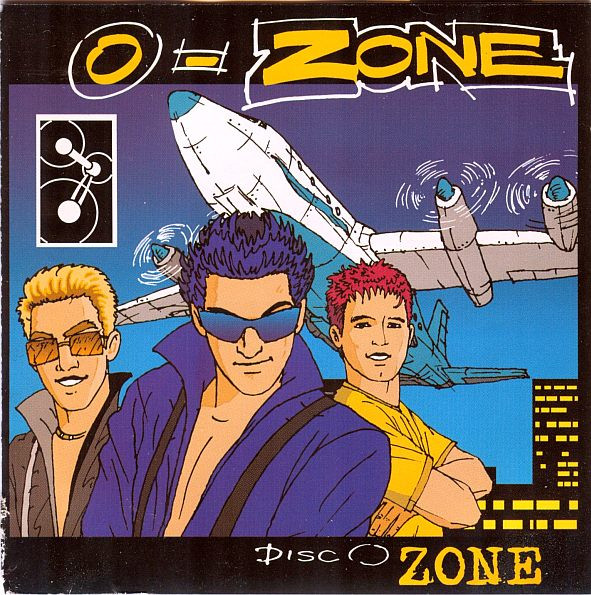
O-Zone’s international breakthrough came in 2003 with the release of the single “Dragostea Din Tei,” included on their second studio album DiscO-Zone. The song achieved major commercial success across Europe, reaching No. 1 in multiple countries including Germany, France, Italy, Austria, Belgium, and Switzerland. It sold millions of copies worldwide and became one of the best-selling singles of the decade in several territories. In addition to its chart performance, the track gained lasting internet notoriety through viral online videos, particularly in the mid-2000s, further cementing its global recognition.
Following the success of DiscO-Zone, the group released additional singles such as “De Ce Plâng Chitarele” and “Oriunde Ai Fi,” maintaining strong chart presence in various European markets. Their musical style blended Eurodance rhythms, melodic pop structures, and Romanian-language lyrics, contributing to their distinctive identity within the early-2000s European dance scene.
At the peak of their international popularity, O-Zone announced their disbandment in early 2005. The members subsequently pursued solo careers. Dan Bălan achieved notable solo success in Eastern Europe and Russia, while Radu Sîrbu and Arsenie Todiraș also released solo material and participated in various musical projects.
Although their active career lasted less than a decade, O-Zone’s commercial impact was substantial. They remain one of the most internationally recognized musical exports from Moldova, and “Dragostea Din Tei” continues to be regarded as a defining European pop anthem of the early 2000s, frequently reissued, remixed, and referenced in popular culture.
Bio from Discogs
Discography
Their records — most-collected first.

Related artists
Members
Around the web
Follow every record they touch.
Start your shelf and Gatefold tracks O‐Zone's new pressings, tour dates, and the whole discography — automatically.
Start your shelf →Free forever. Works with 10 records or 10,000.