
Artist
NOFX
Los Angeles, United States
NOFX is a music group from Los Angeles, United States. Their discography on Gatefold includes 24 records.

47
Albums tracked
444
In collections
—
Since
Biography
Brett Gurewitz tracked Liberal Animation in 1988 on a shoestring budget, and it sounded like thin, messy skate punk because they could barely play their instruments. Erik Sandin couldn't keep steady time yet, and Mike was still screaming off-key over generic thrash beats. Then Aaron Abeyta—El Hefe—joined on lead guitar and trumpet in 1991, and suddenly they went from a sloppy backyard joke to a precision unit that could lock into reggae upstrokes, jazz runs, and blazing hardcore without breaking a sweat. They spent the nineties telling MTV and major labels to fuck off while quietly building Fat Wreck Chords into an empire from a San Francisco warehouse. Ryan Greene dialed in that razor-sharp, punchy West Coast sound at Motor Studios, defining a whole era of skate punk with tight palm-muted riffs and hyperactive basslines. They were snotty, juvenile, and perpetually self-deprecating, but the musicianship was terrifyingly tight underneath all the drug jokes and toilet humor. By the 2000s, the bratty nihilism gave way to furious anti-Bush politics and brutal personal confessions about addiction and collapse. They dragged their mess out in public, survived forty years without ever taking corporate buyouts, and finally pulled the plug on their own terms. Love them or hate them, nobody ran an independent punk machine harder.
Bio from The Clerk
The Arc of NOFX
The pivots — what forced NOFX to reinvent.
The El Hefe Upgrade and the Epitaph Peak
Bringing El Hefe into the lineup for 1992's White Trash, Two Heebs and a Bean gave them actual musical range, adding brass chops and legitimate lead guitar wizardry. Ryan Greene got behind the board at Westbeach Recorders and later Motor Studios, forging the tight, hyper-compressed drum-and-bass attack that defined Punk in Drublic in 1994. They went gold on an indie label during the Green Day major-label land grab while refusing to service commercial radio or MTV. It turned them into the biggest DIY punk band on the planet without a single minute of corporate sponsorship.
The Decline and Political Fury
In 1999, they answered the late-nineties pop-punk boom by dropping The Decline, an eighteen-minute, single-track opus dissecting American decay, gun culture, and consumer apathy. That ambition spilled directly into the 2000s, where Fat Mike founded the Rock Against Bush campaign and channeled his anger into 2003's The War on Errorism. Bill Stevenson from the Descendents took over production duties for Wolves in Wolves' Clothing, stripping away the polish for a darker, nastier edge. The goofball jokes were still there, but the cynicism was armed with real venom.
The Dark Confessionals and the Final Lap
Cameron Webb stepped in to produce 2016's First Ditch Effort, marking a shift toward harrowing self-exposure regarding Mike's sobriety battles, relapses, and mortality. The music slowed down and got heavier on Single Album and Double Album, trading hyperactive skate beats for melancholic alt-rock dirges and piano ballads tracked at Mike's Six Floggs compound. They quit pretending to be untouchable party lifers and laid out the physical toll of forty years in the van. The final tours closed the book with full-album sets and zero nostalgia filters.
Influences
- Bad Religion — Brett Gurewitz produced their early records for Epitaph, and NOFX lifted their three-part vocal harmonies directly from the Bad Religion playbook. You hear those soaring backing 'oozin' aahs' welded to double-time skate beats all over Ribbed and Punk in Drublic. They took Bad Religion's cerebral melodic hardcore and drag-raced it with frat-house humor.
- Descendents — NOFX took the entire concept of melodic, self-deprecating pop-punk from Milo Goes to College and later hired Descendents drummer Bill Stevenson to produce albums like Wolves in Wolves' Clothing and Coaster. Mike's snotty, non-traditional vocal delivery and confessional neurotic lyrics are a direct descendant of Milo Aukerman's style. They proved you could write breakneck punk songs about being a complete screw-up.
- RKL (Rich Kids on LSD) — Erik Sandin has repeatedly stated on the record that his ultra-fast, syncopated kick-and-snare beat was stolen directly from RKL drummer Bomer Manzullo. That manic, technical skate-thrash tempo became the literal foundation for nineties melodic hardcore. NOFX just smoothed out RKL's jagged metallic edges with tighter vocal hooks.
- Subhumans — Mike has frequently cited Dick Lucas's UK anarcho-punk band as his favorite political outfit, eventually releasing Lucas's side-project Citizen Fish on Fat Wreck Chords. That influence is all over NOFX's ska-punk upstrokes and multi-part anti-authoritarian rants like 'The Decline.' They pulled the sneering British class critique straight into Southern California suburbia.
- Social Distortion — Mike was a regular at early Fullerton punk gigs, watching Mike Ness blend rockabilly rhythm with raw hardcore punch in the early eighties. NOFX tracked an affectionate cover of '1945' on their 1987 EP The P.M.R.C. Can Suck on This. That chunky Orange County guitar crunch was the bedrock before they sped up the tempos.
Discography
Their records — most-collected first.
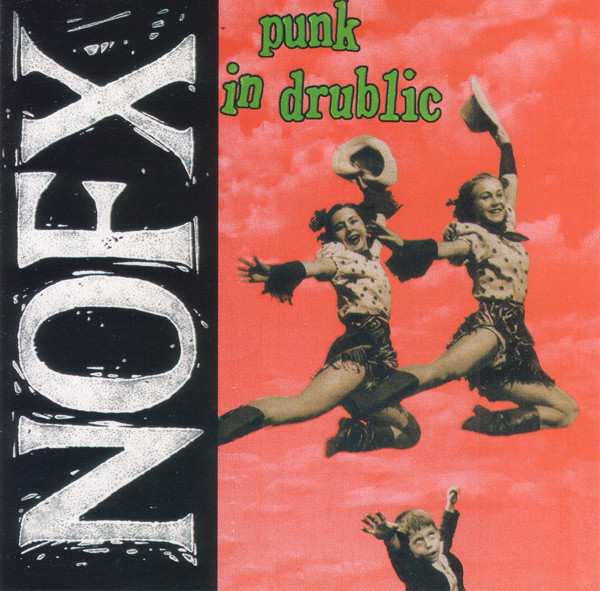
Punk In Drublic
1994
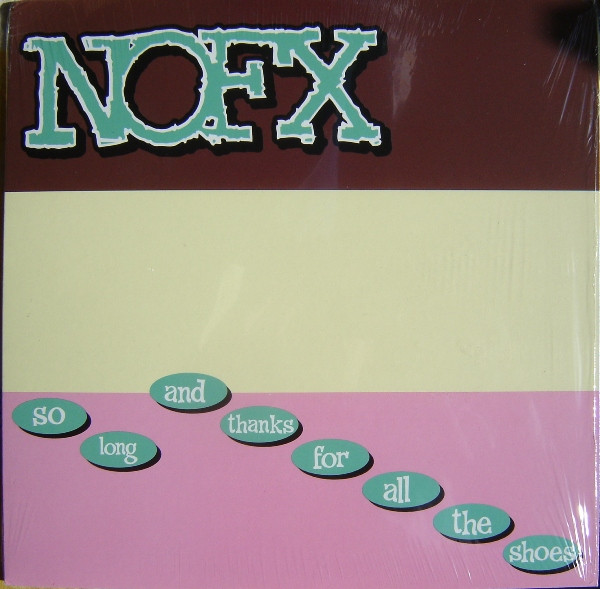
So Long And Thanks For All The Shoes
1997

White Trash, Two Heebs And A Bean
1992

The Decline
1999

Heavy Petting Zoo
1996

The War On Errorism
2003
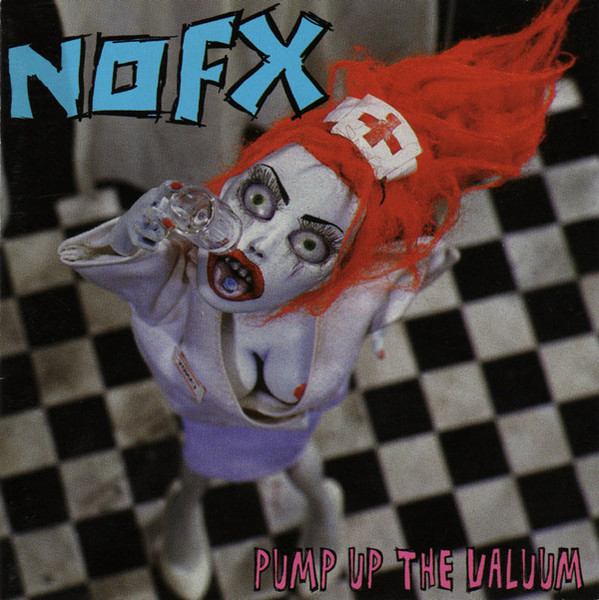
Pump Up The Valuum
2000

Ribbed
1991
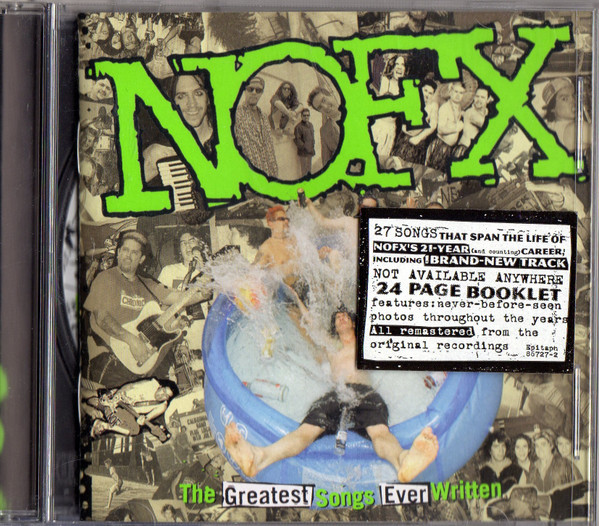
The Greatest Songs Ever Written (By Us)
2004

I Heard They Suck Live!!
1995
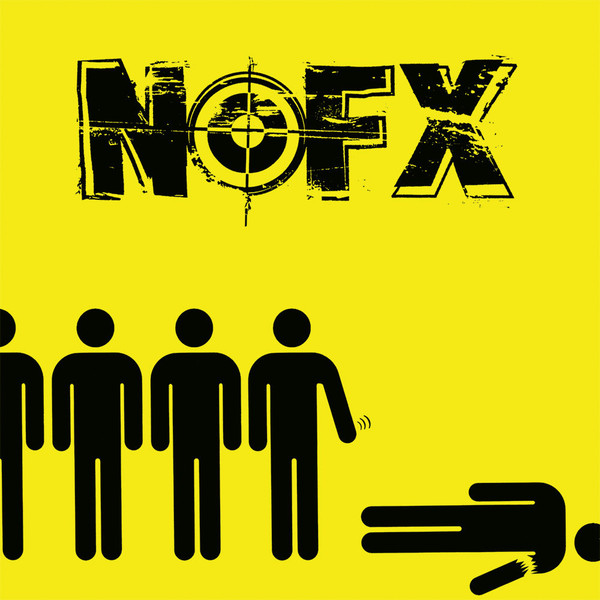
Wolves In Wolves' Clothing
2006
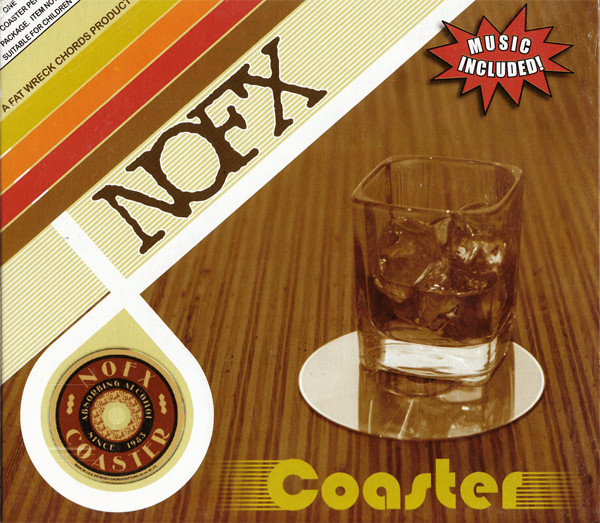
Coaster
2009
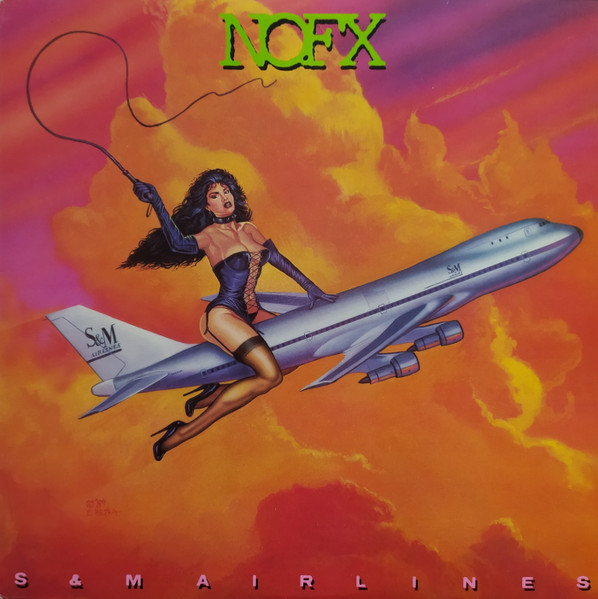
S & M Airlines
1989
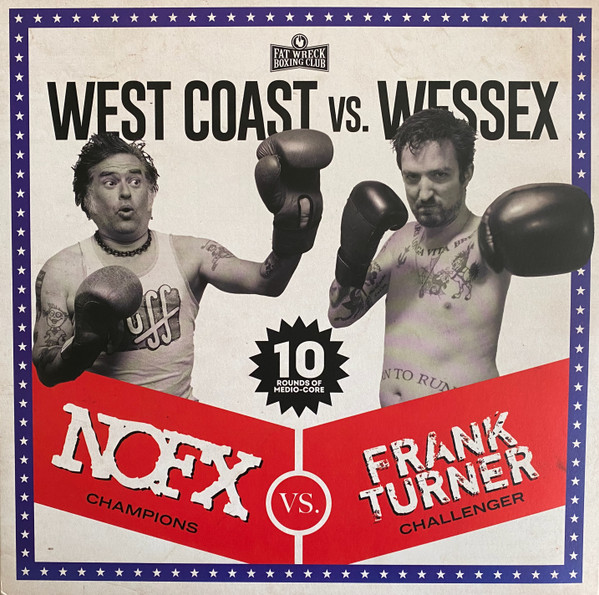
West Coast Vs. Wessex
2020
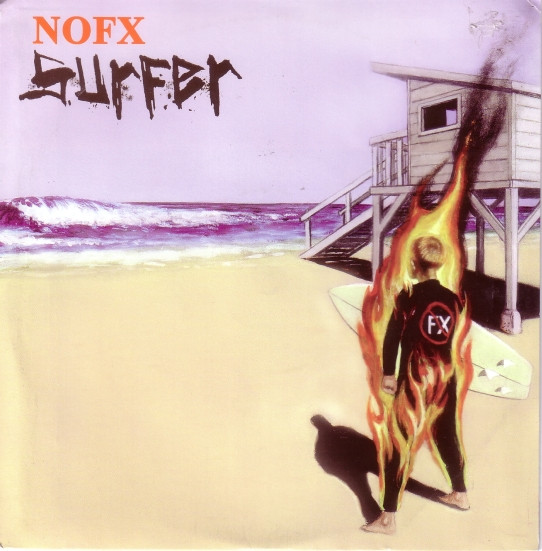
Surfer
2001
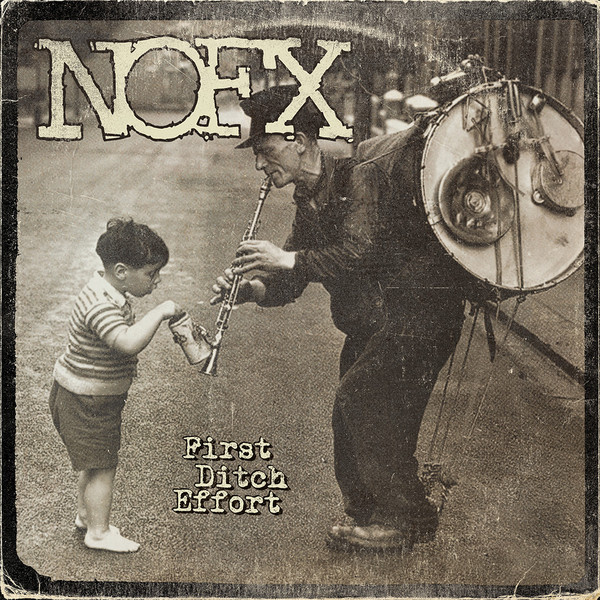
First Ditch Effort
2016

The Longest Line
1992
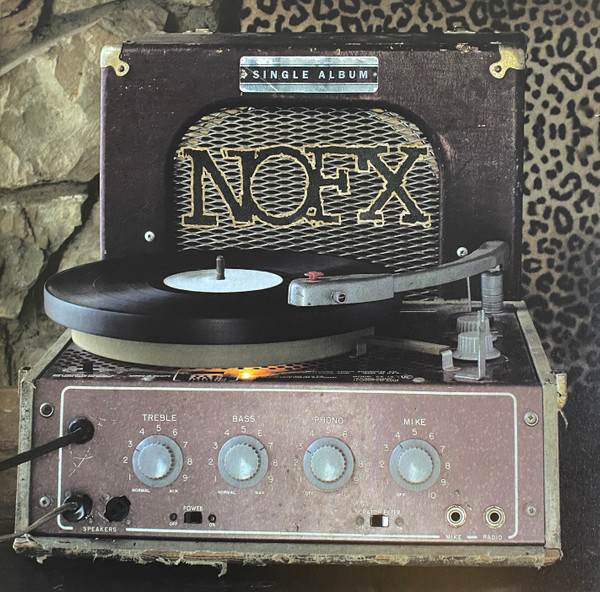
Single Album
2021

Liberal Animation
1988

45 Or 46 Songs That Weren't Good Enough To Go On Our Other Records
2002

Fuck The Kids
1996

Self/Entitled
2012
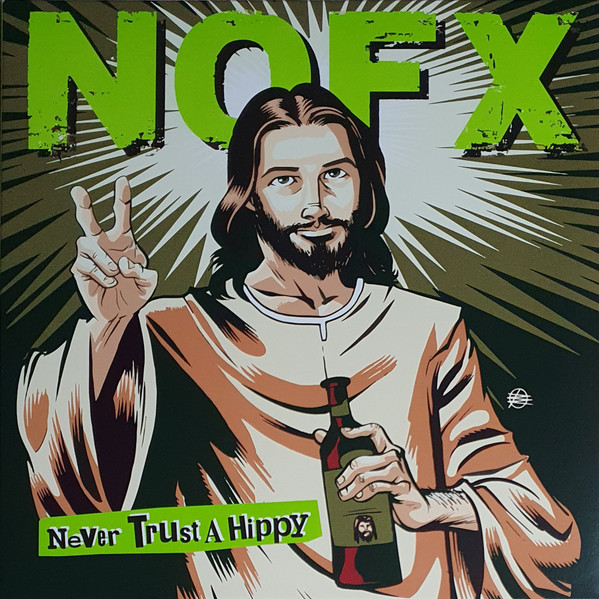
Never Trust A Hippy
2006

22 Songs That Weren't Good Enough To Go On Our Other Records
2002
Related artists
Around the web
Follow every record they touch.
Start your shelf and Gatefold tracks NOFX's new pressings, tour dates, and the whole discography — automatically.
Start your shelf →Free forever. Works with 10 records or 10,000.