
Artist
Nitzer Ebb
Chelmsford, United Kingdom · Formed 1982
Nitzer Ebb is a music group from Chelmsford, United Kingdom, active since 1982. Their discography on Gatefold includes 24 records.

25
Albums tracked
60
In collections
1982
Since
Biography
They started with a Roland TR-808 and a SH-101 in a Chelmsford bedroom because they couldn't afford a full kit or a real studio. Douglas McCarthy and Bon Harris weren't trying to be musicians—they were trying to be a rhythmic assault. By the time Flood got his hands on them for That Total Age, they’d stripped every ounce of melody out of the equation to focus on nothing but the grunt. It’s gym-floor music for people who find synthesizers too polite. Then the 90s hit and they tried to be a rock band with Ebbhead, which was basically the sound of Mute Records trying to keep up with the industrial-metal wave. It’s got more polish than their early boots-and-braces stuff, but you can hear the strain of trying to fit into a radio slot that didn't really want them. They eventually burned out because you can only shout over a 120 BPM sequence for so long before your throat gives out and the machines start feeling like a cage.
Bio from The Clerk
The Arc of Nitzer Ebb
The pivots — what forced Nitzer Ebb to reinvent.
The Muscle and Hate Phase
They signed to Mute and hooked up with producer Flood to turn their minimalist live energy into the dry, percussive claustrophobia of That Total Age. There are no chords here, just sequencers fighting with McCarthy’s drill-sergeant vocals while Bon Harris hammered on triggered pads. It sounds like a factory floor where the machines are winning. You hear it in the way 'Join in the Chant' refuses to evolve for six minutes, banking entirely on the physical endurance of the listener.
The Flood-Alan Wilder Polish
By Belief and Showtime, the gear got more expensive and the arrangements started to breathe, thanks largely to their proximity to Depeche Mode. Alan Wilder stepped in to help with production, bringing a cinematic depth that replaced the raw bedroom-shouting of their early singles. They traded the 808 for complex sampling and actual hooks, but kept the militant swing that made them a staple in the EBM bunkers. It was the peak of their technical powers before the wheels started to wobble.
The Grunge-Industrial Pivot
Big Hit in 1995 was the sound of a band exhausted by their own blueprint, so they brought in live drums and tried to embrace a swampier, alt-rock texture. It was a chaotic session that saw them moving away from the electronic rigidity that defined them, resulting in a record that most purists absolutely hated. The hardware was swapped for guitars and organic percussion, losing the 'Ebb' identity in a desperate attempt to survive the mid-90s American radio shift. It fractured the band so hard they didn't touch another studio for over a decade.
Influences
- D.A.F. — McCarthy has repeatedly cited Deutsch Amerikanische Freundschaft as the primary blueprint for their 'Body Music' ethos. You hear it in the homoerotic athleticism and the decision to use German-style sequencing over English pop structures. It’s the sound of Gabi Delgado’s sweat transferred to an Essex basement.
- Einstürzende Neubauten — Before they had synths, they were using found metal and industrial scrap to make noise, directly mimicking Blixa Bargeld's early percussive chaos. The metallic 'clang' on the early 12-inches isn't a preset; it's a tribute to the Berlin junk-shop aesthetic. They eventually traded the scrap metal for a sampler, but the violent impact stayed.
- Kraftwerk — The band admitted that the repetitive, motorized discipline of Kraftwerk provided the 'click track' for their entire career. While Kraftwerk was about the beauty of the machine, Nitzer Ebb took that same looping logic and made it aggressive. It’s the Man-Machine fed through a heavy dose of teenage adrenaline.
- The Normal — Daniel Miller’s 'Warm Leatherette' was the specific catalyst that made them realize a single guy with a synth could be more threatening than a punk band. Being on Miller’s Mute label wasn't just a business deal; it was a discipleship. You can hear that dry, unsentimental Mute production style across their entire 80s output.
- Killing Joke — They toured with Killing Joke early on and obsessed over the tribal, driving intensity of Big Paul Ferguson’s drumming. McCarthy’s vocal delivery owes more to Jaz Coleman’s apocalyptic barking than it does to any traditional synth-pop singer. It’s where they got the idea that electronic music should feel like a ritualized threat.
Discography
Their records — most-collected first.
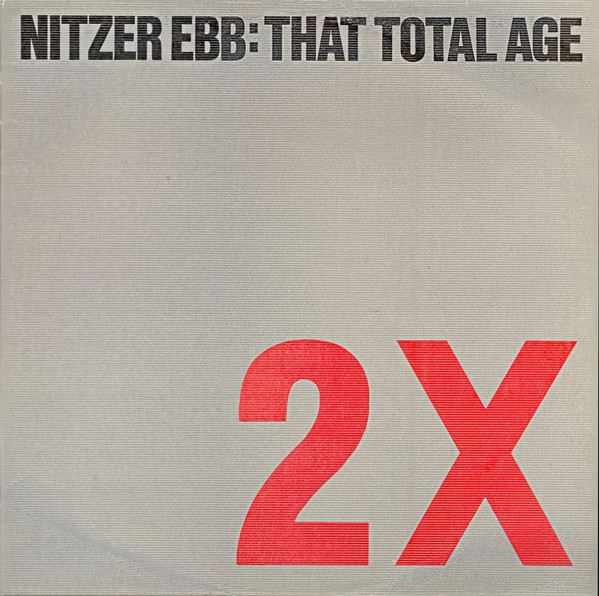
That Total Age
1987

Ebbhead
1991

I Give To You
1991
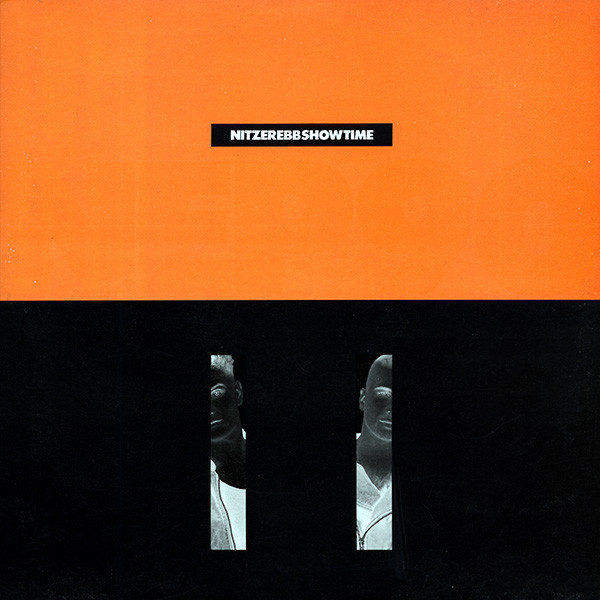
Showtime
1990
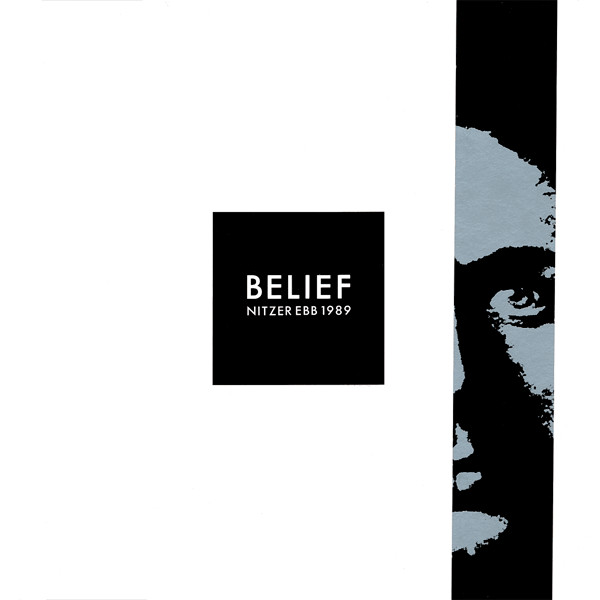
Belief
1989

Kick It
1995

Ascend
1992

Fun To Be Had / Getting Closer (Mixes)
1990

Lightning Man
1990
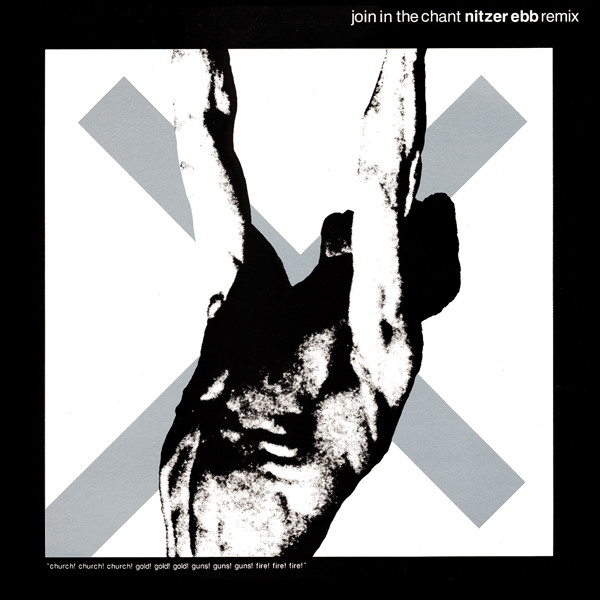
Join In The Chant
1987

Big Hit
1995

I Thought
1995

As Is
1991

Godhead
1991

Lightning Man / Getting Closer / Fun To Be Had
1990

Hearts & Minds (Mix Hypersonic)
1989

Shame
1989
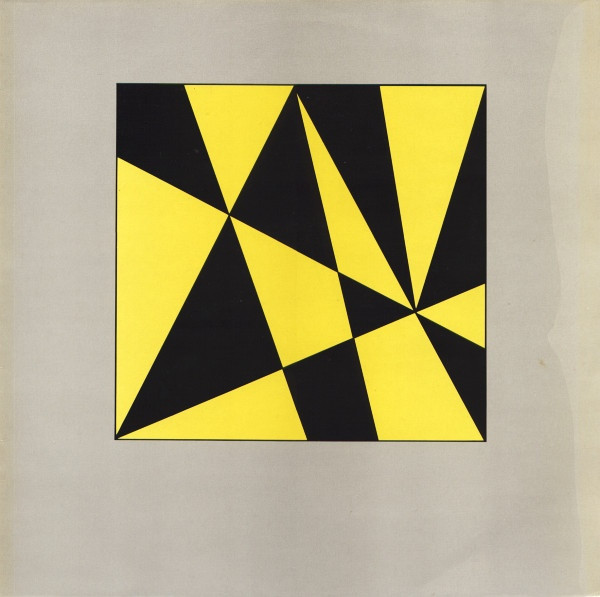
Warsaw Ghetto / So Bright So Strong
1985
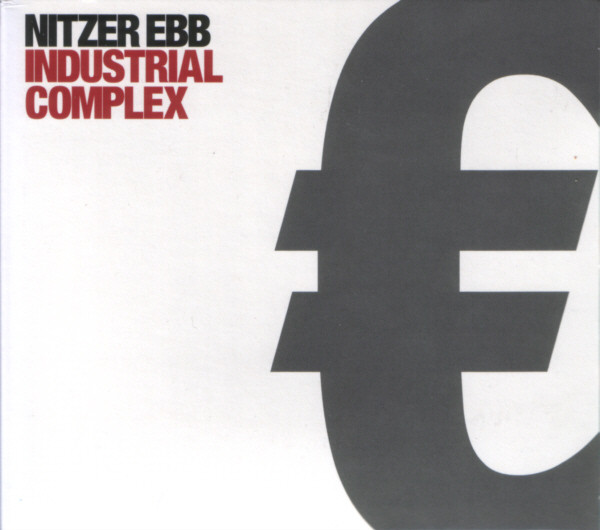
Industrial Complex
2010

Cherry Blossom
1994

Get Clean
1993

Control Im Here
1988

Isnt It Funny How Your Body Works
1985
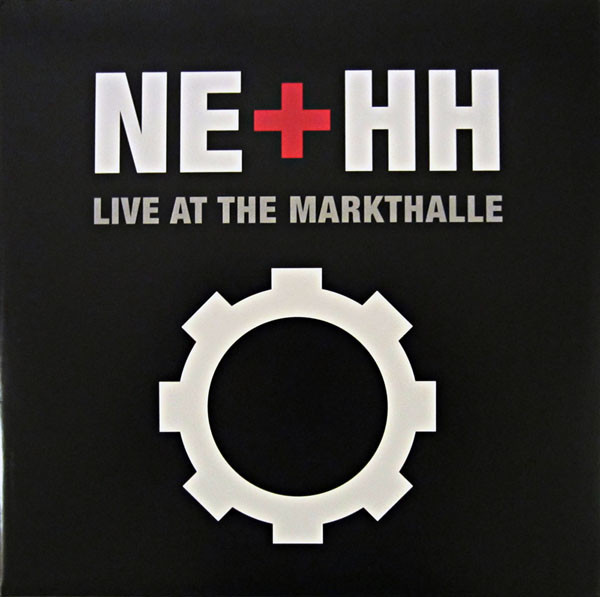
NE+HH: Live At The Markthalle
2013
Related artists
Around the web
Follow every record they touch.
Start your shelf and Gatefold tracks Nitzer Ebb's new pressings, tour dates, and the whole discography — automatically.
Start your shelf →Free forever. Works with 10 records or 10,000.