
Artist
New Model Army
80s punk/goth rock
Bradford, United Kingdom · Formed 1980
New Model Army is a music group from Bradford, United Kingdom, active since 1980. Their discography on Gatefold includes 24 records.
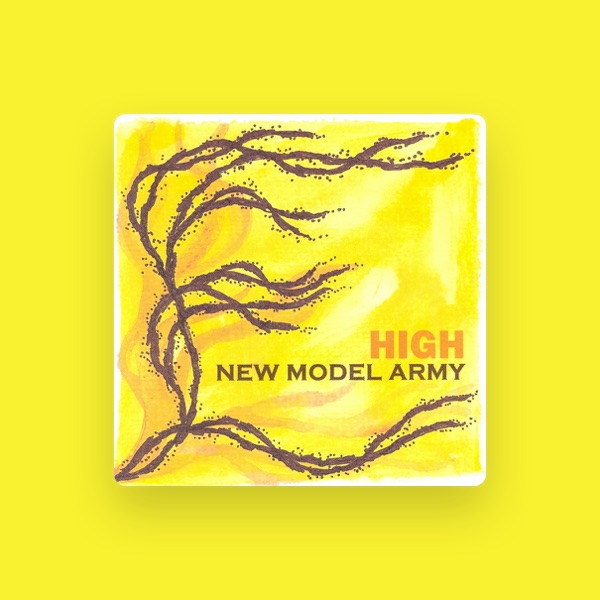
25
Albums tracked
81
In collections
1980
Since
Biography
Justin Sullivan sat on a Bradford stage in 1980 with a stage name borrowed from a 17th-century revolutionary and a sound that refused to play nice with the goth kids or the punks. They were too melodic for the crusties and too political for the Batcave crowd. By the time they signed to EMI, they were dragging a hammered dulcimer and an electric violin into a scene that was mostly obsessed with hairspray and synthesizers. Most bands from that Bradford era burned out or turned into heritage acts, but Sullivan kept the Army moving through a rotating door of rhythm sections that would break most other frontmen. The late eighties was where the wheels almost came off the wagon when Glyn Johns—the guy who did Who's Next—took over the board for The Ghost of Cain. It was a weird pairing on paper, but Johns pulled a dry, muscular rock sound out of them that stripped away the post-punk reverb and forced the songwriting into the light. Then the nineties hit, the lineup fractured, and they spent years wandering through the wilderness of independent labels and experimental folk-rock before finding their teeth again. They never got the massive US breakthrough because they weren't interested in the corporate polish, which is exactly why they're still selling out shows four decades later.
Bio from The Clerk
The Arc of New Model Army
The pivots — what forced New Model Army to reinvent.
The Morrow Years
The early power trio era was defined by Stuart Morrow’s aggressive, lead-playing bass style which acted more like a second guitar than a rhythm anchor. This lineup produced Vengeance, a record that hit the top of the indie charts because it captured the visceral claustrophobia of Thatcher-era Britain without the cartoonish tropes of street punk. When Morrow walked away in '85, it forced Sullivan to find a more rhythmic, tribal foundation, shifting the band's entire structural DNA.
The Heaton/Alleyne-Johnson Shift
The arrival of Robert Heaton on drums and Ed Alleyne-Johnson on electric violin moved the band into their most creatively expansive period. This era culminated in Thunder and Consolation, where they swapped the spiky post-punk anger for a massive, folk-driven widescreen sound that felt like it belonged in a field rather than a basement. Heaton’s songwriting contributions were the secret weapon here, providing the melodic hooks that allowed Sullivan to lean harder into his lyrical storytelling.
The Independent Reconstruction
After the major label money dried up and Heaton tragically passed away, the band had to rebuild their entire identity from the ground up on their own terms. This period saw them embracing a darker, more industrial-edged rock sound that peaked with albums like Between Dog and Wolf. They stopped chasing the radio and focused on a layered, percussive density that utilized multiple drummers and complex arrangements, proving they could thrive without the EMI machine behind them.
Influences
- The Ruts — Sullivan has cited Foxhole and the Ruts' heavy, dub-influenced rhythm section as a massive early blueprint. You can hear that gritty, tight interplay between the bass and drums on the Vengeance sessions. It provided the template for their 'angry but musically proficient' stance.
- The Clash — The band’s entire political ethos and multi-genre experimentation is rooted in the groundwork laid by Strummer and Jones. They took the 'only band that matters' mantle seriously, inheriting the idea that you could play folk, reggae, or punk as long as the lyrics were honest. Sullivan’s delivery often mirrors Strummer’s rhythmic, percussive vocal style.
- Northern Soul — Sullivan grew up obsessed with the beat and the communal energy of the Northern Soul scene in the 70s. This surfaced in the band’s relentless 4/4 driving rhythms and the intense, loyalist fan culture they built. It’s the reason their songs always feel like anthems meant to be shouted by a room full of sweaty bodies.
- Neil Young — The band famously covered 'Like a Hurricane' and Sullivan has often pointed to Young’s uncompromising career path as his primary north star. You hear it in the way the band pivots between acoustic vulnerability and high-gain electric noise. It gave them the permission to be a folk band and a rock band at the same time.
- The Sex Pistols — Seeing the Pistols at the Huddersfield Poly in '77 was the literal catalyst that convinced Sullivan to start a band. While NMA became much more sophisticated, the raw confrontational energy and the refusal to pander to the music industry is pure McLaren-era defiance. That initial jolt of energy stayed in the marrow of their live performances for forty years.
Discography
Their records — most-collected first.

Stupid Questions
1989
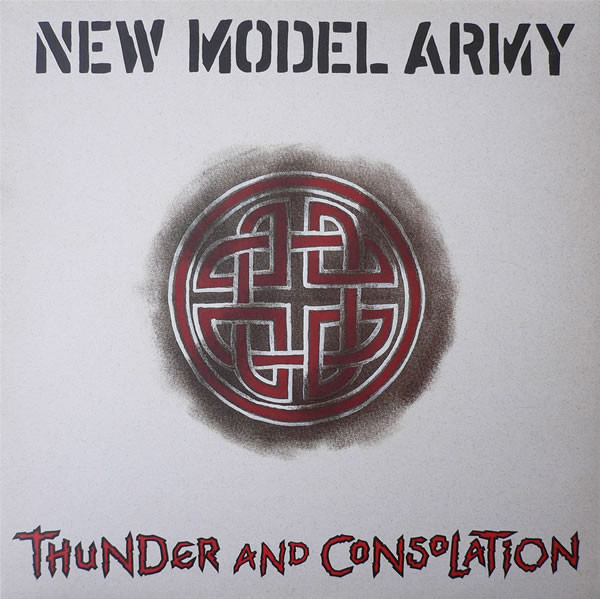
Thunder And Consolation
1989
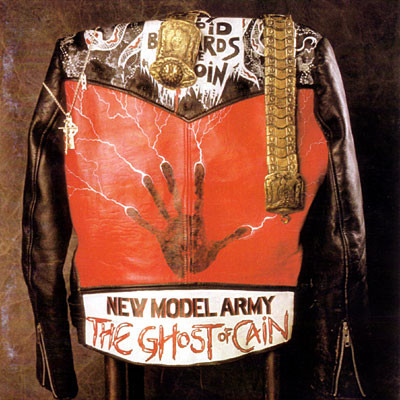
The Ghost Of Cain
1986
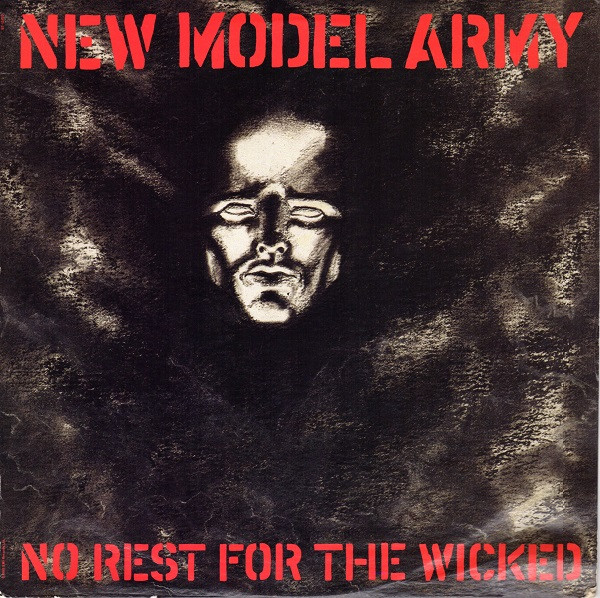
No Rest For The Wicked
1985

Impurity
1990

Green And Grey
1989

Vagabonds
1989

The Love Of Hopeless Causes
1993

Space
1991
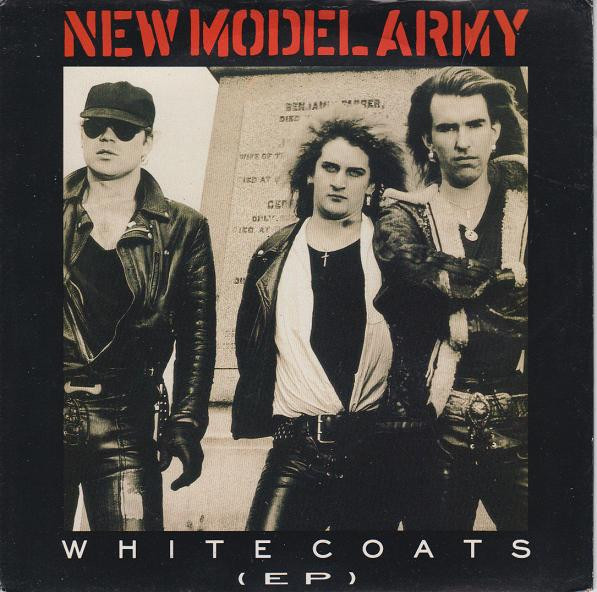
White Coats
1987
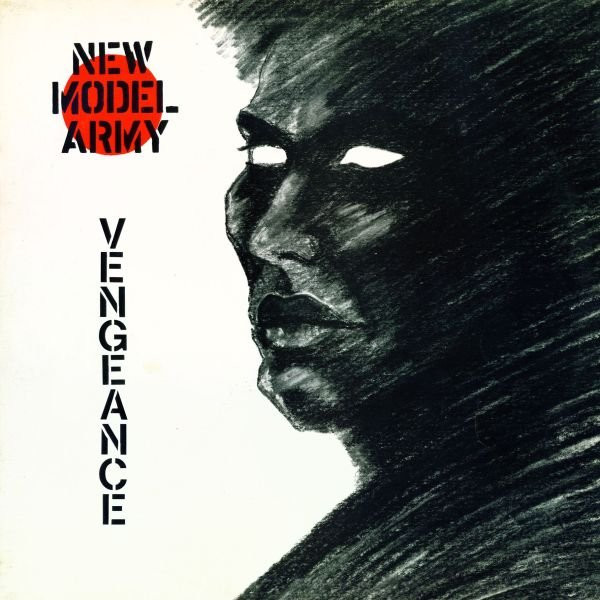
Vengeance
1984

The Price
1984

Live SO36
2025
Unbroken
2024
From Here
2019
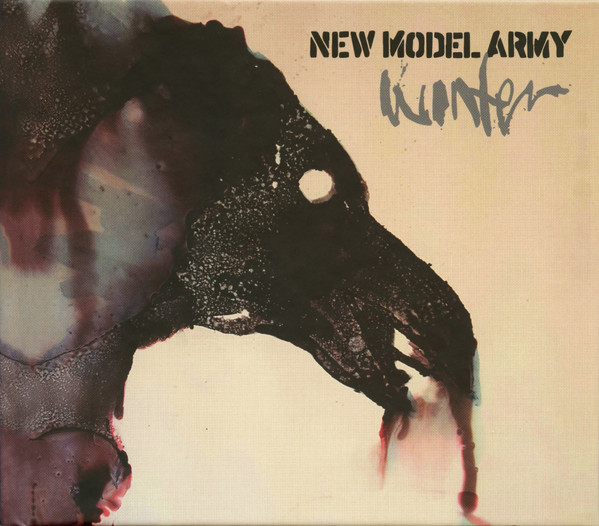
Winter
2016
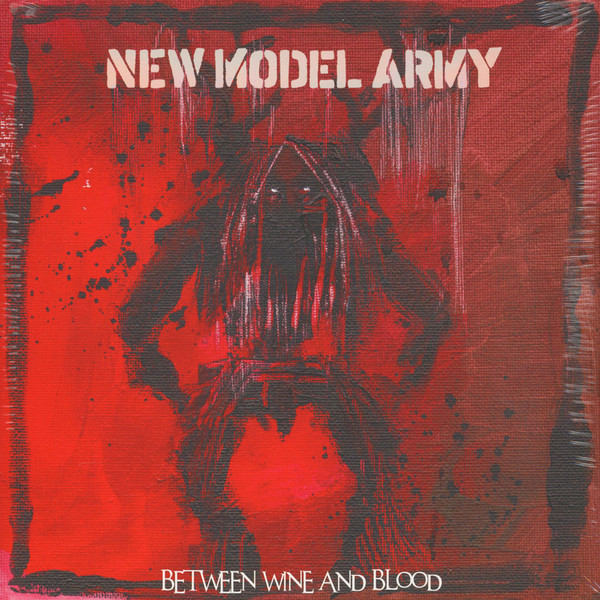
Between Wine And Blood
2014
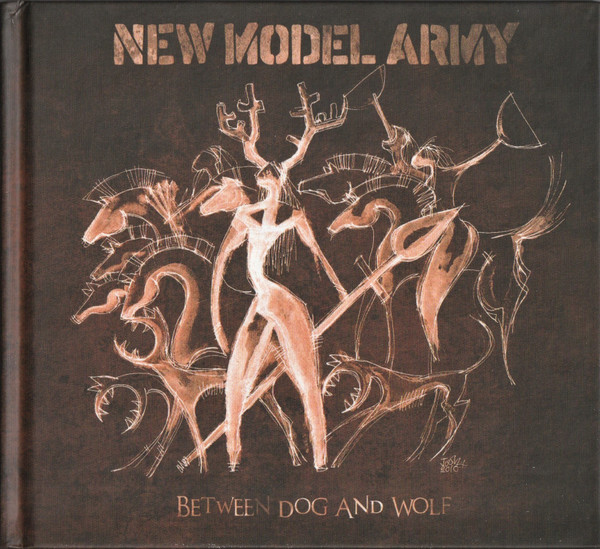
Between Dog And Wolf
2013

Live 161203
2004

Living In The Rose - The Ballads EP
1993
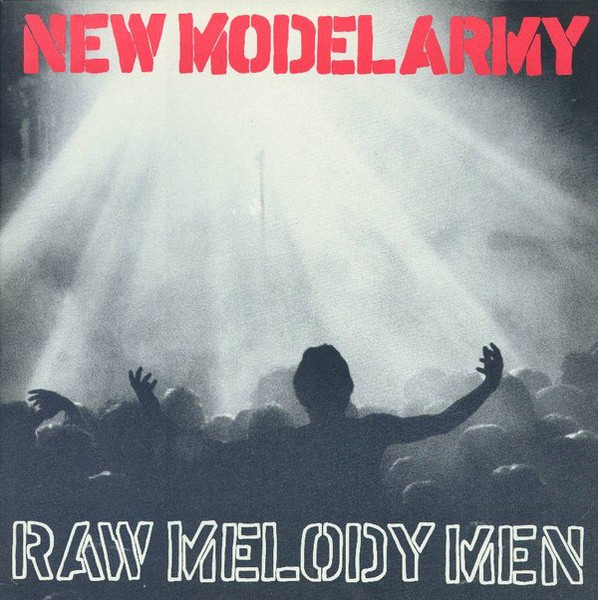
Raw Melody Men
1991

New Model Army
1987

Brave New World
1985

High
2007
Related artists
Members
Frequent collaborators
Around the web
Follow every record they touch.
Start your shelf and Gatefold tracks New Model Army's new pressings, tour dates, and the whole discography — automatically.
Start your shelf →Free forever. Works with 10 records or 10,000.