
Artist
NEEDTOBREATHE
Seneca, United States · Formed 2000
NEEDTOBREATHE is a music group from Seneca, United States, active since 2000. Their discography on Gatefold includes 16 records.

16
Albums tracked
37
In collections
2000
Since
Biography
Atlantic Records flew the Rinehart brothers and the band out to London to track their debut at Olympic Studios with Andy Green, a guy who’d just finished working with Keane. It was a weird pairing—South Carolina bar-band grit meeting polished British pop sensibilities—and you can hear the friction on the tape. They were too rock for the CCM world and too earnest for the indie circuit, stuck in a middle ground that took years of touring to actually turn into a weapon. By the time they hit the Reckoning sessions, the internal tension between Bear and Bo Rinehart was a physical presence in the room. They weren't just writing songs; they were fighting for the steering wheel of a band that had suddenly become a massive arena-ready machine. It’s that specific brand of brother-on-brother friction that gives the best records their teeth, right before the whole thing inevitably snaps.
Bio from The Clerk
The Arc of NEEDTOBREATHE
The pivots — what forced NEEDTOBREATHE to reinvent.
The Southern-Pop Push
They started as a garage band in Seneca but ended up signed to a major label that wanted them to be the next big crossover play. Working with Rick Beato and Andy Green early on gave the records a sheen that didn’t quite match the dirt under their fingernails. You can hear the band trying to figure out if they were a pop-rock outfit or a stomp-and-holler revival show, resulting in a sound that was hunting for an identity.
The Rick Will Heavyweight Years
When they brought in Rick Will to produce The Outsiders and The Reckoning, the drums got massive and the Southern Gothic influences finally took over. This was the peak of the band's brotherhood era, where they were using vintage gear and big rooms to create a wall of sound that felt heavy without being metal. It’s the period where the Rinehart brothers were writing at their most competitive level, pushing the arrangements into these dense, cinematic anthems.
The Synth-Pop Departure
The H A R D L O V E sessions marked a hard pivot away from the banjos and towards the 808s and synthesizers. They were bored of being the 'acoustic rock' guys and started leaning into high-gloss production and digital textures that polarized the hell out of the old-school fans. It was a risky move that felt like they were chasing a radio hit, but it proved the band could survive without relying on a Mandolin to carry a hook.
The Post-Bo Reclamation
After Bo Rinehart left in 2020, the band had to figure out how to exist without its primary visual and sonic architect. They tracked Into the Mystery in just three weeks at an old house in Tennessee, stripping back the artifice and leaning into a communal, live-to-tape energy. It’s a leaner, more collaborative version of the band that trades the old sibling rivalry for a seasoned, road-worn stability.
Influences
- Tom Petty and the Heartbreakers — Bear Rinehart has cited Petty as the blueprint for how a frontman commands a stage while keeping the band's identity intact. You hear it in the blue-collar songwriting structures and the way they stack their guitar harmonies. It's that American heartland DNA that keeps them grounded even when the production gets weird.
- The Allman Brothers Band — The dual-guitar attacks and the Southern-fried jam sensibilities come straight from the Fillmore East playbook. Before they were a polished radio act, they were a band that thrived on extended riffs and swampy grooves. They’ve covered 'Whipping Post' live for years as a nod to that foundational Georgia influence.
- U2 — The big, atmospheric guitar delays and the arena-reaching aspirations on The Reckoning are a direct result of the Rineharts' obsession with the Edge’s textural work. They’ve admitted in interviews that they wanted to capture that same sense of spiritual weight and sonic scale. It shows up in the 'whoa-oh' choruses and the shimmering high-end of their mid-career records.
- The Black Crowes — The Robinson brothers' volatile relationship is the mirror image of the Rinehart dynamic, and you can hear the Chris Robinson rasp in Bear’s vocal delivery. They share that same obsession with 70s rock swagger and gospel-inflected backing vocals. It’s that gritty, soul-rock energy that keeps them from becoming just another pop-rock band.
- Bruce Springsteen — The storytelling focus and the 'us against the world' lyricism are classic E Street Band tropes that NEEDTOBREATHE adopted early on. Bear has referenced Springsteen’s ability to turn local stories into universal anthems as a major writing goal. You hear it in the way they romanticize the road and the South in their lyrics.
Discography
Their records — most-collected first.

Out Of Body
2020

The Outsiders
2009
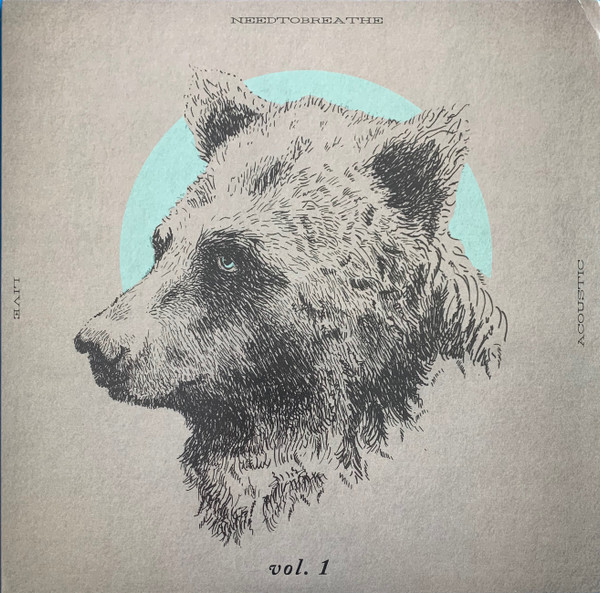
Acoustic Live Vol. 1
2018

Live From The Woods Vol. 2
2022
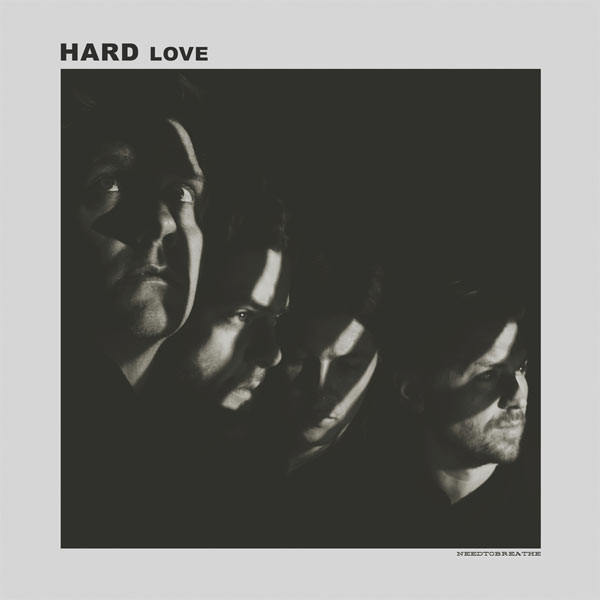
Hard Love
2016

Rivers In The Wasteland
2014

Caves
2023
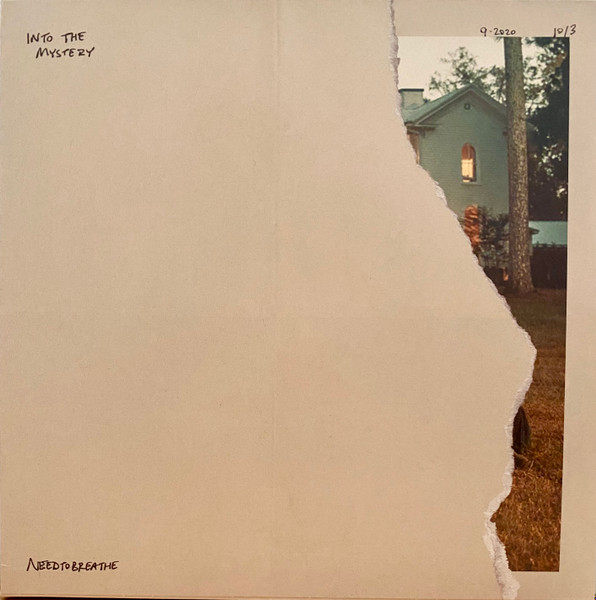
Into The Mystery
2021

Forever On Your Side (Niles City Sound Sessions)
2018

Live From The Woods At Fontanel
2015

The Reckoning
2011

The Heat
2007

The Long Surrender
2026

Hard Cuts: Songs From The H A R D L O V E Sessions
2017

Live Horses - EP
2010

Daylight
2006
Related artists
Around the web
Follow every record they touch.
Start your shelf and Gatefold tracks NEEDTOBREATHE's new pressings, tour dates, and the whole discography — automatically.
Start your shelf →Free forever. Works with 10 records or 10,000.