
Artist
Ned’s Atomic Dustbin
Stourbridge, United Kingdom · 1987 – 1996
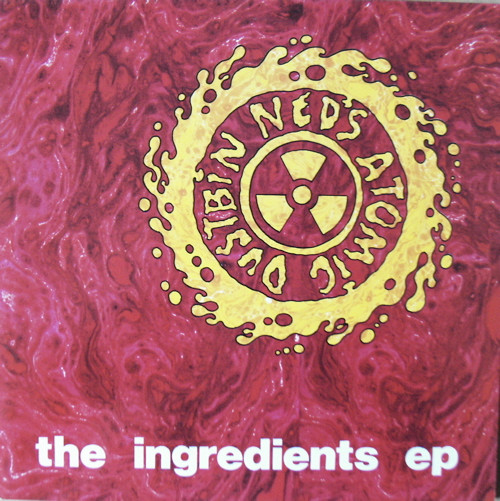
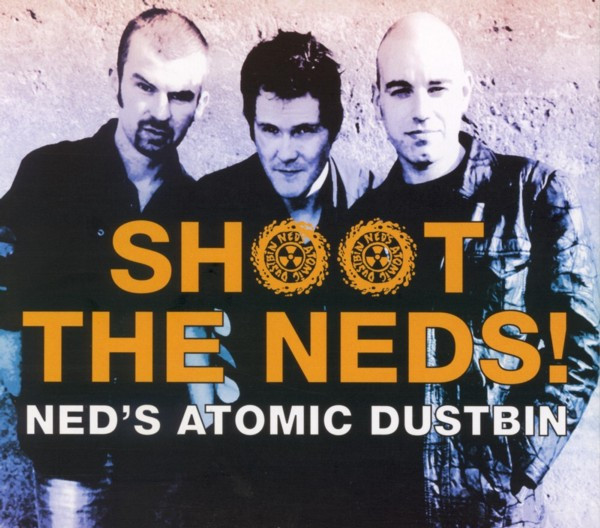
Ned’s Atomic Dustbin is a music group from Stourbridge, United Kingdom, active 1987–1996. Their discography on Gatefold includes 15 records.

15
Albums tracked
38
In collections
1987
Since
Biography
They had two bass players because they couldn't find a keyboard player who didn't sound like a cheap wedding band. That is the entire blueprint of Ned's Atomic Dustbin right there. Mat Cheslin took the high-end chordal work on a chain-fed acoustic bass while Alex Griffin anchored the bottom with a dirty, distorted four-string. It was a stupid, beautiful gimmick that actually worked because it turned Stourbridge's indie-pop scene into a wall of low-end noise. They did not play nice with the shoegaze crowd. They played fast, wore ridiculous oversized crimplene shorts, and treated the stage like a trampoline. By the time Sony threw major-label money at them for their second record, the novelty of the double-bass assault was already wearing thin. The UK music press was busy pivoting to Britpop, leaving the Ned's stuck in a weird limbo between late-80s grebo and mid-90s alternative rock. They tried to get clever with electronic loops and studio polish on the later stuff, but the magic was always in the frantic, top-heavy racket of five guys sweating through thirty-t-shirts-a-night club gigs.
Bio from The Clerk
The Arc of Ned’s Atomic Dustbin
The pivots — what forced Ned’s Atomic Dustbin to reinvent.
The Two-Bass Blueprint
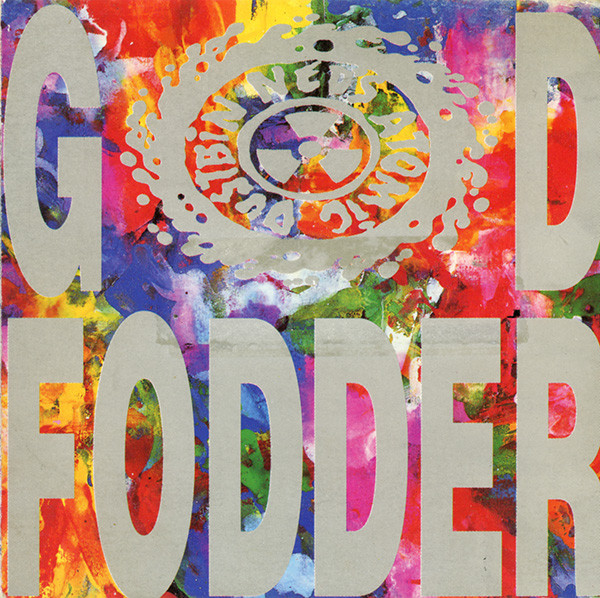
Producer Jessica Corcoran corralled the band into Greenhouse Studios in London to capture the live chaos for their debut, God Fodder. By tracking Cheslin's melodic bass lines directly through a guitar amp while keeping Griffin's bass deep in the sub-frequencies, she created a giant, mid-range-heavy sound that shouldn't have fit together. It sounded like a freight train with a blown radiator. The result was a massive UK indie hit that got them signed to Columbia in the States.
The Electronic Shift
For 1992's Are You Normal?, the band brought in producer Andy Wallace to slick things up, resulting in a cleaner, sample-heavy studio experiment. The raw punk energy got buried under loops, acoustic guitars, and dance beats as they tried to keep pace with the Madchester fallout. You can hear the strain in Jonn Penney’s vocals, which had to fight against a massive wall of digital compression instead of raw guitar feedback. It was a pivot toward the mainstream that alienated the sweat-soaked kids who bought their early EPs.
The Industrial Breakdown
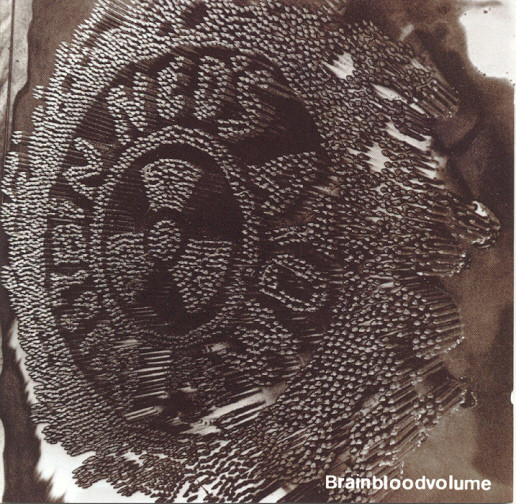
By 1995, the band was falling apart, and they flew to Wales with producer Tim Palmer to cut Brainbloodvolume. They traded the pop hooks for heavy, industrial-tinged distortions, trip-hop beats, and a darker lyrical outlook that reflected their imminent collapse. The double-bass trick was practically abandoned in favor of dense synthesizers and abrasive guitar textures. Sony dropped them shortly after its release, and the band split before they could even tour the record properly.
Influences
- The Cure — Jonn Penney has repeatedly cited Robert Smith's crew as the reason they realized bass could be the lead instrument. You hear this directly in the high-register, melodic basslines of 'Grey Cell Green,' which borrow their chorused, driving tone straight from Simon Gallup's work on 'Disintegration.' It is the exact same trick of using the bass to carry the melody while the guitars just provide texture.
- New Order — The band's entire dual-bass dynamic was inspired by Peter Hook's signature high-neck bass style. On tracks like 'Kill Your Television,' the interaction between the two bass tracks mimics the tension between Hook’s lead lines and Bernard Sumner’s sequencer-backed rhythms. They took the post-punk club groove and sped it up to skate-punk tempo.
- The Jesus and Mary Chain — Before forming the band, the members were regulars at local West Midlands gigs where the Reid brothers' wall of feedback was the gold standard. The chaotic, top-heavy guitar screech that sits on top of 'Grey Cell Green' is a direct lift from 'Psychocandy.' They just swapped out the heroin-chic attitude for massive energy and a ton of sweat.
- Pop Will Eat Itself — These were their local Stourbridge scene mentors who actually took Ned's on their first major UK tour in 1989. The influence is all over the band's later obsession with sampling and hip-hop breakbeats, especially on tracks like 'Not Sleeping Around.' PWEI showed them how to merge punk guitars with dancefloor electronics before the rest of the UK caught on.
- The Clash — The band's early live ethos and political-adjacent, youth-culture lyricism was heavily modeled on Joe Strummer's gang-mentality approach. You can hear it in the frantic, driving rhythm section of 'Throwing Things' and their insistence on selling cheap, high-quality merchandise directly to fans. It was punk rock ethics applied to a much noisier indie-pop template.
Discography
Their records — most-collected first.






Related artists
Around the web
Follow every record they touch.
Start your shelf and Gatefold tracks Ned’s Atomic Dustbin's new pressings, tour dates, and the whole discography — automatically.
Start your shelf →Free forever. Works with 10 records or 10,000.