
Artist
Nathaniel Rateliff & The Night Sweats
Denver, United States
Nathaniel Rateliff & The Night Sweats is a music group from Denver, United States. Their discography on Gatefold includes 7 records.

7
Albums tracked
80
In collections
—
Since
Biography
Richard Swift took a battered tape machine, shoved eight guys into his Cottage Grove studio, and blew the dust off a sound that people had left for dead. Nathaniel Rateliff was dead-broke in Denver, playing hushed, heartbreaking folk tunes that barely kept the lights on. Then he recruited bassist Joseph Pope III and cut "S.O.B.," hollering through delirium tremens over a clap-track that felt like a revival tent collapsing in real time. Stax signed them because nobody was doing Southern soul that sounded this desperate or smelled this much like cheap bourbon. The industry tried to turn them into an arena-party novelty act off that one hook, but that shit missed the point entirely. Underneath the horn charts and the dancing, Rateliff was writing about clinical depression, ruined marriages, and watching friends die young. When Swift passed away, the whole engine had to be rebuilt from scratch. They survived because Patrick Meese and Luke Mossman could anchor a groove without needing studio tricks to fake the sweat.
Bio from The Clerk
The Arc of Nathaniel Rateliff & The Night Sweats
The pivots — what forced Nathaniel Rateliff & The Night Sweats to reinvent.
The Swift Sessions & Stax Revival
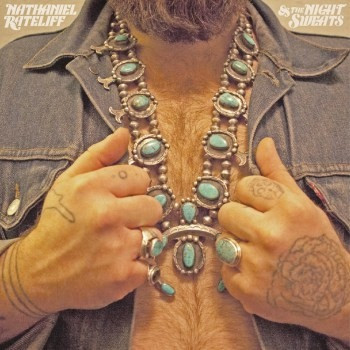
Broke and exhausted from years on the Denver singer-songwriter circuit, Rateliff hauled his newly minted eight-piece outfit out to Oregon to record with producer Richard Swift. Cutting their 2015 self-titled debut on vintage analog gear, they hit commercial paydirt when "S.O.B." exploded into a foot-stomping phenomenon. Followed by the 2016 stopgap EP A Little Something More From, the era was defined by blistering horn lines, overdriven tape saturation, and an explosive stage show. They proved soul revivalism did not have to feel like museum curation.
Tearing at the Seams
Pressured to prove they were not just a one-hit bar band, the group holed up in Rodeo, New Mexico, writing collaboratively before heading back to Swift's studio for what would be their final sessions with him. The resulting 2018 record, Tearing at the Seams, brought deeper R&B arrangements, lusher backing vocals, and tighter pocket play from Meese and Pope. Tracks like "You Worry Me" showed a band moving past raw revivalism toward sophisticated modern rock radio without losing their punch. It was their tightest collective statement right before tragedy dismantled their core dynamic.
The Broken Creek Reckoning
Devastated by Swift's death and stalled by the pandemic, Rateliff built out Broken Creek Studio outside Denver to figure out what the band sounded like on their own terms. Bringing in producer Brad Cook alongside production trio R.M.B., they cut 2021's The Future, blending the introspective acoustic grit of Rateliff's solo output with horn-drenched soul. Follow-up 2023 release What If I continued that transition toward moody textures, mid-tempo pacing, and confessional storytelling. The manic party shtick took a backseat to genuine survival.
Sonic Ranch Maturation
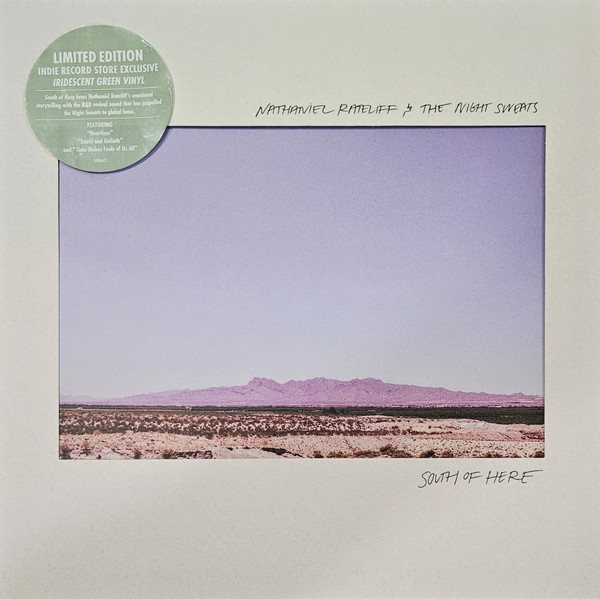
Decamping to the border desert at Sonic Ranch in Texas with Brad Cook running the board, the ensemble stripped away the remaining retro pretense for 2024's South of Here. The brass arrangements became sharper accents rather than wall-to-wall crutches, letting Mossman's guitars and Rateliff's weathered vocal cords carry the weight. Instead of chasing sweat-soaked nostalgia, the record leaned into straight-ahead heartland songwriting and stark lyricism. They emerged on the other side not as a tribute act to sixties Memphis, but as an enduring American rock band.
Influences
- Sam & Dave — Rateliff explicitly points to the Stax catalog as the foundation for shifting from quiet indie-folk to fronting an eight-piece horn band. You hear their call-and-response blueprint all over tracks like "I Need Never Get Old." It gave Rateliff the dynamic contrast of gospel shout and rhythmic snap.
- The Band — Rateliff has consistently cited their communal dynamic and covered them live, adopting their blend of rural folk, horns, and ensemble groove. You hear Levon Helm's loose-limbed backbeat and Rick Danko's wandering basslines driving "Tearing at the Seams." It keeps the Night Sweats sounding like a collective rather than a backing band.
- Otis Redding — The direct lineage behind signing with Stax Records, Redding's throat-shredding vocal delivery is Rateliff's primary vocal playbook. You hear it on "S.O.B." and "Look It Here," pushing the voice until it naturally breaks into gravel. It is pure Southern soul tension brought straight into modern rooms.
- Van Morrison — Rateliff drew heavily from Morrison's horn-flanked Celtic-soul era, particularly the road-tested looseness of the Caledonia Soul Orchestra. You hear it in the acoustic strumming layered underneath the brass fanfare on "The Future." It gave Rateliff permission to marry deeply personal folk poetry with big-band swing.
- Richard Swift — Before producing their first two records, Swift was a critical solo artist whose warm, tape-distorted production aesthetic entirely defined the band's breakout sound. You hear his signature cavernous slapback echo and gritty tambourine hits driving the self-titled 2015 debut. Swift did not just shape their influences—he carved out their voice.
Discography
Their records — most-collected first.




Related artists
Around the web
Follow every record they touch.
Start your shelf and Gatefold tracks Nathaniel Rateliff & The Night Sweats's new pressings, tour dates, and the whole discography — automatically.
Start your shelf →Free forever. Works with 10 records or 10,000.