
Artist
My Life With the Thrill Kill Kult
Chicago, United States · Formed 1987
My Life With the Thrill Kill Kult is a music group from Chicago, United States, active since 1987. Their discography on Gatefold includes 21 records.

21
Albums tracked
44
In collections
1987
Since
Biography
Frank Nardiello and Marston Daley didn't start My Life With the Thrill Kill Kult in a recording studio. They started it in 1987 as a mock soundtrack to a trashy, unmade art film. Taking the names Groovie Mann and Buzz McCoy, they signed to Chicago's legendary Wax Trax! Records and built their sound on a pile of cheap horror movie samples, a drum machine, and a massive dose of sleaze. They were the weirdos in the corner of the industrial scene, laughing at the ultra-serious rivetheads while wearing matching silk shirts and platforms. By the time they hit the early nineties, they traded the pitch-black basement clatter for something much stranger: disco-fueled club music for degenerate drag queens and b-movie stars. The major labels sniffed around after "Sex on Wheelz" blew up on college radio, leading to a weird, bloated Interscope era that tried to turn their campy club theater into arena rock. They survived the collapse of the nineties alternative gold rush by retreating back to their own sleazy universe, proving they were always more about the party than the industrial grind.
Bio from The Clerk
The Arc of My Life With the Thrill Kill Kult
The pivots — what forced My Life With the Thrill Kill Kult to reinvent.
The Wax Trax! Horror Show
From 1988 to 1990, the band defined the dirty underbelly of Chicago industrial by relying on stolen B-movie dialogue and cheap sampler technology. Their debut, I See Good Spirits and I See Bad Spirits, was born from Groovie Mann and Buzz McCoy utilizing basic Roland samplers and drum machines to create a claustrophobic, darkwave-adjacent sound. Tracks like "Kooler Than Jesus" became club anthems not through polished production, but through the sheer grit of abrasive tape splices and blasphemous vocal loops. This era peaked with Confessions of a Knife..., a record drenched in satanic panic imagery and heavy industrial rhythms that established them as the premier agitators of the Wax Trax! roster.
The Sleazy Disco Seduction
In 1991, the band radically shifted gears by bringing live horn players, backing singers like the Bomb Gang Girlz, and heavy funk basslines into the mix. Sexplosion! and 13 Above the Night threw out the abrasive gothic noise in favor of a sleazy, psychedelic disco-metal fusion. McCoy leaned heavily into wah-wah guitars, house beats, and lounge music, turning their live shows into chaotic, theatrical revues. You hear this pivot clearly in the driving house tempo of "Sex on Wheelz," a track that pushed them out of the industrial underground and straight onto major label radar.
The Major Label Surf-Rock Detour
Signing to Interscope Records for 1995's Hit & Run Holiday forced the band to adapt to the post-grunge alternative boom. They swapped out the heavy electronic sequencing for a live drum kit played by Charry S., surf-rock guitar riffs, and a trashy, sixties go-go aesthetic. The resulting record sounded like a twisted Quentin Tarantino soundtrack, stripped of the electronic grit that defined their early Chicago years. It was an expensive, polished experiment that didn't sit right with the old-school industrial crowd, eventually leading to their departure from the major label system.
Influences
- The B-52's — Groovie Mann has repeatedly cited them as a massive influence on the band's kitschy, campy dual-vocals approach. You hear this in the call-and-response dynamic between Mann and the Bomb Gang Girlz on tracks like 'Sexplosion!' which mirrors Fred Schneider's trash-culture delivery.
- Cabaret Voltaire — Before forming TKK, Daley and Nardiello bonded over Sheffield industrial, specifically Cabaret Voltaire's pioneering use of found-sound spoken-word cassettes. The early TKK singles 'Nervous Xians' and 'Shock of Fear' directly mimic this technique, layering obscure religious broadcasts over repetitive bass loops.
- Donna Summer — Buzz McCoy's production style on the band's mid-period work was deeply rooted in the heavy, synthesized disco beats produced by Giorgio Moroder for Donna Summer. The hypnotic, driving bassline of 'Leathersex' is a direct nod to the electronic sequencing of 'I Feel Love'.
- Alice Cooper — The band's entire theatrical concept of a fictional, devil-worshipping rock show was modeled on Alice Cooper's early seventies shock-rock stage productions. They took Cooper's vaudevillian horror aesthetic and updated it for the nineties club scene with fake blood, platforms, and leather.
- Christian Death — Thomas Thorn was a key member of TKK's early lineup before leaving to form Electric Hellfire Club, bringing the heavy, atmospheric goth-punk sound of Rozz Williams with him. That deathrock influence is all over the gloomy guitar work on the 1988 debut album.
Discography
Their records — most-collected first.

Confessions Of A Knife...
1990
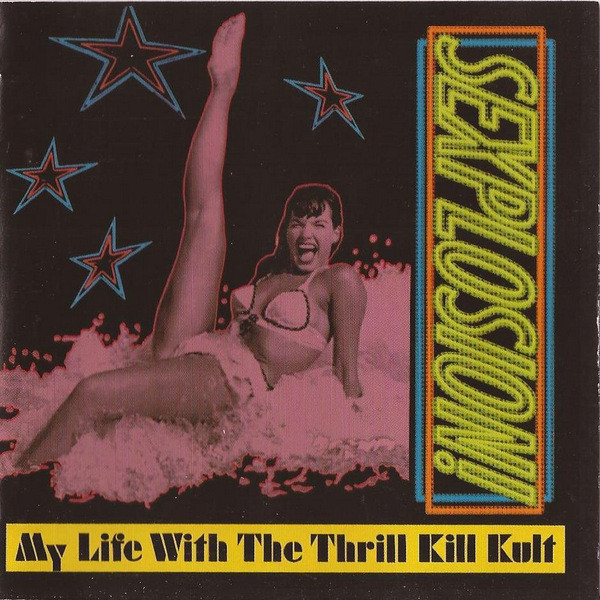
Sexplosion!
1991
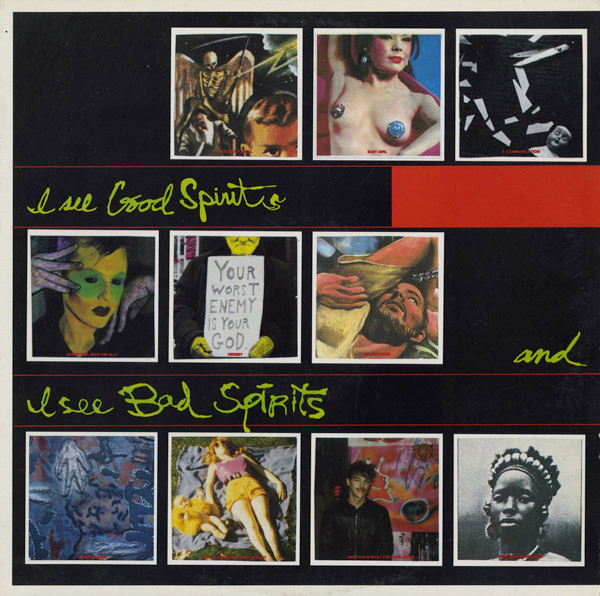
I See Good Spirits And I See Bad Spirits
1988

A Crime For All Seasons
1997

Kooler Than Jesus
1989

Sinister Whisperz: The Wax Trax! Years (1987-1991)
2010

My Life With The Thrill Kill Kult
2004

The Reincarnation Of Luna
2001

13 Above The Night
1993
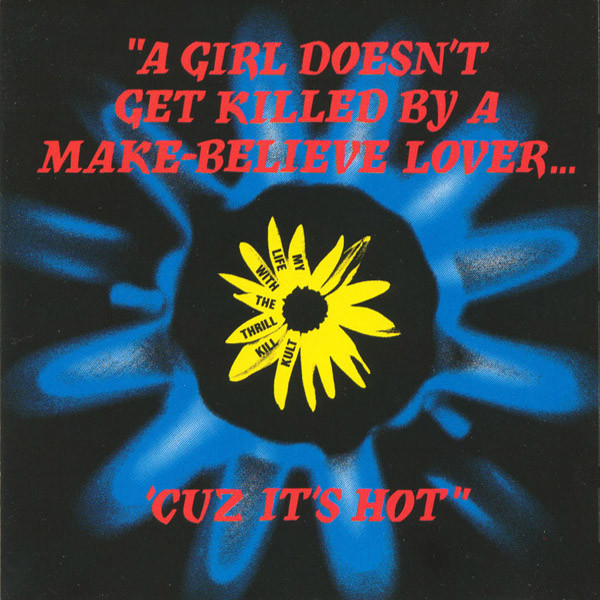
A Girl Doesn't Get Killed By A Make-Believe Lover... 'Cuz It's Hot
1990

The Be(a)st Of TKK
2004

Dirty Little Secrets (Music To Strip By...)
1999

Sinister Whisperz IV: The Bedroom Tapes 1987-1988
2023

In The House Of Strange Affairs
2019

Spooky Tricks
2014

Death Threat
2009
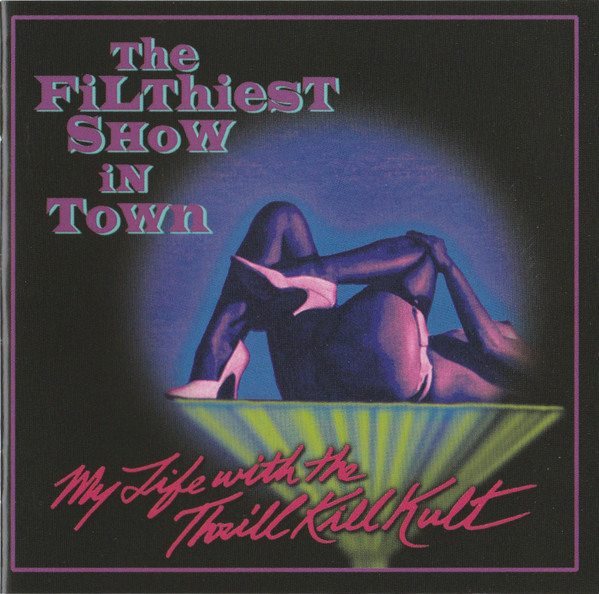
The Filthiest Show In Town
2007

Gay, Black And Married
2005

Diamonds & Daggerz
2004

9 Lives Are Not Enough
1997

Green Darkness Vol. 1
1989
Related artists
Members
Frequent collaborators
Around the web
Follow every record they touch.
Start your shelf and Gatefold tracks My Life With the Thrill Kill Kult's new pressings, tour dates, and the whole discography — automatically.
Start your shelf →Free forever. Works with 10 records or 10,000.