
Artist
My Chemical Romance
United States · Formed 2001
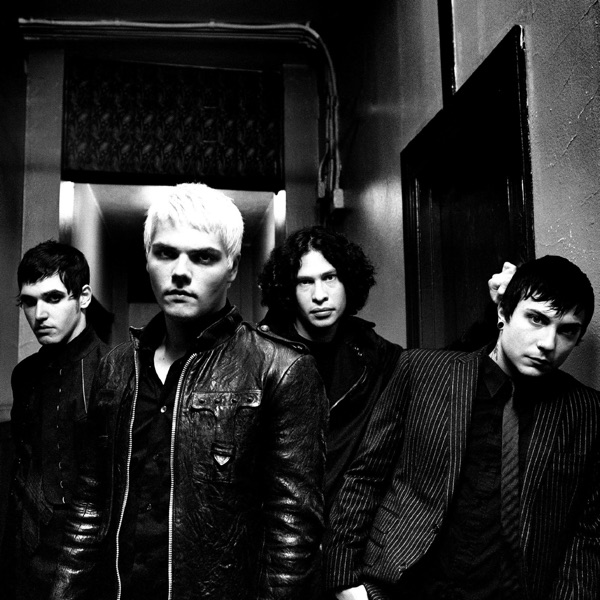
My Chemical Romance is a music group from United States, active since 2001. Their discography on Gatefold includes 18 records.
18
Albums tracked
353
In collections
2001
Since
Biography
Gerard Way tracked the vocals for their debut while suffering from a brutal tooth abscess, literally screaming through nerve pain in a dingy New York studio. Geoff Rickly from Thursday produced that first record on Eyeball Records, and you can hear the raw, basement-level desperation in every blown-out track. They were a ragged post-hardcore outfit out of New Jersey who built their early buzz on the floor of VFW halls and basement shows before the majors came sniffing around. Then Howard Benson got a hold of them for Three Cheers, dialed up the polish, and turned them into a theatrical juggernaut. People wrote them off as eyeliner melodrama for teenagers, but the secret weapon was always Ray Toro's lead playing—the guy wasn't ripping off third-wave emo bands, he was channeling heavy metal leads and classic rock phrasing. By the time they locked into the Can-Am Recorders space with Rob Cavallo to cut The Black Parade, they weren't chasing mall-punk trends anymore. They built a maximalist, Queen-sized concept record that pissed off the purists and steamrolled mainstream rock radio.
Bio from The Clerk
The Arc of My Chemical Romance
The pivots — what forced My Chemical Romance to reinvent.
The Eyeball Basement Era
Cut in a matter of days with Geoff Rickly producing, the band's 2002 debut was raw, unhinged post-hardcore fueled by cheap gear and jagged nerves. Frank Iero joined mid-recording just in time to throw down rhythm guitar on two tracks and solidify their dual-guitar attack. The record relies on thrashy tempo shifts and throat-shredding screams rather than arena hooks. It documented a desperate Jersey basement band before major-label polish came into play.
The Major Label Breakout
Signing to Reprise and teaming up with producer Howard Benson in 2004 pushed the band from sweaty club circuits to MTV heavy rotation. Mid-session lineup shifts brought in drummer Bob Bryar to lock down a razor-sharp, stadium-ready rhythm section. Toro's guitar work morphed into theatrical, ironclad hard rock leads that elevated the macabre narrative concepts. The result was a platinum explosion that defined the mid-2000s alternative rock mainstream.
The Cavallo Rock Opera
Teaming up with Green Day producer Rob Cavallo at the allegedly haunted Can-Am facility, the band abandoned post-hardcore simplicity for sprawling 1970s rock opera ambition. They pulled in Liza Minnelli for guest vocals, layered grand pianos, and built massive multitracked vocal harmonies. The sound became dense, orchestral, and unabashedly theatrical, ditching basement grit for pure arena bombast. It was their peak commercial and conceptual statement, completely shedding the emo tag.
The Post-Apocalyptic Neon Pivot
After scrapping an entire batch of dark, back-to-basics hard rock tracks known as the Conventional Weapons sessions, the band completely reinvented their sonic palette in 2010. Cavallo returned to helm Danger Days, steering the band into vibrant, synth-heavy power pop and dystopian garage rock. Heavy distortion took a backseat to analog synthesizers, disco drum beats, and comic-book concept lyricism. It was a polarising, hyper-colourful left turn that alienated rock purists before the band quietly fractured in 2013.
Influences
- Queen — Gerard Way has consistently cited Freddie Mercury as his ultimate frontman blueprint, and Rob Cavallo arranged their massive multitracked vocal harmonies to mirror A Night at the Opera. You hear it explode on 'Welcome to the Black Parade' with its operatic bridge, theatrical tempo changes, and stacked guitar fanfares. They borrowed the pomp and treated arena rock like theater.
- The Smashing Pumpkins — Way regularly pointed to Billy Corgan's maximalist guitar tracking on Siamese Dream as the sonic benchmark for their mid-era records. Ray Toro and Frank Iero layered wall-of-sound rhythm tracks directly inspired by Corgan's layered Big Muff fuzz production. It gave their mid-2000s hooks an overwhelming, heavy alternative punch rather than a clean pop-punk sheen.
- The Misfits — Growing up in New Jersey, the band wore their horror-punk heritage on their sleeves and later tracked a direct cover of 'Astro Zombies.' The Misfits' ghoulish lyricism, driving down-picked tempos, and gang-vocal 'whoa-ohs' form the structural foundation of their earliest cuts. They took Glenn Danzig's B-movie schtick and injected real-world panic into it.
- Iron Maiden — Ray Toro grew up on classic British heavy metal and explicitly cited Maiden's harmonized dual-guitar leads as his biggest structural influence. You hear the galloping rhythms and soaring twin-lead harmonies on tracks like 'Thank You for the Venom.' It kept the band rooted in technical heavy metal while their peers were playing basic power chords.
- David Bowie — The entire concept of adopting theatrical alter-egos for The Black Parade directly mirrors Bowie killing off Ziggy Stardust in 1973. Beyond the uniform changes and stage personae, Bowie's glam-rock arrangements echo through the driving acoustic guitars and theatrical backing vocals on tracks like 'The End.' They treated every album cycle as an entirely new character.
Discography
Their records — most-collected first.
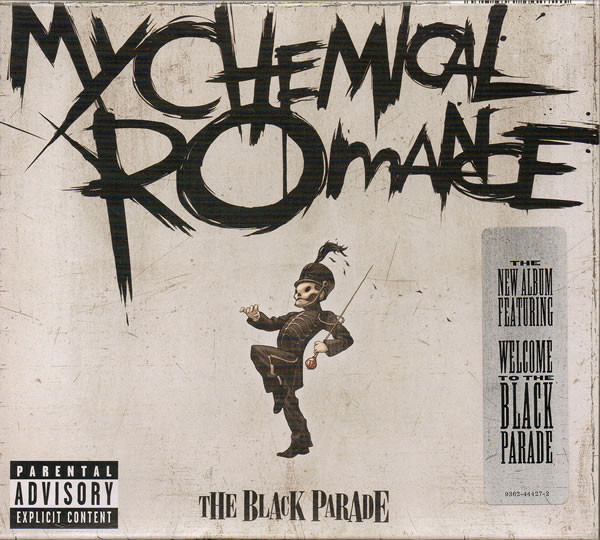
The Black Parade
2006

Three Cheers For Sweet Revenge
2004

Danger Days: The True Lives Of The Fabulous Killjoys
2010
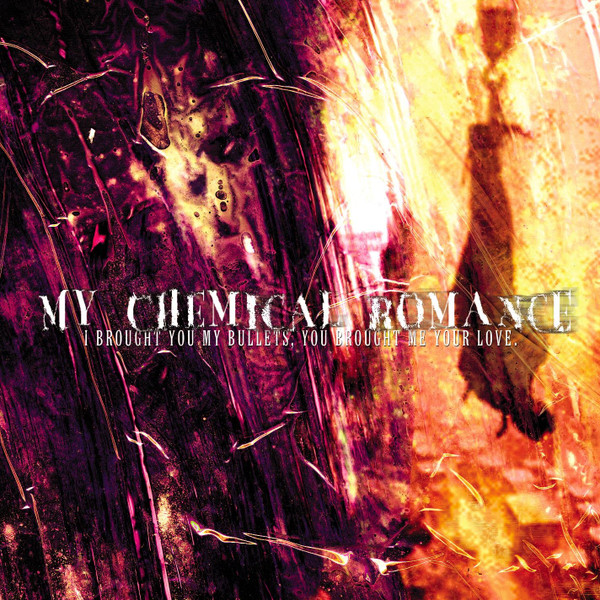
I Brought You My Bullets, You Brought Me Your Love
2002

May Death Never Stop You
2014

The Black Parade Is Dead!
2008

Life On The Murder Scene
2006
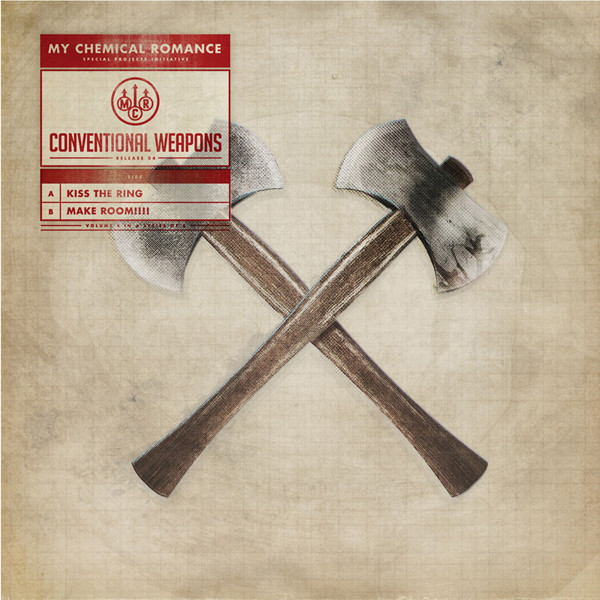
Conventional Weapons No. 04
2013

Conventional Weapons No. 03
2012
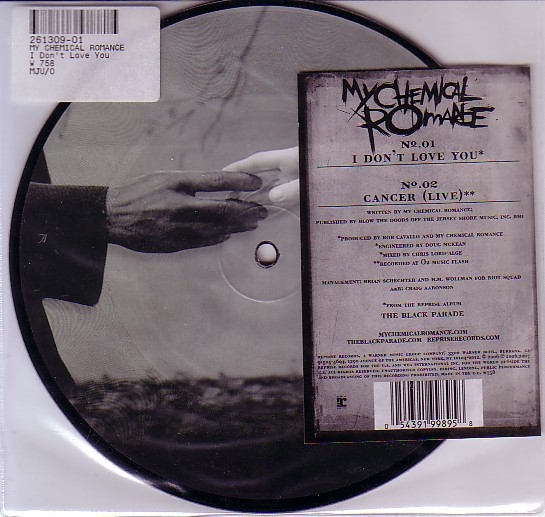
I Don't Love You
2007
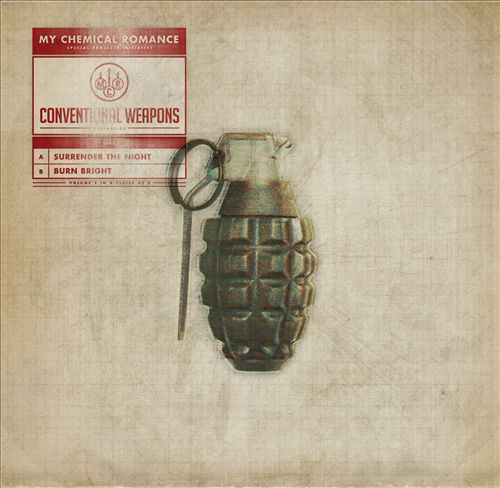
Conventional Weapons No. 05
2013
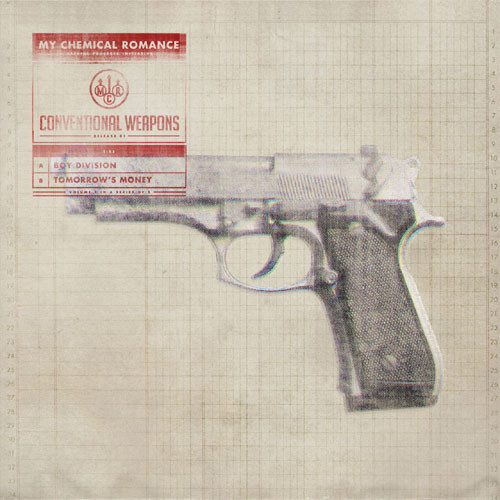
Conventional Weapons No. 01
2012
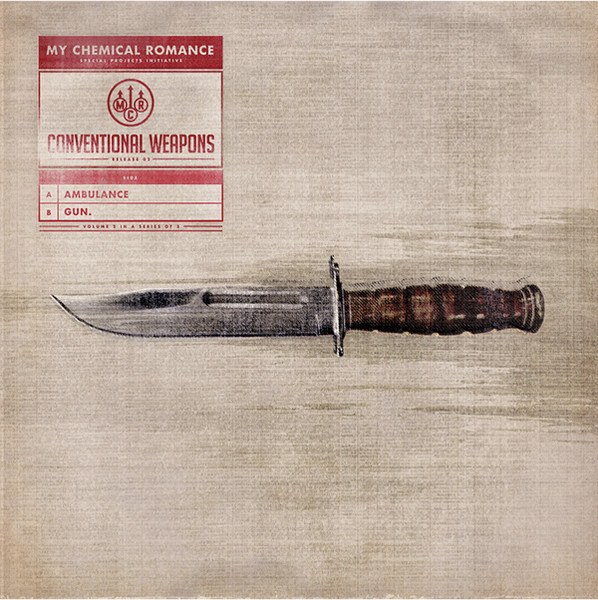
Conventional Weapons No. 02
2012

Teenagers
2007
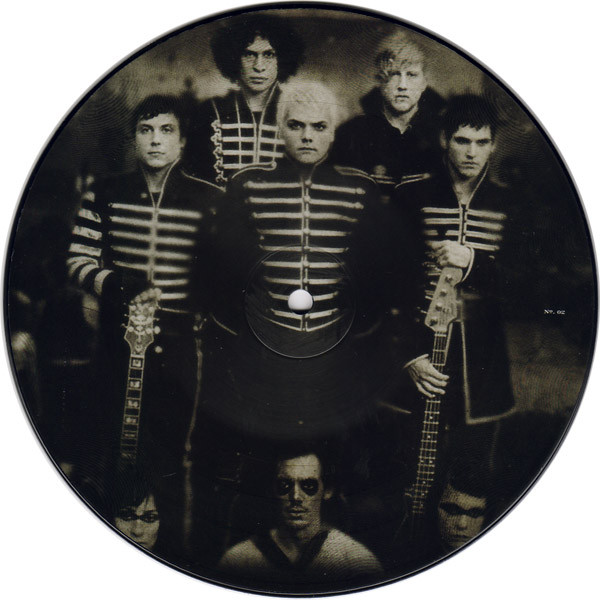
Welcome To The Black Parade
2006
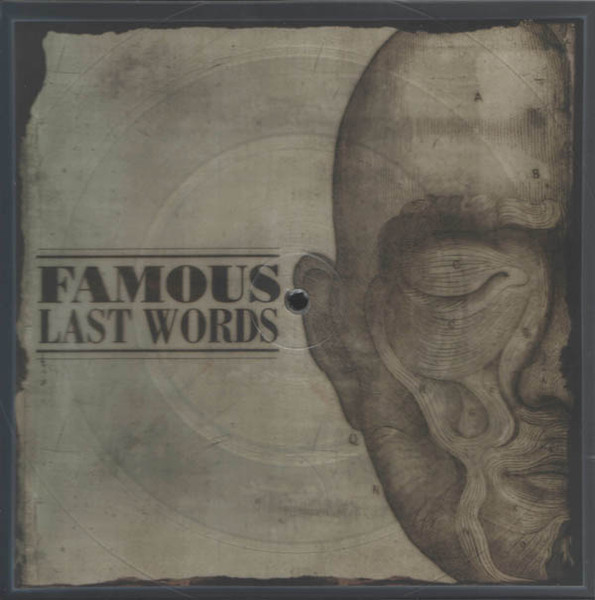
Famous Last Words
2006
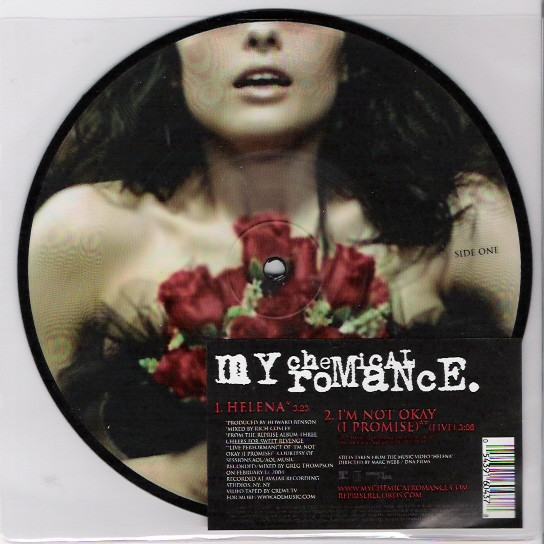
Helena
2005
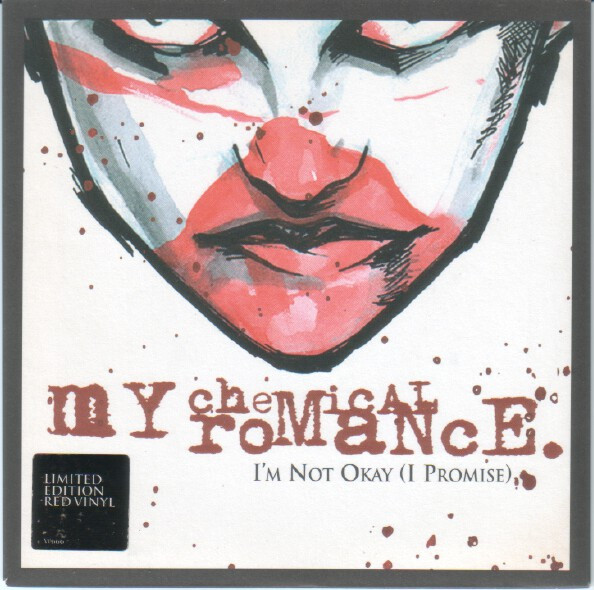
I'm Not Okay (I Promise)
2004
Related artists
Around the web
Follow every record they touch.
Start your shelf and Gatefold tracks My Chemical Romance's new pressings, tour dates, and the whole discography — automatically.
Start your shelf →Free forever. Works with 10 records or 10,000.