
Artist
Mr. Bungle
Eureka, United States · Formed 1985
Mr. Bungle is a music group from Eureka, United States, active since 1985. Their discography on Gatefold includes 7 records.
7
Albums tracked
159
In collections
1985
Since
Biography
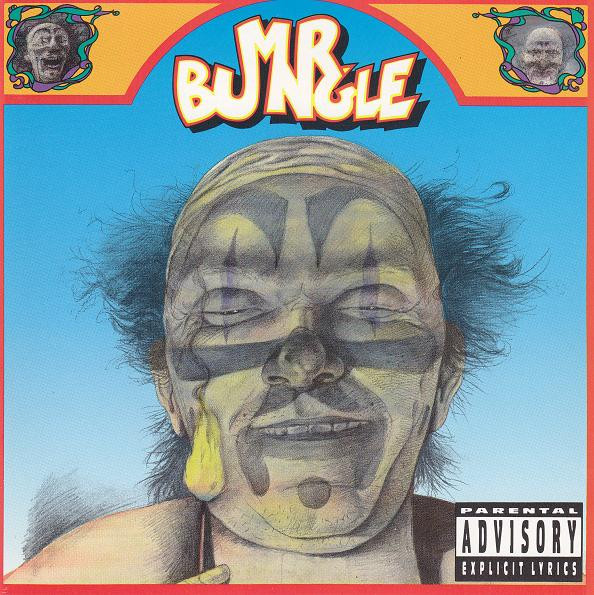
Warner Bros. signed a band that was basically a high-concept prank on the music industry because Mike Patton had the leverage of a platinum-selling superstar. They tracked the 1991 debut with John Zorn in a studio filled with toys and cheap gear, essentially forcing a major label to bankroll a record that sounded like a fever dream in a circus tent. It wasn't just weird for the sake of it—it was a technical nightmare for the engineers who had to capture the rapid-fire shifts between funk, metal, and avant-jazz. By the time they got to the mid-90s, they weren't just playing with genres—they were dissecting them. They spent a fortune on sessions for Disco Volante, pushing the limits of analog tape splicing and multi-tracking to create something that feels physically dense and genuinely hostile. It’s the sound of a band that realized they could do anything they wanted and decided to do everything at once, consequences be damned.
Bio from The Clerk
The Arc of Mr. Bungle
The pivots — what forced Mr. Bungle to reinvent.
The Zorn-Orchestrated Chaos
John Zorn stepped in to produce the self-titled debut and treated the studio like a sandbox for his own 'Jump Cut' philosophy. The band utilized the massive Warner Bros. budget to indulge in every whim, from carousel music to death metal, creating a hyper-compressed sonic collage. You hear the friction between Patton's rising fame and the band's desire to be unmarketable in every distorted horn line. It forced the world to acknowledge that the guy from Faith No More was actually a deranged student of the avant-garde.
The Cinematic Deconstruction
Working with Billy Anderson for Disco Volante shifted the focus from goofy genre-hopping to a deep, dark atmospheric horror. The gear became more experimental, with the band using vintage organs and found-sound textures to build a record that felt like a series of disjointed short films. This was the moment the jokes stopped being funny and started being terrifying. The production is muddy and thick, rejecting the clean funk-metal polish of the early 90s for a more difficult, immersive experience.
The Surf-Pop Masquerade
California saw the band pivot toward lush, Brian Wilson-inspired arrangements while keeping the underlying tension of a nervous breakdown. They brought in extra session players for horns and keyboards, aiming for a high-fidelity lounge sound that was ironically their most accessible and most complex work. The tragedy was the timing—releasing a record this intricate right when the industry was pivoting to nu-metal meant it never got the push it deserved. It remains their most polished production, hiding lyrical rot inside beautiful, shimmering melodies.
The Thrash Reclamation
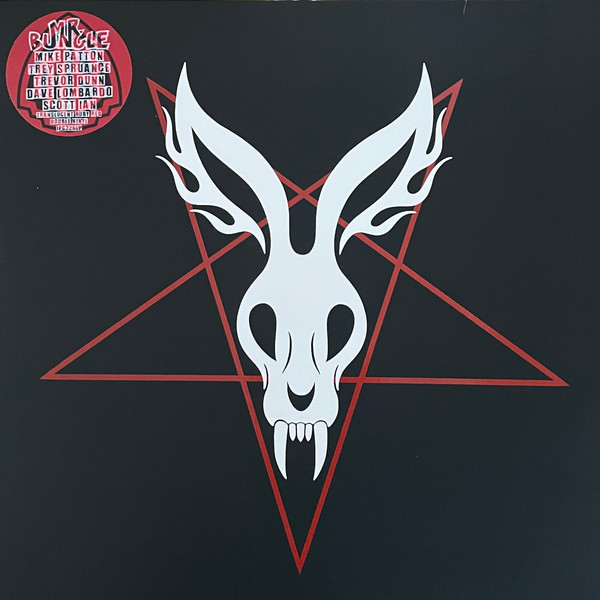
Bringing in Scott Ian and Dave Lombardo to re-record their 1986 demo was a brutal reset that stripped away the keyboards and horns. They moved away from the experimental art-rock of the previous decade to reclaim their roots in pure, precision-engineered thrash metal. The sound is dry, fast, and punishingly loud, proving that the technical proficiency was always the foundation of their weirdness. It wasn't a comeback—it was a hostile takeover of their own legacy.
Influences
- John Zorn — Patton and Spruance have repeatedly cited Zorn’s 'Game Pieces' and his 'Naked City' project as the blueprint for their genre-shifting arrangements. You hear it in the sudden, jarring transitions on the self-titled debut. Zorn didn't just produce them; he taught them how to edit.
- The Beach Boys — Trey Spruance has openly analyzed the vocal layering and baroque arrangements of Pet Sounds as the primary DNA for the California sessions. The intricate vocal harmonies on 'Retrovertigo' are a direct nod to Brian Wilson's mid-60s studio obsession. It’s the same obsession with perfection masked as pop.
- Slayer — The band covered 'Raining Blood' during early live shows and eventually recruited Dave Lombardo for their thrash revival. The speed and rhythmic precision of Trevor Dunn's bass lines in the 'Raging Wrath' era are a direct byproduct of Dave's double-kick influence. It’s the backbone of their entire aggressive side.
- Ennio Morricone — Patton’s vocal delivery and the band's use of space and tension are heavily indebted to Morricone’s spaghetti western scores. They covered 'The Sundown' and mirrored those cinematic textures throughout Disco Volante. It’s where the drama in their music comes from.
- Fishbone — In the late 80s, Bungle shared a similar chaotic energy and high-speed genre-blending with the Los Angeles legends. You hear the DNA of Fishbone’s manic brass sections and slap-bass grooves in the OU818 demo and the first record. They took that energy and turned it much more cynical.
Discography
Their records — most-collected first.




Related artists
Around the web
Follow every record they touch.
Start your shelf and Gatefold tracks Mr. Bungle's new pressings, tour dates, and the whole discography — automatically.
Start your shelf →Free forever. Works with 10 records or 10,000.