
Artist
Motion City Soundtrack
Minnesota pop punk band
Minneapolis, United States · Formed 1997
Motion City Soundtrack is a music group from Minneapolis, United States, active since 1997. Their discography on Gatefold includes 14 records.

14
Albums tracked
101
In collections
1997
Since
Biography
Justin Pierre had a Moog MG-1—a cheap realistic-branded synth sold at RadioShack in the early 80s—and that piece of plastic garbage defined their entire trajectory. While every other pop-punk band in the early 2000s was busy trying to sound like Blink-182 or New Found Glory, these guys were layering fuzzy, monophonic squelches over hyper-literate panic attacks. They weren't singing about high school girls; they were singing about prescription meds and the existential dread of being a functional adult. It was nerd-rock with a caffeine addiction, anchored by Tony Thaxton’s drumming, which was far too technical for the genre they were lumped into. Mark Hoppus produced 'Commit This to Memory' in 2005, and that was the moment the polish actually worked. They went from being a quirky Minneapolis opening act to the guys who wrote the definitive handbook on Midwestern neurosis. The records that followed, like 'Even If It Kills Me', got a little too shiny for their own good, trading the raw anxiety for a more power-pop sheen that felt like a label push for radio play. They eventually clawed it back by recording 'Panic Stations' in a single room to capture a live energy they’d spent years overproducing out of existence. It’s a catalog of highs and lows, but that synth lead still cuts through the noise of every other generic Warped Tour survivor.
Bio from The Clerk
The Arc of Motion City Soundtrack
The pivots — what forced Motion City Soundtrack to reinvent.
The Epitaph Shift
After grinding on small labels, signing to Brett Gurewitz’s Epitaph Records changed the stakes by putting them in the room with Mark Hoppus at 4th Street Recording. Hoppus stripped away the amateur clutter and forced the band to focus on vocal hooks without losing the Moog’s frantic character. This era defined the 'neon' pop-punk sound, where the production was expensive enough to be clear but the lyrics remained messy and self-deprecating. You hear it in the tightness of the snare and the way the synth leads finally stopped fighting the guitars for space.
The Major Label Experiment
Moving to Columbia for 'My Dinosaur Life' saw them paired with Mark Hoppus again, but with a massive corporate budget that allowed for deeper experimentation with layers. The band pushed against the 'pop' label by getting heavier and more cynical, resulting in their most aggressive and diverse arrangements. Despite the major label backing, the record felt like a defiant return to their indie roots, featuring some of Pierre’s most frantic and fragmented songwriting to date. It was a brief, expensive moment of artistic peak before they realized the corporate machine didn't know how to market a band this weird.
Back to the Basement
Returning to an independent setup with 'Panic Stations', the band decided to record live to tape at Seaway Studios to avoid the digital perfection of their previous three albums. This pivot was a reaction to the exhaustion of the studio-as-instrument approach, opting instead for the raw, unedited energy of five guys playing in a room. The result was a record that sounded less like a science project and more like the Minneapolis club band they started as in 1997. It was a reset that prioritized the chemistry between Thaxton and Taylor over the perfect synth patch.
Influences
- The Cars — Justin Pierre has repeatedly cited Ric Ocasek as the blueprint for how to integrate synthesizers into guitar-driven rock without making it a gimmick. You hear it in the staccato rhythm parts and the way the Moog mimics a lead guitar role. It’s the essential source code for their power-pop DNA.
- Superchunk — The band toured with and took heavy cues from the frantic, high-register vocal delivery of Mac McCaughan. The influence shows up in the 'everything-all-at-once' energy and the DIY ethic of their early Minnesota days. They took the indie-rock urgency of Merge Records and gave it a pop-punk facelift.
- Elvis Costello — Pierre’s wordy, rapid-fire lyrical style is a direct descendant of Costello’s 'Armed Forces' era. The focus on clever wordplay, neurosis, and the 'nerd in a suit' aesthetic is documented in numerous interviews regarding Pierre's songwriting process. It’s why their lyrics feel like a frantic monologue instead of a simple chorus.
- Weezer — The heavy, crunching guitar tone paired with unapologetic geekiness was lifted straight from the 'Pinkerton' playbook. Motion City Soundtrack took the vulnerable, slightly awkward songwriting of Rivers Cuomo and sped it up for the skate-punk crowd. They essentially filled the void when Weezer started pivoting toward polished stadium rock.
- Pixies — The band has frequently cited Black Francis for the loud-quiet-loud dynamic and the use of abstract, surreal imagery in lyrics. You can hear this in the jagged song structures of their debut, 'I Am the Movie', where the melodic hooks are often interrupted by dissonant breaks. They traded the Pixies' grit for synth-pop, but kept the structural instability.
Discography
Their records — most-collected first.

Commit This To Memory
2005

I Am The Movie
2003
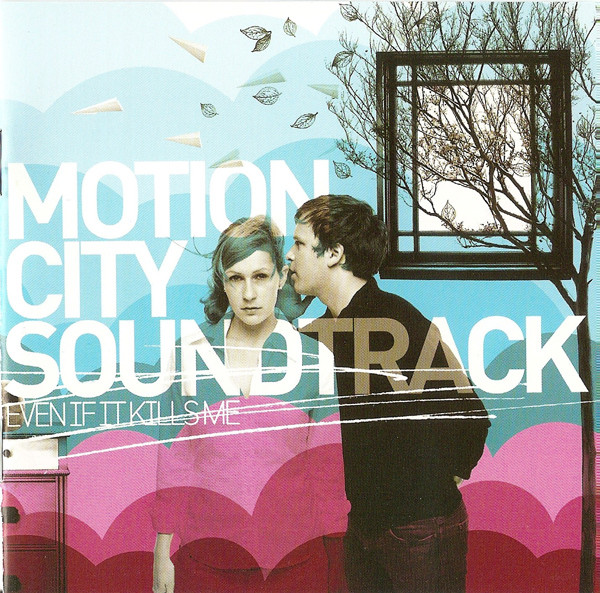
Even If It Kills Me
2007

My Dinosaur Life
2009

Panic Stations
2015

Go
2012

The Same Old Wasted Wonderful World
2025

Making Moves Volume 6
2012

The Future Freaks Me Out
2003

Inside Out
2013
This Is For Real
2007
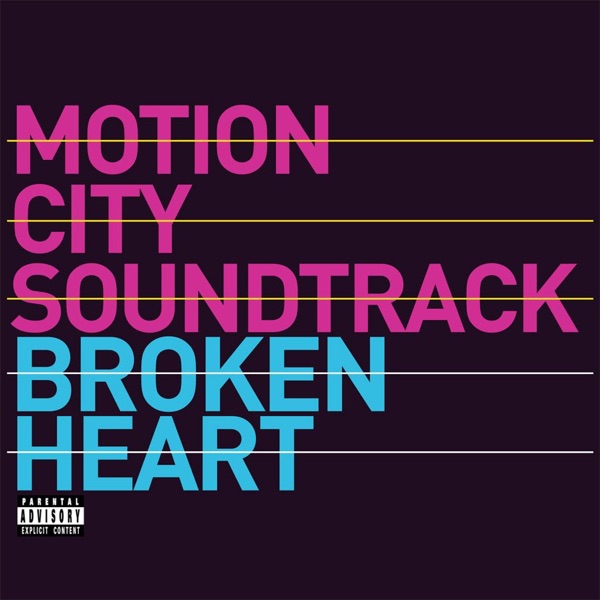
Broken Heart
2007

Limbeck / Motion City Soundtrack Split
2004

Motion City Soundtrack / Schatzi
2003
Related artists
Around the web
Follow every record they touch.
Start your shelf and Gatefold tracks Motion City Soundtrack's new pressings, tour dates, and the whole discography — automatically.
Start your shelf →Free forever. Works with 10 records or 10,000.