
Artist
Moderat
Modeselektor and Apparat
Berlin, Germany · Formed 2002
Moderat is a music group from Berlin, Germany, active since 2002. Their discography on Gatefold includes 8 records.

8
Albums tracked
28
In collections
2002
Since
Biography
Berlin's BPitch Control label was the perfect pressure cooker for a collaboration that almost died on arrival. Sascha Ring, recording as Apparat, was a bedroom romantic obsessed with glitchy, melodic DSP editing, while Gernot Bronsert and Sebastian Szary of Modeselektor were hardware purists running heavy, dirt-flecked basslines through analogue boxes. When they first tried to work together on the 2003 EP "Auf Kosten der Gesundheit," the clash of egos and workflows was so bad they shelved the project for six years. Ring wanted to mic up acoustic instruments and play with delicate digital decay, while the Modeselektor guys just wanted to blow out subwoofers with Roland TR-808 kicks. When they finally crawled back to the studio in 2009 for the self-titled debut, they figured out how to use that tension as a weapon. They stopped fighting the contrast and started trading spaces, burying Ring’s breathy, fragile vocals beneath massive, industrial-grade Berlin techno foundations. It was an uneasy truce that worked because both sides refused to compromise. That tension made them a stadium-sized live draw, even if the subsequent albums occasionally threatened to smooth out the very rough edges that made them interesting in the first place.
Bio from The Clerk
The Arc of Moderat
The pivots — what forced Moderat to reinvent.
The Abandoned Blueprint
In 2002, the trio met in Berlin and tried to merge their vastly different studio habits, resulting in the abrasive 2003 EP "Auf Kosten der Gesundheit." Modeselektor wanted to push red-lined hardware techno, while Apparat was deep in the Max/MSP digital editing world. The process was so frustrating and the creative friction so intense that they abandoned the project entirely to focus on their solo careers. You can hear the raw, unresolved chaos of this false start in the heavy-handed, sample-chopped grit of that first EP before they realized they needed a real system to make the partnership work.
The Berlin Compromise
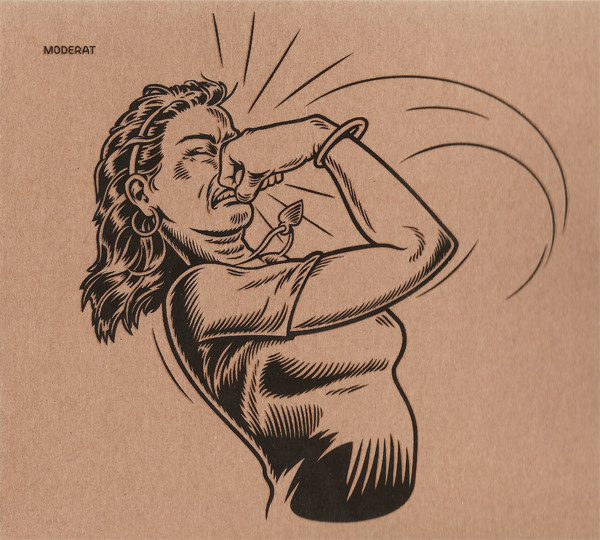
By 2009, both camps had matured, and they reunited at Berlin's Hansa Studios to record their self-titled debut. They stopped trying to make Apparat track techno and stopped forcing Modeselektor into IDM structures. Instead, they built a dark, heavy brand of pop-infused bass music that relied on Ring’s melancholic vocals floating over massive, analog low-end weight. This era defined the classic Moderat sound on tracks like "Rusty Nails," where the delicate vocal hook is constantly threatened by a crushing, distorted synth line.
The Arena Polish
The release of "II" in 2013 and "III" in 2016 saw the band moving from dark clubs into massive festival slots, which forced a shift toward cleaner arrangements and bigger vocal hooks. They leaned heavily into the vocal-led side of the project, turning Ring into a traditional frontman while the Modeselektor duo polished their hardware grit into pristine, cavernous spaces. The raw, analog dirt of the early days was traded for widescreen, cinematic dynamics on tracks like "Bad Kingdom," turning them into an electronic stadium act before they went on an indefinite hiatus in 2017 to recover from the grind.
The Isolation Return
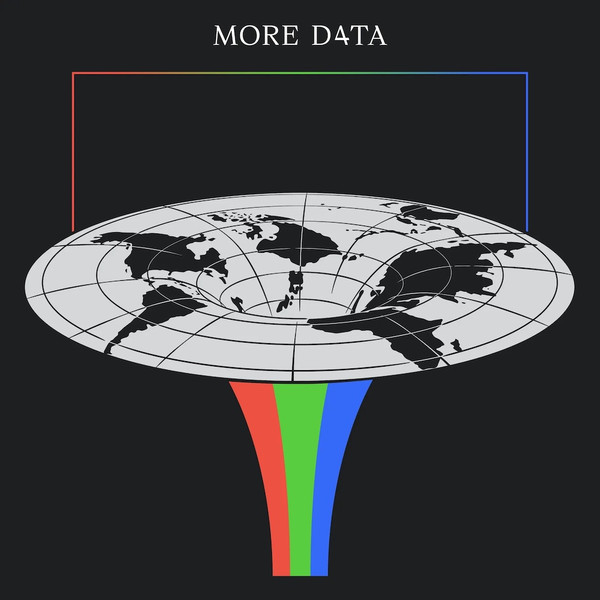
Reuniting for 2022's "MORE D4TA," the trio faced a pandemic-induced isolation that stripped away the festival-ready bombast of their previous two records. Ring was suffering from writer's block, so he visited Berlin's Gemäldegalerie museum to find inspiration in classic paintings while Szary and Bronsert sent him cold, modular synth patches. The resulting album is a quieter, more insular affair that uses modular synth manipulation and vocal processing to sound like a band talking to themselves in an empty room.
Influences
- Radiohead — Thom Yorke championed Modeselektor early on, famously collaborating on their track "The White Flash" and inviting them to open for Radiohead in 2008. You hear this influence in how Apparat structures his paranoid, falsetto vocal deliveries over stuttering, non-standard electronic rhythms. The band even covered Radiohead's "Let Down" live, cementing the direct lineage of British art-rock dread on their Berlin electronic framework.
- Ellen Allien — As the founder of BPitch Control, Allien signed both Apparat and Modeselektor in the early 2000s, physically bringing them into the same orbit and releasing their debut collaborative EP. Her production style, which combined classic Berlin techno with left-field pop sensibilities, served as the structural blueprint for how Moderat eventualized their sound. You can hear her minimal, driving techno aesthetics in the driving percussion of "A New Error."
- Autechre — Sascha Ring has repeatedly cited the Warp Records legends as the reason he got into electronic music, shifting his focus from guitar-based music to complex digital programming. The micro-edited digital glitches, DSP stretching, and metallic percussion sounds scattered throughout Moderat's discography are direct descendants of the DSP-heavy sound design pioneered on late-90s Autechre records like "Chiastic Slide."
- The Prodigy — Gernot Bronsert and Sebastian Szary grew up in East Germany listening to breakbeats and rave cassettes, citing Liam Howlett's heavy, aggressive production as their gateway into dance music. That influence is why Modeselektor's half of the Moderat equation has always favored heavy sub-bass and massive, punishing drum breaks over polite house grooves. You hear this rave-tinted weight on tracks like "Seamonkey," which pairs delicate synth pads with a massive, driving breakbeat.
- LFO — The late Mark Bell's work under the LFO moniker established the heavy, bass-centric sound of Sheffield bleep techno that Modeselektor studied intensely in the 1990s. The low-frequency oscillation and synthetic sub-bass weight that forms the foundation of Moderat's heaviest tracks is a direct continuation of Bell's production philosophy. You can trace the sub-bass rumble of "Les Grandes Marches" directly back to the minimalist, speaker-testing rattle of LFO's self-titled 1990 debut single.
Discography
Their records — most-collected first.



Related artists
Around the web
Follow every record they touch.
Start your shelf and Gatefold tracks Moderat's new pressings, tour dates, and the whole discography — automatically.
Start your shelf →Free forever. Works with 10 records or 10,000.