
Artist
Minus the Bear
Seattle, United States · 2001 – 2018
Minus the Bear is a music group from Seattle, United States, active 2001–2018. Their discography on Gatefold includes 15 records.

15
Albums tracked
127
In collections
2001
Since
Biography
Matt Bayles was already the guy behind the desk for Botch and Blood Brothers when he decided to actually join a band, which is why those early Minus the Bear records sound like a masterclass in clean-channel precision. They didn't use the typical indie-rock slop; instead, David Knudson brought his Line 6 DL4 delay pedals over from Botch and figured out how to make math-rock tapping sound like a late-night drive through Seattle. It was technical as hell but aimed squarely at the dance floor, stripping away the hardcore screaming for Jake Snider’s detached, conversational vocals about parties and seaside hangovers. They hit a weird wall when they signed to Dangerbird and tried to go full-tilt '80s funk on OMNI with Joe Chiccarelli. It was a polarizing pivot that traded the cold, angular textures of their best work for synth-heavy grooves that felt a little too polished for the guys who wrote songs about shark attacks. They eventually found their footing again by leaning back into the heavy, atmospheric density of their later years, but the magic was always in that friction between Bayles’s rigid production and Knudson’s frantic, shimmering fretwork.
Bio from The Clerk
The Arc of Minus the Bear
The pivots — what forced Minus the Bear to reinvent.
The Math-Pop Blueprint
After Botch folded, David Knudson traded distorted metalcore riffs for a clean, intricate tapping style that defined the band's first three years. Working in their own backyard at Hall of Justice and Litho, the band perfected a glitchy, loop-heavy sound on Highly Refined Pirates that made complex time signatures feel like breezy indie rock. You hear it in the way the guitars mimic electronic samples, a direct result of Knudson treating his delay pedals like a primary instrument rather than an effect.
The Glitch-Rock Evolution
By 2005’s Menos el Oso, the band moved away from the sprawling titles and jaunty melodies toward a darker, more rhythmic focus. Matt Bayles pushed the production into a tighter, more compressed space where the guitar loops were chopped and triggered like MPC samples. This era solidified their reputation as a 'gear band,' with the live show becoming a choreographed dance of four guys hitting foot switches to recreate the record’s stuttering, mechanical precision.
The Progressive Deep Freeze
Planet of Ice saw the band ditching the three-minute pop structures for sprawling, Pink Floyd-inspired arrangements and icy textures. They brought in Alex Rose on keys and focused on longer jams, filtered through the vintage synthesizers and heavy reverb that defined the late-2000s Seattle sound. It was the last record Matt Bayles produced before leaving the lineup, and you can hear him throwing every classic psych-rock trick in the book at the wall to see what stuck.
Influences
- Don Caballero — David Knudson has explicitly cited Ian Williams as the reason he started using multiple Line 6 DL4 pedals to loop and layer guitar parts. You hear this influence in the frantic, rhythmic tapping patterns that drive 'Absinthe Party at the Fly Honey Warehouse.' It’s the DNA of Pittsburgh math-rock translated into a pop context.
- The Police — Jake Snider has frequently pointed to Stewart Copeland’s rhythmic sensibilities and Andy Summers' chorus-heavy guitar tones as foundational to the band's early sound. The tight, syncopated interplay between the drums and the staccato guitar stabs on Highly Refined Pirates is a direct descendant of Ghost in the Machine. It’s white-reggae precision without the actual reggae.
- Built to Spill — The band grew up in the Pacific Northwest scene where Doug Martsch was the undisputed king of the guitar harmony. Minus the Bear took that blueprint of intertwining, melodic guitar lines and applied a more technical, disciplined edge. The layered, melodic sprawl on tracks like 'Pachuca Sunrise' owes its life to the foundational PNW indie-rock of the late '90s.
- Yes — During the Planet of Ice sessions, the band was vocal about their obsession with 1970s progressive rock, specifically the technical ambition of Yes. You can hear the influence in the shifting movements and extended instrumental bridges of 'Dr. L'Ling.' They traded the short-form pop songs for the kind of structural complexity Chris Squire and company made standard.
- Prince — The band’s shift toward the synth-heavy, funk-inflected grooves of OMNI was a self-admitted attempt to channel the Minneapolis Sound. Jake Snider and Alex Rose moved the guitars to the background to let the keyboards and slap-bass rhythms take the lead. It’s the most obvious during 'My Time,' where they trade math-rock angles for a purple-hued dance floor vibe.
Discography
Their records — most-collected first.

Menos El Oso
2005

Highly Refined Pirates
2002
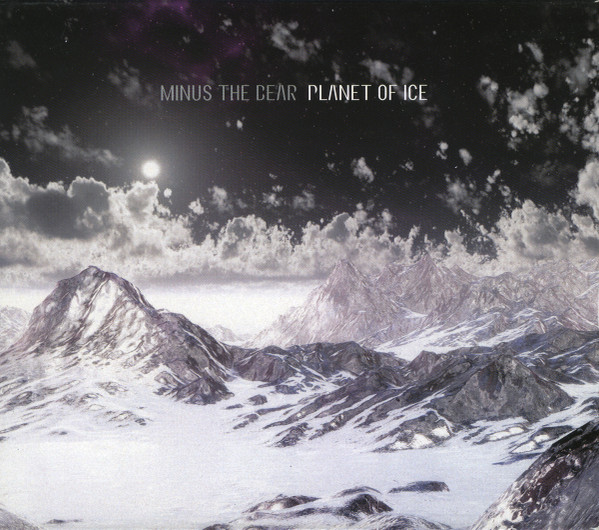
Planet Of Ice
2007

Omni
2010
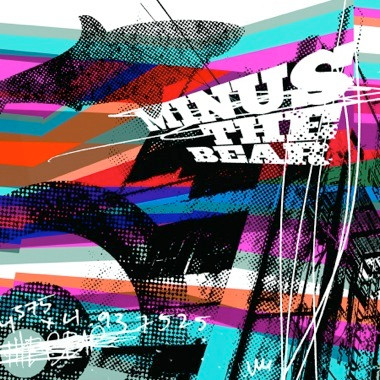
They Make Beer Commercials Like This
2004

Infinity Overhead
2012
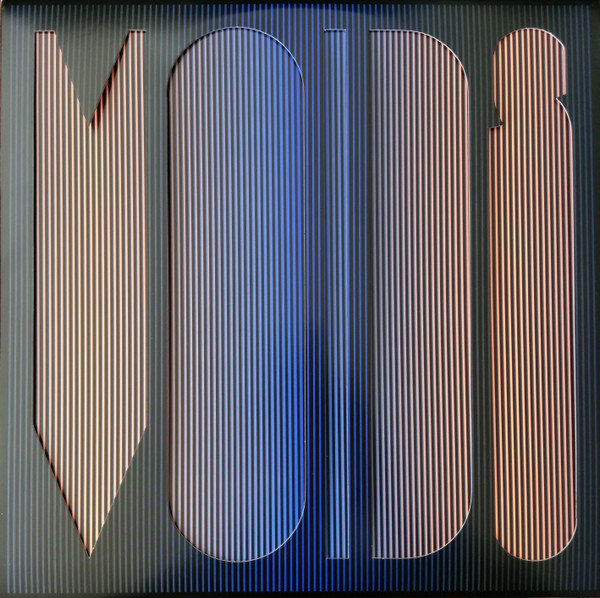
Voids
2017
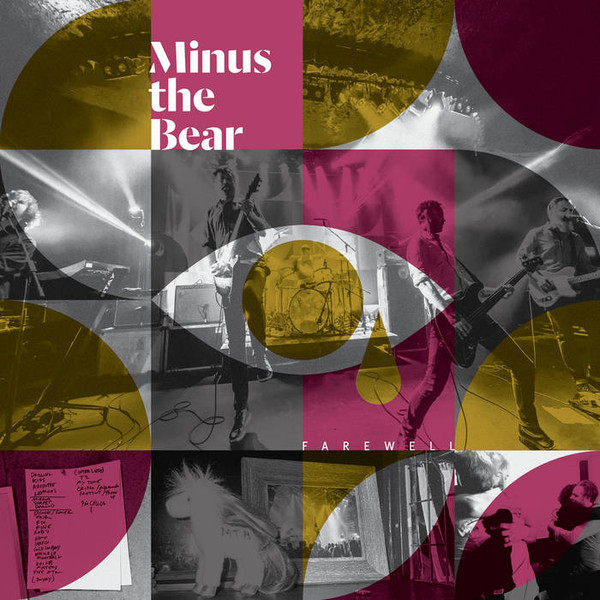
Farewell
2021

Acoustics II
2013

Acoustics
2008

Fair Enough
2018

Lost Loves
2014
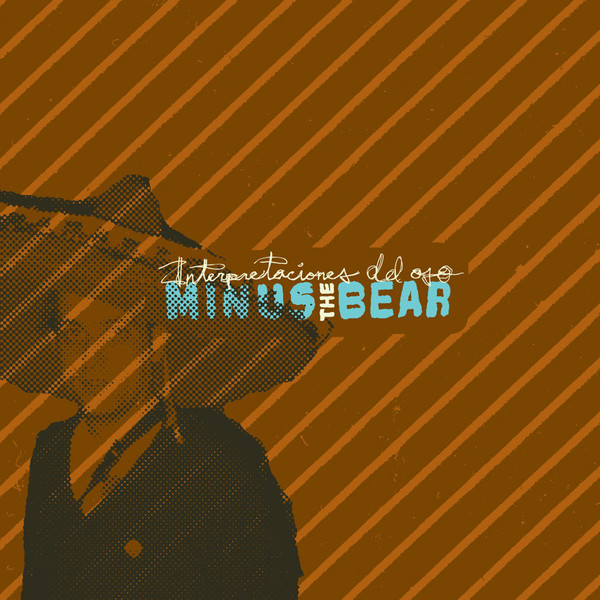
Interpretaciones Del Oso
2007

This Is What I Know About Being Gigantic
2001

Bands Like It When You Yell "YAR!" At Them
2002
Related artists
Around the web
Follow every record they touch.
Start your shelf and Gatefold tracks Minus the Bear's new pressings, tour dates, and the whole discography — automatically.
Start your shelf →Free forever. Works with 10 records or 10,000.