
Artist
Ministry
US industrial metal band
Chicago, United States · Formed 1981
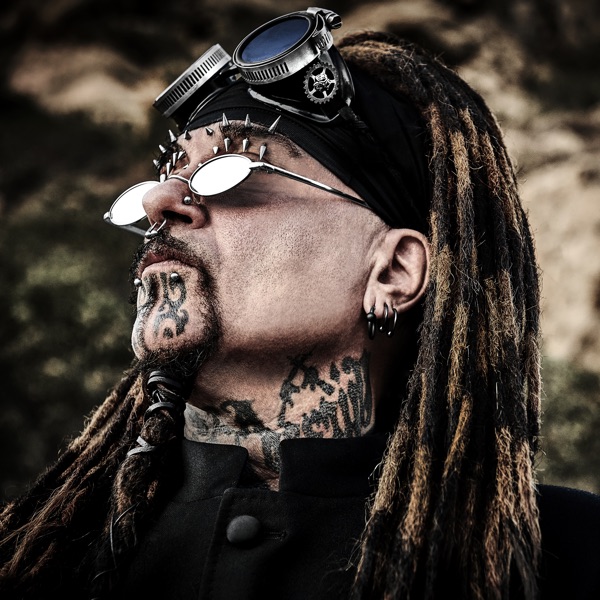
Ministry is a music group from Chicago, United States, active since 1981. Their discography on Gatefold includes 24 records.
38
Albums tracked
253
In collections
1981
Since
Biography
Al Jourgensen spent most of 1983 crying in a bathtub because Arista Records forced him to sound like a knockoff Duran Duran. He wore a fake British accent on With Sympathy and hated every second of it. The moment he escaped that major-label chokehold, he grabbed a Fairlight CMI sampler, hooked up with Adrian Sherwood, and decided to turn acoustic abuse into an art form. By the late eighties, the band was a revolving door of absolute maniacs fueled by an industrial-grade chemical diet. Jourgensen and bassist Paul Barker locked themselves in Chicago's Trax Studios, using metal pipes, jackhammers, and stolen movie dialogue to obliterate the line between electronic dance music and heavy metal. It was ugly, loud, and completely hostile to the mainstream. Then they accidentally became rock stars anyway, got nominated for Grammys, and spent the rest of the nineties trying to burn their own empire to the ground with sludgy, heroin-soaked guitar records.
Bio from The Clerk
The Arc of Ministry
The pivots — what forced Ministry to reinvent.
The Synth-Pop Subjugation
Arista Records wanted a new wave chart-topper and pushed Jourgensen into a corner of shiny synthesizers and radio-friendly hooks. Stephen George kept a clean, danceable beat while Jourgensen was literally forced by management to sing with a faux-Anglo warble on With Sympathy. You can hear the desperation in the tracks, which sounded more like Vince Clarke leftovers than anything resembling the industrial battery to come. It was a manufactured debut that Jourgensen spent the next four decades publicly detesting and trying to live down.
The Sherwood Salvage
Jourgensen broke free from Arista and signed to Sire, immediately calling in On-U Sound dub pioneer Adrian Sherwood to co-produce Twitch. Sherwood showed Jourgensen how to use the studio as an instrument of chaos, chopping tape loops and throwing heavy dub delays on the percussion. The acoustic drums were tossed out for harsh digital clatter and found-sound samples. This was the moment Ministry stopped chasing MTV airplay and started building a template for dark, aggressive electronic body music.
The Barker and Rieflin Machinery
The arrival of bassist Paul Barker and powerhouse drummer Bill Rieflin turned Ministry into a lethal, flesh-meets-machine unit. They abandoned the pure electronic club sound to drag heavy, thrashing metal guitars into the sampler, creating the landmark run of The Land of Rape and Honey and The Mind Is a Terrible Thing to Taste. The tracks were built on Rieflin's relentless, mechanical drumming layered under Jourgensen's blown-out megaphone vocals. It culminated in the multi-platinum chaos of Psalm 69, an album that brought underground industrial noise directly to the Lollapalooza main stage.
The Sludge Descents
Bloated by major label money and heavy drug habits, Ministry slowed down the tempo and replaced the precise sampler programming with suffocating, feedback-drenched guitars on Filth Pig. Barker and Jourgensen were barely speaking, the fast industrial beats were swapped for a crawling doom metal pace, and Jourgensen picked up a slide guitar and a harmonica. Critics hated it at the time because it wasn't Psalm 70. In reality, it was a terrifyingly honest, self-destructive masterpiece that captured a band completely falling apart in the studio.
Influences
- Killing Joke — Al Jourgensen has repeatedly cited the British post-punk outfit as the primary blueprint for Ministry's rhythmic drive and aggressive guitar texture. You can hear Geordie Walker's metallic, chorused guitar drone all over 'The Land of Rape and Honey.' The two bands eventually shared bassist Paul Raven, tying their sonic lineages together.
- Cabaret Voltaire — Ministry's heavy reliance on politically charged news samples and tape loops was directly lifted from these Sheffield industrial pioneers. The cut-up vocal techniques and television dialogue on 'Twitch' are a direct nod to the Dadaist sampling methods Cabaret Voltaire used on albums like Red Mecca. They showed Jourgensen how to make a synthesizer sound genuinely threatening.
- D.A.F. (Deutsch Amerikanische Freundschaft) — Jourgensen was obsessed with the muscular, minimalist electronic body music coming out of Germany in the early eighties. The driving, repetitive synthesizer bassline and mechanical drum patterns on 'Twitch' are a direct emulation of D.A.F.'s aggressive electronic punk style. It was the bridge that helped Ministry transition from synth-pop to industrial.
- ZZ Top — Before the industrial noise took over, Jourgensen was deeply influenced by the heavy, synthesized boogie of Eliminator, a record that mixed drum machines with dirty Texas guitar riffs. Ministry actually covered 'La Grange' on their Cover Up album, exposing the band's deep-seated love for massive, driving blues-rock grooves. It explains why Ministry's industrial metal always had a groove that most copycats missed.
- Suicide — The raw minimalism of Alan Vega and Martin Rev's cheap drum machines and terrifying vocal shrieks laid the groundwork for Jourgensen's aggressive vocal delivery. You can hear Suicide's relentless, anxiety-inducing repetitive beats underneath the abrasive synth lines of Ministry's early mid-eighties transition period. It was the ultimate proof that you could make punk rock with nothing but electronics.
Discography
Their records — most-collected first.
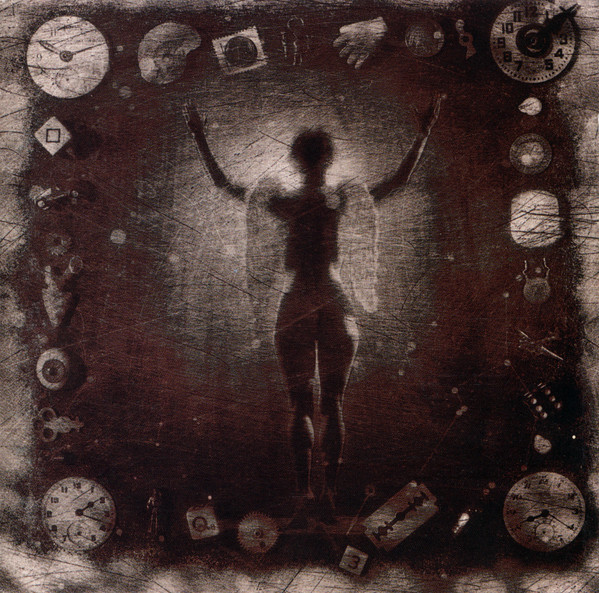
ΚΕΦΑΛΗΞΘ
1992
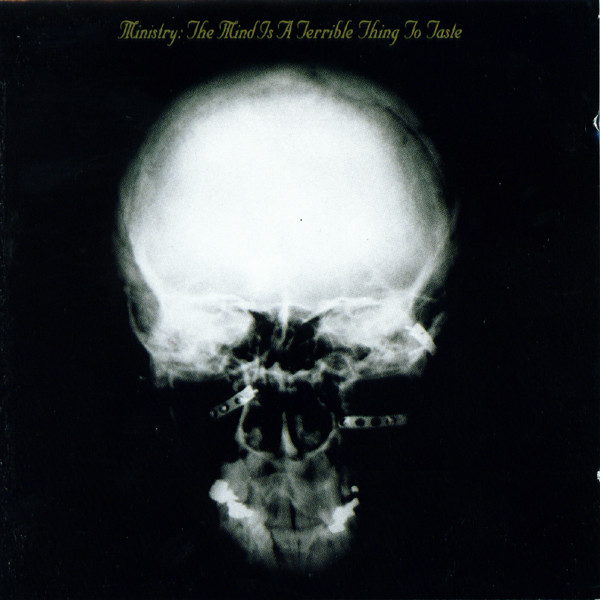
The Mind Is A Terrible Thing To Taste
1989
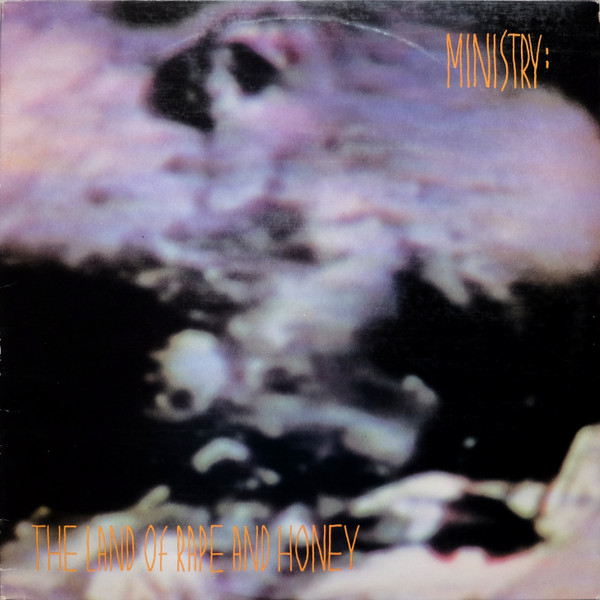
The Land Of Rape And Honey
1988
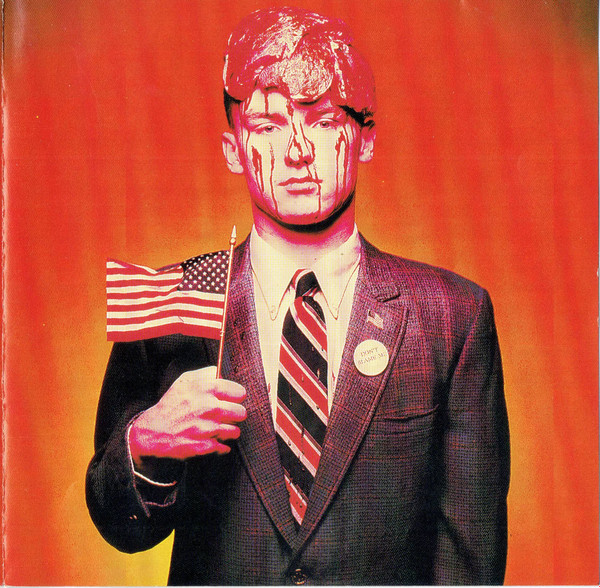
Filth Pig
1996
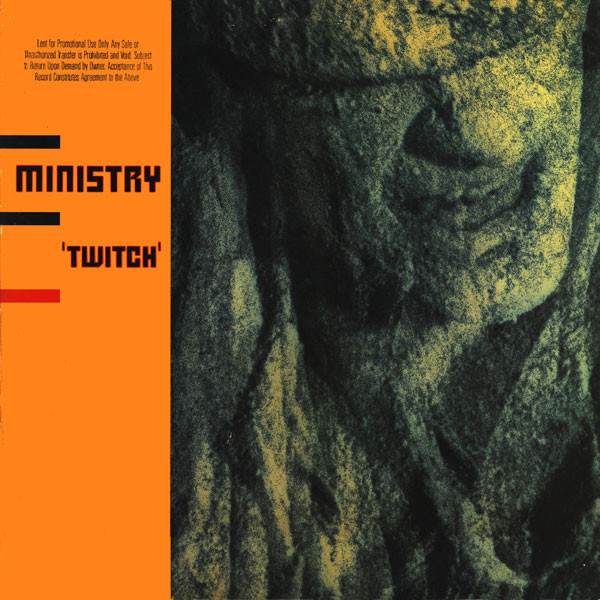
Twitch
1986
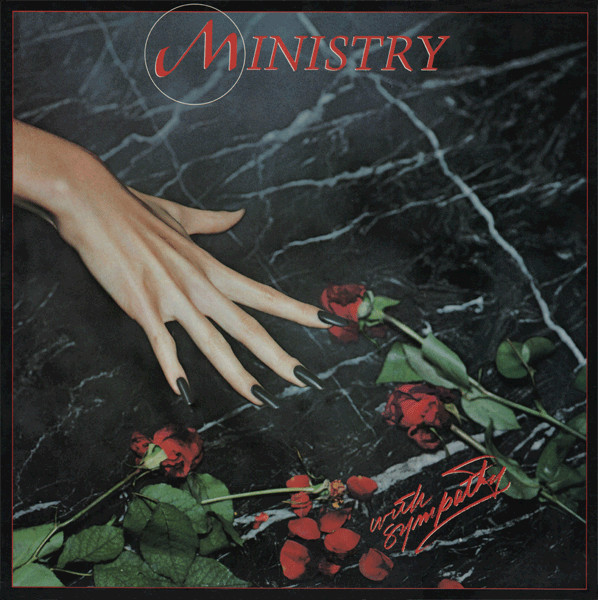
With Sympathy
1983
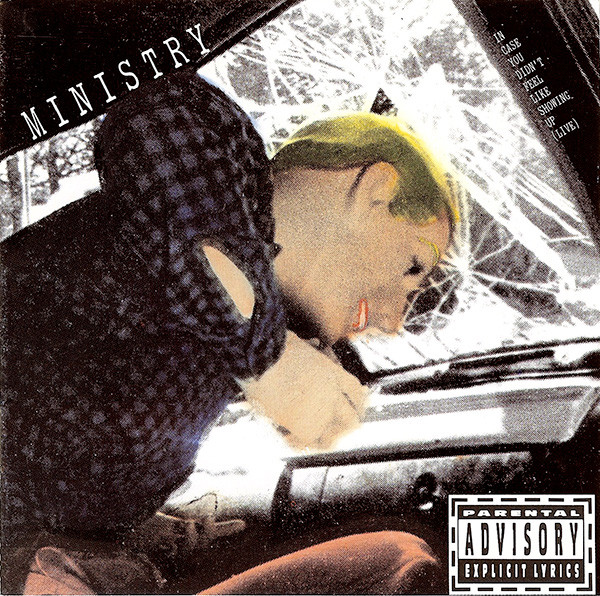
In Case You Didn't Feel Like Showing Up (Live)
1990
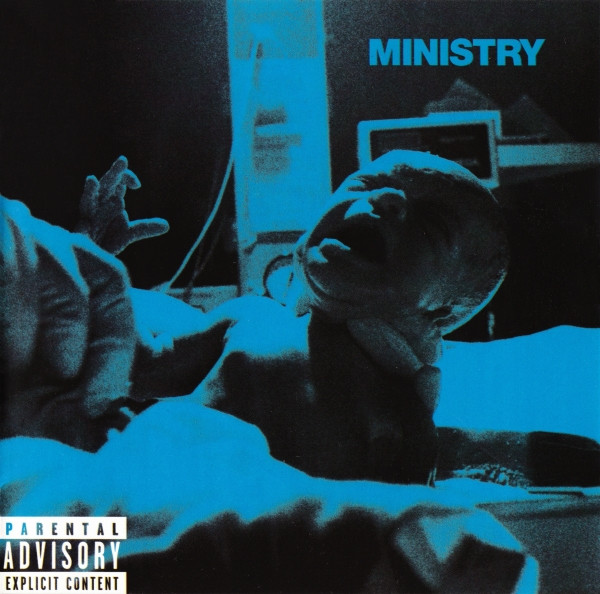
Greatest Fits
2001
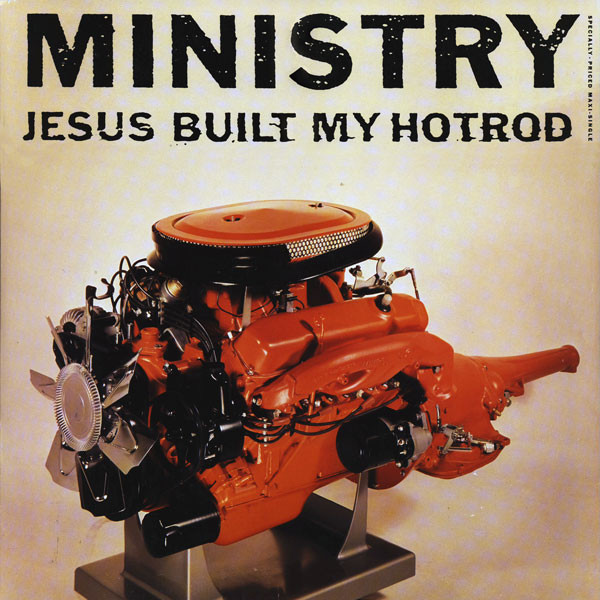
Jesus Built My Hotrod
1991
Twelve Inch Singles (1981-1984)
1987

Halloween Remix / Nature Of Outtakes
1985

Sphinctour
2002
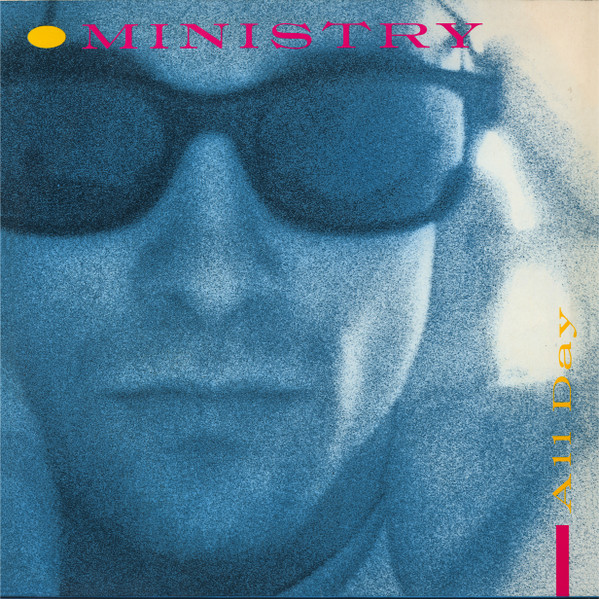
All Day / Everyday (Is Halloween)
1985

The Squirrely Years Revisited
2025

Rio Grande Blood
2006

Animositisomina
2003

Dark Side Of The Spoon
1999

Hopiumforthemasses
2024
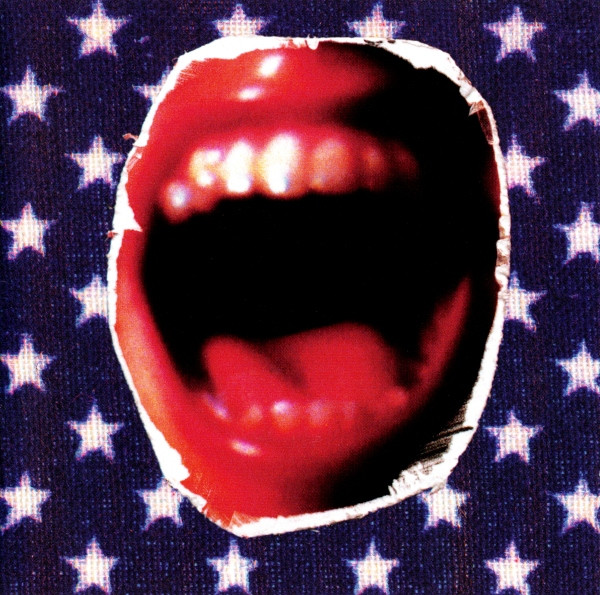
Rantology
2005

Houses Of The Molé
2004

Stigmata
1988

Ultimate Rarest Trax! 1981-1986
2024

(Every Day Is) Halloween (Acoustic)
2019

Live Necronomicon
2017
Related artists
Members
Frequent collaborators
Around the web
Follow every record they touch.
Start your shelf and Gatefold tracks Ministry's new pressings, tour dates, and the whole discography — automatically.
Start your shelf →Free forever. Works with 10 records or 10,000.