
Artist
Mighty Sparrow
Grenada · b. 1935
Mighty Sparrow is a musician from Grenada, active since 1935. Their discography on Gatefold includes 16 records.
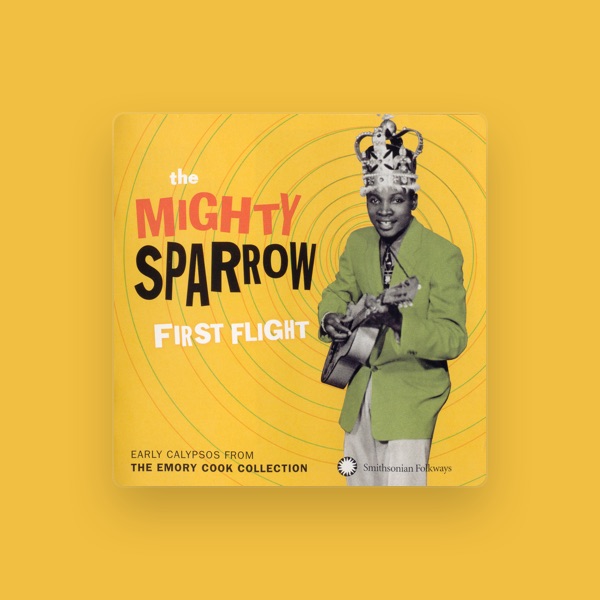
16
Albums tracked
3
In collections
1935
Since
Biography
Slinger Francisco didn't even have his own guitar when he cut his first sides; he was a Grenadian kid in Port of Spain using his voice as a blunt force instrument to keep from getting eaten alive by the veterans. He walked into the 1956 Calypso Carnival with 'Jean and Dinah' and basically nuked the old guard by leaning into the grit of post-war Trinidad. The song wasn't some polite folk ditty. It was a greasy, celebratory middle finger to the departing American military and the sex workers they left behind, delivered with a phrasing so elastic it made the rest of the bill look like they were wearing corsets. He spent the sixties playing a high-stakes game of psychological warfare with Lord Melody and Lord Kitchener, turning the 'calypso feud' into a commercial art form that sold crates of records across the Caribbean and up into Brooklyn. There are moments in the late seventies and eighties where the production gets a little slick—too much synth wash, too much polish for a guy who thrived on sweat and brass. But then you listen to a track like 'The Slave' and realize that beneath the crown and the showmanship, Sparrow was the sharpest political mind in the room, weaponizing humor to talk about things that would have gotten a lesser singer banned from the airwaves.
Bio from The Clerk
The Arc of Mighty Sparrow
The pivots — what forced Mighty Sparrow to reinvent.
The Jean and Dinah Takeover
In 1956, Sparrow upended the Trinidadian music scene by bringing a raw, street-level energy to the Calypso King competition that older artists couldn't match. He abandoned the stiff, Victorian phrasing of the previous generation for a rapid-fire delivery that mirrored the chaos of the Port of Spain docks. This era peaked with 'Jean and Dinah,' a record that shifted the genre's focus from general storytelling to sharp, immediate social commentary on the vacuum left by the U.S. Navy. You hear it in the way the brass section has to scramble just to keep pace with his phrasing.
The Dragonaires Shift
By the late sixties, Sparrow realized the sound had to get heavier to keep up with the rocksteady and soul coming out of Jamaica and the States, so he teamed up with Byron Lee and the Dragonaires. This move toward 'Sparrow Meets the Dragon' in 1969 added a professional, big-band weight to his sound that transformed calypso into a high-fidelity export. The percussion got tighter and the basslines started to lean toward the funkier syncopation that would eventually pave the road for soca. It was the moment he stopped being a local hero and started sounding like a global heavyweight.
The Soca Transition
When the mid-seventies hit and the rhythm sections started moving toward the four-on-the-floor energy of soca, Sparrow didn't fight the tide; he rode it on records like 'Boogie Beat '77.' He traded some of the lyrical density of his earlier work for groove-heavy arrangements designed for the emerging soundsystem culture. While some purists hated the electronic creep into the arrangements, these sessions proved Sparrow could dominate a disco floor as easily as a carnival tent. It’s the sound of a veteran refuseing to become a museum piece while the world around him sped up.
Influences
- Lord Kitchener — Sparrow spent his early years studying Kitchener’s rhythmic precision and later engaged in a decade-long documented rivalry with him. You hear the influence in the way Sparrow learned to weaponize the 'picong' style of lyrical insulting. It forced Sparrow to sharpen his wit or get buried on stage.
- Roaring Lion — Lion was the king of the 'soigné' style, and Sparrow frequently cited him as the blueprint for the dapper, larger-than-life persona required of a Calypso King. Sparrow took Lion's sophisticated phrasing and injected it with a more aggressive, modern street-slang. It’s the difference between a tuxedo and a street fight.
- Lord Invader — Invader took calypso to the U.S. during the 'Rum and Coca-Cola' era, proving there was a market for the music outside the islands. Sparrow followed this internationalist logic by signing with larger labels and touring the UK and New York early in his career. Invader's gravelly, unpolished vocal delivery is the direct ancestor to Sparrow's more rugged takes.
- Lord Melody — Melody was Sparrow’s primary sparring partner and the man who taught him how to structure a narrative song for maximum comedic impact. Their 1962 'Sparrow Come Back' collaborations show how Sparrow absorbed Melody’s timing and ability to play the 'straight man' before delivering a killing blow. Without Melody's foil, Sparrow's solo persona wouldn't have developed its sharpest edges.
- Nat King Cole — Sparrow frequently referenced Cole’s diction and vocal control as a major influence on his mid-career ballads and crooner-inflected tracks. You hear this clearly on 'Sparrow in Hi-Fi' where he tries to match that smooth, American pop polish. He wanted to prove a calypsonian could be a technically perfect singer, not just a shouter.
Discography
Their records — most-collected first.
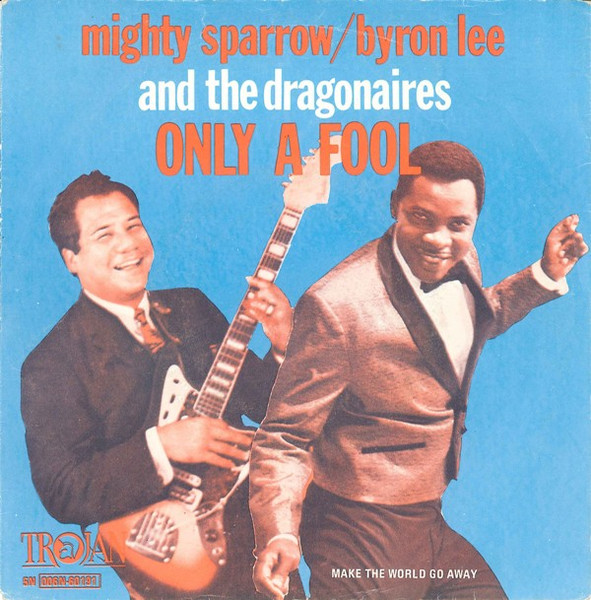
Only A Fool
1978

Sparrow Come Back
1962

The Sparrow Show At The Sheraton - Kingston Jamaica
1962

Dancing Shoes
1993

Hot Like Fire
1991
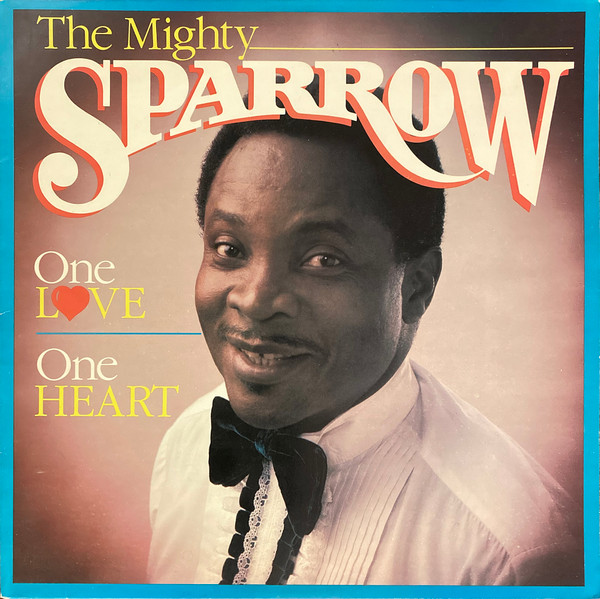
One Love One Heart
1987

A Touch Of Class
1985
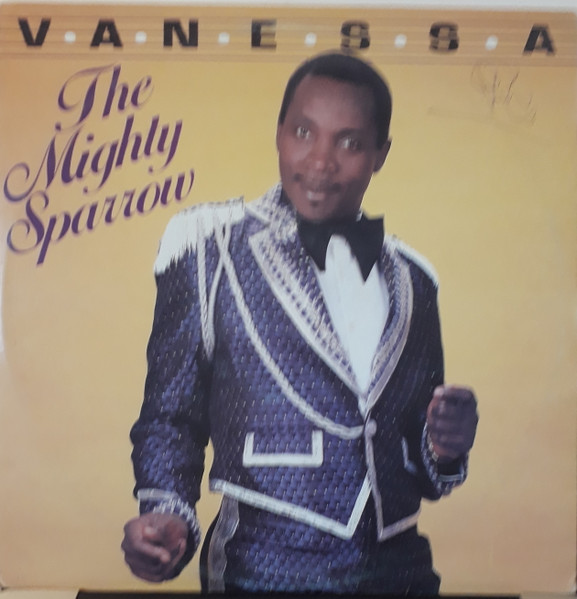
Vanessa
1984

The Greatest
1983

Pussy Cat Party
1978

Boogie Beat '77
1976

Hot And Sweet
1974

Knock Dem Down
1973

Calypso Time
1970

Calypso Sparrow
1963

Sparrow The Conqueror
1961
Related artists
Frequent collaborators
Around the web
Follow every record they touch.
Start your shelf and Gatefold tracks Mighty Sparrow's new pressings, tour dates, and the whole discography — automatically.
Start your shelf →Free forever. Works with 10 records or 10,000.