
Artist
Michael Stanley Band
Cleveland, United States · 1974 – 1986
Michael Stanley Band is a music group from Cleveland, United States, active 1974–1986. Their discography on Gatefold includes 14 records.

14
Albums tracked
9
In collections
1974
Since
Biography
Bill Szymczyk tracked the first Michael Stanley solo record in 1972 on a whim, pulling in Joe Walsh and Todd Rundgren to beef up the studio sessions because the songs had these massive, blue-collar hooks that needed real muscle. When Stanley officially formed the Michael Stanley Band in 1974, he wasn't trying to build a delicate singer-songwriter vehicle. He wanted a dual-guitar, twin-keyboard engine that could sell out stadiums in Cleveland while remaining completely invisible to the coastal tastemakers. They were the ultimate working-class rock band. They broke attendance records at the Richfield Coliseum that made Led Zeppelin and the Who look like opening acts, yet their record labels constantly fumbled the promotion. Epic and EMI never knew what to do with a band that sounded like a heavier, rustier version of the Eagles. By the time they called it quits in 1986, they left behind a catalog of pure, unpretentious arena rock that proves you don't need a New York press nod to write a perfect three-minute hook.
Bio from The Clerk
The Arc of Michael Stanley Band
The pivots — what forced Michael Stanley Band to reinvent.
The Szymczyk Colorado Connection
Producer Bill Szymczyk took the band out of Ohio to record their 1975 debut, You Break It... You Bought It, at Caribou Ranch in Colorado. Szymczyk used the same open-air drum tracking techniques he developed with the Eagles to give the record a massive, spacious country-rock crunch. You can hear Joe Walsh's slide guitar fingerprint all over the mix. It was a polished, high-altitude sound that set the baseline for their early live sets.
The Arena-Pop Pivot
After struggling to get national traction, the band signed with EMI and leaned into a sleek, high-energy synthesizer crunch for the 1980 album Heartland and the follow-up North Coast. Producer Kevin Beamish brought the same radio-ready sheen he used for REO Speedwagon, pushing the twin-keyboard attack of Kevin Raleigh and Bob Pelander to the front of the mix. This era yielded their biggest billboard hits like He Can't Love You. It was the sound of a rust-belt bar band finally mastering the big-budget studio technology of the early eighties.
The Fashion Backlash and Burnout
By 1983, the band was fighting their own label over creative control, culminating in You Can't Fight Fashion. Recorded with legendary producer Bob Clearmountain, the record tried to balance their heavy, guitar-driven live energy with the demands of MTV-era synth-pop. Despite guest spots from Clarence Clemons, the tension between Stanley's grit and the slick production was too obvious. The album proved to be their final major-label stand before the band splintered and ultimately dissolved in 1986.
Influences
- Joe Walsh — Walsh didn't just produce and play on Stanley's early solo work; he literally taught him how to structure a hard-rock guitar hook. You hear this heavy, mid-tempo swagger on the 1975 track I'm Gonna Love You. Walsh's signature slide guitar style became the foundational template for the band's dual-lead guitar attack.
- The Eagles — The band hired producer Bill Szymczyk specifically because they wanted the tight vocal harmony arrangements and clean acoustic-electric blend he pioneered. The layered vocal stacks on early tracks like Face the Music are a direct attempt to match the vocal precision of Desperado. It was West Coast harmony filtered through a Great Lakes lens.
- Bob Dylan — Stanley frequently cited Dylan as his primary lyrical influence, particularly his mid-sixties transition to electric folk-rock. You can hear this influence in Stanley's verbose, narrative songwriting style on longer tracks like Strike Up the Band. It is the sound of a folk singer trying to scream over a Marshall stack.
- The Byrds — The jangly twelve-string guitar work and folk-rock arrangements of Roger McGuinn heavily shaped the band's early instrumental identity. The opening guitar figure of their early live staple Rosewood Bitters is a direct descendant of the Byrds' classic jangle. It kept their sound rooted in folk tradition even when the amps got louder.
- Bruce Springsteen — Before the Boss broke nationally, the Michael Stanley Band was already incorporating the same cinematic, blue-collar street tales into their songs. Stanley regularly covered Springsteen's song For You in their early live sets before recording it for their debut album. You hear that same saxophone-drenched, working-class desperation throughout their entire late-seventies catalog.
Discography
Their records — most-collected first.
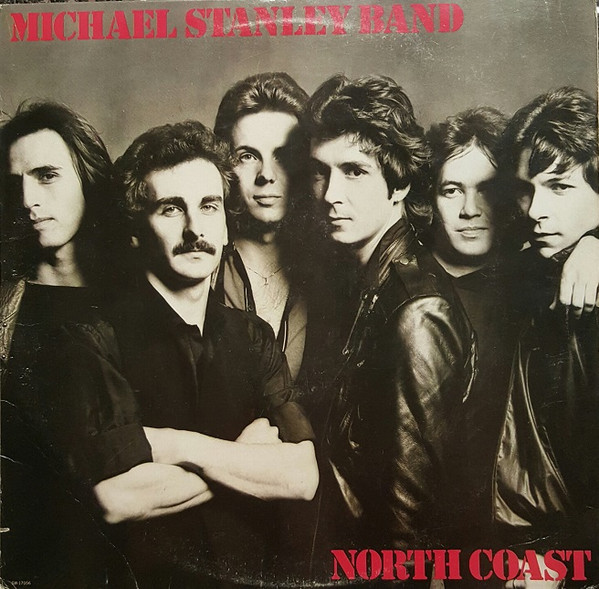
North Coast
1981
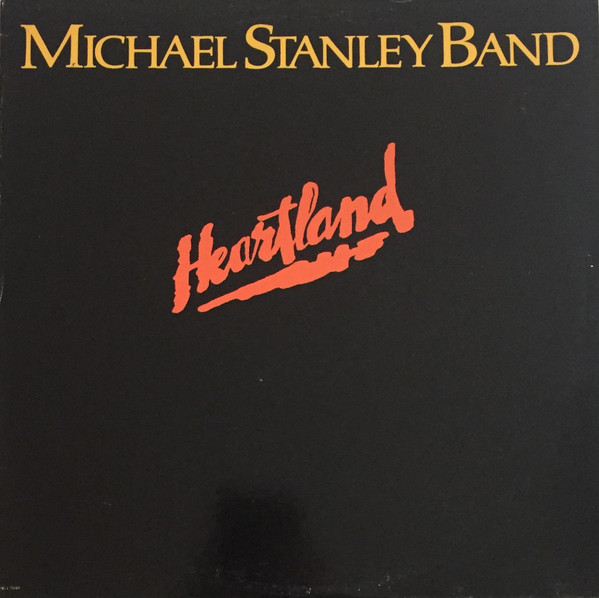
Heartland
1980

You Can't Fight Fashion
1983

Stage Pass
1977
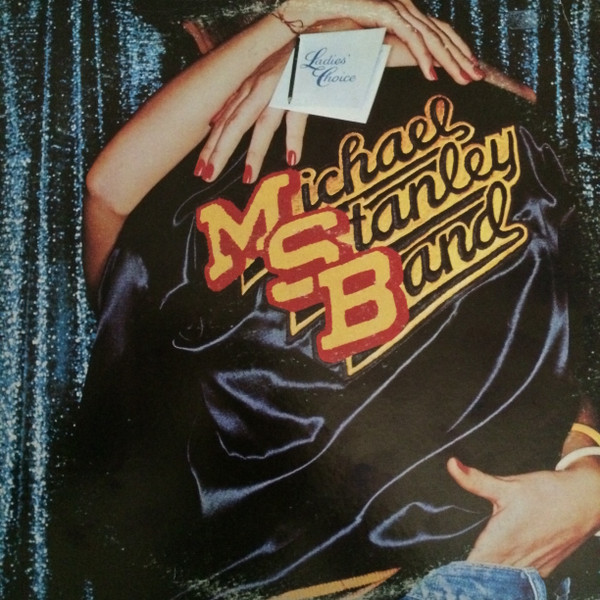
Ladies' Choice
1976

You Break It...You Bought It!
1975
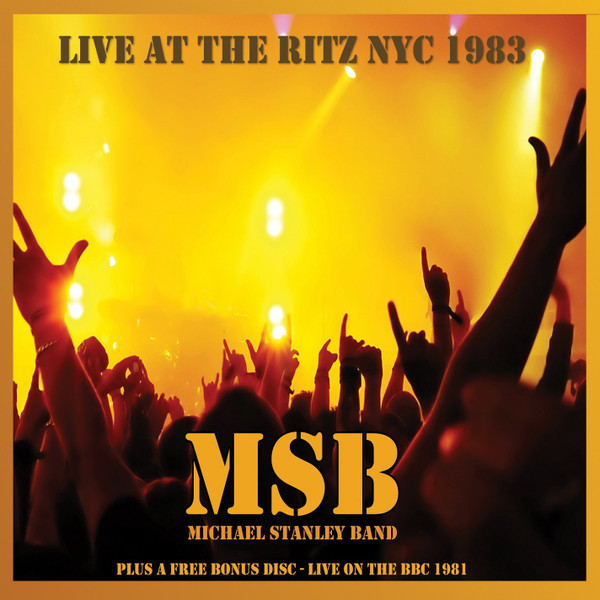
Live At The Ritz NYC 1983
2015
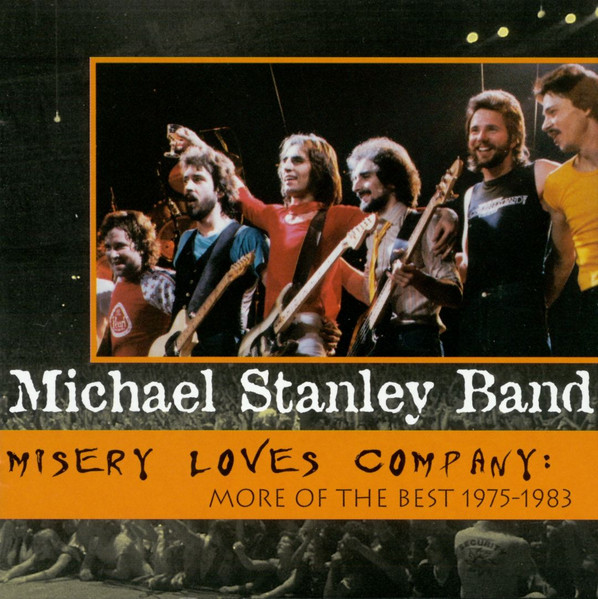
Misery Loves Company: More Of The Best 1975-1983
1997
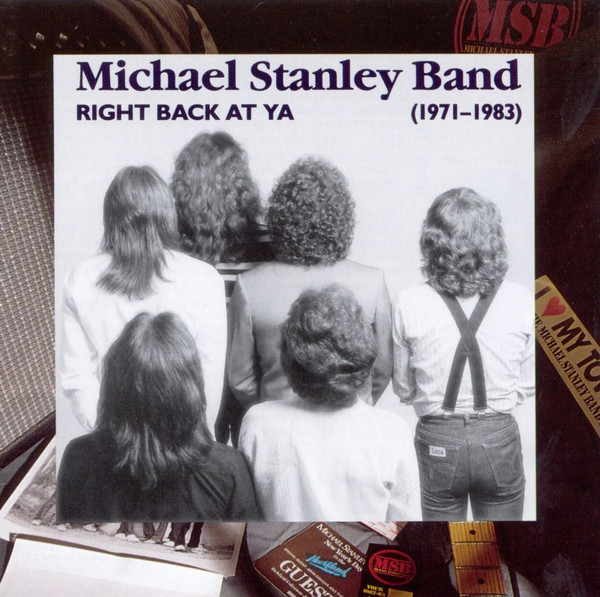
Right Back At Ya (1971-1983)
1992
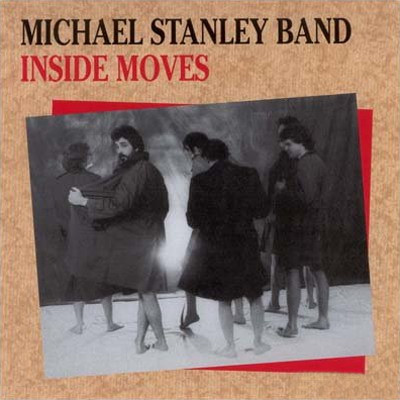
Inside Moves
1986

Fourth And Ten...
1984

MSB
1982

Greatest Hints
1979
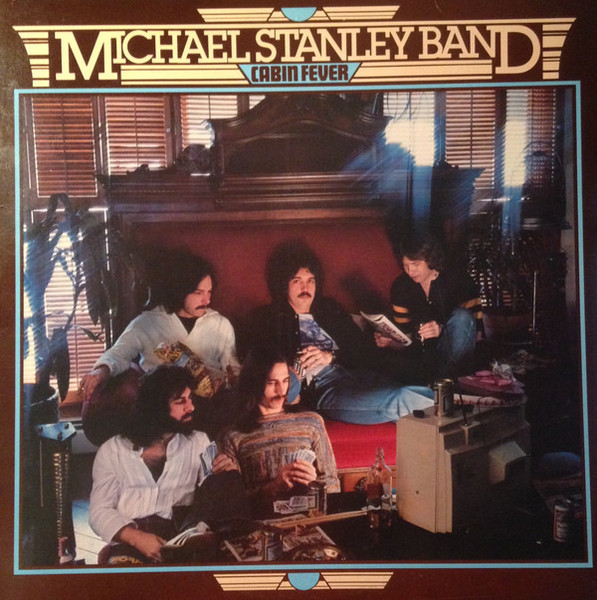
Cabin Fever
1978
Related artists
Around the web
Follow every record they touch.
Start your shelf and Gatefold tracks Michael Stanley Band's new pressings, tour dates, and the whole discography — automatically.
Start your shelf →Free forever. Works with 10 records or 10,000.