
Artist
Michael Hoenig
Hamburg, Germany · b. 1952
Michael Hoenig is a musician from Hamburg, Germany, active since 1952. Their discography on Gatefold includes 5 records. They also recorded with Tangerine Dream and Agitation Free.

51
Albums tracked
285
In collections
1952
Since
Biography
Michael Hoenig spent the mid-seventies in West Berlin surrounded by custom-built analog sequencers and the hum of massive synthesizers. He did a brief, chaotic stint with Tangerine Dream in 1975, filling in on a quick tour when Peter Baumann bolted. That temporary gig proved he could handle the pressure of live, improvised electronic sets without a net. His solo debut, Departure From the Northern Wasteland, dropped in 1978 and showed the world how to make repetitive synth patterns actually breathe. Unlike some of his contemporaries who got lost in endless cosmic wash, Hoenig focused on sharp, evolving structures and melodic hooks that stuck with you. Then the money dried up for weird German instrumental music, forcing him to move to Los Angeles and pivot to Hollywood soundtrack work. He spent the next two decades scoring B-movies and video games, trading his custom modular rigs for digital samplers and tight studio deadlines. It paid the bills, but it sidelined the pure electronic exploration that made him a force in the Berlin School scene. Still, his work on the Baldur's Gate soundtrack introduced a whole generation of gamers to his massive, orchestral synthesizer arrangements without them even realizing it.
Bio from The Clerk
The Arc of Michael Hoenig
The pivots — what forced Michael Hoenig to reinvent.
The Berlin School Apprenticeship
During the early seventies, Hoenig cut his teeth with Agitation Free and Tangerine Dream, navigating the wild West Berlin underground scene. This was a world of tape loops, unstable voltage-controlled oscillators, and late-night improvisations in art galleries. His short live run with Tangerine Dream in 1975, particularly the Royal Albert Hall gig, proved he could patch complex synth patches on the fly under intense pressure. You can hear this raw, volatile energy on the bootlegs and early recordings where the machines always sound like they are on the verge of breaking down.
The Solo Breakthrough
In 1976, Hoenig teamed up with Ash Ra Tempel mastermind Manuel Göttsching for a series of intense, unreleased studio sessions. When he finally released Departure From the Northern Wasteland in 1978, it took those collaborative ideas and refined them into a masterclass of analog sequencing. Recording at his own Aura Studio in Berlin, he used the ARP Odyssey and custom sequencers to create layered, polyrhythmic patterns that shifted like sand dunes. It was his creative peak as a solo artist, balancing cold electronic precision with warm, emotional synthesizer sweeps.
Hollywood and MIDI Integration
The realities of the eighties music industry forced Hoenig to relocate to Los Angeles, where he transitioned into scoring films and television. He traded his temperamental analog modular systems for stable, digital MIDI gear like the Yamaha DX7 and New England Digital Synclavier. This shift culminated in his scores for movies like the 1988 remake of The Blob and eventually the massive orchestral-synth hybrid soundtrack for the PC game Baldur's Gate in 1998. The music became highly dramatic, cue-driven, and utilitarian, losing the long-form hypnotic drift of his seventies work to meet the demands of directors and producers.
Influences
- Terry Riley — Hoenig openly cited Riley's pioneering tape-delay systems and organ improvisations as the spark that got him into looping. You can hear this directly in the overlapping, hypnotic synth patterns on the title track of Departure From the Northern Wasteland. Riley's minimalism provided the structural blueprint for the entire Berlin School sound.
- Steve Reich — The phase-shifting techniques of Reich's early percussion pieces heavily influenced how Hoenig programmed his sequencers. On the 1976 recording Early Water, co-created with Manuel Göttsching, the interlocking synthesizer lines slide in and out of phase just like Reich's Piano Phase. It turns simple rhythmic patterns into complex, shifting harmonic textures.
- Karlheinz Stockhausen — Before he picked up a synthesizer, Hoenig studied classical music in Berlin and attended lectures on electronic music that were heavily influenced by Stockhausen's avant-garde experiments. This academic grounding in sine waves, filtered noise, and spatial audio shaped how he manipulated frequencies in Agitation Free. It kept his early space-rock experiments from sounding like generic psychedelic jams.
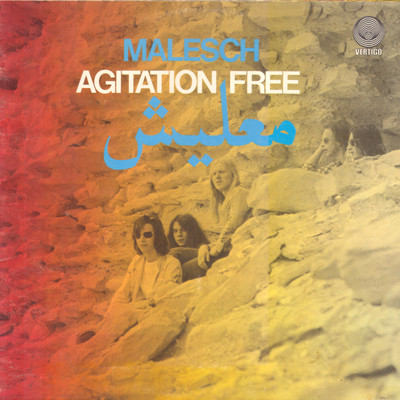
- Gerd Berger — As the sound engineer and technical collaborator for Agitation Free, Berger built custom electronic gear and helped the band set up their early sound laboratory in Berlin. Berger's hands-on technical guidance taught Hoenig how to manipulate signal paths and tape echoes to create non-traditional sounds. You hear that studio-as-an-instrument mentality on Agitation Free's Malesch.
- Pink Floyd — The space-rock jamming of Pink Floyd's late sixties era, particularly their performances in Essen and Berlin, was a major catalyst for the entire Krautrock scene. Agitation Free literally shared rehearsal spaces and gear with other bands chasing this exact cosmic, improvisational trip. You can hear the slow, atmospheric build of Saucerful of Secrets in the long-form structure of Hoenig's early seventies work.
Michael Hoenig — solo
Their records — most-collected first.


Tangerine Dream
A project Michael Hoenig was part of. Former member.
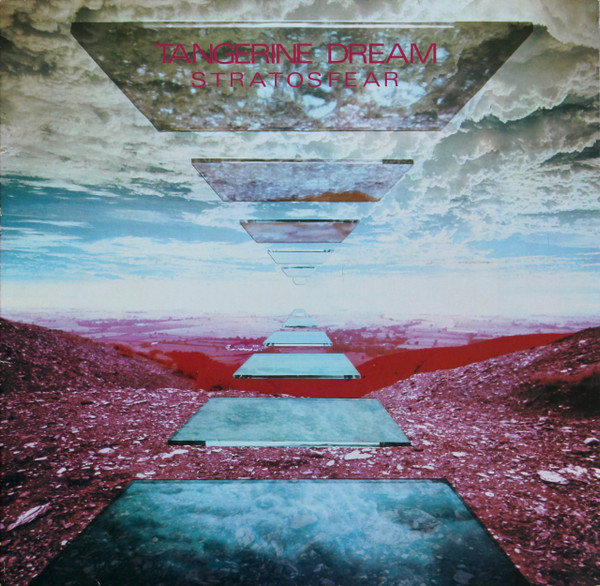
Stratosfear
1976
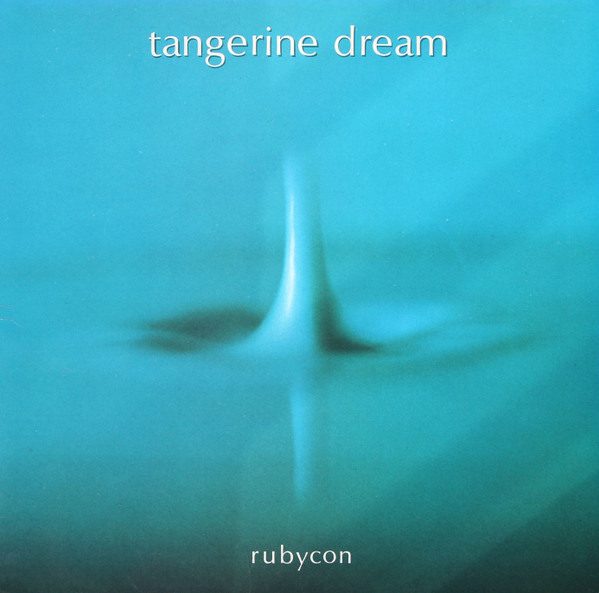
Rubycon
1975
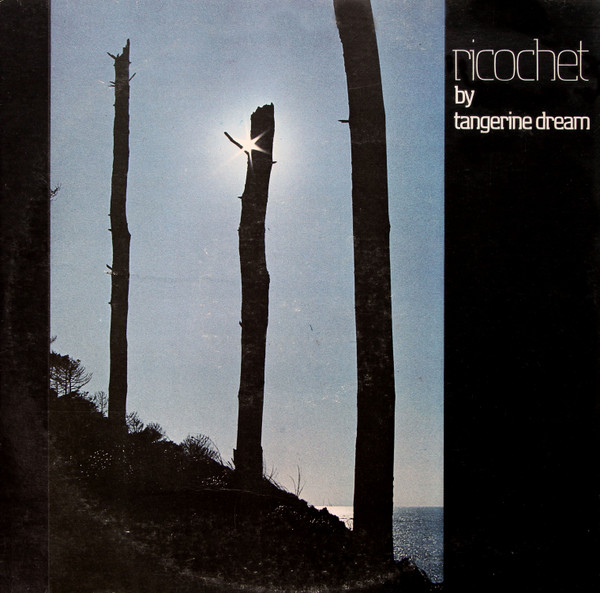
Ricochet
1975
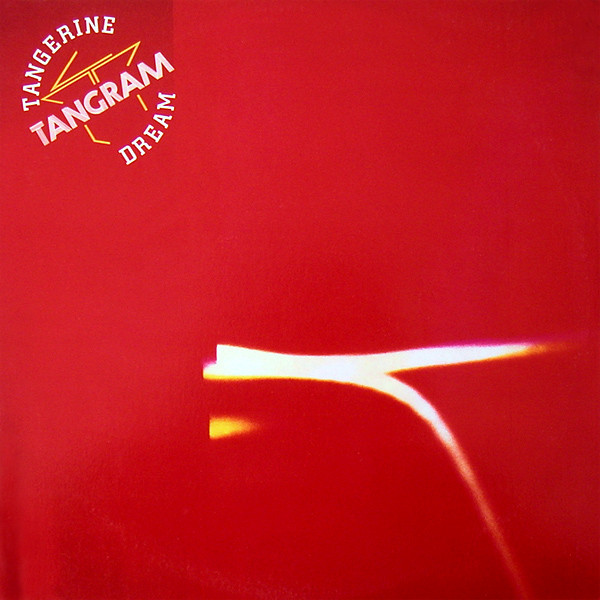
Tangram
1980
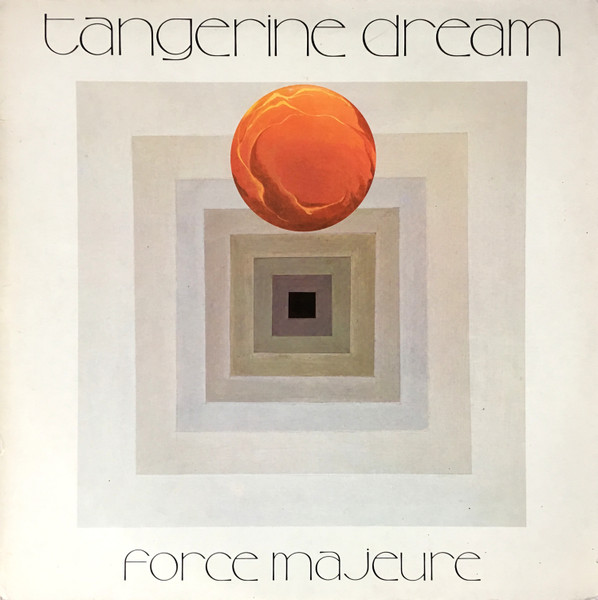
Force Majeure
1979

Zeit
1972
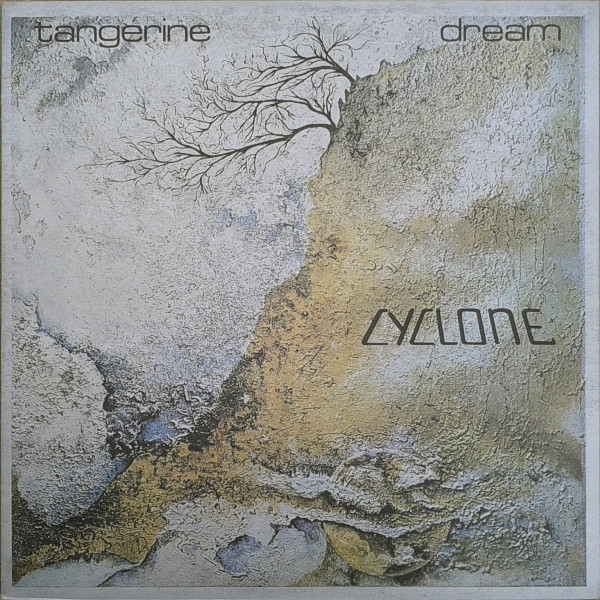
Cyclone
1978
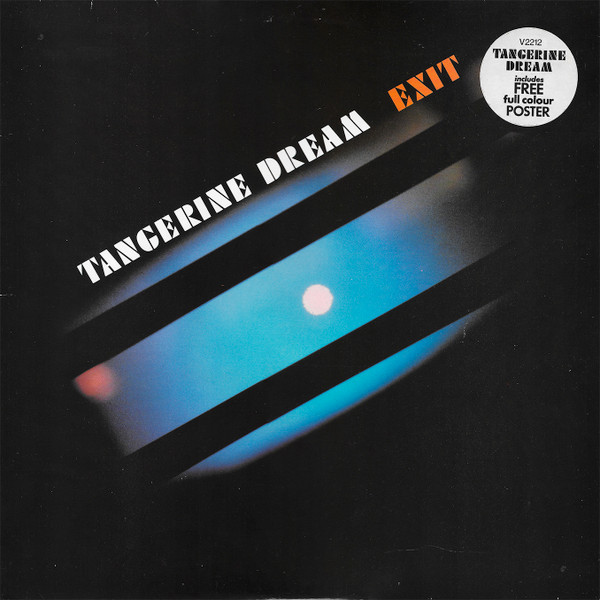
Exit
1981
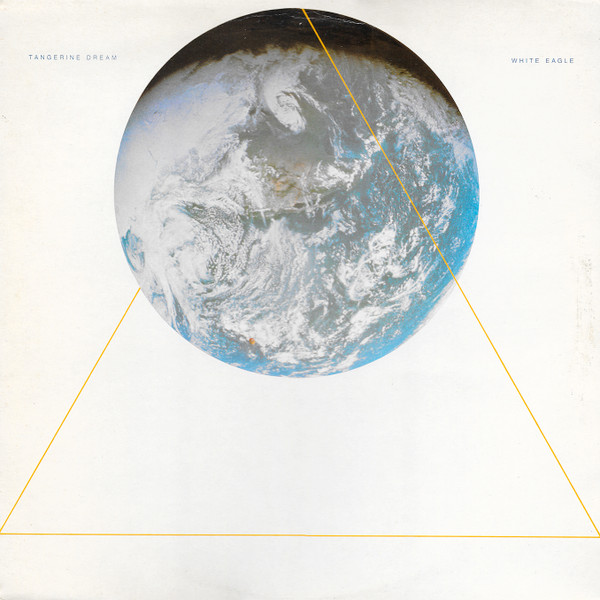
White Eagle
1982
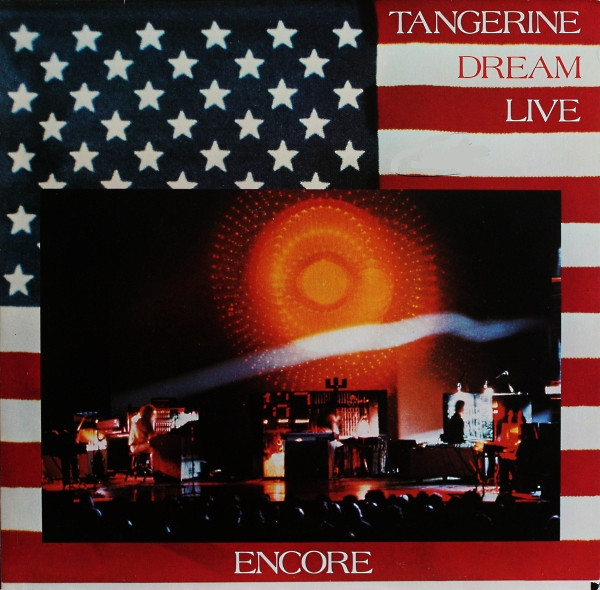
Encore
1977
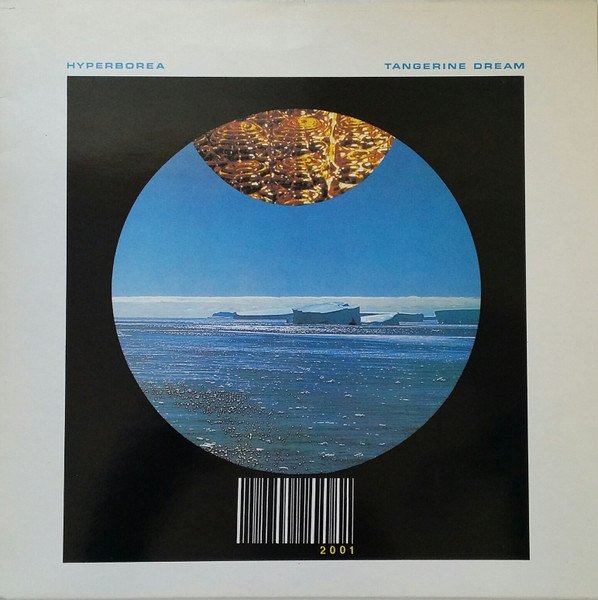
Hyperborea
1983

Underwater Sunlight
1986
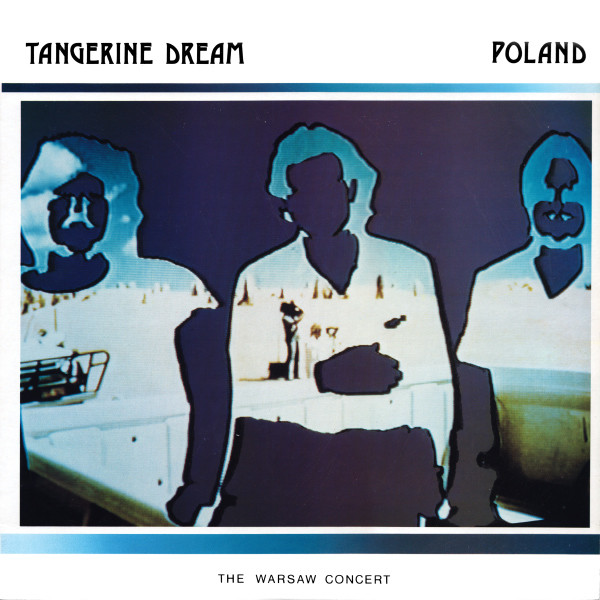
Poland (The Warsaw Concert)
1984

Electronic Meditation
1970
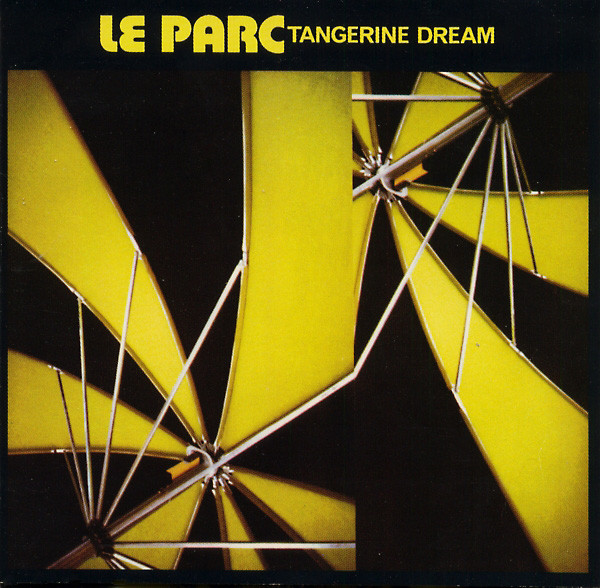
Le Parc
1985

Alpha Centauri
1971

Atem
1973

Alpha Centauri / Atem
1976

Recurring Dreams
2019

Tyranny Of Beauty
1995
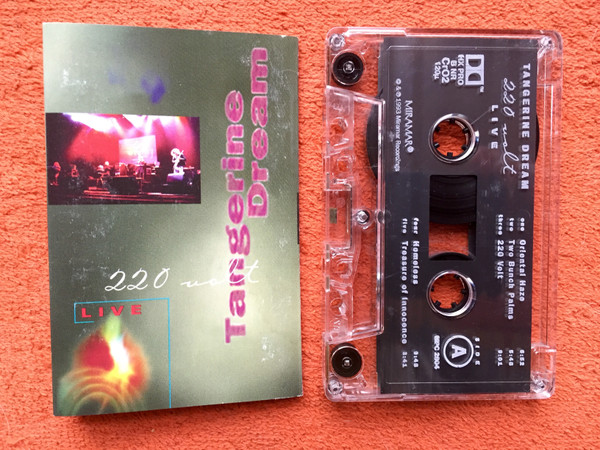
220 Volt Live
1993

The Private Music Of Tangerine Dream
1992

The Best Of Tangerine Dream
1989

Lily On The Beach
1989
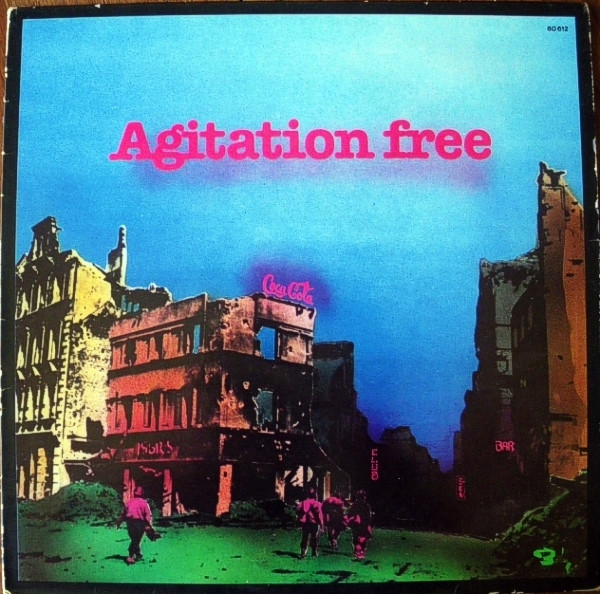
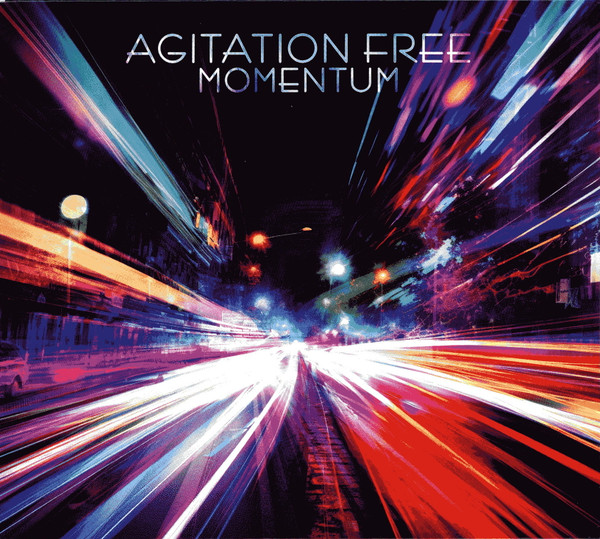
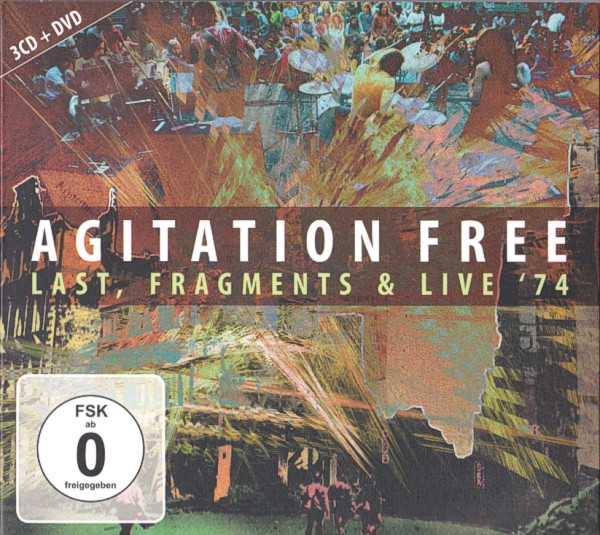
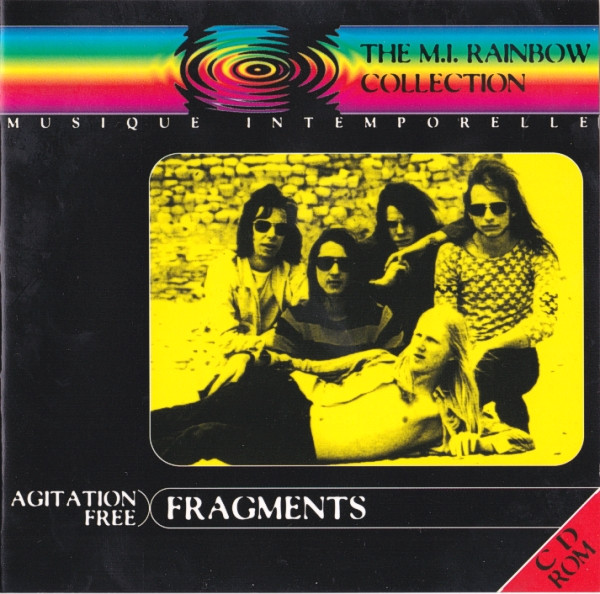
Agitation Free
A project Michael Hoenig was part of.



Related artists
Frequent collaborators
Around the web
Follow every record they touch.
Start your shelf and Gatefold tracks Michael Hoenig's new pressings, tour dates, and the whole discography — automatically.
Start your shelf →Free forever. Works with 10 records or 10,000.