
Artist
Metric
indie rock
Toronto, Canada · Formed 1998
Metric is a music group from Toronto, Canada, active since 1998. Their discography on Gatefold includes 22 records.

22
Albums tracked
108
In collections
1998
Since
Biography
James Shaw was living in a loft in Brooklyn, obsessing over a Sequential Circuits Prophet-600 and a MPC2000 while trying to figure out how to make a rock band sound like a programmable machine. Metric spent their early years stuck in a purgatory of label shelving and delayed releases, which is probably why their debut finally hit with such a cynical, world-weary edge. Emily Haines wasn't interested in being another indie darling—she was too busy writing about the commodification of the scene and the rot behind the neon lights of the early 2000s New York dance-punk explosion. They had a moment where they almost drifted into the corporate ether around the mid-2010s, chasing a polished, synth-heavy gloss that felt like they were trying to soundtrack a car commercial. It was a weird, bloodless stretch for a band that made its name on jagged edges. They eventually pulled it back by returning to the guitar-driven grit and self-produced autonomy that made them dangerous in the first place. When they stop trying to sound like the future and just play like a band in a room, they're fucking unbeatable.
Bio from The Clerk
The Arc of Metric
The pivots — what forced Metric to reinvent.
The Loft Sequestration
Before they were a fixture on the festival circuit, Shaw and Haines were living in London and NYC, recording the trip-hop-inflected Grow Up and Blow Away which the label sat on for years. This forced delay turned them into a leaner, more aggressive unit that traded the downtempo vibes for the driving, New Wave urgency found on Old World Underground. You can hear the frustration of those lost years in the sharp, staccato delivery and the minimalist production that defined their early Toronto breakthrough.
The Stadium Expansion
By 2009, the band took a massive gamble by self-releasing Fantasies on their own label, MMI, and pivoting toward a massive, panoramic sound designed for outdoor stages. They moved away from the lo-fi art-punk of Live It Out, opting for high-fidelity sheen and anthemic hooks that could reach the back row of a field. This was the moment they stopped being a boutique indie act and started operating like a polished pop machine, a transition that yielded their biggest hits but smoothed over some of their trademark grime.
The Digital Drift and Course Correction
The release of Pagans in Vegas saw the band leaning almost entirely into 80s synth-pop worship, a move that felt a bit like a creative cul-de-sac. Realizing they had drifted too far into the motherboard, they brought in Justin Meldal-Johnsen for Art of Doubt to bring the guitars back to the front of the mix. This shift restored the organic friction between Shaw’s pedals and Haines’s vocals, proving they needed that specific tension to keep the music from floating away into the software.
Influences
- The Velvet Underground — Haines has frequently cited them as the blueprint for her songwriting, even covering 'Femme Fatale' during her solo career. You hear it in the detached, cool delivery and the way the band uses repetitive, droning rhythms to create a sense of urban claustrophobia. It’s the foundation for their art-school-meets-street-grit aesthetic.
- Blondie — Metric has performed 'Heart of Glass' live and often references Debbie Harry as the ultimate archetype for the frontwoman-as-icon. The DNA of Blondie is all over Metric's ability to fuse disco-adjacent beats with a punk-rock attitude. It’s that specific New York crossover energy that James Shaw chased during their Brooklyn years.
- Sonic Youth — The band credits the experimental ethos of the NYC no-wave scene for their early approach to guitar textures. Shaw’s use of unorthodox tunings and noise-as-melody on Live It Out is a direct descendant of the Thurston Moore school of dissonance. They learned how to be a pop band without losing the ability to make a guitar sound like a malfunctioning factory.
- New Order — James Shaw has explicitly pointed to the way New Order balanced sequencing with live bass and drums as his primary production influence. You hear this in the lock-step interplay between Joules Scott-Key’s drumming and the synth arpeggios on tracks like 'Dead Disco'. They took the Manchester blueprint and gave it a sharper, North American edge.
- Pavement — In the early 2000s, Haines noted that the slack-rock nonchalance of Stephen Malkmus helped shape her lyrical irony. While Metric eventually got much tighter and more professional, that early 90s indie-rock skepticism is baked into the DNA of their debut album. It kept them from ever sounding too earnest or desperate for radio play.
Discography
Their records — most-collected first.
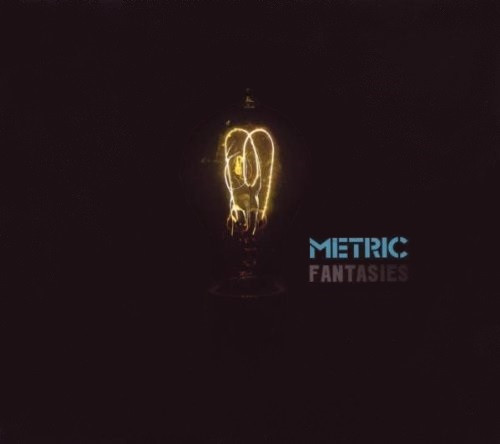
Fantasies
2009
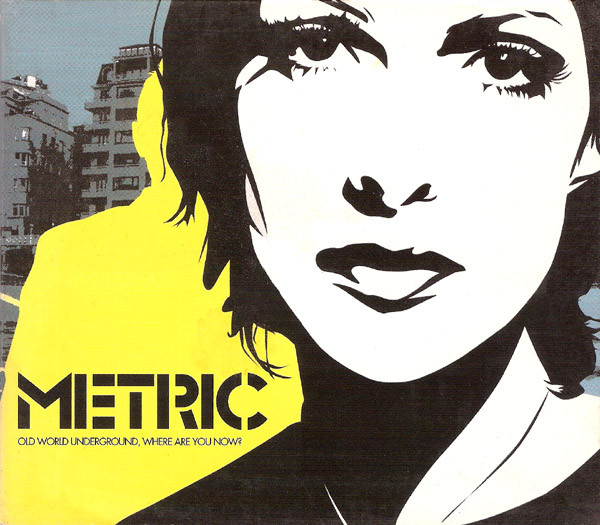
Old World Underground, Where Are You Now?
2003
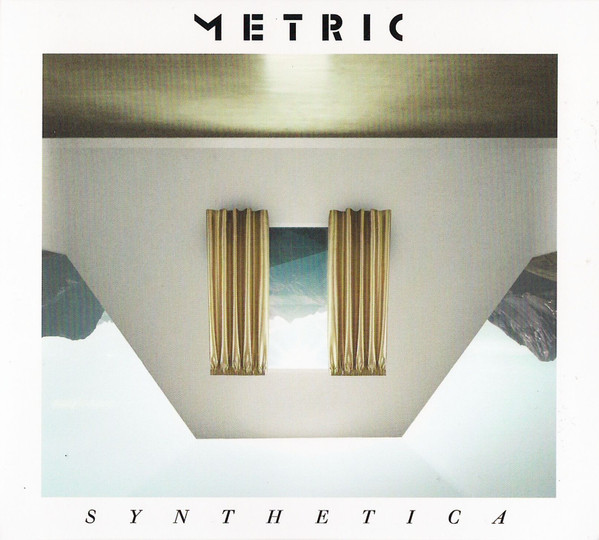
Synthetica
2012
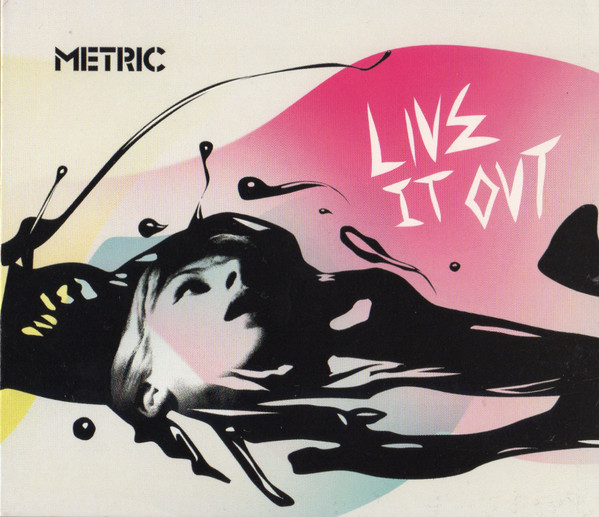
Live It Out
2005
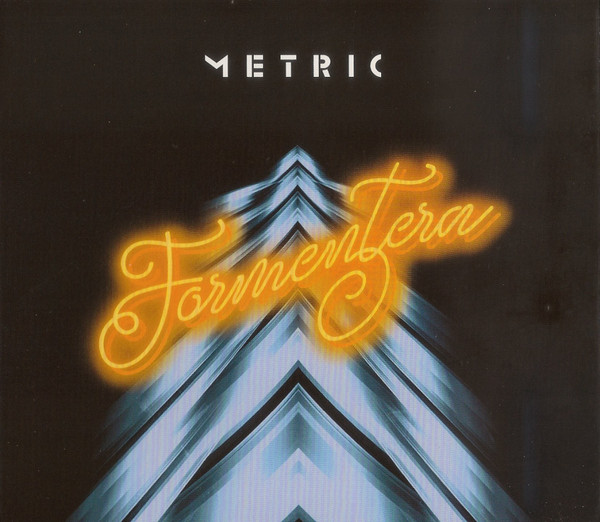
Formentera
2022

Art Of Doubt
2018
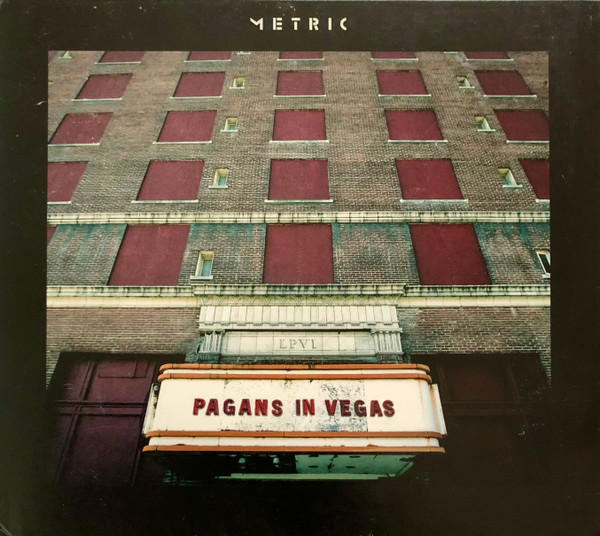
Pagans In Vegas
2015

Romanticize The Dive
2026

Formentera II
2023
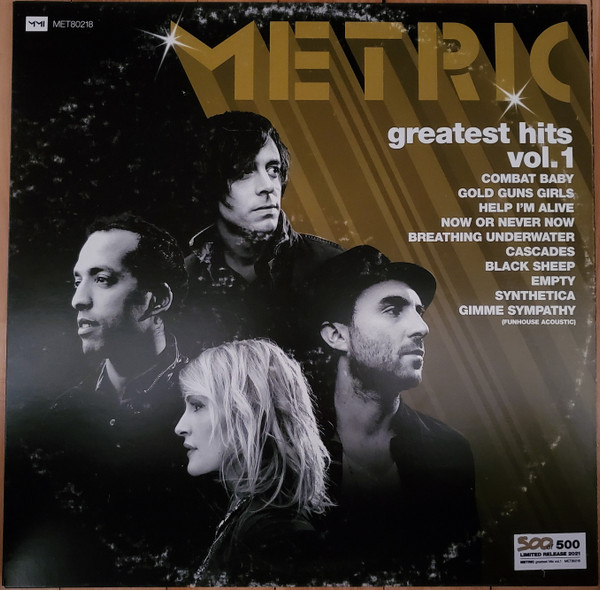
Greatest Hits Vol. 1
2022
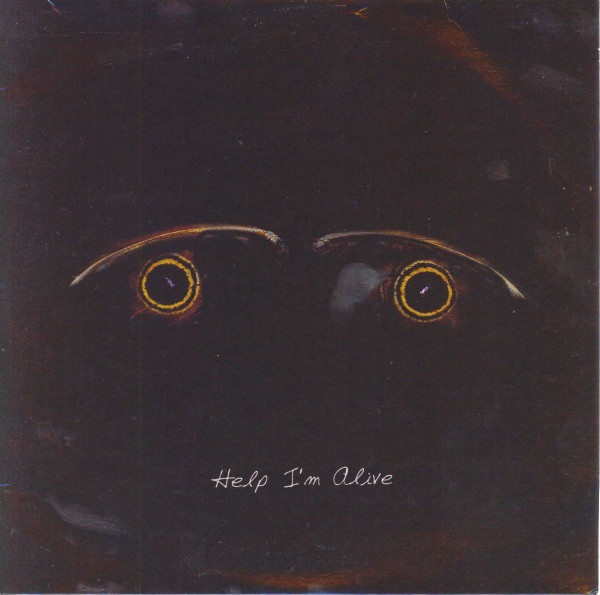
Help I'm Alive
2009
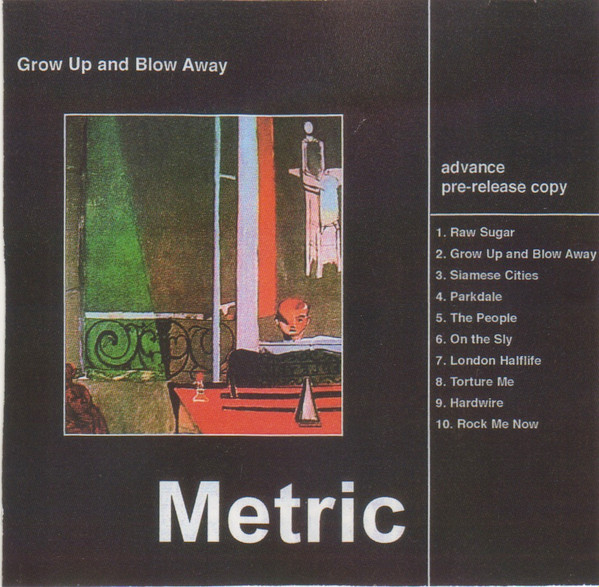
Grow Up And Blow Away
2001

Black Sheep
2010

Sick Muse
2009

Monster Hospital
2006
Poster Of A Girl
2006
Dreams So Real
2018
The Shade
2015
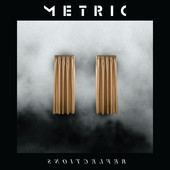
Synthetica Reflections
2013
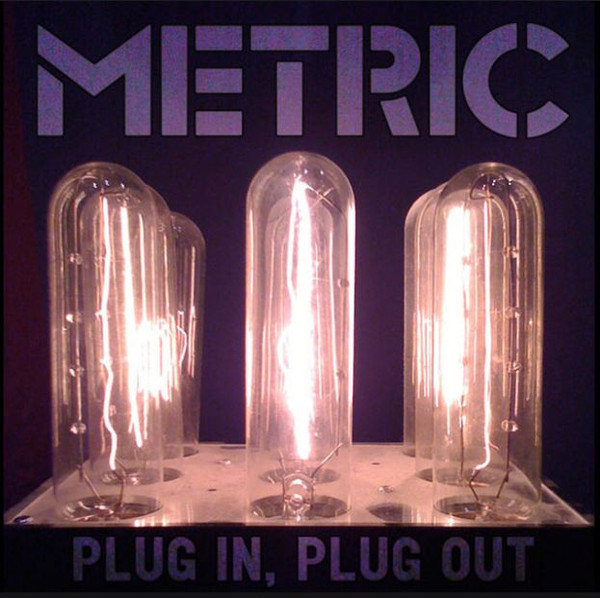
Plug In, Plug Out
2009

Live At Metropolis E.P.
2007

Mainstream
1998
Related artists
Around the web
Follow every record they touch.
Start your shelf and Gatefold tracks Metric's new pressings, tour dates, and the whole discography — automatically.
Start your shelf →Free forever. Works with 10 records or 10,000.