
Artist
Meshuggah
Umeå, Sweden · Formed 1987
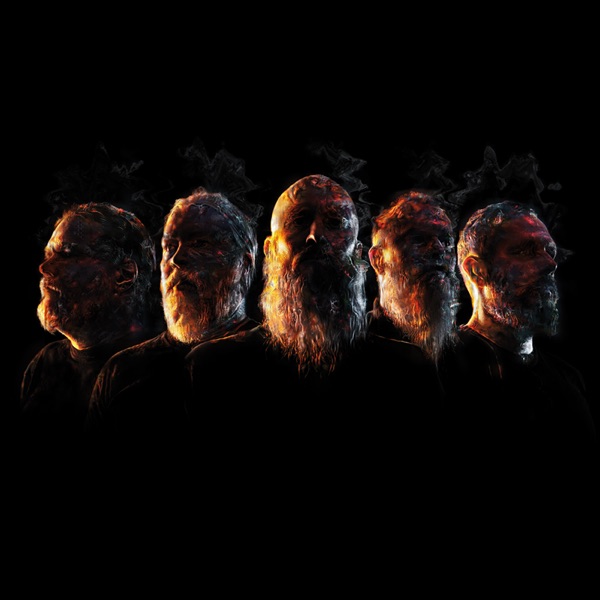
Meshuggah is a music group from Umeå, Sweden, active since 1987. Their discography on Gatefold includes 18 records.
18
Albums tracked
101
In collections
1987
Since
Biography
Fredrik Thordendal was basically trying to reconstruct Metallica's ...And Justice for All through a broken prism in a Swedish basement. He spent his early years obsessed with a Breath Controller—a piece of MIDI hardware that let him play guitar solos with his lungs like a horn player. It's why his leads sound like a jazz fusion nightmare instead of standard metal shredding. The band spent the early nineties sounding like a hyper-compressed thrash unit, but everything changed when they stopped trying to play fast and started trying to play heavy. They eventually moved to the Ibanez 8-string prototypes, which turned their guitars into percussive industrial machinery. Most people talk about the 'djent' thing like it's a genre, but for these guys, it was just a technical solution to a frequency problem. They hit a wall around the mid-2000s where they started using programmed drums because the parts were getting too complex for human stamina, but they crawled back to the organic kit because the machine version lacked the 'swing' Tomas Haake brings to a 4/4 signature hidden under a mess of polygons. It’s math, but it’s math performed by people who actually sweat.
Bio from The Clerk
The Arc of Meshuggah
The pivots — what forced Meshuggah to reinvent.
The Bay Area Hangover
Before they found the chug, they were a speed metal band obsessed with James Hetfield’s right hand and Anthrax's gang vocals. On Contradictions Collapse, you can hear them struggling against the limitations of the standard thrash template while trying to inject weird, jagged time changes. It’s the sound of a band with too much technical ability for the genre they were born into, resulting in a record that feels busy and anxious. They hadn't found the groove yet, just the speed.
The Discrete Audio Revolution
Destroy Erase Improve is where the gears finally locked into place because they stopped playing like a four-piece band and started playing like a single rhythmic engine. Bringing in Mårten Hagström allowed Thordendal to focus on those alien, Allan Holdsworth-inspired leads while the rhythm section focused on pure mechanical weight. This era defined the 'Meshuggah sound' by stripping away the thrash fat and replacing it with industrial coldness. You hear it in the way the vocals become a percussive element rather than a melody line.
The Programmed Dystopia
By the time they got to Catch Thirtythree, the band had moved entirely into a digital workspace using Drumkit from Hell. This was a massive pivot because it allowed them to compose movements that were physically impossible to track in a traditional studio setting at the time. The record is essentially one continuous song, a monochromatic experiment in repetition and psychological endurance. It alienated the 'headbanger' crowd but solidified them as the high priests of the avant-garde metal scene.
The Return to the Room
After years of digital perfection, the band pivoted back to recording live in a room for The Violent Sleep of Reason to escape the grid. They moved the operation to Puk Studios in Denmark, recording everything to tape to force themselves back into human imperfection. This shift killed the sterile click-track feel of their middle period and brought back the low-end roar. You can hear the room air and the actual physical struggle of Haake hitting the snares, which made the math feel dangerous again.
Influences
- Metallica — Thordendal and Kidman have repeatedly cited ...And Justice for All as the blueprint for their rhythmic obsession. You hear it in the dry, scooped-mid guitar production and the way the riffs follow the kick drum movements with obsessive precision. It's the skeleton of thrash stripped of its punk energy.
- Allan Holdsworth — Fredrik Thordendal famously wears his Holdsworth obsession on his sleeve, specifically the legato technique and non-standard scales. Those weird, fluid guitar solos that sound like a saxophone through a woodchipper are a direct lift from Holdsworth’s fusion records. It provides the only 'light' in their otherwise pitch-black discography.
- Slayer — The band’s earliest output, specifically the Ejaculation of Fear era, is a direct worship of Reign in Blood. You can hear it in the chromatic riffing and the frantic, near-collapsing tempo of their late-eighties demos. They took the Slayer intensity and eventually slowed it down until it became a physical weight.
- Rush — Tomas Haake has pointed to Neil Peart as the reason he started looking at the drum kit as a compositional tool rather than just a timekeeper. The shifting time signatures and the way the drums dictate the song structure on Hemispheres is baked into how Meshuggah approaches a riff. It’s prog-rock logic applied to a much uglier sound.
- Stats — The Swedish garage rock and hardcore scene of the 80s provided the initial grit before they turned into mathematicians. While they moved far away from the 'D-beat' sound, that early European hardcore urgency is why their music feels like an attack rather than a math lecture. It kept them from becoming a sterile jazz-fusion project.
Discography
Their records — most-collected first.
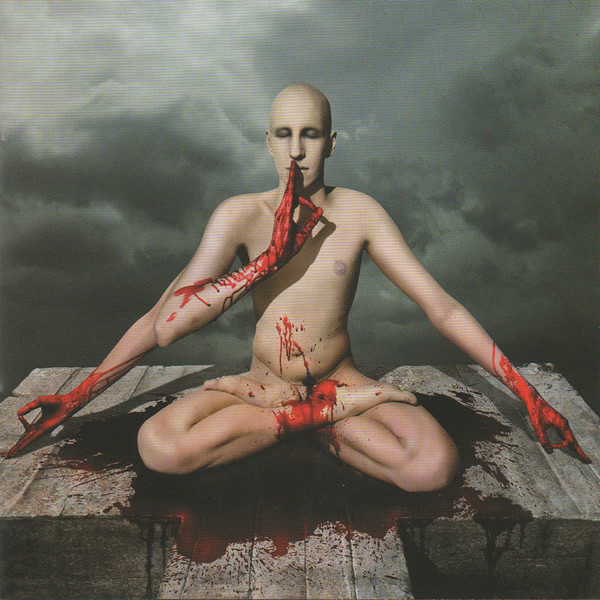
obZen
2008

The Violent Sleep Of Reason
2016
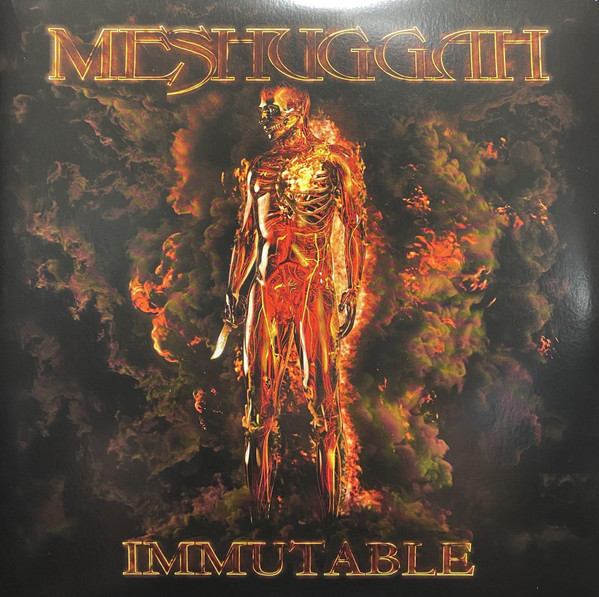
Immutable
2022

Catch Thirtythree
2005

Destroy Erase Improve
1995
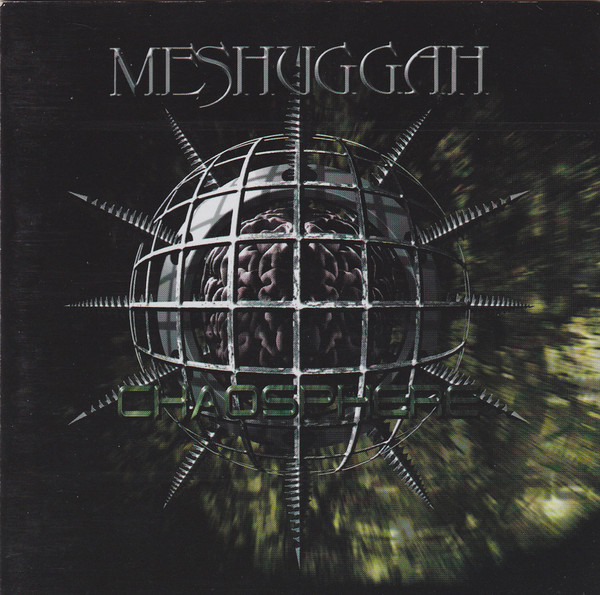
Chaosphere
1998
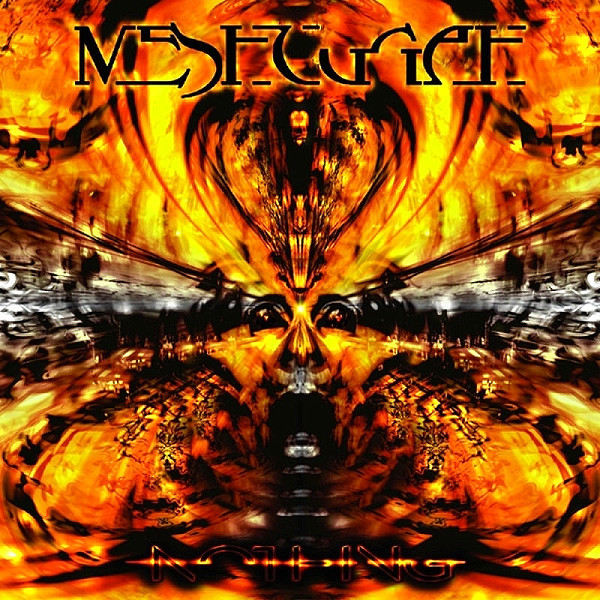
Nothing
2002
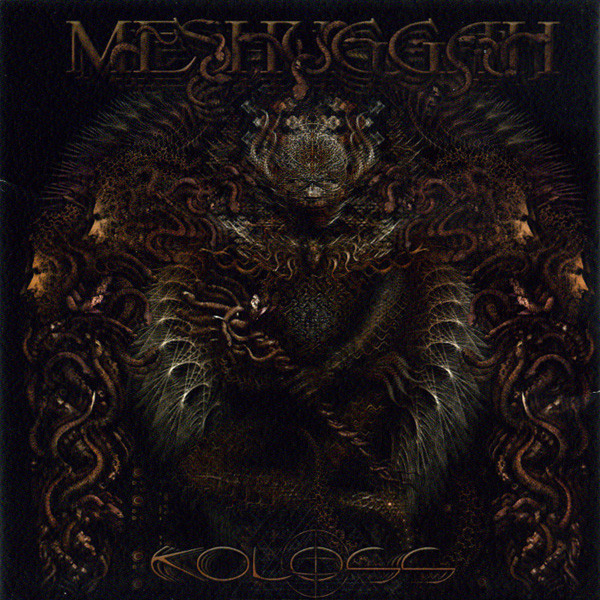
Koloss
2012

I
2004

Contradictions Collapse
1991

The Ophidian Trek
2014

None
1994

Contradictions Collapse & None
1998
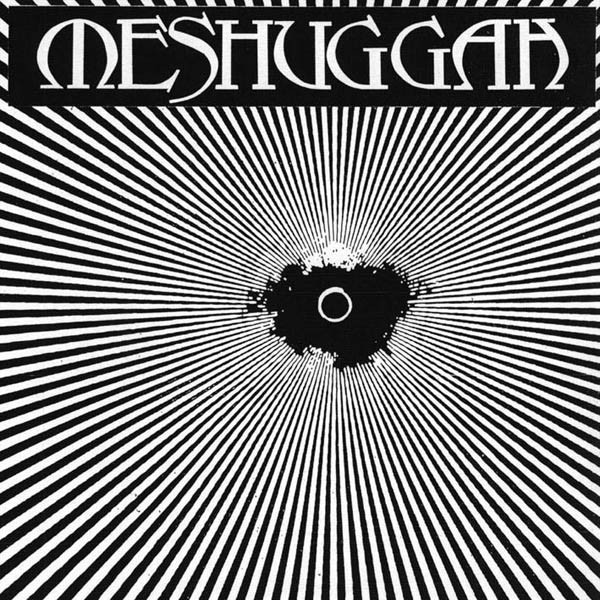
Meshuggah
1989

Pitch Black
2013

Alive
2010

The True Human Design
1997

Selfcaged
1995
Related artists
Members
Frequent collaborators
Around the web
Follow every record they touch.
Start your shelf and Gatefold tracks Meshuggah's new pressings, tour dates, and the whole discography — automatically.
Start your shelf →Free forever. Works with 10 records or 10,000.