
Artist
Max Richter
German pianist and score composer
Hamelin, Germany · b. 1966
Max Richter is a musician from Hamelin, Germany, active since 1966. Their discography on Gatefold includes 24 records.

45
Albums tracked
84
In collections
1966
Since
Biography
Max Richter spent the late nineties in a modern classical collective called Piano Circus, hacking away at minimalist repertoires by Steve Reich and Arvo P$rt before realizing he wanted to inject field recordings and ambient static into the pristine conservatory space. When he finally got into the studio for his 2002 solo debut, Memoryhouse, he was dead broke. He had to record the BBC Philharmonic Orchestra track by track, tape-splicing the orchestral layers together in his home setup with a cheap computer that kept crashing. That record almost disappeared into the ether when Late Junction classical label went under shortly after its release. He saved his own career by pivoting to FatCat Records, a post-rock label known for Sigur R$s and M$m rather than conservatory graduates. This wasn't a compromise. It was a declaration that his music belonged next to indie rock and IDM rather than the stuffy institutions that rejected him. The move worked, but it set up a career-long tension between his brilliant, bone-bare chamber works and the massive, sometimes bloated concept albums that followed when Deutsche Grammophon finally gave him a blank check.
Bio from The Clerk
The Arc of Max Richter
The pivots — what forced Max Richter to reinvent.
The FatCat Years
Frustrated by the classical establishment's cold shoulder, Richter signed with the Brighton-based indie label FatCat to release The Blue Notebooks in 2004. He recorded it at the Pierce Rooms in London, combining a string quintet with crackling vinyl static, sub-bass hums, and Tilda Swinton reading Kafka. The indie-crowd distribution gave him a massive new audience of post-rock kids and ambient heads. You can hear the struggle on the record itself, where delicate piano melodies are constantly threatened by the low-end rumble of analog synthesizers.
The Deconstructionist
In 2012, Deutsche Grammophon handed Richter the keys to their vault, resulting in Recomposed: Vivaldi – The Four Seasons. He discarded about seventy-five percent of Vivaldi's original notes, loops, and phrases, discarding the museum-piece reverence to treat the score like a hip-hop producer treats a soul sample. Working with violinist Daniel Hope and the Konzerthaus Kammerorchester Berlin, he pushed the classical world into a furious debate over authenticity. The record topped the classical charts, proving that classical music didn't need to be preserved in amber to sell.
The Eight-Hour Experiment
By 2015, Richter took his minimalist obsession to its logical, absurd conclusion by composing Sleep, an eight-hour lullaby scored for piano, strings, electronics, and soprano vocals. He consulted with neuroscientist David Eagleman to write the piece around the slow-wave sleep frequencies of the human brain. The premiere in London featured the audience tucked into bed instead of sitting in theater seats. It remains a monument of functional ambient music, though the shorter companion release, From Sleep, proved he still knew how to write a tight, heartbreaking three-minute melody.
Influences
- Brian Eno — Richter has repeatedly cited Eno's Discreet Music as the blueprint for his entire ambient philosophy. You can hear this influence on 24 Postcards in Full Colour, where Richter uses Eno's concept of music as wallpaper to create short, melodic vignettes designed to be used as ringtones. The tape-loop decay and spatial stillness of Eno's seventies work runs through everything Richter records.
- Philip Glass — During his formative years, Richter studied under Luciano Berio, but he found his true north in the relentless, repetitive structures of Philip Glass, whom he later collaborated with on live performances. The arpeggiated piano figures on The Blue Notebooks are a direct nod to Glass's Solo Piano. It is the art of doing more with less, using repetition to create tension rather than boredom.
- Arvo P$rt — Richter performed P$rt's tintinnabuli compositions during his tenure with the Piano Circus ensemble in the nineties. P$rt's holy minimalism directly informs the slow, spiritual pacing of Richter's strings on tracks like 'On the Nature of Daylight'. The focus is on the space between the notes, allowing the silence to carry as much weight as the instrumentation.
- Steve Reich — Richter's early career was defined by performing Reich's phase-shifting works, which taught him how to build complex structures out of simple, overlapping rhythms. This mechanical precision is highly evident on the frantic, looping violin patterns of Recomposed. It is classical music built with the structural logic of electronic dance music.
- Kraftwerk — Richter has openly discussed his teenage obsession with early German electronic music, specifically Kraftwerk's use of synthesizers to convey melancholy. This electronic DNA is why he refuses to stick to acoustic instruments, frequently running his classical strings through analog Moog filters and digital delays. The clean, synthetic pulse beneath his acoustic arrangements is pure Dusseldorf school.
Discography
Their records — most-collected first.

The Blue Notebooks
2004

From Sleep
2015
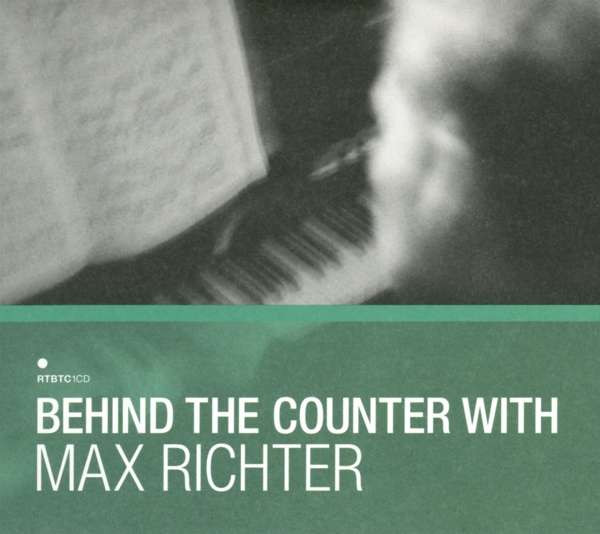
Behind The Counter With
2017
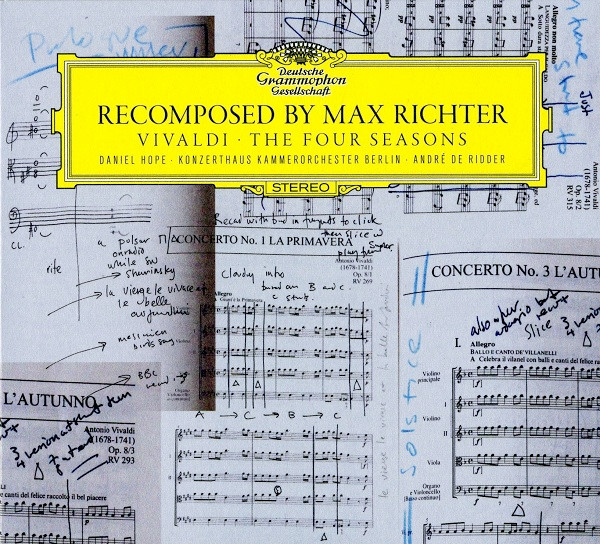
Recomposed By Max Richter: Vivaldi - The Four Seasons
2012

Three Worlds: Music From Woolf Works
2017

Sleep
2015
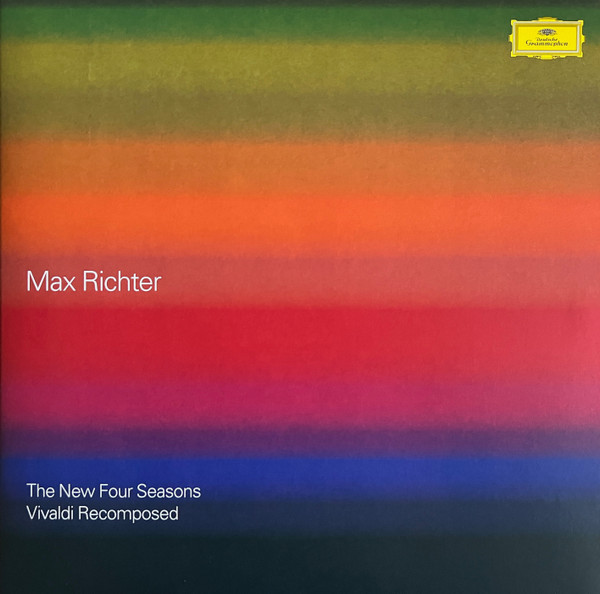
The New Four Seasons - Vivaldi Recomposed
2022
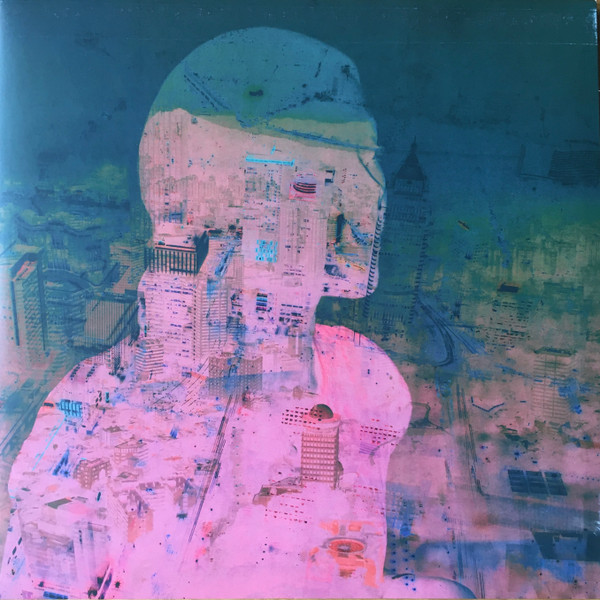
Voices 2
2021

Voyager (Essential Max Richter)
2019
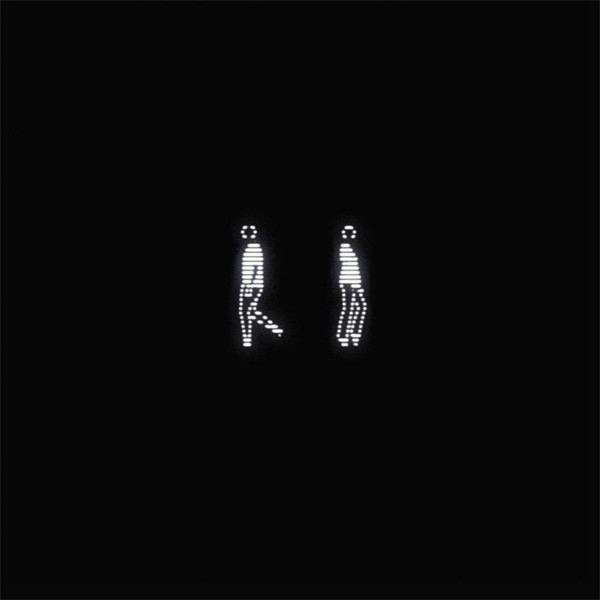
Infra
2010
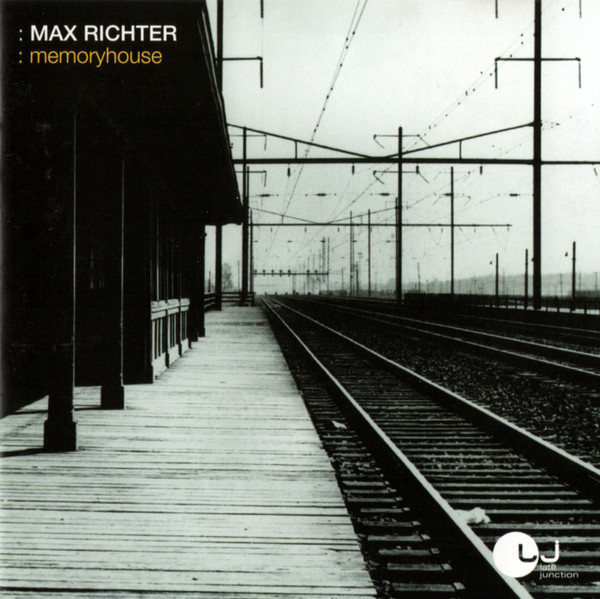
Memoryhouse
2002
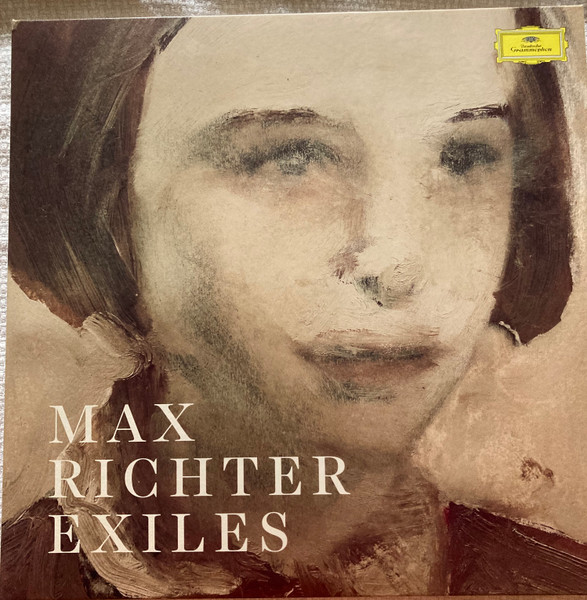
Exiles
2021

Voices
2020
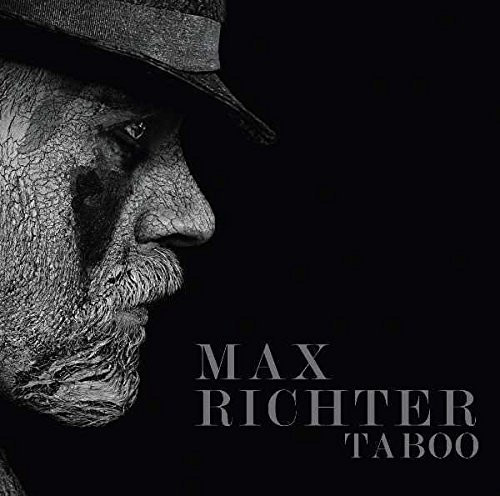
Taboo
2017
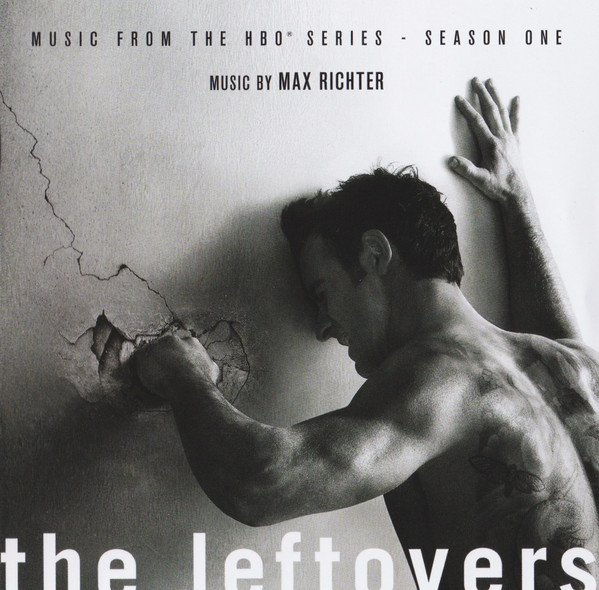
The Leftovers (Music From The HBO® Series - Season One)
2015
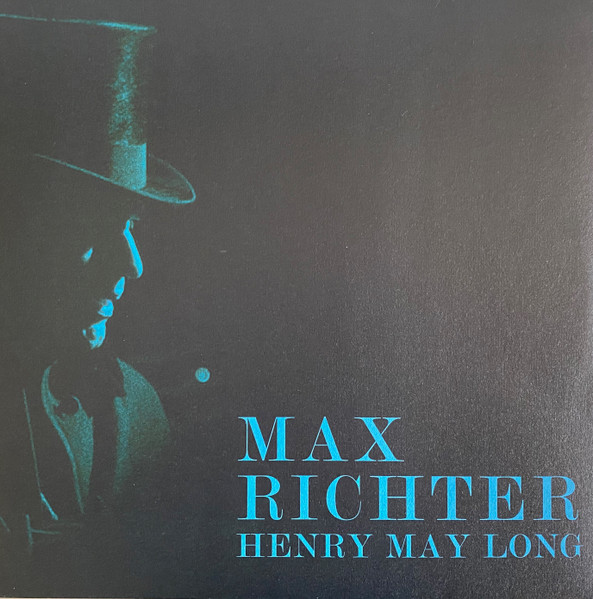
Henry May Long
2009

Songs From Before
2006

Hamnet (Original Motion Picture Soundtrack)
2025

In A Landscape
2024
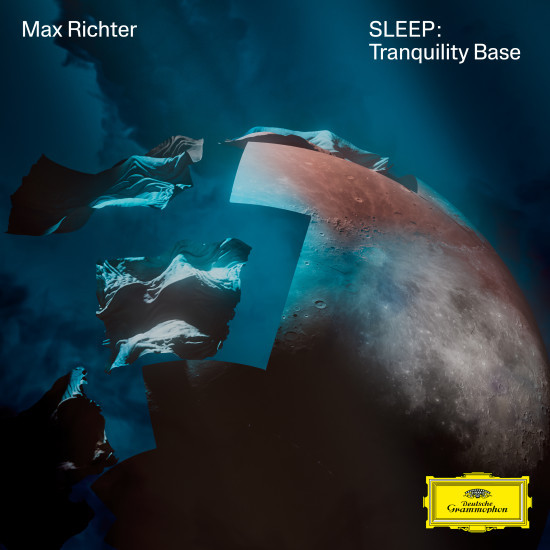
SLEEP: Tranquility Base
2023
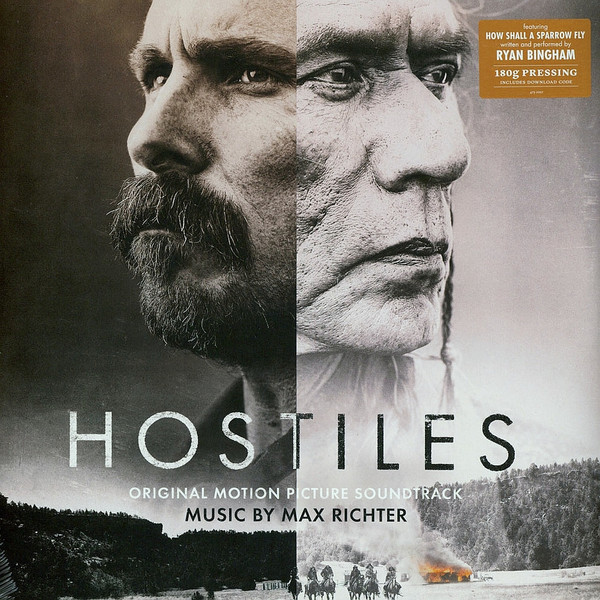
Hostiles (Original Motion Picture Soundtrack)
2018

My Brilliant Friend
2018

Nosedive
2017
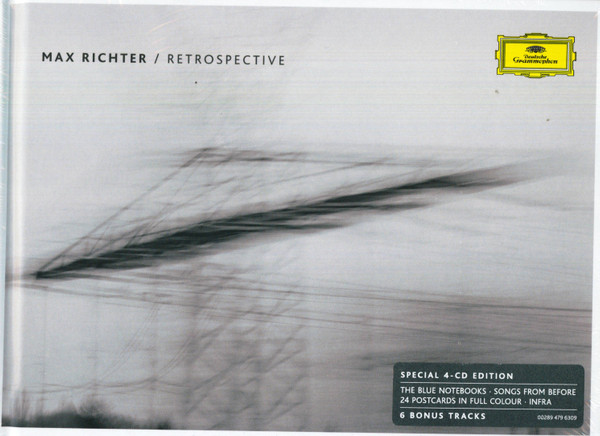
Retrospective
2014
Related artists
Frequent collaborators
Around the web
Follow every record they touch.
Start your shelf and Gatefold tracks Max Richter's new pressings, tour dates, and the whole discography — automatically.
Start your shelf →Free forever. Works with 10 records or 10,000.