
Artist
Matt Berninger
Cincinnati, United States · b. 1971
Matt Berninger is a musician from Cincinnati, United States, active since 1971. Their discography on Gatefold includes 4 records. They also recorded with The National and EL VY.

21
Albums tracked
510
In collections
1971
Since
Biography
Before he was pacing festival stages with a plastic cup of white wine and a tangled mic cable, Matt Berninger was a thirty-something graphic designer in New York who had no business surviving the early-2000s post-punk gold rush. The National's early self-titled and Sad Songs records were scrappy, country-fried bar band stuff that barely hinted at what was coming. Then Peter Katis got them into Tarquin Studios in Connecticut for Alligator and Boxer, forced them to stop playing over each other, and gave Berninger's subterranean baritone room to sit dead center. He didn't sing like an indie rocker; he sang like a frayed corporate middle manager having a quiet nervous breakdown in a hallway while the Dessner twins built an intricate, polyrhythmic fortress around him. His entire vocal identity is built on high-wire anxiety, sudden unhinged screams, and a lyric sheet that reads like a guy transcribing his own social mortification in real time. When The National got too monolithic and polished to leave room for loose ends, he started stepping outside the mothership. Project by project, from EL VY to his solo work, he stripped away the dense art-rock armor to figure out what that voice actually sounds like when it is completely exposed.
Bio from The Clerk
The Arc of Matt Berninger
The pivots — what forced Matt Berninger to reinvent.
The Brooklyn Indie Rock Grind
At Tarquin Studios in Bridgeport, engineer Peter Katis had to referee five stubborn guys who spent days arguing over drum patterns and chord inversions. The shift paid off on Alligator and Boxer, where Berninger traded shambolic alt-country delivery for an anxious, deadpan baritone that became indie rock currency. Bryan Devendorf's intricate rhythm work gave Berninger an unpredictable canvas, letting him mutter through the verses before detonating into throat-shredding screams on the climaxes. It turned a bunch of Cincinnati transplants who worked day jobs into the defining melancholy band of mid-2000s New York.
The Arena Expansion
By the time High Violet and Trouble Will Find Me rolled around, the scrappy basement band had morphed into a massive, brooding festival engine. Berninger stopped singing like a guy hiding behind a desk and started leaning into theatrical dread, tossing drinks into the front rows and screaming from the soundboard risers. Aaron and Bryce Dessner pushed the arrangements into orchestral grandeur, while Berninger's lyrics shifted from domestic panic to full-blown existential fatigue. The records were dense, heavy, and undeniably polished, cementing him as the premier chronicler of adult unraveling.
Stepping Outside the Mothership
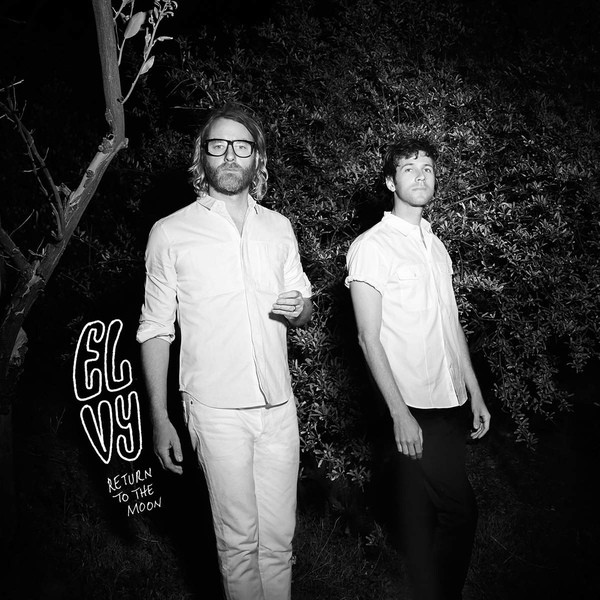
Needing a break from the claustrophobic democracy of his main band, Berninger teamed up with Brent Knopf for EL VY's Return to the Moon in 2015, chasing funky, loose, low-stakes grooves. That detour led directly into Serpentine Prison in 2020, where Booker T. Jones was brought in to produce, arrange, and handle organ duties at Sunset Sound. Stripped of the Dessners' signature time-signature gymnastics, Berninger leaned back on classic soul and folk backing, letting his low end carry simple, rootsy arrangements. It proved his voice did not need a barrage of brass and syncopated snare rolls just to land a punch.
Influences
- Tom Waits — Berninger has repeatedly cited Waits as his primary model for how to use a limited vocal range as an expressive weapon. You hear it all over tracks like 'Slipping Husband' and 'Abel,' where his low, conversational baritone suddenly breaks into raw, unhinged barking. Waits gave him permission to treat a singing voice like character acting.
- Leonard Cohen — The deadpan delivery and self-effacing wit that define Berninger's best lyrics are straight out of the Cohen playbook, which The National explicitly paid tribute to by covering 'Tower of Song.' He leans into that dry, floor-scraping vocal register on ballads like 'Runaway' and 'Green Gloves.' It is all about saying the most humiliating thing possible without raising your voice.
- Nick Cave — Berninger has frequently pointed to The Bad Seeds as a blueprint for balancing literary dread with terrifying live fury. You hear Cave's influence in the pacing of The National's longer builds, where a brooding, poetic verse slowly ratchets into complete onstage delirium. It is the gold standard for turning baritone gloom into explosive rock and roll.
- The Afghan Whigs — Coming up out of Cincinnati, Berninger was obsessed with Greg Dulli's desperate, soul-inflected take on alternative rock and has spoken extensively about their local impact. That influence bleeds through in his relentless focus on guilt, broken relationships, and self-destructive habits. Dulli showed him that you could write about being a total mess without turning it into a sad-bastard pity party.
- R.E.M. — Berninger has named Michael Stipe as the ultimate front-facing lyricist who could turn oblique, fragmented imagery into massive anthems. The National covered 'Pretty Persuasion' early on, and you hear Stipe's elliptical wordplay all over records like Boxer. Stipe proved you could be deeply weird and still fill an arena.
Matt Berninger — solo
Their records — most-collected first.

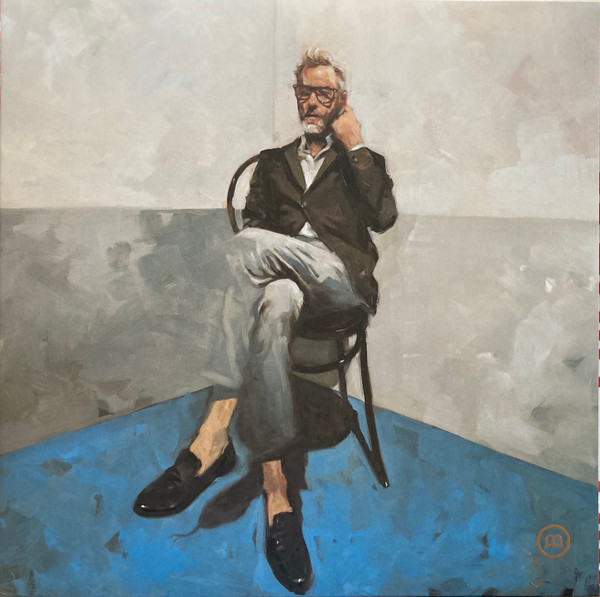


The National
A project Matt Berninger was part of.
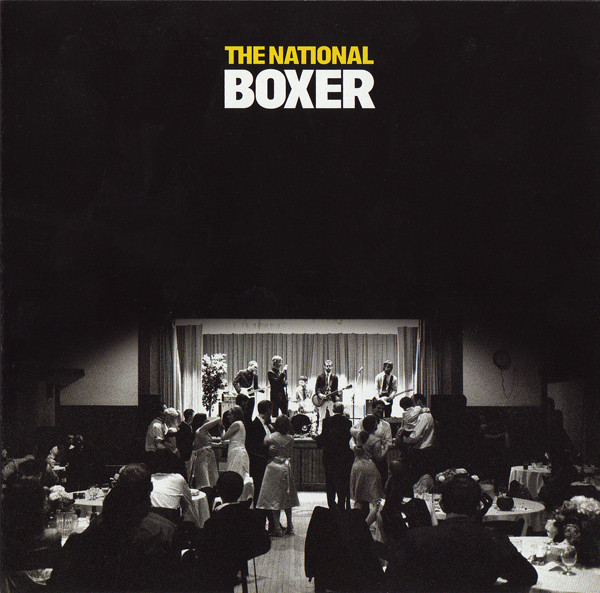
Boxer
2007
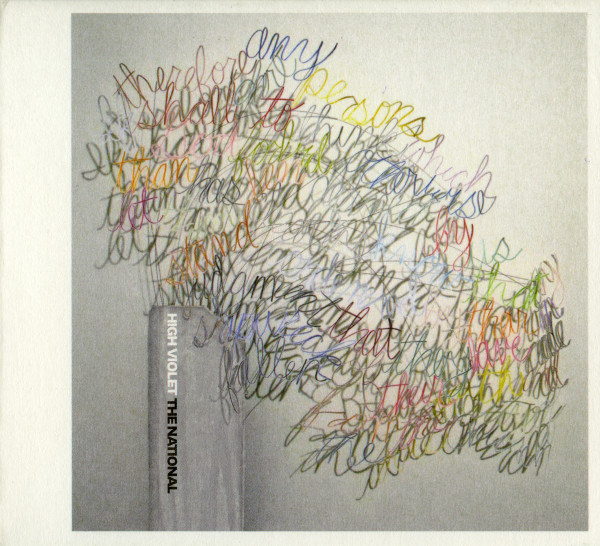
High Violet
2010
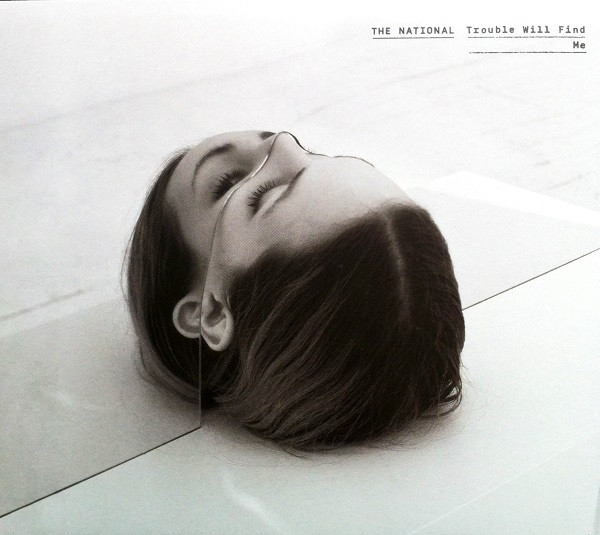
Trouble Will Find Me
2013
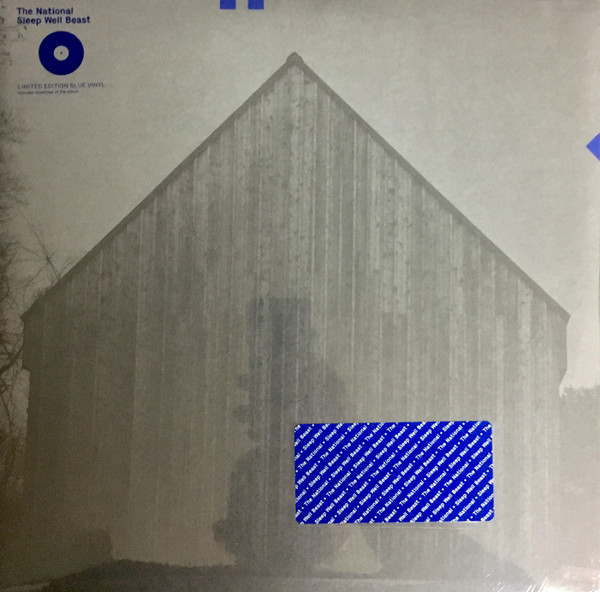
Sleep Well Beast
2017
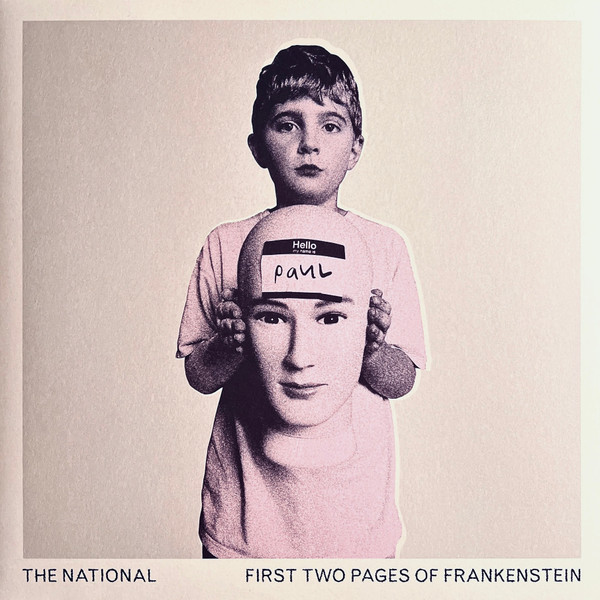
First Two Pages Of Frankenstein
2023

Alligator
2005

I Am Easy To Find
2019

Sad Songs For Dirty Lovers
2003

Laugh Track
2023

Cherry Tree
2004

The National
2001

Rome
2024
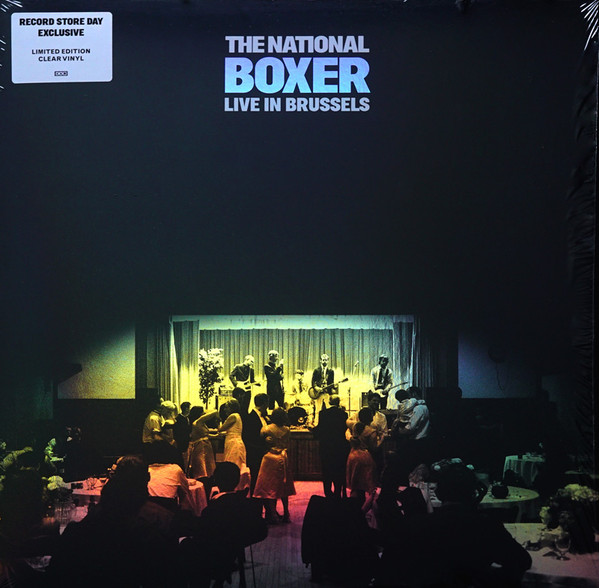
Boxer (Live In Brussels)
2018
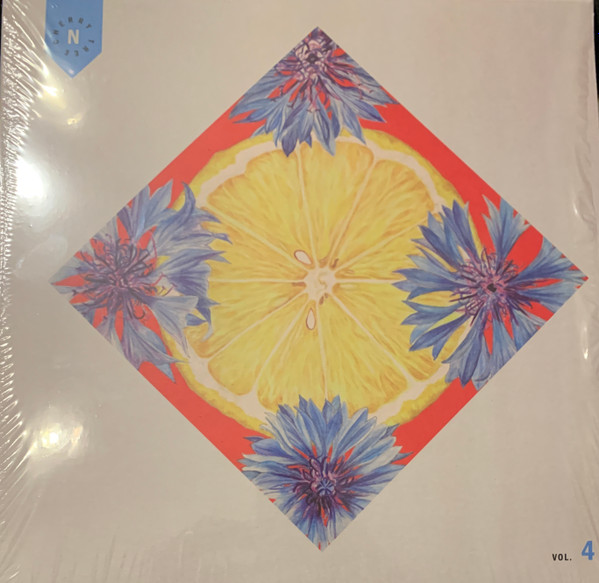
Cherry Tree Vol. 4
2022

Light Years: Live At Forest Hills
2021

Juicy Sonic Magic
2019
EL VY
A project Matt Berninger was part of.
Related artists
Frequent collaborators
Around the web
Follow every record they touch.
Start your shelf and Gatefold tracks Matt Berninger's new pressings, tour dates, and the whole discography — automatically.
Start your shelf →Free forever. Works with 10 records or 10,000.