
Artist
Manu Dibango
Douala, Cameroon · 1933 – 2020
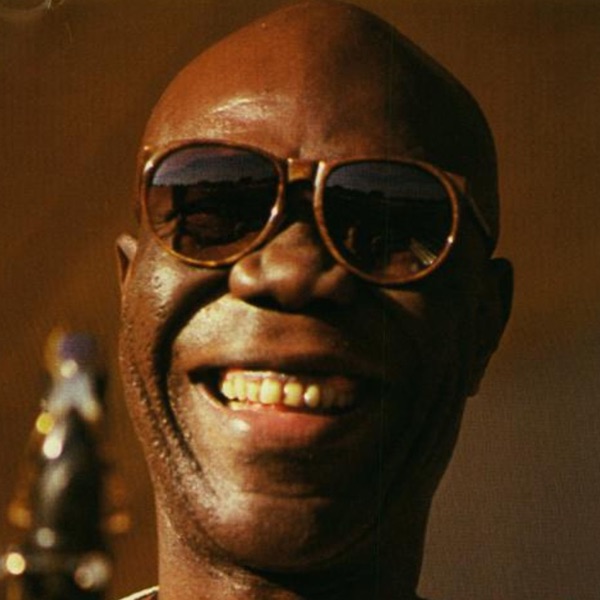
Manu Dibango is a musician from Douala, Cameroon, active 1933–2020. Their discography on Gatefold includes 24 records.
45
Albums tracked
25
In collections
1933
Since
Biography
The hook that made him famous was cut as an uncredited B-side to an anthem for the 1972 African Cup of Nations, pressed on cheap 45s in Paris that nobody was supposed to hear outside Douala. David Mancuso dug up an import copy, dropped 'Soul Makossa' at The Loft in New York, and suddenly radio DJs were scrambling for bootlegs of an obscure Cameroonian saxophonist who had already been gigging through Brussels and Kinshasa dive bars for two decades. Dibango didn't deliver polished studio sheen; he gave you heavy, rubbery bass grooves, a barking baritone vocal chant, and a saxophone tone that hit like a brass knuckle to the jaw. When Michael Jackson famously lifted that vocal hook for 'Wanna Be Startin' Somethin'' without asking, Dibango sued and took his cut. The man didn't take bullshit from pop royalty. He spent the next two decades running laps around every scene that would open its doors. He went to Jamaica to track heavy dub with Sly and Robbie, hit New York to cut electro-funk with Bill Laswell and Herbie Hancock, and scored films when label executives wanted him to repeat his big hit. The back half of the seventies saw him pumping out library funk records like 'Africadelic' on tight European studio budgets, treating the sax less like a solo instrument and more like a rhythm section engine. He didn't chase trends; he grabbed other people's hardware and bent it to West African polyrhythms.
Bio from The Clerk
The Arc of Manu Dibango
The pivots — what forced Manu Dibango to reinvent.
The Loft and the Makossa Explosion
After years grinding in Congolese rumba bands, Dibango hit the French studios in 1972 and slapped 'Soul Makossa' onto the back of a soccer single. Mancuso spun it into heavy rotation at The Loft, Frankie Crocker broke it on WBLS, and American labels rushed out dozens of knockoff covers before the real tape arrived. Records like 'O Boso' and 'Makossa Man' codified the sound: tight polyrhythmic percussion, sharp horn stabs, and an unrelenting dancefloor drive that predated standard disco. You hear a working club musician suddenly handed an international microphone and refusing to clean up the grit.
The Island Records Reggae Sessions
By the end of the seventies, Dibango left Paris behind to track at Dynamic Sounds in Kingston, teaming up with Sly Dunbar and Robbie Shakespeare for 1980's 'Gone Clear' and 1981's 'Ambassador'. The pivot traded Parisian Afro-funk horns for thick, low-slung Jamaican basslines and cavernous dub spaces. His saxophone stopped barking over uptempo funk breaks and started snaking through massive offbeats and heavy reverb. It proved his groove wasn't locked to one continent or tempo.
Celluloid and the Downtown Electro Clashing
Hooking up with producer Bill Laswell in New York during the mid-eighties shoved Dibango headfirst into drum machines, hip-hop scratches, and industrial street funk on 1985's 'Electric Africa'. The room was packed with street-level turntablists alongside jazz titans like Herbie Hancock and African stars like King Sunny Adé. The organic percussion took a back seat to aggressive DMX beats and synthetic synth bass, with Dibango's horn acting as the human anchor cutting through digital noise. It divided the purists who wanted organic funk, but it gave him one of the sharpest post-disco reboots on the shelf.
Influences
- Grand Kalle — Dibango joined Grand Kalle et l'African Jazz in 1961, touring Belgium and Congo during the dawn of Congolese rumba. You hear that fluid, melodic phrasing and guitar-locking horn work across all of Dibango's early seventies sides. Kalle taught him how to lead a massive dance orchestra without stepping on the groove.
- Charlie Parker — Dibango spent his student years in Paris and Brussels woodshedding bebop horn lines off imported American 78s. That rapid-fire, jagged chromatic soloing cuts right through the funk riffs on 'African Voodoo'. He took Parker's velocity and grafted it directly onto Cameroonian makossa rhythms.
- Louis Armstrong — Armstrong's gravelly vocal delivery and melodic horn economy were the bedrock of Dibango's stage persona from his earliest club residencies. The guttural call-and-response chants on 'Soul Makossa' lean heavily on Satchmo's vocal punch. It gave him an unpretentious showman's swagger that elitist jazz players avoided.
- James Brown — Brown's relentless emphasis on 'the one' and using horns as percussive rhythm instruments reshaped Dibango's arrangements around 1970. You can hear it all over 'Africadelic', where the saxophone acts as a blunt percussion hit rather than a solo voice. Brown proved that repetitive groove discipline hits harder than endless solos.
- Duke Ellington — Ellington's complex big band charts and tonal horn colors were Dibango's obsession when scoring films like 'Ceddo' and arranging large ensembles. The layered brass sections on his mid-seventies records like 'Afrovision' pull straight from the Ellington school of orchestral weight. He wanted that Harlem sophistication mapped onto Douala street rhythms.
Discography
Their records — most-collected first.

Soul Makossa
1973

Makossa Man
1973

Afrijazzy
1986
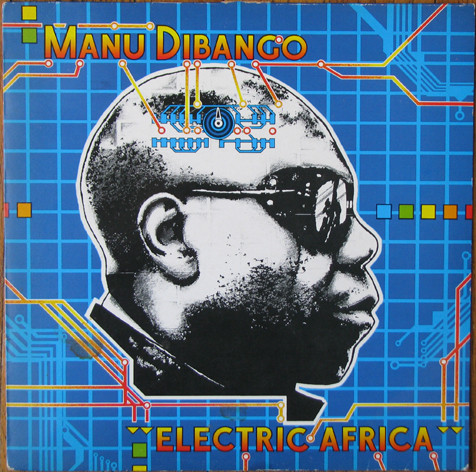
Electric Africa
1985

Wakafrika
1994

Rasta Souvenir / Manu A La Jamaïque
1985

Waka Juju
1982

Piano Solo, Mélodies Africaines Volume 1
1981

Big Blow / Soul Makossa
1976
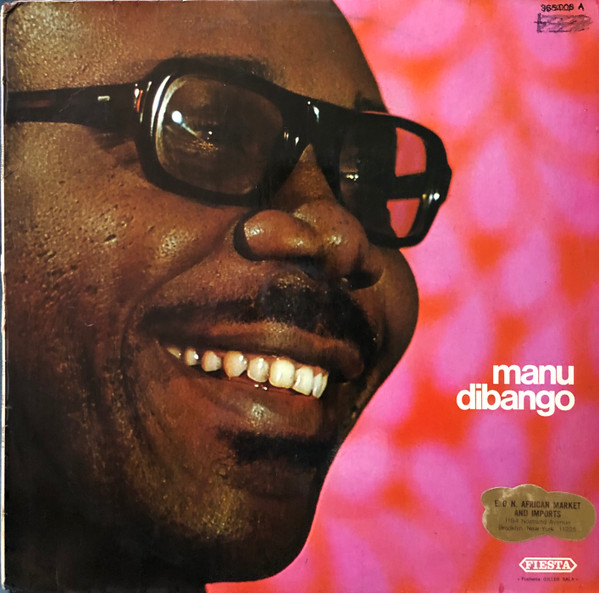
Manu Dibango
1971

Dibango 82
2025

Balade En Saxo
2013

Ballad Emotion
2012
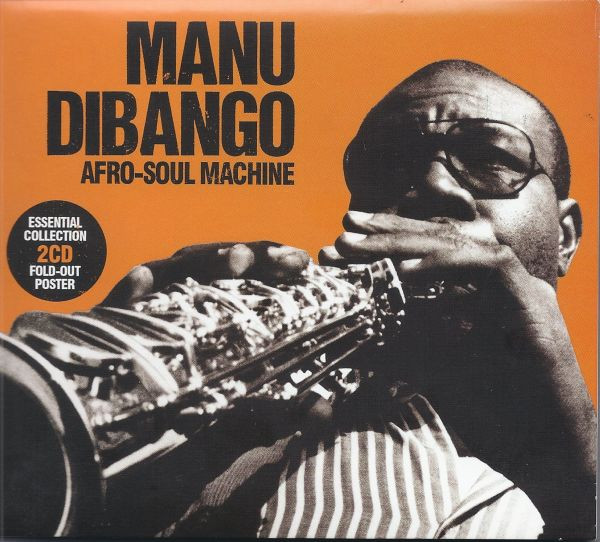
Afro-Soul Machine
2011

Past Present Future
2011
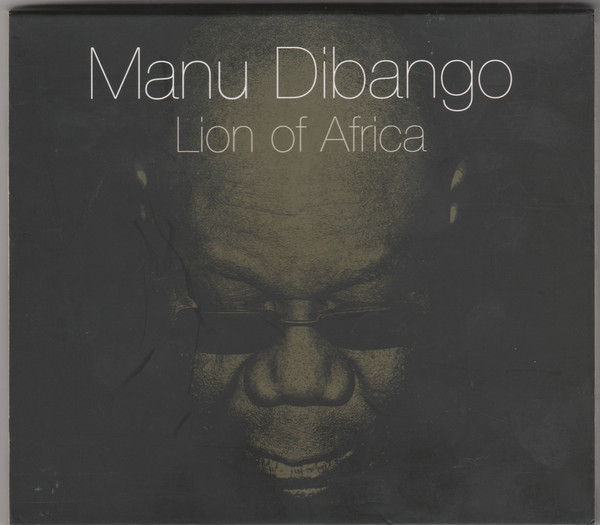
Lion Of Africa
2007

The Rough Guide To Manu Dibango
2004

From Africa
2003

Kamer Feeling
2001

Collection Légende
1999
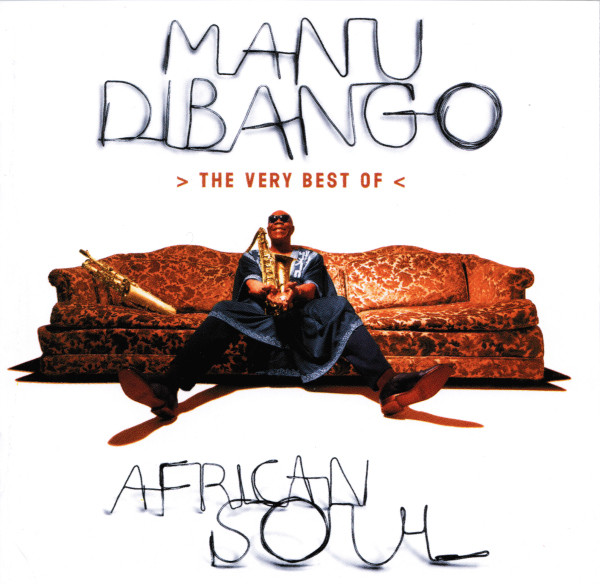
African Soul > The Very Best Of <
1997

Autoportrait
1995

Lamastabastani
1995

Bao Bao
1992
Related artists
Frequent collaborators
Around the web
Follow every record they touch.
Start your shelf and Gatefold tracks Manu Dibango's new pressings, tour dates, and the whole discography — automatically.
Start your shelf →Free forever. Works with 10 records or 10,000.