
Artist
The Mantovani Orchestra
United Kingdom
The Mantovani Orchestra is a music group from United Kingdom. Their discography on Gatefold includes 24 records.
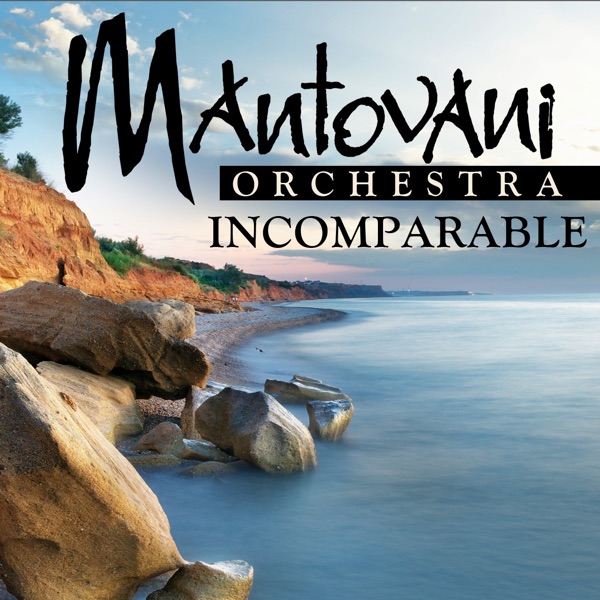
26
Albums tracked
5
In collections
—
Since
Biography
Decca Records engineer Arthur Haddy and arranger Ronald Binge basically created the entire easy listening industry in a drafty London studio because they wanted to make mono recordings sound like they were tracked in a cathedral. They came up with the cascading strings effect. It was a technical trick where different sections of the orchestra played the same melody notes in a staggered delay, mimicking natural acoustic echo. Annunzio Paolo Mantovani put his name on the marquee, but it was Binge's radical scoring that turned a standard hotel dance band into an international juggernaut. By the mid-1950s, this outfit was absolute box office gold for Decca, selling millions of LPs to suburban households desperate for a little class. They became the first act to sell a million stereo albums in the United States. It was the ultimate soundtrack for the mid-century living room, but the formula eventually hardened into a velvet prison. Once you found the sweet spot of three-minute instrumental movie themes, you stayed there until the wheels fell off. The punk and new wave explosions of the late seventies should have killed this catalog entirely. Instead, the sheer, unironic commitment to lush orchestration made these LPs the ultimate dollar-bin trophies for experimental samplers and post-punk oddballs decades later. It is high-art schlock, executed with terrifying studio precision by classical players who could read the most complex arrangements in their sleep.
Bio from The Clerk
The Arc of The Mantovani Orchestra
The pivots — what forced The Mantovani Orchestra to reinvent.
The Cascading Breakthrough
In 1951, arranger Ronald Binge re-engineered the orchestra's entire sonic signature for the single Charmaine. He bypassed traditional big band voicing to write overlapping, sustained violin lines that mimicked a cathedral's reverb chamber. This specific session at Decca’s West Hampstead studios established the cascading strings sound that defined the easy listening genre. You hear it in the massive, swelling decay of the high strings, which became the band's sonic calling card and a massive commercial success.
The Stereo Demonstration Era
When stereo high-fidelity discs hit the market in 1958, the orchestra became the industry's ultimate promotional tool. Decca used the group's extreme left-to-right panning arrangements to convince consumers to buy expensive two-channel home audio systems. Records like Mantovani Film Encores were engineered specifically to show off spatial separation. The music became slightly more rigid and formulaic, designed more to test speaker placement than to innovate musically.
The Global Easy Listening Monopoly
By the mid-1960s, the orchestra pivoted to a relentless schedule of themed travelogue albums and Broadway covers to keep the conveyor belt moving. They leaned heavily into regional stereotypes with records like Latin Rendezvous and Italia. Ronald Binge had long departed, leaving a rotating cast of arrangers to replicate his formula without the same harmonic depth. The output from this period was massive, but it prioritised easy-listening wallpaper over the technical daring of their early fifties work.
Influences
- Edward Elgar — Mantovani studied classical violin in London and openly modeled his orchestra's lush, late-Romantic string section dynamics on Elgar's orchestrations. You can hear this in the sweeping, dramatic crescendos of the 1951 recording of 'Wyoming'.
- Victor Herbert — The orchestra dedicated a full 1953 LP, 'The Music of Victor Herbert', to his operetta compositions. Herbert's late 19th-century melodic structures provided the blueprint for the orchestra's signature sentimental phrasing.
- Johann Strauss II — The orchestra recorded entire albums of Strauss material, including 'Strauss Waltzes' in 1958. Binge studied Strauss's dance tempos to perfect the rhythmic swing underneath his own cascading string arrangements.
- Giacomo Puccini — Mantovani frequently referenced Italian opera as his primary melodic influence during his early radio days. The dramatic, soaring violin lines on 'Cara Mia' directly mimic the vocal phrasing of Puccini's dramatic soprano arias.
- Albert Ketèlbey — Before forming his own group, Mantovani conducted Ketèlbey's highly descriptive light classical pieces in London theaters. This light classical repertoire directly shaped the orchestra's focus on short, highly pictorial instrumental mood pieces.
Discography
Their records — most-collected first.

Mantovani Christmas Magic
1980

Concert Encores
1958

Mantovani Film Encores Volume 1
1957

The Music Of Victor Herbert
1953

An Album Of Favourite Waltzes
1952

Christmas With The Mantovani Orchestra
1999

In A Latin Mood
1995

Latin Dreams
1994

Charmaine
1989

A Night In Vienna With The Mantovani Orchestra
1988

Tenderly
1987

Beautiful Music
1981

Film Favourites
1980

Mantovani Favourites
1977

Folk Songs Around The World
1964

Classical Encores
1963

Songs Of Praise
1961

Operetta Memories
1960
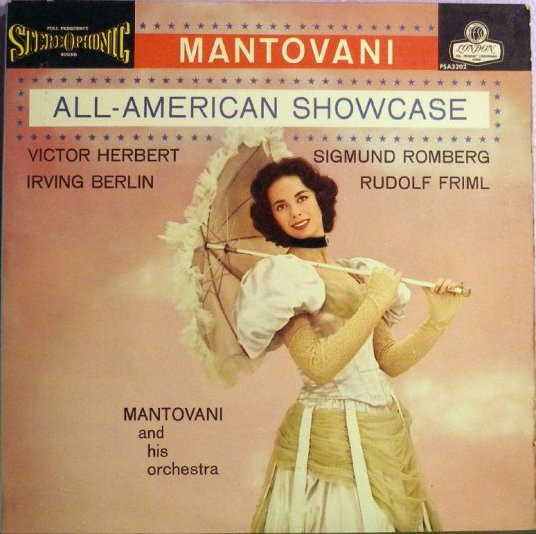
All-American Showcase
1959

Mantovani Plays Tangos
1955

Mantovani Concert
1951

Waltzing With Mantovani
1951

Musical Moments
1950

Mantovani Highlights
1950
Related artists
Members
Around the web
Follow every record they touch.
Start your shelf and Gatefold tracks The Mantovani Orchestra's new pressings, tour dates, and the whole discography — automatically.
Start your shelf →Free forever. Works with 10 records or 10,000.