
Artist
Mad Season
Seattle, United States · 1994 – 1999
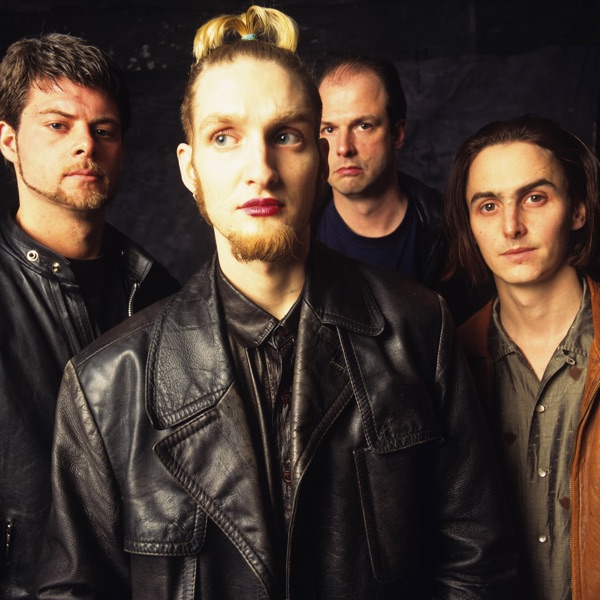
Mad Season is a music group from Seattle, United States, active 1994–1999. Their discography on Gatefold includes 5 records.
5
Albums tracked
116
In collections
1994
Since
Biography
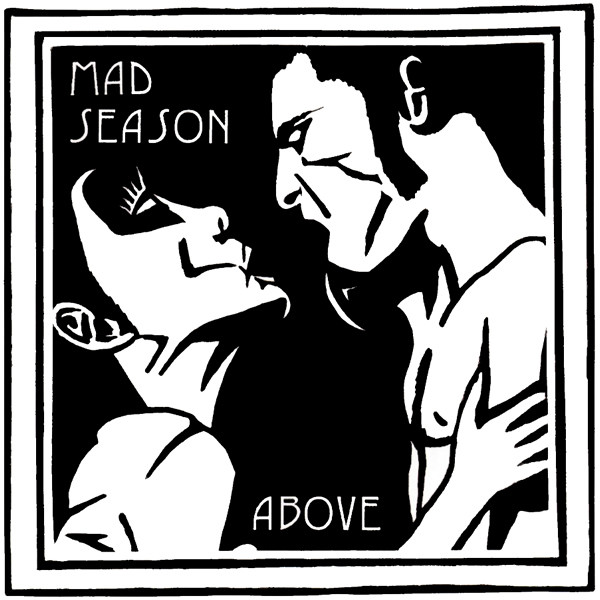
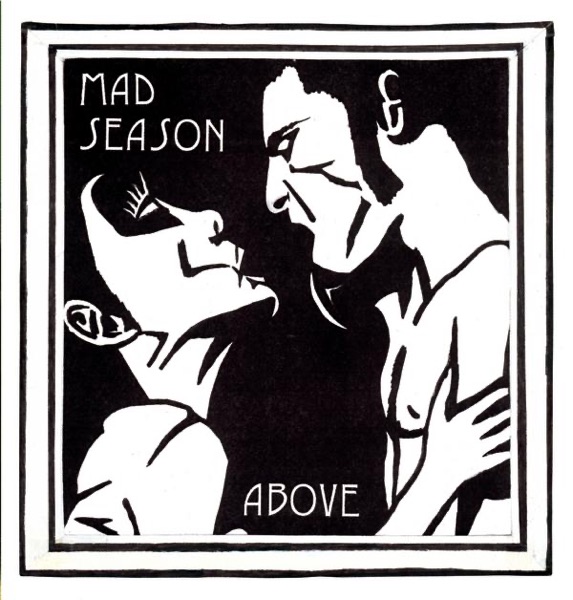
Mike McCready met bassist John Baker Saunders in a Minneapolis rehab facility and decided the best way to stay clean was to start a band that didn't sound like Pearl Jam. They dragged Layne Staley in because he needed a distraction from his own spiraling habit and paired him with Barrett Martin from the Screaming Trees. It wasn't a supergroup; it was a support group with Marshall stacks and a massive addiction budget. They tracked Above in about ten days at Bad Animals Studio in Seattle, mostly improvising off McCready’s sketches while Staley sat in the corner writing some of the most haunting, nakedly honest lyrics ever committed to 2-inch tape. The record is a weird, slow-burn masterpiece that shouldn't work. You’ve got McCready chasing Stevie Ray Vaughan blues licks, Martin playing jazz-inflected tribal rhythms, and Staley doing this baritone croon that sounded like a man already halfway into the ground. It’s got none of the pop-grunge sheen of late-era Pearl Jam or the metallic sludge of Alice in Chains. It’s just the sound of four guys trying to stay alive for long enough to finish a session. Saunders died of an overdose in '99 and Staley followed in '02, which ended the hope of a second record, but what they left behind is a singular piece of dark, heavy soul music.
Bio from The Clerk
The Arc of Mad Season
The pivots — what forced Mad Season to reinvent.
The Bad Animals Sessions
McCready brought the group into Bad Animals with nothing but a few riffs and a desire to play music that felt instinctive rather than polished for radio. They leaned into long, jam-heavy compositions like 'Wake Up' that allowed Saunders and Martin to lock into a jazz-influenced groove while Staley improvised his vocal melodies on the spot. The result was a record that captured the claustrophobia of recovery and the heavy, humid atmosphere of Seattle winter. You hear it in the way the songs breathe and swell, moving away from the tight verse-chorus-verse structures of their main bands.
The Disko Nekretnine Ghost Tapes
After the initial success of the first record, the band attempted a follow-up titled Disko Nekretnine, but the sessions fractured as Staley’s health plummeted and Saunders passed away. McCready and Martin eventually dusted off these mid-90s basic tracks and invited Mark Lanegan to finish the lyrics and vocals years later. These recordings, eventually released on the 2013 deluxe reissue, show a band moving toward a more sprawling, cinematic desert-rock sound. Lanegan’s gravelly delivery turned these leftovers into a posthumous tribute that felt like a funeral dirge for the entire Seattle scene.
Influences
- Stevie Ray Vaughan — Mike McCready has repeatedly cited Vaughan as his primary technical North Star, even wearing an 'SRV' sticker on his Strat during this era. You hear it in the fluid, blues-drenched soloing on 'I'm Above' and the wah-heavy bridge of 'River of Deceit.' It’s the sound of a grunge kid finally letting his Hendrix and Vaughan obsession out of the bag.
- The Doors — Layne Staley’s vocal approach on Above moved away from the metal snarl of Alice in Chains toward the dark, shamanic baritone of Jim Morrison. The improvisational nature of songs like 'Wake Up' mirrors the long-form atmospheric jams found on L.A. Woman. It brought a certain gothic, Los Angeles noir vibe to the rainy Pacific Northwest.
- John Coltrane — Drummer Barrett Martin was a student of ethnomusicology and jazz who cited Coltrane’s sense of spiritual rhythm as a major influence on his playing. His use of mallets and polyrhythmic patterns on 'Long Gone Day' breaks the standard 4/4 rock mold. It’s why the record feels more like a jazz-fusion session than a grunge record.
- The Gun Club — Jeffrey Lee Pierce’s haunting, blues-punk delivery was a massive touchstone for both Mark Lanegan and Layne Staley during the 90s. The swampy, heroin-chic aesthetic of Mad Season owes everything to the desolate, haunted Americana Pierce pioneered. It’s the bridge between the blues and the gutter.
- The Stooges — McCready and Saunders grew up on the raw, unrefined power of Ron Asheton’s guitar work and the nihilism of Fun House. That grit is buried under the production of Above, keeping the record from sounding too pretty or over-produced. They kept the rough edges of the jams to preserve the primal energy Iggy Pop made famous.
Discography
Their records — most-collected first.

Related artists
Around the web
Follow every record they touch.
Start your shelf and Gatefold tracks Mad Season's new pressings, tour dates, and the whole discography — automatically.
Start your shelf →Free forever. Works with 10 records or 10,000.