
Artist
Manic Street Preachers
Blackwood, United Kingdom · Formed 1986
Manic Street Preachers is a music group from Blackwood, United Kingdom, active since 1986. Their discography on Gatefold includes 24 records.

51
Albums tracked
649
In collections
1986
Since
Biography
Generation Terrorists was recorded at Hook End Manor with Steve Brown, a guy who had just finished producing The Cult and Freddie Mercury. They walked in as four kids from Blackwood with spray-painted jeans and a manifesto that claimed they’d sell sixteen million copies of their debut and then vanish. They didn't. Instead, they handed Sony a sprawling double-album mess of hair-metal riffs and Situationist lyrics that sounded like Guns N’ Roses trying to read Guy Debord. It was arrogant, overstuffed, and completely out of step with the baggy scene in London, which is exactly why it worked. The real weight of this band isn't just the politics—it’s the shift from the jagged, claustrophobic serration of Richey Edwards’ final lyrics to the stadium-sized grief that followed his disappearance. When they regrouped for Everything Must Go, they traded the lo-fi scratching of Soundgarden-esque grunge for Mike Hedges’ wall-of-sound production and Sean Moore’s orchestral trumpet flares. They became the biggest band in Britain by leaning into the vacuum Richey left behind, turning specific, literate trauma into something a hundred thousand people could shout back at them in a field.
Bio from The Clerk
The Arc of Manic Street Preachers
The pivots — what forced Manic Street Preachers to reinvent.
The Holy Bible Era
By 1994, the band retreated to a tiny, windowless hole called Soundspace Studios in Cardiff to strip away the glossy rock sheen of their second record. Richey Edwards was spiraling, handing over lyrics about anorexia, the Holocaust, and structural decay that James Dean Bradfield set to cold, post-punk scrapings. It sounds like a band trapped in a pressure cooker, ditching the American radio aspirations for a jagged, British military aesthetic. You can hear the physical exhaustion in the tracks; it’s a terrifyingly honest document of a creative force disintegrating in real time.
The Arena Metamorphosis
After Richey vanished in 1995, the remaining trio had to decide if they were a punk band or a heritage act, choosing to pivot toward massive, string-drenched melancholia. Producer Mike Hedges brought in a cinematic scope for Everything Must Go, swapping the barbed wire of the previous year for an acoustic-led defiance that felt like a funeral and a rebirth at once. This version of the Manics replaced the confrontational slogans with a working-class elegiac tone that made them household names. It’s the sound of a band learning how to carry a ghost without letting it sink the ship.
The Experimental Backlash
By 2001, the band got bored of being the UK’s reliable stadium poets and released Know Your Enemy, a chaotic, lo-fi mess recorded quickly to kill their own momentum. They tried to be The Clash and R.E.M. at the exact same time, resulting in a disjointed tracklist that pissed off the casual fans they’d picked up during the late 90s. It was a deliberate move to get back to the basement, throwing out the polished production of This Is My Truth for fuzzy garage rock and weird electronic experiments. You hear a band fighting against their own celebrity, even if half the songs didn't quite land the punch.
Influences
- The Clash — The band famously cited 'Stay Free' as a blueprint for their own brand of melancholic punk and covered 'What's My Name' early on. You hear it in Nicky Wire’s politicized sloganeering and the way they treated the band as a unified, aesthetic front. It’s the bridge between raw anger and melodic songwriting.
- Public Enemy — Richey and Nicky explicitly looked to the Bomb Squad’s production and the band’s tactical media manipulation rather than other rock groups for their early 'culture war' stance. This informed the heavy use of dialogue samples that open tracks like 'Faster' and 'Of Walking Abortion.' They wanted a rock record to feel as dense and dangerous as It Takes a Nation of Millions.
- Guns N' Roses — Before they went post-punk, they were obsessed with Appetite for Destruction, which is why James Dean Bradfield plays a Les Paul with such heavy, blues-metal fluidness. You hear the Slash influence all over the solos on Generation Terrorists. They were the only punks in the UK who weren't ashamed of a big, dumb guitar solo.
- Joy Division — The stark, minimalist production of Martin Hannett is the primary DNA for The Holy Bible. They moved Sean Moore’s drums into a cold, dry space to mimic the skeletal snap found on Unknown Pleasures. It’s that specific brand of British claustrophobia that replaced their early glam-rock swagger.
- Magazine — The band frequently covered 'Shot by Both Sides' and worshipped Howard Devoto’s detached, intellectual lyricism. You hear it in the way Bradfield weaves complex, multi-syllabic lines into pop hooks without losing the rhythm. It gave them the license to be the smartest, most arrogant guys in the room.
Discography
Their records — most-collected first.
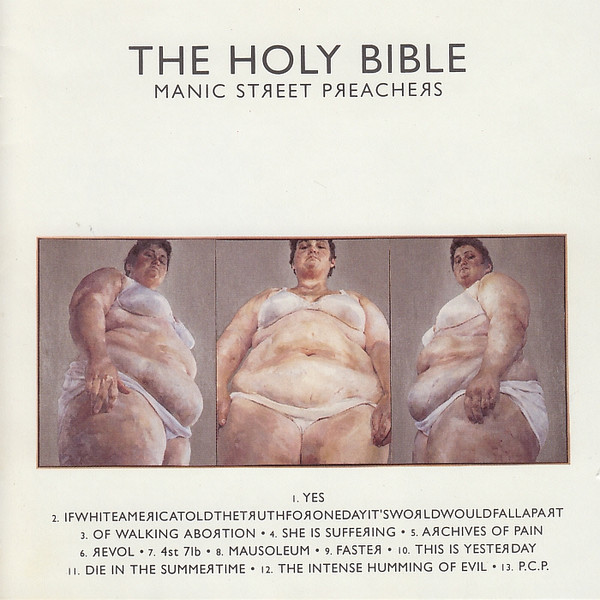
The Holy Bible
1994
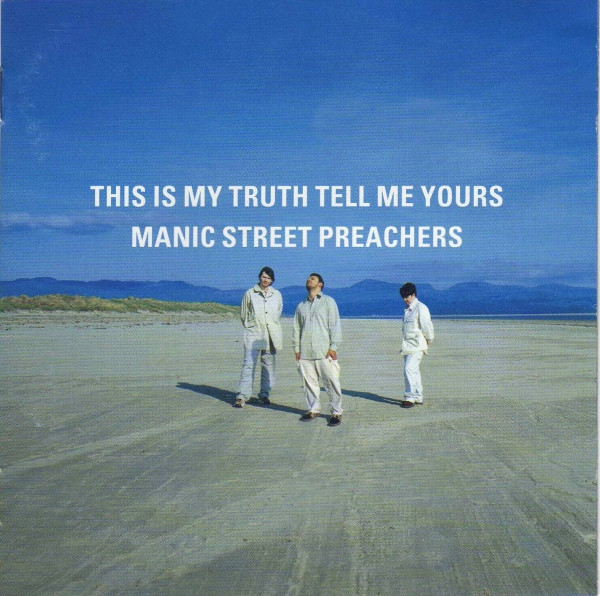
This Is My Truth Tell Me Yours
1998
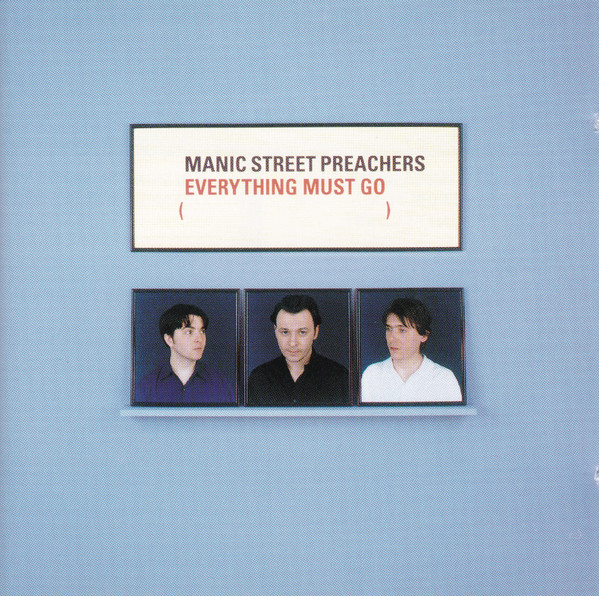
Everything Must Go
1996

Generation Terrorists
1992
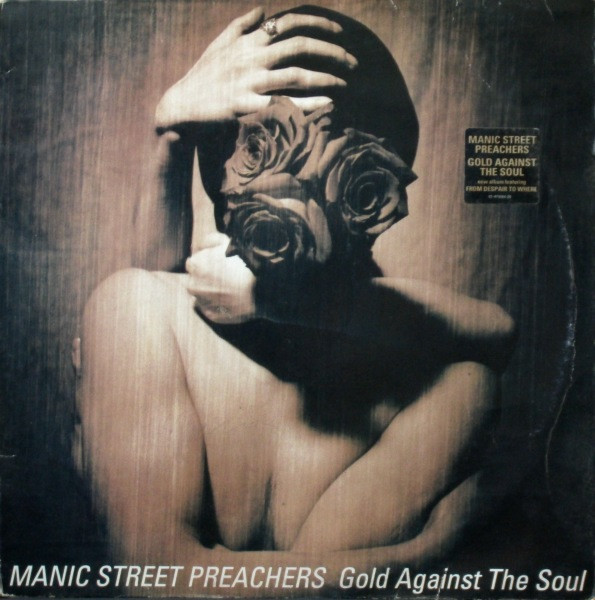
Gold Against The Soul
1993
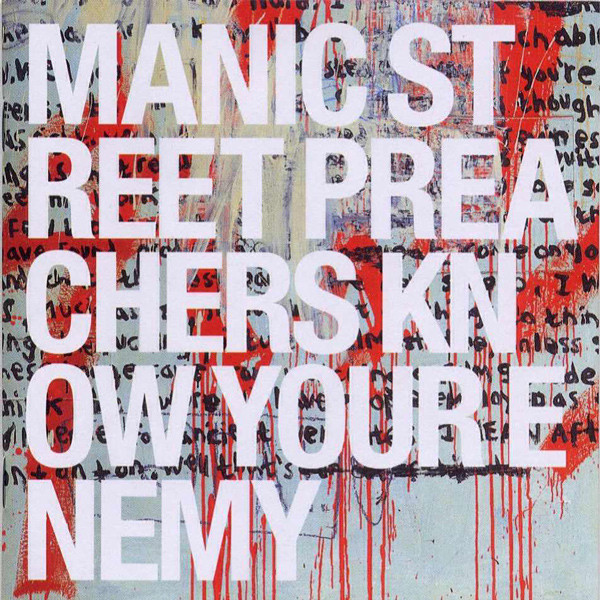
Know Your Enemy
2001
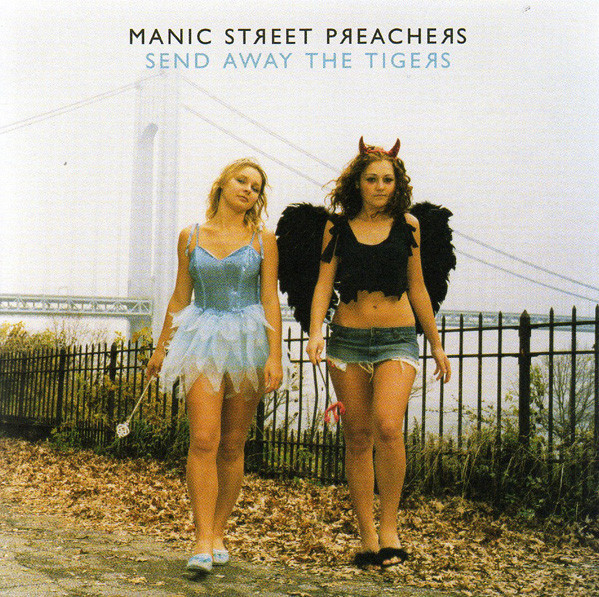
Send Away The Tigers
2007

A Design For Life
1996

Little Baby Nothing
1992
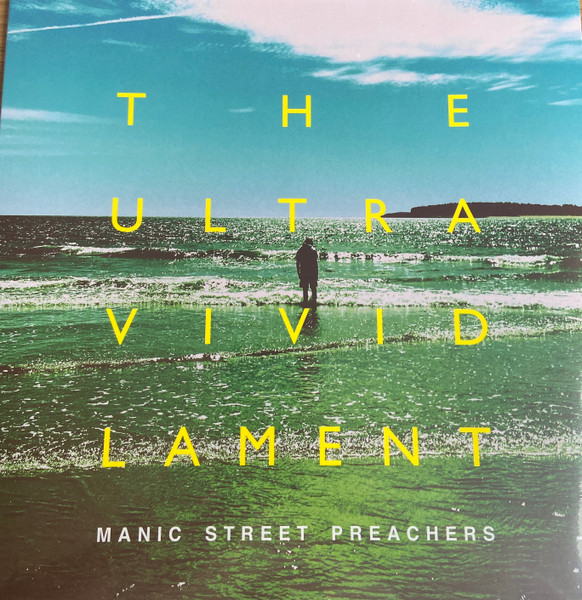
The Ultra Vivid Lament
2021
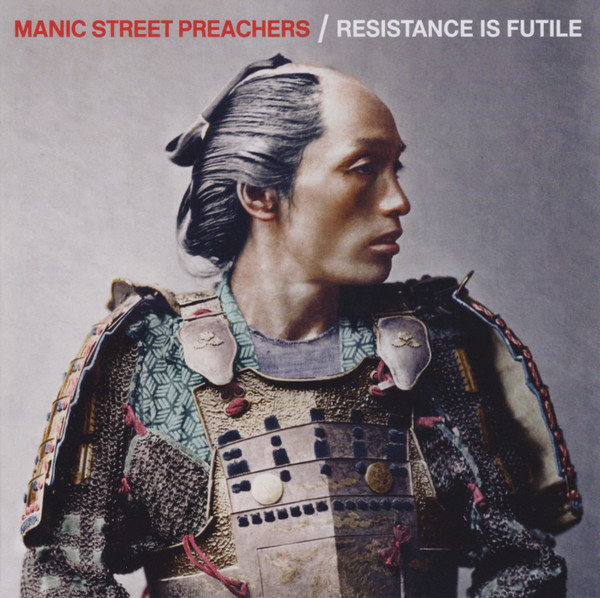
Resistance Is Futile
2018
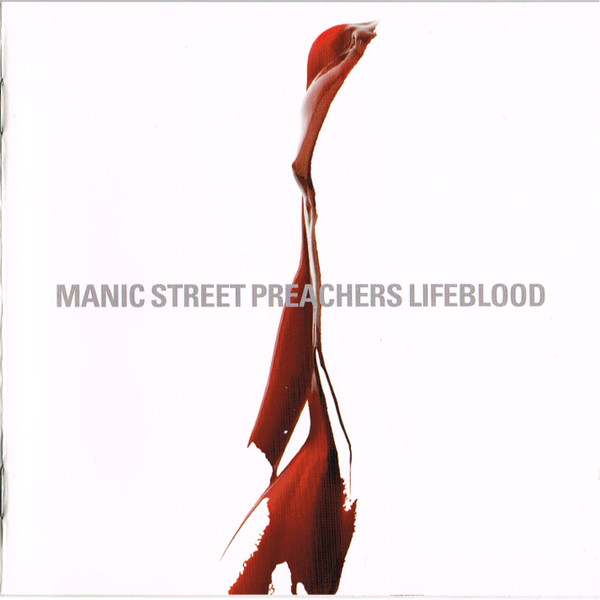
Lifeblood
2004

You Love Us
1992

Critical Thinking
2025

Rewind The Film
2013
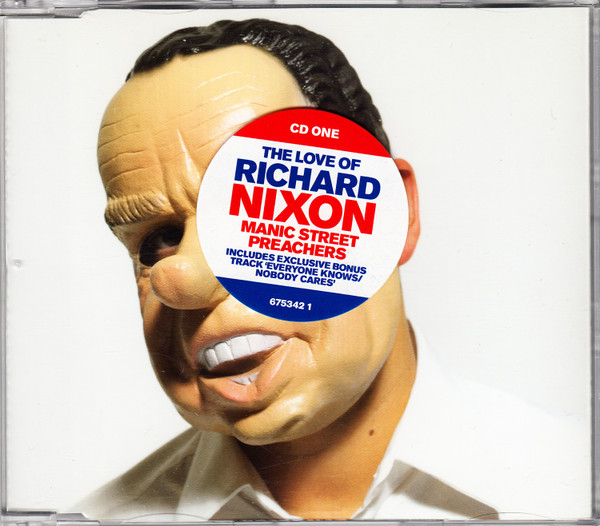
The Love Of Richard Nixon
2004
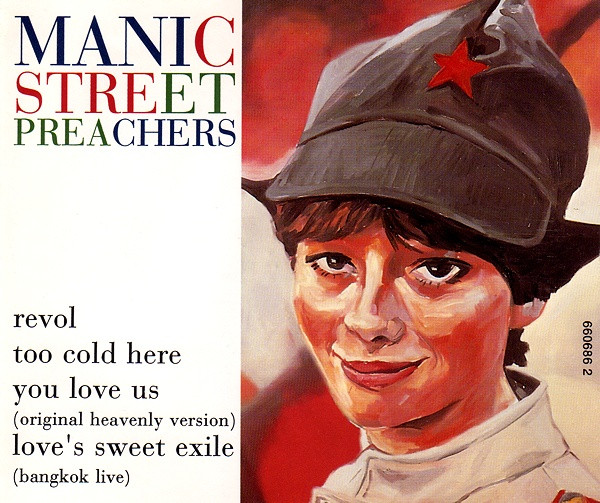
Revol
1994

Journal For Plague Lovers
2009

Your Love Alone Is Not Enough
2007

There By The Grace Of God
2002

You Stole The Sun From My Heart
1999

Tsunami
1999

If You Tolerate This Your Children Will Be Next
1998

The Everlasting
1998
Related artists
Frequent collaborators
Around the web
Follow every record they touch.
Start your shelf and Gatefold tracks Manic Street Preachers's new pressings, tour dates, and the whole discography — automatically.
Start your shelf →Free forever. Works with 10 records or 10,000.