Artist
Love
Los Angeles, United States
Love is a music group from Los Angeles, United States. Their discography on Gatefold includes 19 records.
19
Albums tracked
130
In collections
—
Since
Biography
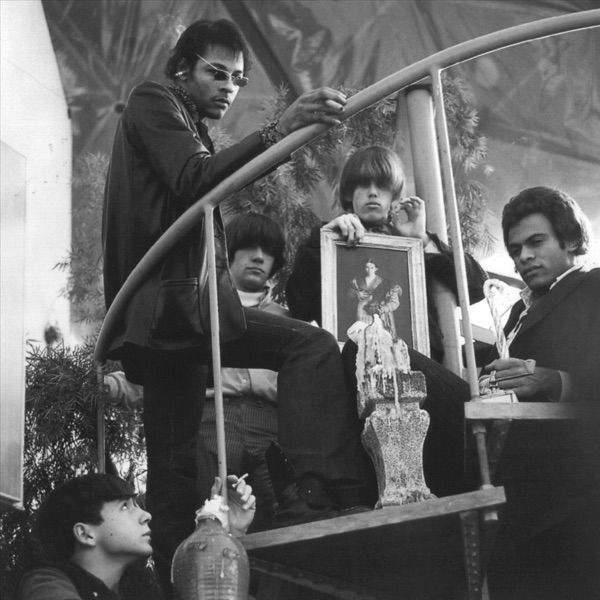
Arthur Lee fired the drummer Don Conka before the first album even hit the shelves because the guy couldn't keep a steady beat through his heroin haze. That sets the tone for everything that follows. Love was the first rock band signed to Elektra, and they were the kings of the Sunset Strip, yet they were too paranoid or too stubborn to tour outside of Los Angeles. While the rest of the world was tripping on peace and love, Arthur was locked in a house in the hills writing about his own funeral and the racial tension boiling under the surface of the folk-rock scene. They hit their peak with Forever Changes, a record that shouldn't exist given the internal rot. The band was so dysfunctional they couldn't play their own parts during the initial sessions, forcing producer Bruce Botnick to bring in the Wrecking Crew to track 'Andmoreagain' and 'The Daily Planet.' That humiliation finally lit a fire under Johnny Echols and Bryan MacLean, who stepped up to finish the masterpiece. It’s a record of beautiful acoustic layers and horn arrangements that mask a deep, existential dread. After that, Arthur let the original lineup dissolve into a mess of bad decisions and harder drugs, chasing a heavy psych-blues sound that never quite caught the same lightning.
Bio from The Clerk
The Arc of Love
The pivots — what forced Love to reinvent.
The Sunset Strip Punks
Before they were psychedelic poets, Love was a high-voltage garage act influenced by the Byrds but with a much sharper edge. Their self-titled debut was recorded fast and cheap, capturing a band that could pivot from the aggressive proto-punk of '7 and 7 Is' to melodic folk-rock. You hear a group trying to out-jangle everyone on the Strip while Arthur Lee’s vocals leaned into a soulful, almost snarl-like delivery that set them apart from the flower-power crowd. This was the only era where they functioned like a semi-normal unit before the ego and paranoia took over.
The Baroque Breakdown
By 1967, the band moved into a communal house called 'The Castle' and stopped acting like a team. Arthur Lee and Bryan MacLean were in a cold war for songwriting dominance while the rest of the group struggled with technical proficiency and heavy drug use. This friction resulted in Forever Changes, where Bruce Botnick utilized orchestral arrangements to fill the gaps left by the band’s instability. The result is a haunting, cinematic sound where the strings and brass provide a deceptive sweetness to Lee’s apocalyptic lyrics about the draft and the crumbling L.A. dream.
The Hendrix Hangover
After the classic lineup splintered, Arthur Lee reconstituted the band with a rotating door of heavy-blues players, including guitarist Jay Donnellan. The sound shifted toward bloated, Hendrix-influenced jams on albums like Out Here and False Start, losing the delicate intricacies of the earlier records. They even tracked a session with Jimi Hendrix himself called 'The Everlasting First,' but the synergy wasn't there. This period is defined by a desperate search for a new identity that swapped out the suburban paranoia for loud, meandering guitar heroics.
Influences
- The Byrds — Arthur Lee explicitly cited seeing the Byrds at Ciro's as the catalyst for moving Love from a soul act into rock. You hear it in the 12-string jangle of 'Hey Joe' and the harmony structures on their first record. It was the blueprint they had to follow before they could eventually destroy it.
- Burt Bacharach — The sophisticated chord changes and horn charts on Forever Changes are a direct nod to Bacharach's pop compositions. Lee was obsessed with the way Bacharach used space and unexpected instrumentation to create a specific mood. You can hear that 'Walk On By' elegance flipped into something much more sinister on 'Alone Again Or'.
- John Coltrane — Arthur Lee was a jazz head who worshipped Coltrane's phrasing and experimental spirit. He pushed the band toward long-form improvisation on 'Revelation,' trying to capture the free-form energy of a jazz quintet. It’s the reason Love was willing to break the three-minute pop song structure earlier than most of their peers.
- Mick Jagger — Early on, Lee adopted a vocal affectation and stage swagger that was heavily indebted to Jagger’s mid-60s persona. On tracks like 'Can't Explain,' the phrasing is almost a mirror image of the Stones' rhythm and blues period. It gave the band a dangerous, street-level energy that the Byrds lacked.
- Little Richard — Before he was a psychedelic visionary, Lee was a R&B songwriter and performer who modeled his energy on the 50s rock and roll greats. The raw, shredded vocal delivery on '7 and 7 Is' pulls directly from that high-octane scream. It’s the foundational grit that kept their later acoustic stuff from sounding too precious.
Discography
Their records — most-collected first.
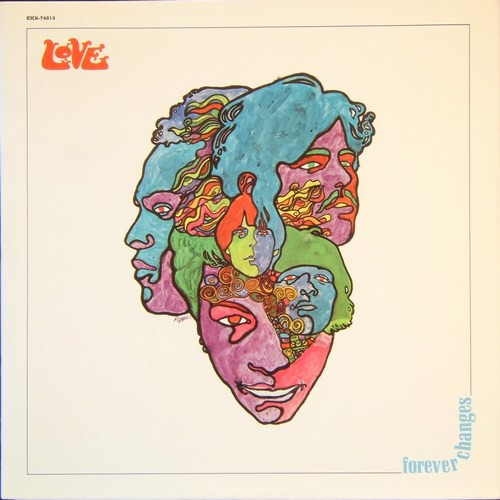
Forever Changes
1967

Da Capo
1967
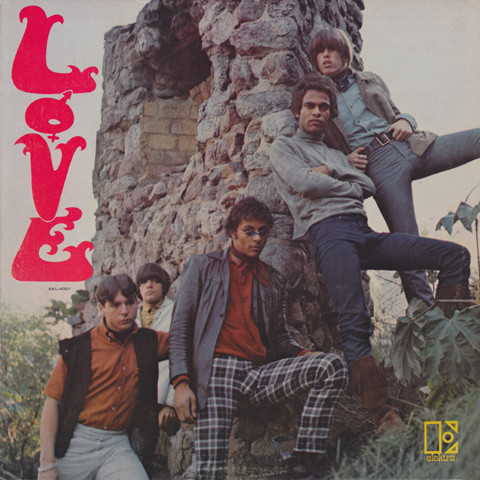
Love
1966

Four Sail
1969

The Complete Elektra Albums
2025

Best Of Love
1980
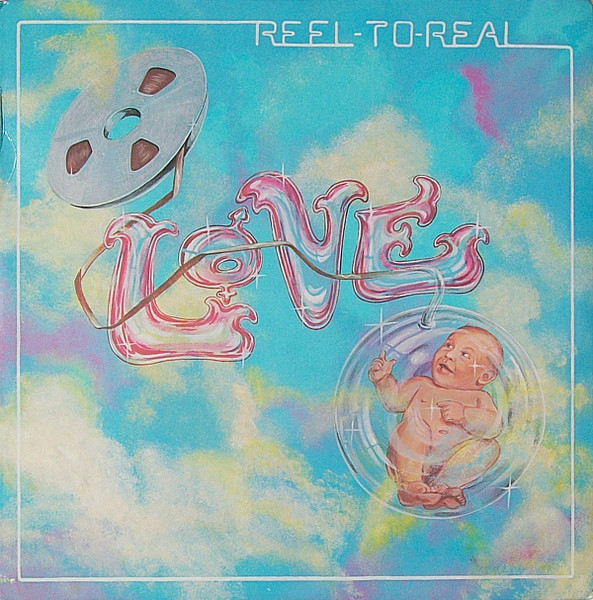
Reel-To-Real
1974

False Start
1970

She Comes In Colors
1966

Black Beauty
1973

Revisited
1970
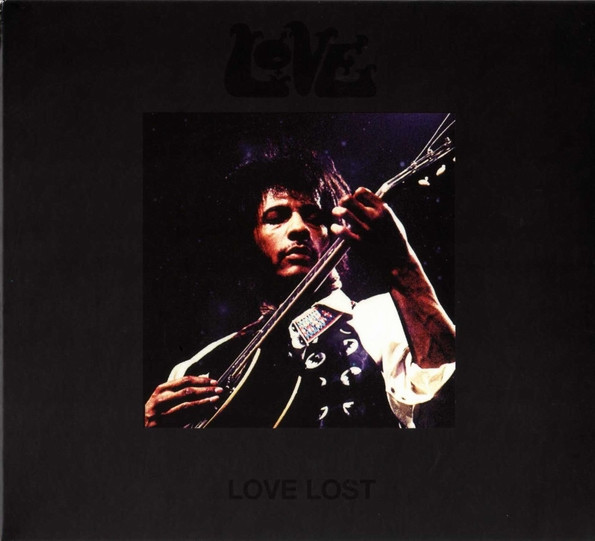
Love Lost
2009

The Blue Thumb Recordings
2007
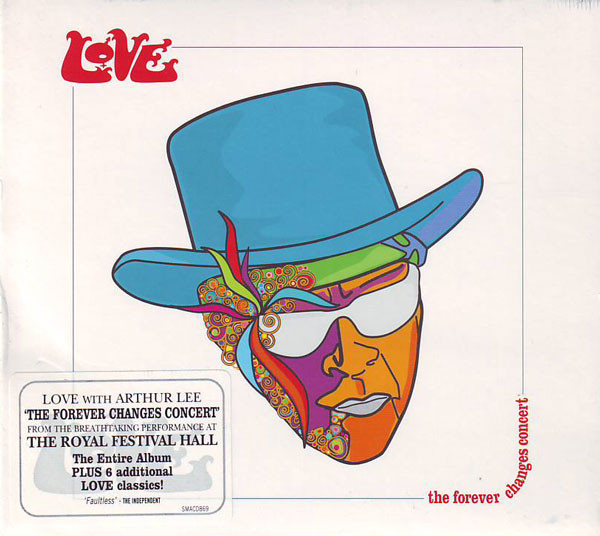
The Forever Changes Concert
2003
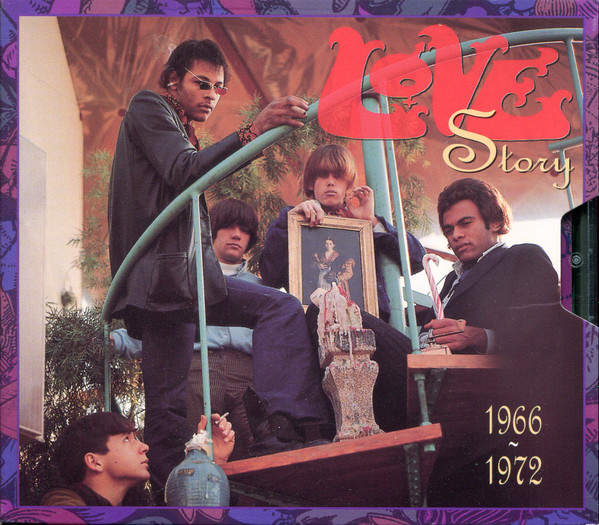
Love Story (1966 ~ 1972)
1995

Out There
1988

Live
1982

Studio / Live
1982
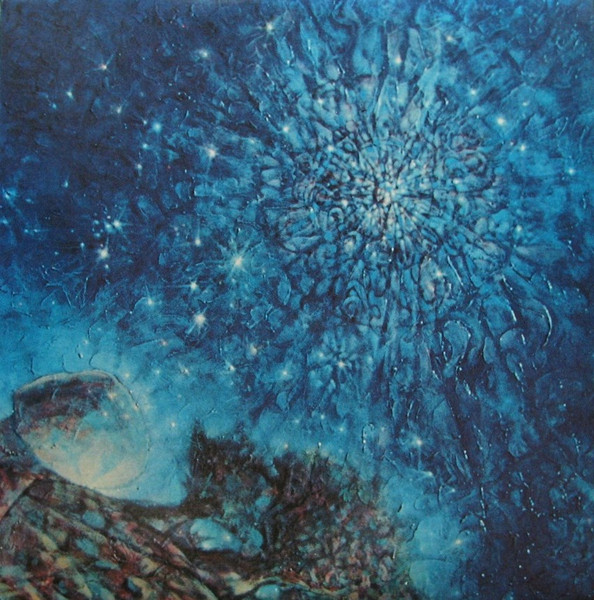
Out Here
1969
Related artists
Members
Frequent collaborators
Around the web
Follow every record they touch.
Start your shelf and Gatefold tracks Love's new pressings, tour dates, and the whole discography — automatically.
Start your shelf →Free forever. Works with 10 records or 10,000.