
Artist
Lone Justice
Los Angeles, United States · 1982 – 1987
Lone Justice is a music group from Los Angeles, United States, active 1982–1987. Their discography on Gatefold includes 5 records.

5
Albums tracked
17
In collections
1982
Since
Biography
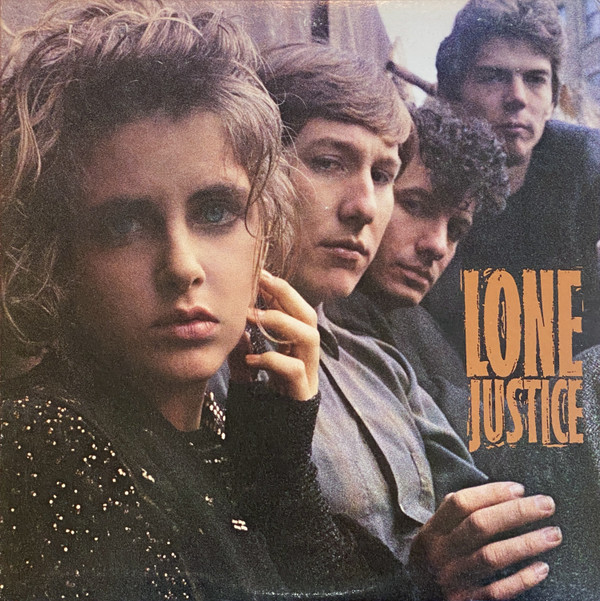
Geffen thought they were buying the next Tom Petty, but they basically broke the band by trying to polish the dirt off Maria McKee’s boots. Jimmy Iovine produced the debut in '85 and brought in the big guns—Benmont Tench, Mike Campbell, even Bob Dylan handed over a song—but the slick studio sheen strangled the cowpunk energy they’d been honing at The Vex. McKee had a voice that could peel paint off a barn door, yet the label was terrified of her sounding too country for MTV. By the time the second record rolled around, the original lineup had already cratered. The rhythm section of Marvin Etzioni and Don Heffington was gone, replaced by session pros who could play to a click but couldn't swing. They went from being the hottest live act in L.A. to a bloated pop experiment that sounded like it was chasing the heartland rock trend instead of leading it. It’s a classic case of a band being too good, too fast, and getting crushed by the weight of corporate expectations.
Bio from The Clerk
The Arc of Lone Justice
The pivots — what forced Lone Justice to reinvent.
The Cowpunk Catalyst
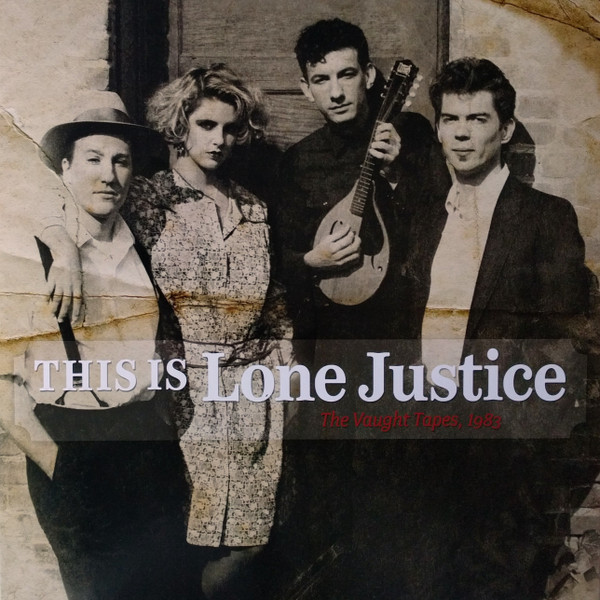
Before the major label money showed up, Maria McKee and Ryan Hedgecock were obsessed with George Jones and the Blasters. They were tearing up the L.A. club scene with a raw, frantic energy that sat right between rockabilly and punk. You can hear that hunger on the early demos and live tapes where the band sounds like they’re about to fly off the rails at any second. It was honest, dusty, and completely disconnected from the neon synth-pop happening elsewhere in 1983.
The Iovine Polish
Jimmy Iovine stepped in for the 1985 self-titled debut and treated it like a blockbuster movie production. He brought in his Heartbreakers Rolodex and smoothed out the edges to make it radio-ready for the 'Ways to Be Wicked' push. While the songs are top-tier, the production feels like it’s fighting McKee’s natural instincts to wail. It turned a gritty bar band into a shiny product, which worked for the charts but killed the chemistry of the founding members.
The Shelter Collapse
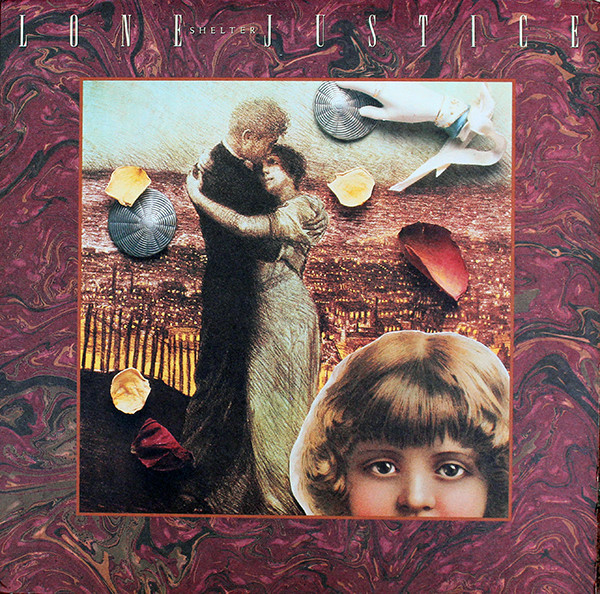
The 1986 album Shelter is where the wheels officially came off the original vision. With the founding rhythm section gone, Steven Van Zandt was brought in to co-produce, resulting in a heavy, 80s-gated-reverb sound that buried the band’s country roots under layers of synth and stadium rock. McKee was still singing her heart out, but she was basically a solo artist backed by a rotating cast of hired hands. It was the sound of a label desperate for a hit that never quite materialized, leading to the inevitable breakup shortly after.
Influences
- George Jones — McKee grew up on her brother Bryan MacLean’s record collection and cited Jones as her blueprint for vocal phrasing. You hear it in the way she breaks her voice on the high notes in 'Don't Toss Us Away.' It’s that pure, honky-tonk desperation applied to a rock tempo.
- Emmylou Harris — The band’s early mission statement was effectively 'Emmylou meets The Clash.' Harris was a vocal mentor to McKee in the early L.A. days and even sang backup on their debut. That high, lonesome sound is the DNA of their entire ballad catalog.
- The Blasters — Dave Alvin was a massive supporter of the band during their residency at the Cathay de Grande. Lone Justice took the Blasters' blueprint of revitalizing American roots music with punk speed and applied it to the L.A. club circuit. It’s the reason their early sets felt more like a riot than a square dance.
- Dolly Parton — McKee has repeatedly pointed to Dolly’s songwriting and vocal power as her primary North Star. The band frequently covered 'I'm Little But I'm Loud' in their early live sets. You hear that mountain-soul vibrato throughout the first record.
- Gram Parsons — The band was central to the second wave of California Cosmic American Music that Parsons pioneered at the Chateau Marmont. They treated the pedal steel as a lead instrument rather than a background texture. It’s that specific 'Grievous Angel' mix of sacred and profane.
Discography
Their records — most-collected first.


Related artists
Around the web
Follow every record they touch.
Start your shelf and Gatefold tracks Lone Justice's new pressings, tour dates, and the whole discography — automatically.
Start your shelf →Free forever. Works with 10 records or 10,000.