Artist
Junior Parker
Clarksdale, United States · 1932 – 1971
Junior Parker is a musician from Clarksdale, United States, active 1932–1971. Their discography on Gatefold includes 12 records.

12
Albums tracked
5
In collections
1932
Since
Biography
Sam Phillips taped Little Junior's Blue Flames at 706 Union Avenue in late 1953 using a single RCA microphone and a patched-up tube console that could barely handle the bottom end. Pat Hare plugged his Sears Roebuck amplifier directly into the room and turned the volume knob until the speaker cone tore. Parker blew clean, acoustic harp over that distorted wall of noise, laid down 'Mystery Train' and 'Love My Baby,' and walked away before Elvis ever heard of Sun Records. The label got the royalties. Parker kept the grit. He migrated to Duke Records and spent the next decade proving he did not need the rockabilly crowd to stay sharp. Backed by Joe Scott's velvet horn charts, Parker swapped the raw Delta growl for a silky, deadpan vocal delivery that could drop the temperature in a packed club by twenty degrees. When the blues market fractured in the late sixties, he did not chase nostalgia. He hired Sonny Lester, threw wah-pedals on his tracks, and recut Beatles tunes with enough heavy soul grease to keep crate-diggers sampling him decades after his brain tumor caught up with him.
Bio from The Clerk
The Arc of Junior Parker
The pivots — what forced Junior Parker to reinvent.
The Sun Studio Blueprint
Parker assembled the Blue Flames in Memphis with guitarist Pat Hare and pianist Floyd Murphy, cutting tracks for Sam Phillips at Sun before the label found its white rockabilly cash cows. The sessions captured a blistering hybrid of raw rural harmonica and overdriven, blown-out guitar amps that practically drafted the rhythmic skeleton of rock and roll. 'Mystery Train' and 'Feelin' Good' became regional anthems long before other artists repackaged the grooves for national pop charts.
The Duke Records Big Band Years
Moving over to Don Robey's Duke imprint in Houston put Parker in the crosshairs of arranger and trumpeter Joe Scott. Scott dressed Parker's Mississippi harp lines in polished brass arrangements and tight rhythm sections, smoothing the rough country edges into sleek, upscale urban blues. Releases like 'Next Time You See Me' and 'Driving Wheel' gave him major R&B chart entries and established his laid-back vocal swing as the definitive foil to labelmate Bobby 'Blue' Bland's fiery shouts.
The Funky Groove Re-Invention
By the late 1960s, Parker left Houston behind to sign with labels like Mercury, Minit, and Sonny Lester's Groove Merchant. Working alongside jazz organist Jimmy McGriff, he traded classic twelve-bar forms for slow-cooked soul funk, wah-wah guitars, and modern syncopation. His 1970 cut of 'Tomorrow Never Knows' turned psychedelic pop into a dusty, bass-heavy funk masterclass right before health complications cut his career short in 1971.
Influences
- Sonny Boy Williamson I — Parker studied the elder Williamson's recordings obsessively while growing up in the Mississippi Delta and directly lifted his vocal phrasing. You can hear John Lee Williamson's choked-reed style running straight through Parker's early harmonica solos on Modern and Sun. He took Sonny Boy's rhythmic chugging and modernized it for electric jump ensembles.
- Sonny Boy Williamson II — Parker spent his teenage years tracking Rice Miller across the Arkansas and Mississippi juke joints, learning stagecraft and amplified technique straight from the source. Miller taught him how to cup the microphone tight against the harp to fatten up the tone on stage. That direct tutelage is why Parker's amplified attack sounded fully developed the second he walked into a studio.
- Howlin' Wolf — Before forming his own outfit, Parker played harmonica behind Wolf in West Memphis throughout the late 1940s. Backing Wolf taught him how to hold down a heavy rhythmic pocket without getting drowned out by loud rhythm sections. You hear that discipline in the razor-sharp timing of the early Blue Flames sides.
- Louis Jordan — Jordan's massive jump-blues hits set the template for the sax-and-harp interplay Parker used to arrange his first touring bands. The swinging, conversational vocal delivery on tracks like 'Next Time You See Me' is straight out of Jordan's Tympany Five playbook. It gave Parker a pop crossover appeal that raw Delta shouters could never replicate.
- T-Bone Walker — Walker's sleek West Coast blues sound provided the blueprint when Parker transitioned to large horn arrangements at Duke Records. You hear Walker's modern, urban blues structure all over the chord voicings and guitar fills across 'Blues Consolidated.' It was the sound that pulled Parker out of the juke joints and onto the national touring theater circuit.
Discography
Their records — most-collected first.

The Outside Man
1970

The ABC Collection
1976

Honey-Drippin' Blues
1969
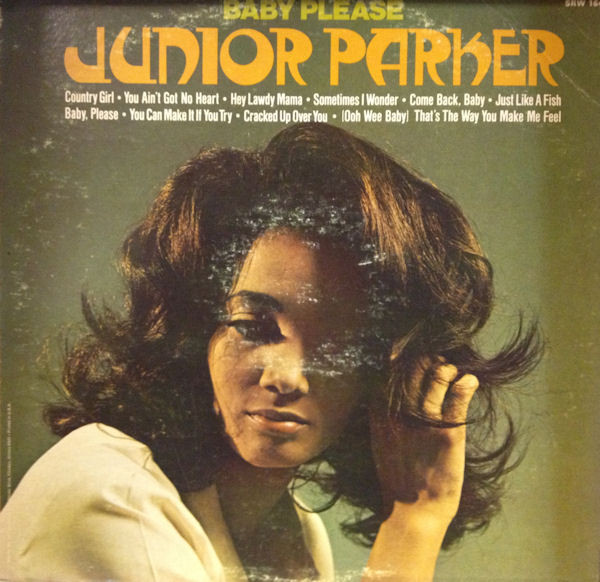
Like It Is
1967
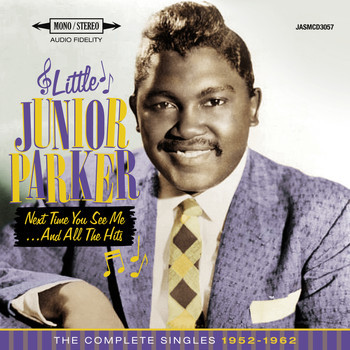
Next Time You See Me...And All The Hits
2016

Little Junior Parker
1990

Sometimes Tomorrow My Broken Heart Will Die
1973

I Tell Stories Sad And True I Sing The Blues And Play Harmonica Too It Is Very Funky
1972
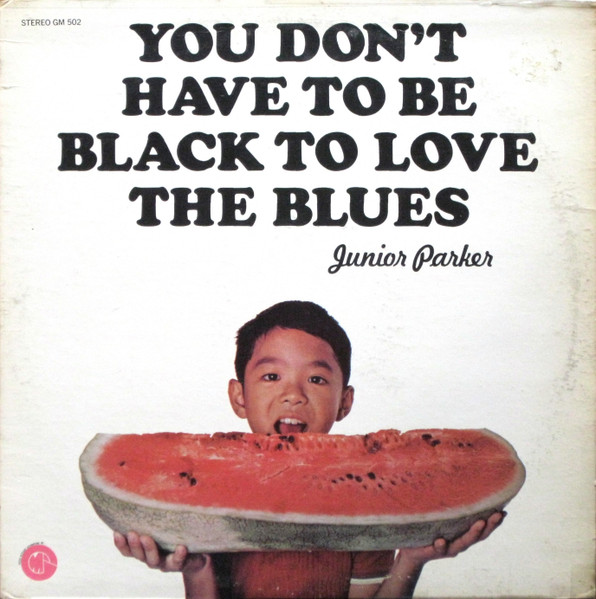
You Don't Have To Be Black To Love The Blues
1971

Way Back Home
1971

"Blues Man"
1969
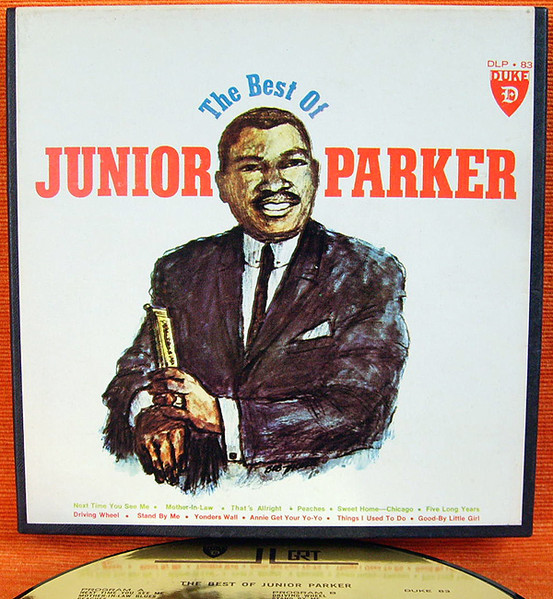
The Best Of Junior Parker
1967
Related artists
Bands & projects
Around the web
Follow every record they touch.
Start your shelf and Gatefold tracks Junior Parker's new pressings, tour dates, and the whole discography — automatically.
Start your shelf →Free forever. Works with 10 records or 10,000.