
Artist
Linkin Park
American rock band
Agoura Hills, United States · Formed 1996
Linkin Park is a music group from Agoura Hills, United States, active since 1996. Their discography on Gatefold includes 24 records.

31
Albums tracked
566
In collections
1996
Since
Biography
Warner Bros. didn’t want Mike Shinoda to rap. They tried to get the band to ditch him and go with a straight-up hard rock frontman during the Hybrid Theory sessions. Don Gilmore, the producer, had them running lines until their throats bled to get that radio-ready polish, but the band held their ground on the dual-vocal dynamic. It was a risky move in '99 when the nu-metal trend was already getting bloated with frat-boy nonsense, but the tension between Shinoda’s precision and Chester Bennington’s raw, skin-crawling screams gave it a different skeleton. They spent the next decade either perfecting that formula or trying to outrun it. For every sharp turn into experimental electronics or heavy garage rock, there was always the ghost of that high-gloss studio sheen. They hit a wall where the commercial pressure to stay on top started clashing with their desire to be seen as a serious art-rock outfit. It wasn't always pretty, especially when they drifted into that mid-2010s pop-heavy territory, but you can't deny the craft behind the madness. They were a pop band with a heavy metal heart and a hip-hop brain, and that mix is a bitch to get right.
Bio from The Clerk
The Arc of Linkin Park
The pivots — what forced Linkin Park to reinvent.
The Gilmore Polish
Locked in NRG Recording Studios with Don Gilmore, the band faced a label that wanted to strip them of their hip-hop elements entirely. They spent nearly a year obsessing over every snare hit and scream, resulting in the clinical, explosive sound of Hybrid Theory and Meteora. These records weren't jam sessions; they were meticulously engineered architecture where every second was designed to hit like a freight train. You hear it in the way Chester's vocals are layered—a wall of sound that defined the early 2000s radio dial.
The Rick Rubin Deconstruction
By 2007, the band felt trapped by their own success and brought in Rick Rubin to help them dismantle the nu-metal tropes they helped build. Minutes to Midnight saw them ditching the turntables and rap-rock structures for vintage gear, classic guitar solos, and a more organic, stripped-back approach. Rubin pushed them to stop thinking about what Linkin Park should sound like and just focus on the songs. The result was a polarizing shift that moved them away from the mosh pit and toward a stadium-rock identity.
The Electronic Pivot
A Thousand Suns was the moment they finally jumped off the deep end, trading distorted guitars for synthesizers and a concept-heavy narrative. Mike Shinoda took the lead on production, influenced by Public Enemy's sonic chaos and the glitchy textures of the Warp Records catalog. It’s a dense, weird record that sounds more like a film score than a collection of singles. This era proved they were more interested in being a weird art-rock band than staying comfortable as a legacy act.
The Analog Rebellion
After years of tinkering with Pro Tools and synths, the band got bored and decided to make a loud, aggressive guitar record with The Hunting Party. They didn't hire a big-name producer this time, opting to self-produce and bring in guests like Page Hamilton and Tom Morello to recapture their early energy. It was a conscious effort to kick back against the polished pop-rock dominating the charts in 2014. You can hear the exhaustion with the industry in the distorted, jagged riffs and the faster tempos.
Influences
- Depeche Mode — Chester Bennington famously cited 'Songs of Faith and Devotion' as a foundational influence on his vocal delivery. You hear it in the blend of industrial darkness and massive pop hooks. The way they used electronics to sound heavy without needing a wall of guitars was the blueprint for 'A Thousand Suns'.
- Nine Inch Nails — Trent Reznor’s use of digital distortion and layered noise was a major touchstone for Mike Shinoda’s production style. The band has frequently cited 'The Downward Spiral' as a masterclass in atmosphere. That specific NIN-style grit is all over the programming on 'Hybrid Theory'.
- The Roots — Mike Shinoda has gone on record stating that Questlove’s drumming and the band's live hip-hop approach shaped how Linkin Park integrated live instruments with loops. You hear that organic-meets-digital rhythm section throughout their entire career. It kept their hip-hop side from feeling like a gimmick.
- Public Enemy — The chaotic, abrasive production of The Bomb Squad is a direct ancestor to the soundscapes on 'A Thousand Suns'. Shinoda has specifically praised their ability to make noise sound like a coherent song. That influence shows up in the way they use non-musical samples to create tension.
- Stone Temple Pilots — The band grew up on the 90s grunge explosion, and Chester eventually fronted STP for a brief run, fulfilling a lifelong dream. Scott Weiland’s ability to pivot from a raspy growl to a clean melody was the early standard Chester held himself to. You hear that shifting vocal dynamic in every verse-chorus transition they ever wrote.
Discography
Their records — most-collected first.
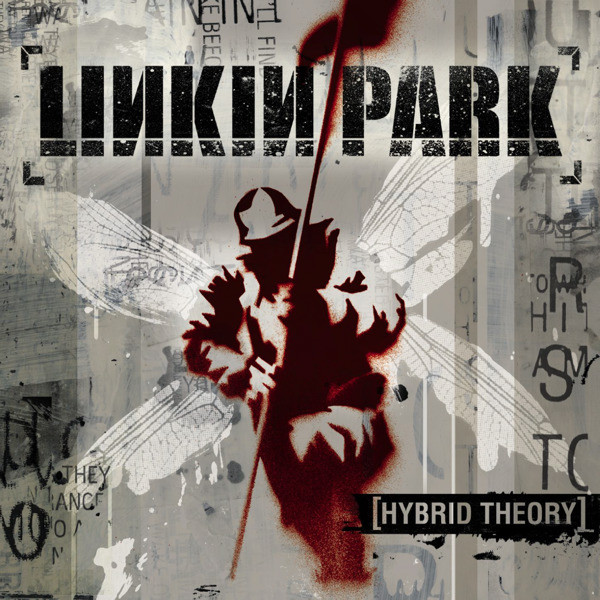
Hybrid Theory
2000
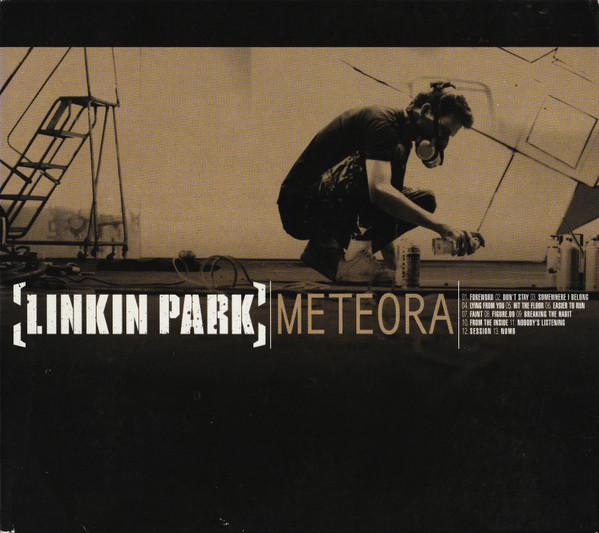
Meteora
2003

From Zero
2024
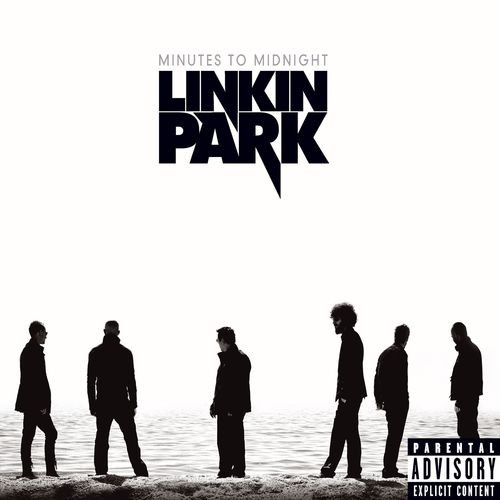
Minutes To Midnight
2007
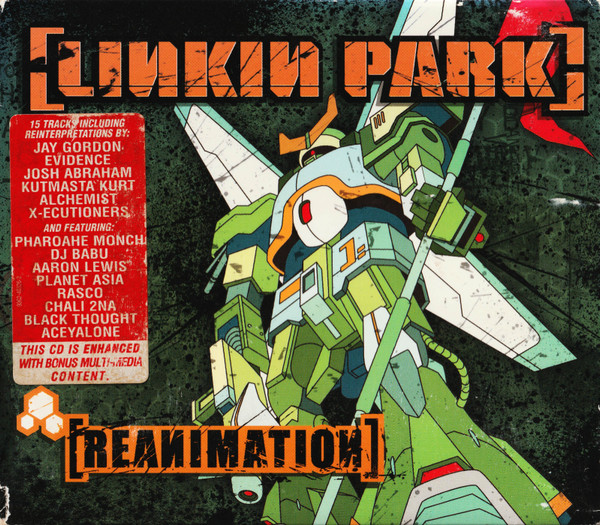
Reanimation
2002
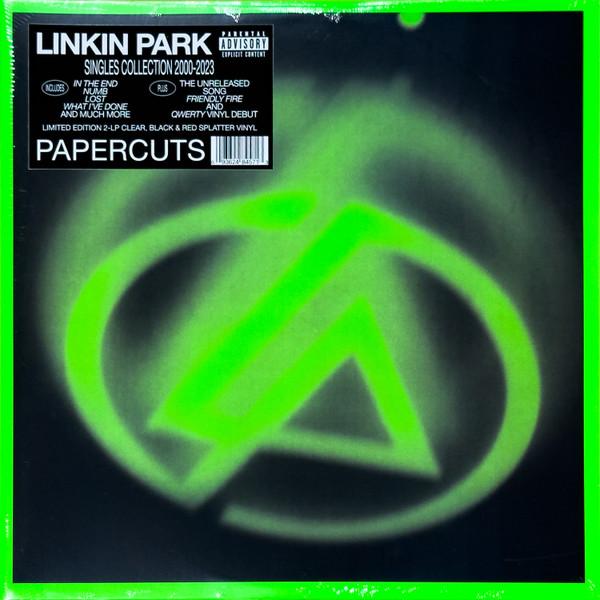
Papercuts
2024
A Thousand Suns
2010
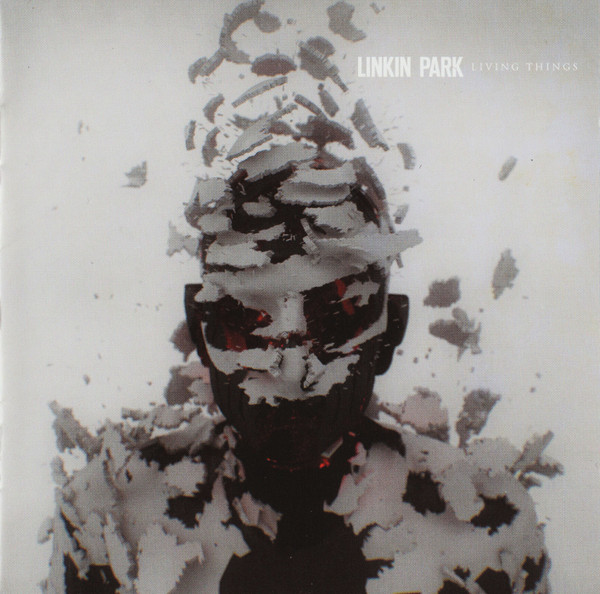
Living Things
2012
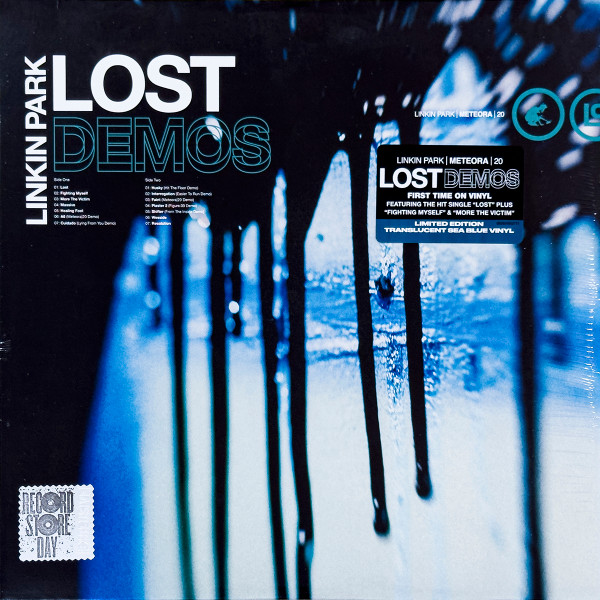
Lost Demos
2023
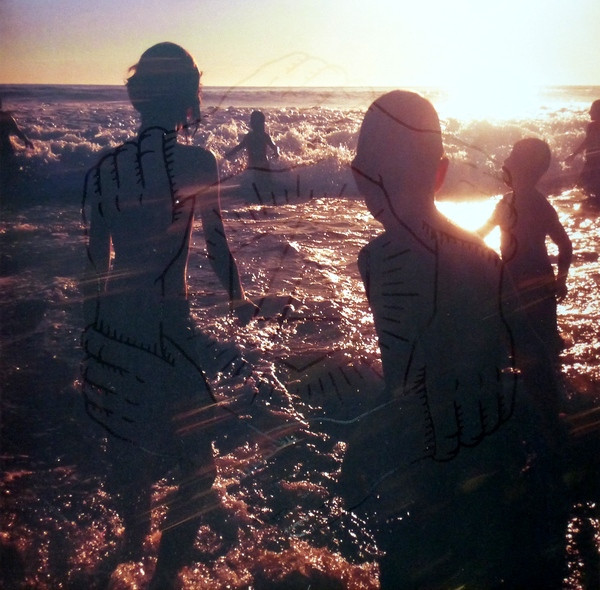
One More Light
2017
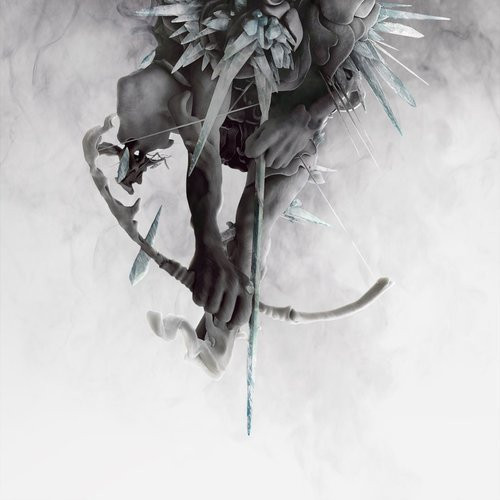
The Hunting Party
2014
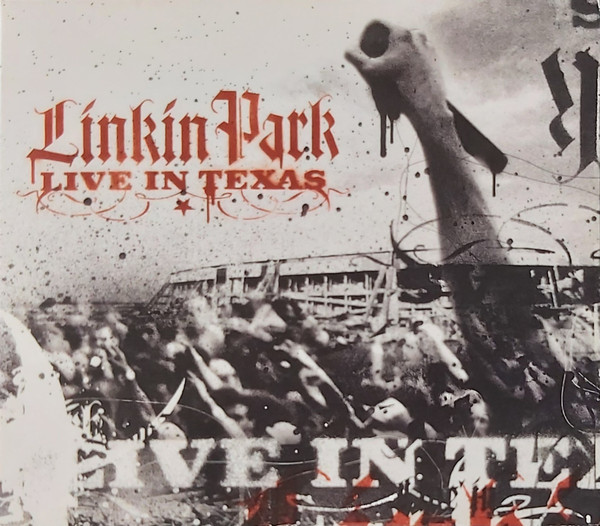
Live In Texas
2003
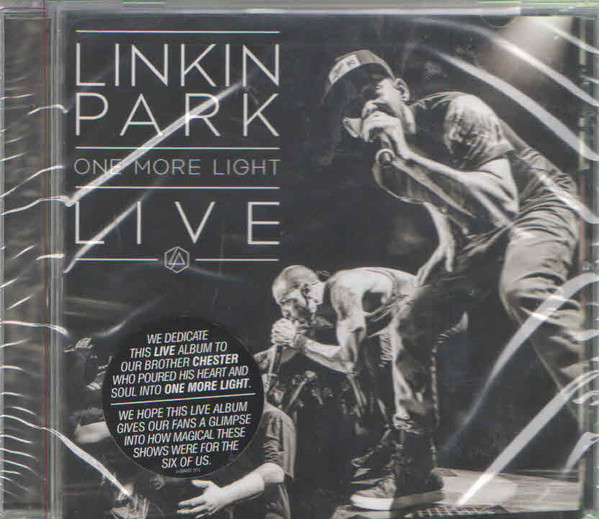
One More Light Live
2017
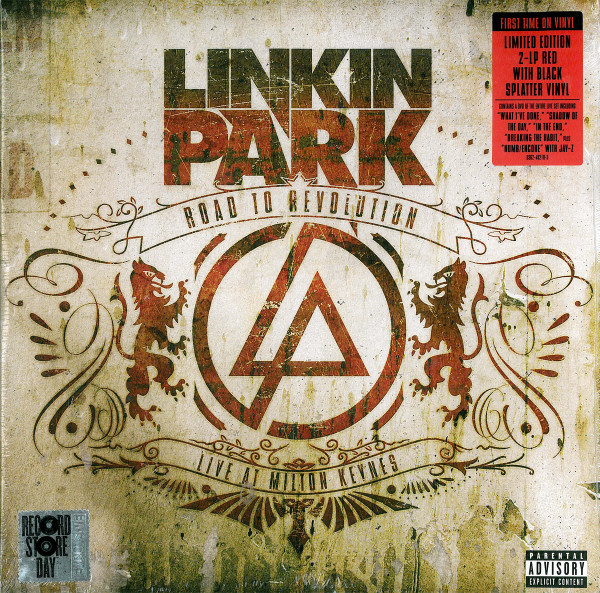
Road To Revolution: Live At Milton Keynes
2008
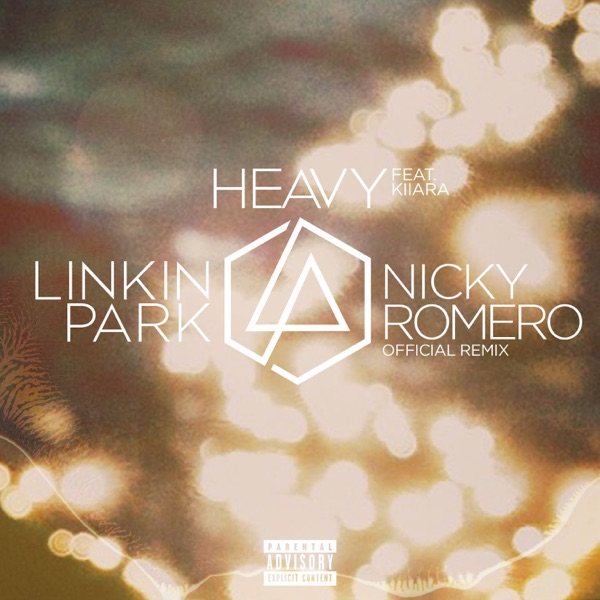
Heavy
2017
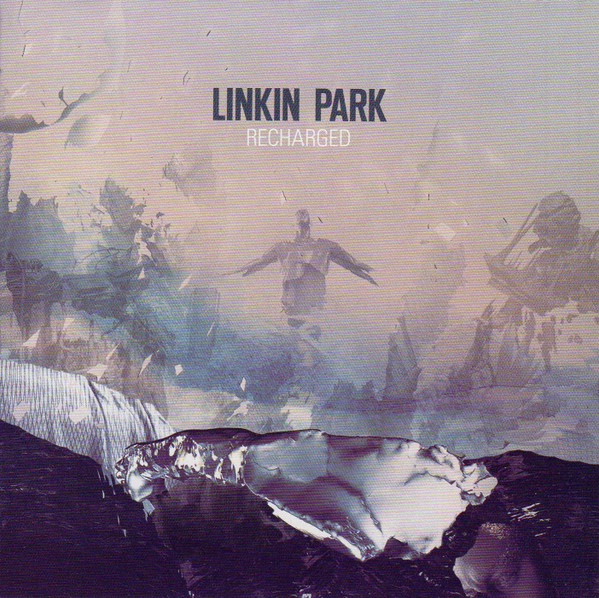
Recharged
2013

New Divide
2009
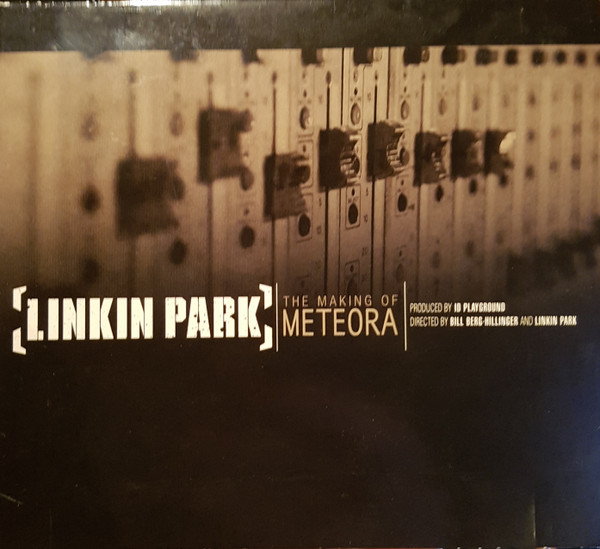
The Making Of Meteora
2003

One More Light (Chester Forever Steve Aoki Remix)
2017
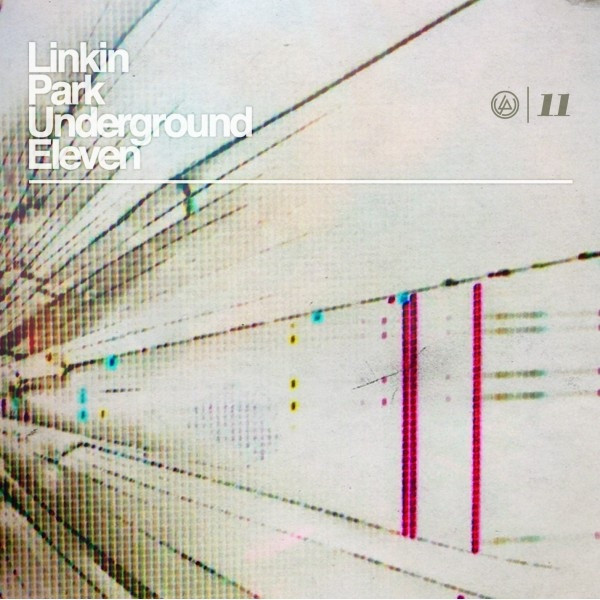
Underground Eleven
2011
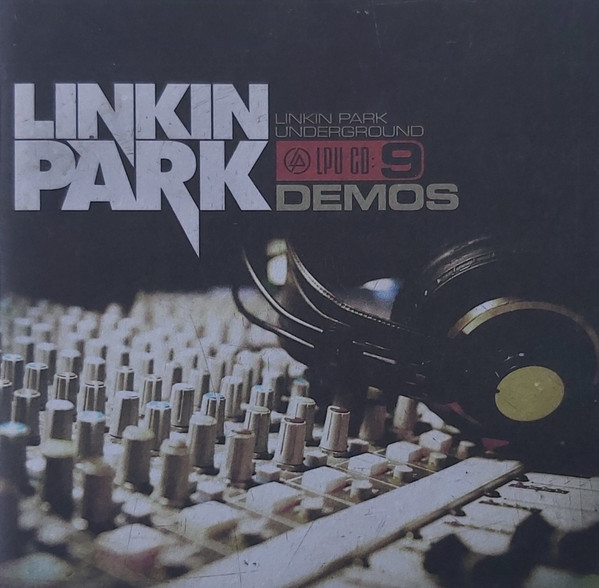
Underground 9: Demos
2009
Greatest Hits
2008
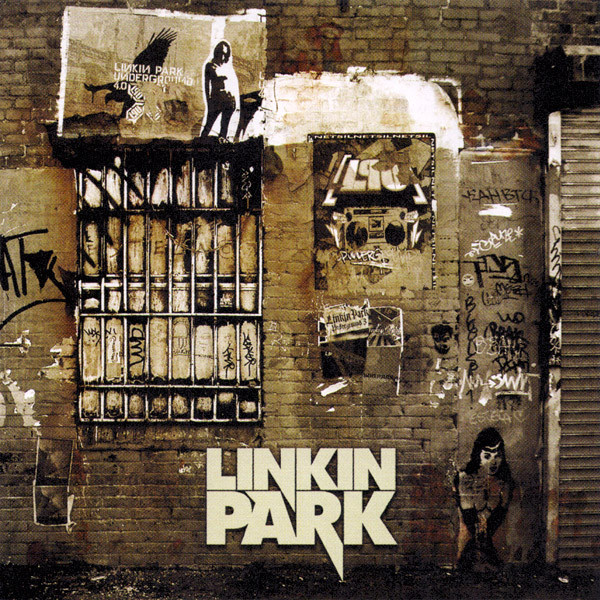
Songs From The Underground
2008
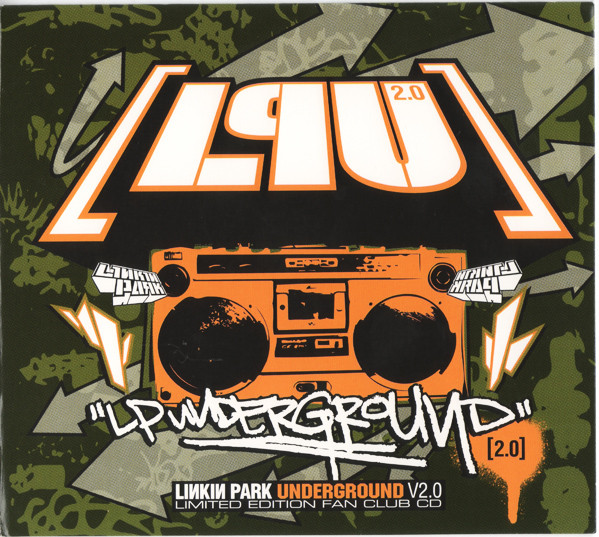
Underground V2.0
2003
Related artists
Members
Frequent collaborators
Around the web
Follow every record they touch.
Start your shelf and Gatefold tracks Linkin Park's new pressings, tour dates, and the whole discography — automatically.
Start your shelf →Free forever. Works with 10 records or 10,000.