
Artist
Lil’ Kim
US rapper
Bedford–Stuyvesant, United States · b. 1974
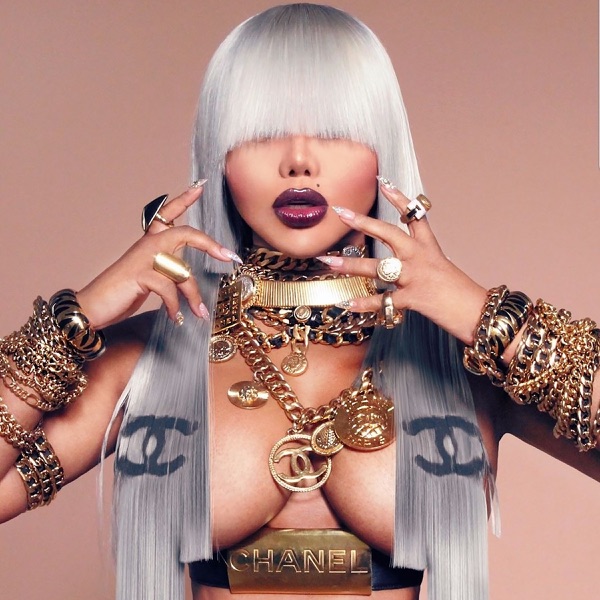
Lil’ Kim is a musician from Bedford–Stuyvesant, United States, active since 1974. Their discography on Gatefold includes 8 records. They also recorded with Junior M.A.F.I.A. and Artists Against AIDS Worldwide.
13
Albums tracked
35
In collections
1974
Since
Biography
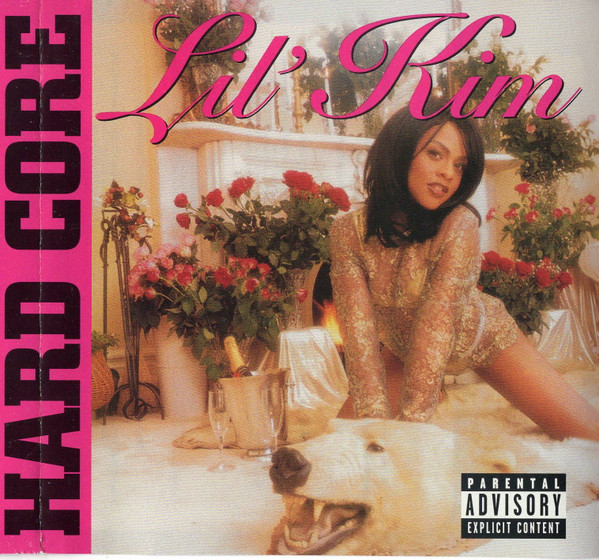
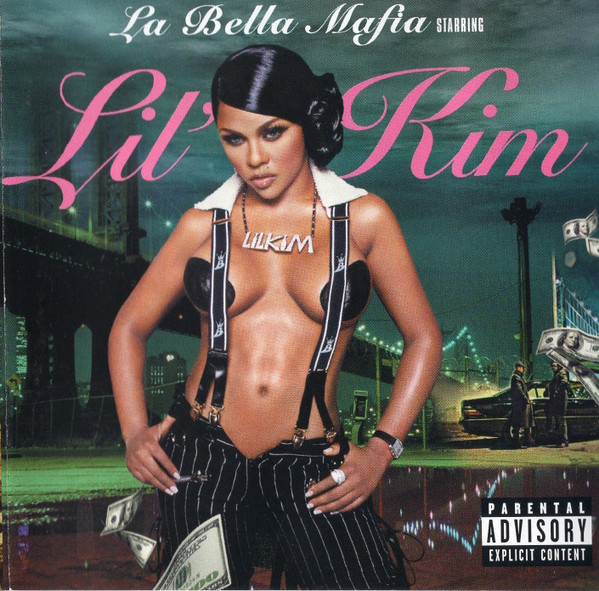
Biggie Smalls was the one who pushed a mic into her hand and told her to forget being a background singer. She wasn't just a protégé; she was the secret weapon for Junior M.A.F.I.A. who out-rapped half the crew before she even had a solo deal. When Hard Core dropped in '96, it wasn't just about the shock value of the lyrics. It was the technical precision. She was hitting pockets in the beat that most veteran MCs couldn't find, all while working with producers like Sean Puffy Combs and Stevie J to create a high-gloss, high-stakes sound that changed the tax bracket of East Coast hip-hop. The industry tried to paint her as a gimmick, but the work on La Bella Mafia and The Naked Truth proves otherwise. She survived the collapse of her camp and a federal prison sentence without losing her flow. Even when the guest features started to lean more toward pop radio and the production got thinner in the late 2000s, her delivery stayed sharp as a razor. She’s the blueprint for every woman in rap who refuses to choose between being a lyricist and being a mogul.
Bio from The Clerk
The Arc of Lil’ Kim
The pivots — what forced Lil’ Kim to reinvent.
The Hard Core Foundation
Biggie steered the ship on her debut, bringing in producers like Jermaine Dupri and Ski to craft a sound that was filthy and expensive at the same time. The sessions at Daddy's House were about proving she could go bar-for-bar with the giants of the Bad Boy era. You hear it in the flow—aggressive, punctuated, and completely unapologetic. This was the moment she transitioned from a Junior M.A.F.I.A. standout to a solo force that didn't need the collective to carry a track.
The Post-Biggie Pivot
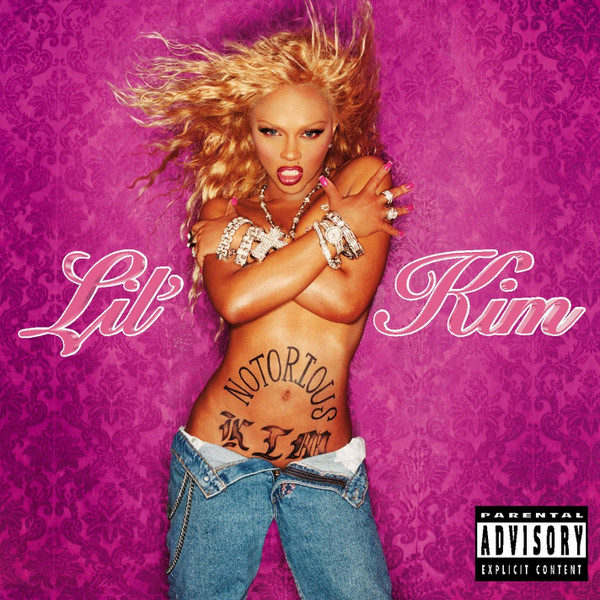
Losing her mentor meant she had to rebuild her creative process from the ground up for The Notorious K.I.M. and La Bella Mafia. She leaned harder into the fashion-as-armor aesthetic and brought in Scott Storch and Timbaland to modernize the production. These records were her way of proving she could survive the fallout of the Bad Boy empire's fracturing. The music became more cinematic, trading the raw Brooklyn grit for a global, polished sound that defined the early 2000s club scene.
The Naked Truth Era
Recorded just before she went behind bars for a perjury charge, The Naked Truth is the last time she sounded truly focused on a full-length project. Working with Scott Storch and J.R. Rotem, she tapped into a harder, more cynical energy that felt like a return to her street roots. It remains the only female rap album to ever get a 5-mic rating from The Source, largely because the rhymes felt earned rather than performed. The record carries the weight of a woman who knew she was about to lose her freedom and had nothing left to hide.
Influences
- The Notorious B.I.G. — He discovered her in Brooklyn and mentored her flow until she could outwork her peers. You hear his influence in her rhythmic timing and the way she emphasizes the end of her bars. He basically built the platform she stood on.
- MC Lyte — Kim has cited Lyte as the definitive example of a woman who could hold her own in the New York scene. The direct, confrontational delivery on Hard Core pulls straight from the Lyte playbook of vocal authority. She took Lyte’s toughness and added a layer of high-fashion subversion.
- Salt-N-Pepa — They broke the seal on discussing female sexuality in hip-hop, which Kim then weaponized. You hear their DNA in the way she uses flirtation as a tactical advantage in her lyrics. They provided the commercial map for Kim's more explicit territory.
- Slick Rick — The storytelling and the obsession with luxury jewelry come directly from the Ruler. Kim used Rick's blueprint of the 'wealthy narrator' and applied it to the 90s crack-era aesthetic. Every time she pauses a verse to describe a piece of jewelry, she’s nodding to Rick.
- Chaka Khan — Before she was a rapper, Kim was a singer and idolized Khan’s power and vocal presence. She has frequently sampled Khan’s work, most notably on the 'Not Tonight' remix which flipped 'I'm Every Woman.' The diva-level confidence in Kim’s delivery is rooted in the soul and funk singers she grew up on.
Lil’ Kim — solo
Their records — most-collected first.


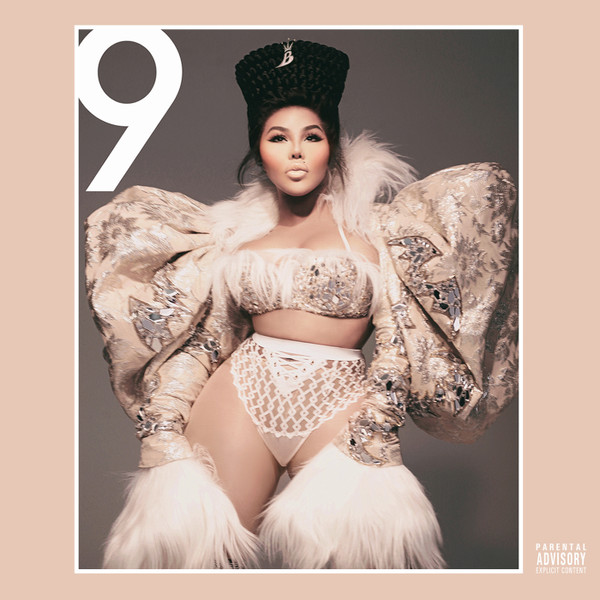
Junior M.A.F.I.A.
A project Lil’ Kim was part of.


Artists Against AIDS Worldwide
A project Lil’ Kim was part of.

Around the web
Follow every record they touch.
Start your shelf and Gatefold tracks Lil’ Kim's new pressings, tour dates, and the whole discography — automatically.
Start your shelf →Free forever. Works with 10 records or 10,000.